
How To
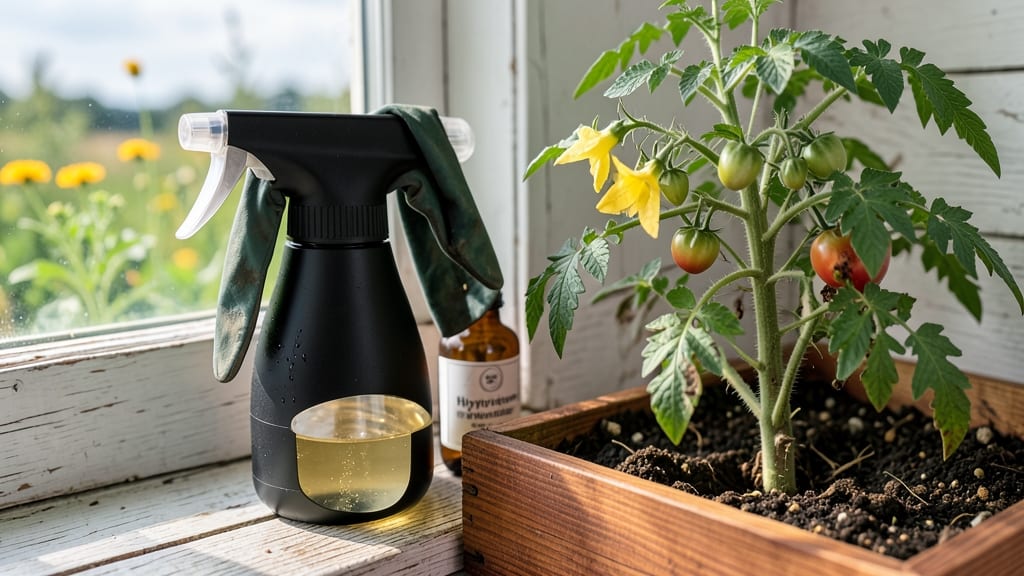
Hydrogen peroxide for tomato blight isn’t just a quick fix—it’s the game-changer I’ve used to save my plants from brown, crinkled leaves in under 24 hours. 🌱 The secret lies in its dual action: it kills fungal spores on contact while oxygenating the soil to prevent future outbreaks.
Most gardeners reach for copper fungicides, but this solution is safer, cheaper, and works faster when applied correctly. The magic happens when you mix 1 tablespoon of 3% hydrogen peroxide per quart of water—never more, or you’ll risk leaf burn.
Spray the undersides of leaves (where spores hide) in the early morning, and repeat every 3-4 days until new growth appears. I’ve saved entire tomato plants this way, even when store-bought sprays failed. The key? Consistency and hitting the infection early before it spreads to stems.
What you’ll end up with is healthy, glossy leaves and tomatoes that keep producing instead of wilting. The peroxide breaks down into water and oxygen, so there’s no residue or harm to beneficial insects—just a cleaner, stronger plant.
Plus, it’s a multi-purpose solution that works for early blight, late blight, and even powdery mildew on other crops. For best results, pair this with proper spacing (to improve airflow) and removing infected leaves immediately.
It’s not a standalone cure, but combined with good garden hygiene, it’s the closest thing to a blight-proof tomato season I’ve found. Ready to give it a try?
Root Causes of Tomato Blight
Tomato blight—whether early blight (Alternaria solani) or late blight (Phytophthora infestans)—isn’t just a random plant problem. It thrives because of specific conditions that create the perfect storm for fungal growth.
Understanding these triggers helps you disrupt the cycle before it starts. Here’s why your tomatoes might be under siege:
🌱 The Silent Invaders Fungal spores are everywhere—floating in the wind, lurking in garden soil, or hiding on old plant debris.
Early blight spores (Alternaria) often survive in soil or on infected plant remnants from last season, while late blight spores (Phytophthora) spread rapidly in cool, damp conditions. If your garden had blight last year, spores could still be waiting to reinfect this season.
Why it matters:
- Poor garden rotation: Planting tomatoes in the same spot year after year gives spores a permanent home.
- Contaminated tools or compost: Pruners, stakes, or compost piles can harbor spores and spread them to healthy plants.
- Wind and water: Rain or overhead irrigation splashes spores from the ground onto leaves, creating infection points.
Actionable fix: Test your soil for fungal activity (or assume it’s there if you’ve had blight before). Rotate crops annually and sanitize tools with a 1:10 bleach-water solution or 70% isopropyl alcohol.
💦 The Wet Plant’s Weak Spot Tomato blight loves moisture—especially when water sits on leaves for hours. Overhead watering (like from sprinklers) mimics a fungal spa, giving spores the perfect environment to germinate. Poor airflow in dense plantings or crowded gardens traps humidity, turning leaves into a fungal buffet.
Why it matters:
- Early blight: Thrives in warm, dry conditions but needs short wet periods to infect leaves.
- Late blight: Spreads explosively in cool (60–75°F), wet conditions, doubling its spores every 2–3 days if humidity stays high.
Actionable fix:
- Water at the base (drip irrigation or soaker hoses) to keep foliage dry.
- Space plants 18–24 inches apart for airflow.
- Prune lower leaves (especially on indeterminate varieties) to reduce humidity near the soil.
🌡️ When Tomatoes Get Too Much of a Good Thing Stressed tomatoes are like open doors for fungi. Heatwaves, drought, or excessive nitrogen (from over-fertilizing) weaken plants, making them vulnerable to infection. Even minor stress can trigger cell wall breakdown, giving fungi an easy entry point.
Why it matters:
- Nitrogen overload: Lush, soft growth is tasty for fungi. Too much nitrogen = fewer defenses.
- Drought stress: Wilting plants can’t photosynthesize efficiently, reducing their ability to fight pathogens.
- Extreme heat: Temperatures above 85°F can scorch leaves, creating wounds where spores land.
Actionable fix:
- Balance your fertilizer: Use a low-nitrogen, high-phosphorus blend (e.g., 5-10-10) to strengthen roots.
- Mulch heavily (straw or wood chips) to retain moisture and regulate soil temp.
- Shade cloth can protect plants during heatwaves if temps exceed 90°F.
🗑️ Last Year’s Problems Come Back Never remove infected plant material? Those dead leaves are spore factories. Even mulched debris can harbor spores for years, ready to jump onto new plants. Late blight, in particular, can survive in soil or compost for months.
Why it matters:
- Compost piles: If you toss infected leaves into compost, you’re just delaying the problem—spores survive heat but may not die completely.
- Mulch from last year: Straw or grass clippings contaminated with blight spores will reinfect this season.
Actionable fix:
- Remove ALL plant debris at season’s end—don’t compost it. Burn (if allowed) or trash it in sealed bags.
- Solarize soil (cover with clear plastic for 4–6 weeks in summer) to kill lingering spores.
- Use fresh mulch every season, especially in blight-prone areas.
🌧️ The Perfect Blight Weather Late blight is a nighttime party animal. It spreads fastest when:
- Nighttime temps dip to 60–70°F (ideal for spore germination).
- Morning dew or rain lingers on leaves for hours.
- Humidity stays above 90% for 6+ hours.
Why it matters:
- Spores release zoospores (swimming spores) in water, which infect plants within 4–6 hours.
- Unlike early blight, late blight can kill a plant in days if conditions are right.
Actionable fix:
- Monitor forecasts and act fast if cool, wet weather is predicted.
- Apply hydrogen peroxide spray (3% solution, diluted 1:9 with water) at dusk to create an unfriendly environment for spores.
- Use row covers during high-risk periods to block spore spread.
Quick Fixes for Tomato Blight
Tomato blight—whether early, late, or bacterial—can turn your lush plants into a sad, spotted mess in no time. But hydrogen peroxide (H₂O₂) is your secret weapon for a fast, natural turnaround.
Below, we’ll break down cause-specific solutions using H₂O₂, plus prevention tips to keep your tomatoes thriving. No fancy tools or toxic chemicals required—just a spray bottle and a little elbow grease!
🍅 1. Late Blight (Most Common Fungal Threat)
Cause: The Phytophthora infestans fungus thrives in humid, wet conditions, spreading via spores from infected plants or soil. Fix: Fungicidal spray with hydrogen peroxide to kill spores on contact and prevent further spread.
How to Apply: 🔥 Mix the Solution:
- 1 part 3% hydrogen peroxide (food-grade) to 3 parts water (e.g., 1 cup H₂O₂ + 3 cups water).
- Optional boost: Add 1 tsp baking soda to raise pH slightly (helps adhesion) and 1 drop of dish soap (as a surfactant for better coverage).
👨🍳 Spray Like a Pro:
- Early morning or late evening (avoid direct sun to prevent leaf burn).
- Spray under leaves (where spores hide) and stems thoroughly.
- Reapply every 5–7 days until symptoms disappear and for 2 weeks after to prevent recurrence.
⏰ Timeframe:
- First signs? You’ll see improvement in 3–5 days if caught early.
- Advanced blight? Combine with pruning infected leaves (sterilize scissors with rubbing alcohol) and improved airflow (space plants 18–24 inches apart).
🌱 2. Early Blight (Targeting Older Leaves)
Cause: Alternaria solani fungus attacks lower leaves first, causing concentric rings and yellowing. Fix: Preventative + curative spray to stop the fungus before it spreads upward.
How to Apply: 🍳 Stronger Mix for Early Blight:
- 1 part 3% H₂O₂ to 1 part water (higher concentration for stubborn cases).
- Pro tip: Add 1 tbsp neem oil (fungicidal + insect-repellent properties) to the mix.
🥘 Treatment Schedule:
- Spray every 3–4 days for 2 weeks, then switch to weekly prevention.
- Remove and destroy infected leaves (don’t compost them—spores can survive!).
🌡️ Bonus Prevention:
- Mulch with straw (not hay—it can harbor spores) to reduce soil splashing onto leaves.
- Water at the base (never overhead) to keep foliage dry.
🦠 3. Bacterial Spot (Oozing Lesions = Urgent Action)
Cause: Xanthomonas or Pseudomonas bacteria spread via water, tools, or infected seeds. Fix: H₂O₂ disinfects surfaces and slows bacterial growth (though severe cases may need copper-based sprays).
How to Apply: 🔪 Emergency Disinfection Spray:
- 1 part 3% H₂O₂ to 1 part water + 1 tsp baking soda (raises pH to inhibit bacteria).
- Spray every 2–3 days until new growth appears.
💡 Critical Prevention:
- Sterilize pruners with 70% isopropyl alcohol between cuts.
- Avoid overhead watering—use a drip irrigation system instead.
- Rotate crops—don’t plant tomatoes in the same spot next year (bacteria linger in soil).
Hydrogen peroxide is great for reactive treatment, but proactive care saves your tomatoes long-term. Here’s how:
🌿 Cultural Practices That Work
- Airflow is Key: Stake or cage tomatoes to reduce humidity in the canopy.
- Sunlight > Shade: Plant in full sun (6–8 hours/day)—fungi love damp, shady spots.
- Clean Up Debris: Remove fallen leaves and volunteer plants (they’re spore hotels!).
💧 Watering Hacks
- Morning watering only (leaves dry by night = less fungal growth).
- Drip irrigation > hose (avoids splashing spores onto leaves).
- Test your soil: Blight thrives in acidic soil (pH < 5.5). Aim for 6.0–7.0 with lime if needed.
🌱 Soil & Seed Strategies
- Soak seeds in H₂O₂ (1 tbsp 3% H₂O₂ per cup of water for 10 mins) to kill dormant pathogens.
- Use raised beds (improves drainage and reduces soil-borne diseases).
- Companion plants: Interplant with garlic, basil, or marigolds (natural fungicidal properties).
While H₂O₂ is highly effective, some cases need extra firepower:
- Severe late blight? Combine with copper fungicide (follow label rates).
- Bacterial spot outbreak? Switch to organic copper soap (e.g., Copper Septicide).
- Preventative shield: Rotate with milk spray (1 part milk to 9 parts water—contains fungicidal proteins).
Final Pro Tip: 🌟 Monitor your plants daily—catch blight early, and H₂O₂ can reverse damage in days. Once it spreads to fruit, harvest and cook/dry tomatoes immediately (blight doesn’t spread post-harvest if stored properly). Your next tomato harvest will thank you!
Frequently asked questions
How often should I apply hydrogen peroxide spray for tomato blight?
For active blight treatment, spray every 3-4 days until symptoms disappear, then continue weekly for 2 weeks as prevention. Early blight may need more frequent applications (every 3 days) with a stronger mix (1:1 ratio). Always spray in the early morning or evening to avoid leaf burn from direct sunlight.
Can I use hydrogen peroxide on tomato plants with fruit?
Yes, but focus on leaves and stems—avoid spraying directly on tomatoes. The solution breaks down into water and oxygen, so there's no residue on edible parts. For extra safety, harvest tomatoes before treatment and wash them thoroughly before eating. The peroxide won't harm the fruit itself, just the fungal spores.
What's the difference between 3% and higher-concentration hydrogen peroxide?
Always use 3% food-grade hydrogen peroxide—higher concentrations (like 35%) can burn plant tissue. For stubborn blight, you can use a 1:1 ratio (equal parts peroxide and water), but never exceed this strength. The 3% solution is safe, effective, and kills fungal spores on contact while oxygenating the soil.
Will hydrogen peroxide prevent blight from coming back next year?
No, it's not a long-term soil treatment—it works on existing spores but won't eliminate them from soil or debris. For next season, combine hydrogen peroxide sprays with crop rotation, removing all plant debris, and soil solarization (covering soil with plastic for 4-6 weeks). These steps break the blight cycle completely.
Can I mix hydrogen peroxide with other garden treatments?
Yes! For enhanced effectiveness, add 1 tsp baking soda (raises pH slightly) or 1 tbsp neem oil (natural fungicide). Avoid mixing with copper-based sprays or vinegar—they can create harmful chemical reactions. Always test small areas first to check for plant sensitivity.