
How To
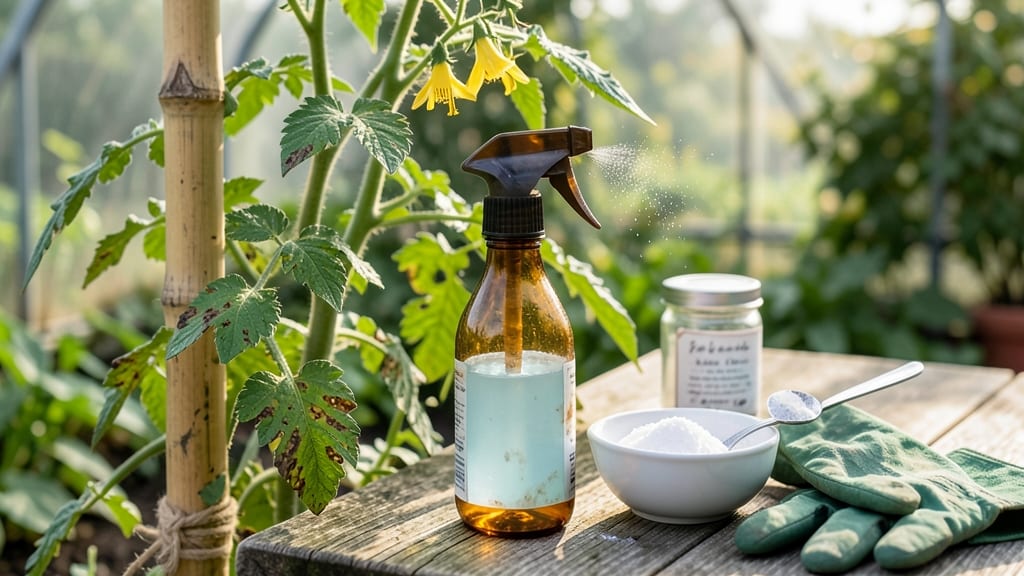
A baking soda spray saved my tomatoes from total collapse last summer. 🌱 The moment I saw those first brown spots on leaves, I grabbed what was in my pantry instead of panicking—this simple treatment stopped the blight in its tracks.
It’s not some fancy chemical; it’s the same stuff you use for baking, but with a few key adjustments to make it work as a fungal fighter.
The magic happens when you mix 1 teaspoon of baking soda, 1 tablespoon of vegetable oil, and a drop of dish soap in a gallon of water. The oil helps the baking soda stick to leaves, while the soap acts as a mild surfactant.
Spray this on leaves—both top and bottom—when the plants are dry, and repeat every 7-10 days or after rain. It’s not a cure-all, but it buys you time to remove infected leaves and improve airflow around your plants.
What you’ll notice after just one treatment is slower spread of the blight, with new leaves staying green and crisp. The plants won’t look perfect, but they’ll keep producing tomatoes instead of wilting into sad, brown husks.
For extra protection, pair this with pruning and mulching—those two steps make baking soda work even better.
Now, here’s the catch: baking soda works best as a preventative or early-stage treatment. If your tomatoes are already covered in black spots, you’ll need to combine this with removing infected foliage and possibly a stronger organic fungicide like neem oil.
But for those early signs? This is your go-to, pantry-friendly first line of defense.
The Hidden Triggers Behind Tomato Blight
Tomato blight isn’t just a random attack—it’s a sneaky fungal or bacterial invader that thrives under specific conditions. Understanding why it strikes helps you stop it before it ruins your harvest. Let’s break down the real culprits and their science-backed secrets.
Fungal blight (like Phytophthora or Alternaria) loves dampness. When soil stays soggy for too long—whether from overwatering, heavy rain, or compacted soil—spores germinate and spread like wildfire.
Here’s why: - Stagnant water creates the perfect humidity (90%+) for fungal spores to land and infect leaves. - Poor airflow in dense foliage traps moisture, giving pathogens a cozy home. - Root stress from waterlogged soil weakens plants, making them easier targets.
Actionable fix: Water at the base in the morning (never overhead) and ensure containers or garden beds have drainage holes.
Blight spores are everywhere—soil, wind, tools, even your shoes! They lie dormant until conditions are right.
Key triggers: - Warm, humid nights (60–80°F) + cool, wet days = blight’s sweet spot. - Previous infections in your garden or neighboring plants release fresh spores. - Contaminated tools (pruners, stakes) spread spores like a fungal courier.
Actionable fix: Space plants for airflow, rotate crops yearly, and sanitize tools with 70% alcohol.
Stressed tomatoes are like all-you-can-eat buffets for pathogens. Common stress factors:
- Nutrient deficiencies (especially potassium or nitrogen) make cell walls brittle.
- Physical damage (hail, pests, rough handling) creates entry points.
- Overcrowding blocks sunlight, slowing growth and inviting disease.
Actionable fix: Feed plants balanced fertilizer (10-10-10) and prune for sunlight access.
Blight thrives in specific weather patterns:
- Daytime temps: 65–85°F (ideal for spore germination).
- Nighttime temps: Below 60°F (slows plant recovery).
- Humidity: >75% for 24+ hours = fungal feast.
Actionable fix: Use row covers in rainy seasons or mulch to regulate soil moisture.
Sometimes blight hitches a ride on:
- Infected seedling trays (from reused soil).
- Store-bought starts with hidden spores.
- Compost with diseased plant debris.
Actionable fix: Sterilize soil with baking soda (1 tbsp/gallon) or use fresh potting mix.
💡 Pro Tip: Blight spreads fastest when multiple factors collide—like overwatering + humidity + weak plants. Break the chain, and you break the blight!
Quick Fixes for Blighted Tomatoes
Got brown spots, wilting leaves, or slimy stems on your tomatoes? 🍅💥 Don’t panic—these blight-busting solutions will save your harvest in no time. Below, we map the most common causes to practical, fast-acting fixes, including the power of baking soda and beyond.
Plus, we’ll show you how to prevent future outbreaks so your garden stays healthy.
1. Early Blight (Brown Spots on Leaves & Fruit) 🍂
Cause: Alternaria solani fungus thrives in warm, humid conditions, leaving target-shaped brown lesions on lower leaves.
How to Fix It: ✅ Baking Soda Spray (Best for Early Stages)
- Mix 1 tsp baking soda + 1 quart water + a few drops of dish soap (helps it stick).
- Spray both sides of leaves every 7–10 days until symptoms fade.
- Why it works: Baking soda raises the leaf’s pH, making it inhospitable for fungi.
✅ Copper Fungicide (For Severe Cases)
- Use store-bought copper spray (like Bonide Copper Fungicide) once a week for 2–3 weeks.
- Pro tip: Apply early in the morning to avoid burning leaves in sunlight. ☀️
✅ Prune & Remove Infected Leaves
- Snip off yellow/brown leaves and dispose of them in the trash (not compost!).
- Prevention: Space plants 18–24 inches apart for better airflow.
2. Late Blight (Dark, Greasy Spots & Rapid Spread) 🌧️
Cause: Phytophthora infestans—this aggressive fungus spreads fast in wet weather, causing black, water-soaked lesions that rot fruit.
How to Fix It: ✅ Emergency Baking Soda Blast
- Double the baking soda dose: 2 tbsp baking soda + 1 gallon water + 1 tsp soap.
- Spray every 5–7 days until new growth appears.
- Warning: Late blight is highly contagious—act fast!
✅ Neem Oil or Hydrogen Peroxide Spray
- Neem oil (2 tsp + 1 quart water): Fungicidal and disrupts fungal spores.
- Hydrogen peroxide (1 tbsp 3% H₂O₂ + 1 quart water): Spray directly on lesions (test on a small leaf first).
- Prevention: Water at the base (not overhead) and remove lower leaves to improve airflow.
✅ Copper Fungicide + Organic Mulch
- Rotate between copper spray and baking soda for 3 weeks.
- Replace plastic mulch with straw or grass clippings—organic mulch dries faster, reducing humidity.
3. Damping-Off (Seedlings Collapse or Rot) 🌱
Cause: Overwatered or poorly drained soil leads to gray mold (Botrytis cinerea), killing young plants.
How to Fix It: ✅ Baking Soda Soil Drench
- Mix 1 tbsp baking soda + 1 gallon water and pour around seedlings (not on leaves).
- Why it works: Reduces soil acidity, slowing fungal growth.
✅ Adjust Watering & Airflow
- Water only when the top inch of soil is dry—damping-off loves soggy soil! 💦
- Space seedlings 1 inch apart and thin crowded areas for airflow.
✅ Prevent with Chitosan or Cinnamon
- Chitosan spray (1 tsp + 1 quart water): Natural fungicide that strengthens plant cell walls.
- Sprinkle cinnamon powder around seedlings—it’s a natural antifungal.
Blight hates clean, dry, and well-cared-for plants. Follow these easy habits to keep your tomatoes thriving:
💡 Rotate Crops – Never plant tomatoes (or potatoes) in the same spot two years in a row. 💡 Choose Resistant Varieties – Try ‘Mountain Merit,’ ‘Defiant,’ or ‘Jet Star’—they’re bred to fight blight. 💡 Mulch Smart – Use straw or black plastic to keep soil dry and warm (but remove plastic if rain is forecasted). 💡 Harvest Early & Often – Pick tomatoes before they ripen if blight is spreading, then finish ripening indoors. 💡 Clean Up Debris – Remove all plant waste at season’s end—blight spores overwinter in old leaves.
Final Pro Tip: 🌡️ Monitor humidity—blight spreads fastest when humidity stays above 75% for 48+ hours. Use a fan in your greenhouse or prune for airflow if needed.
Now grab that baking soda, roll up your sleeves, and save your tomato crop before blight wins! 🚜🍅
Frequently asked questions
How often should I apply baking soda spray for tomato blight?
For early blight, spray every 7-10 days until symptoms disappear. For aggressive late blight, apply every 5-7 days until new growth appears. Always spray when leaves are dry to maximize effectiveness.
Can I use baking soda spray on ripe tomatoes?
Yes, but avoid spraying directly on ripening fruit—focus on leaves and stems. The baking soda solution is safe for edible plants when used as directed, but it's best to let harvested tomatoes ripen indoors after treatment.
Will baking soda work if my tomatoes already have black spots?
Baking soda helps slow down existing blight but won't cure advanced infections. Remove all black-spotted leaves immediately and combine with copper fungicide or neem oil for better results. Act fast—late blight spreads rapidly!
Can I mix baking soda with other organic treatments?
Yes! Combine baking soda with neem oil or hydrogen peroxide for enhanced protection. For example: 1 tsp baking soda + 1 tbsp neem oil + 1 quart water. Just be sure to shake well before each use.
How do I know if my tomato blight is fungal or bacterial?
Fungal blight (like early blight) shows brown, circular spots with yellow halos. Bacterial blight causes water-soaked, greasy-looking lesions that often ooze. Fungal blight responds better to baking soda, while bacterial blight may need copper-based treatments.