
Companion Plants
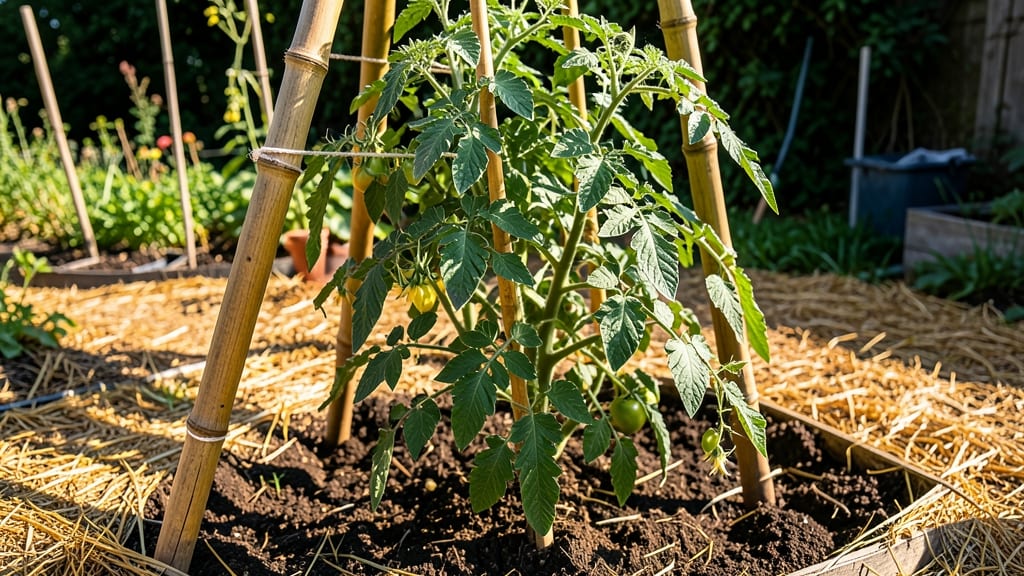
Growing Jersey tomato plants unlocks a flavor explosion that store-bought tomatoes can’t match. 🌱 These compact, high-yielding varieties thrive in warm climates and deliver sweet, meaty fruit perfect for slicing or sauces.
My first Jersey plants produced 20 pounds in just 80 days—far more than my previous attempts with larger varieties. The secret lies in their bushy growth habit and disease resistance, making them ideal for small spaces or containers. You’ll need well-draining soil, consistent moisture, and morning sun—no fancy equipment required.
Even beginners can master this, as Jersey tomatoes forgive occasional watering mistakes better than most. Once established, these plants reward you with prolonged harvests and fewer pests. The flavor? Rich, complex, and slightly tangy—like a sun-warmed summer in every bite. With proper care, you’ll harvest for months, not weeks.
Perfect for urban gardens, balconies, or side yards. Let’s get those plants growing!
📚 In This Guide
- What you need
- Instructions
- Tips and common mistakes
- Wrapping up and next steps
What you need
- ● Jersey tomato seeds or seedlings: 3–5 plants (for a small garden) or 6+ (for larger harvests). Choose disease-resistant varieties if your area has common tomato pests.
- ● Companion plants: Basil (1–2 plants per tomato)
- ● Marigolds (3–5 plants to deter pests)
- ● Bush beans or peas (for nitrogen fixation)
- ● Onions or garlic (to repel pests naturally)
- ● Garden soil or potting mix: Well-draining, nutrient-rich soil (amend with compost for optimal growth).
- ● Containers or garden bed: At least 12–18 inches deep (tomatoes need space!). For containers, use 5-gallon pots or larger.
- ● Fertilizer: Balanced 10-10-10 or organic options like compost tea or worm castings.
- ● Tomato cages or stakes: 4–6 feet tall to support vining Jersey varieties.
- ● Gloves and gardening shears (for pruning and harvesting).
- ● Watering can or hose with a gentle spray nozzle (tomatoes hate soggy roots!).
- ● Mulch (straw or shredded leaves) to retain moisture and suppress weeds.
- ○ pH test kit (optional but helpful—Jersey tomatoes thrive in slightly acidic soil, pH 6.0–6.8).
- ○ Row covers or netting (optional, for early-season frost protection).
Step-by-Step instructions for planting and cultivating Jersey tomato plants
Here's my foolproof method for coaxing robust Jersey tomato plants into prolific producers—tested across multiple seasons.
🌱 Step 1: Select the Perfect Planting Site and Prepare Soil
Jersey tomatoes thrive in full sun with 6-8 hours of direct light daily. Choose a location sheltered from strong winds, as their indeterminate vines can snap easily. I always test soil pH first—Jersey tomatoes prefer a slightly acidic range of 6.0-6.8.
Amend the soil with 2-3 inches of compost mixed into the top 12 inches of soil. This improves drainage while retaining moisture—Jersey tomatoes hate soggy roots but need consistent hydration. Work in a balanced 10-10-10 fertilizer at planting time to give them a nutrient boost without burning tender roots.
🪴 Step 2: Plant with Proper Spacing and Support
Set each Jersey tomato plant 2-3 feet apart in rows spaced 3-4 feet apart. Their vigorous vines need room to sprawl without competing for sunlight. I bury the stem slightly deeper than the transplant's root flare—this encourages stronger root development along the buried stem.
Install a 6-foot tall tomato cage or sturdy stakes at planting time. Jersey tomatoes grow 6-8 feet tall, and their fruit weight can topple unsupported plants. Secure the cage immediately to avoid disturbing roots later. Water deeply after planting to settle soil around the roots and remove any air pockets.
☀️ Step 3: Maintain Consistent Watering and Fertilization
Water at the base 1-2 inches per week, aiming for deep, infrequent watering rather than light daily sprinkles. Jersey tomatoes develop blossom-end rot when moisture fluctuates—always keep soil evenly damp. I water in the morning so foliage dries quickly, reducing disease risk.
Feed every 2-3 weeks with a low-nitrogen fertilizer (like 5-10-10) to promote flowering and fruiting. Stop fertilizing 4-6 weeks before harvest to allow flavors to concentrate. Prune suckers regularly—those little shoots in the leaf axils—so the plant directs energy to fruit production rather than foliage.
✂️ Step 4: Prune and Train for Maximum Yield
Remove any leaves touching the soil to prevent disease. Jersey tomatoes are particularly susceptible to early blight, so good airflow is critical. I also prune lower leaves as the plant grows taller, focusing sunlight on the fruit clusters rather than the foliage.
Train the main stem to grow vertically through the cage or along the trellis. Remove any competing side shoots that form below the first flower cluster—these suckers drain energy from fruit production. Leave the remaining suckers if you want bushier plants, but you'll sacrifice some yield.
🍅 Step 5: Harvest and Extend the Season
Pick tomatoes when they reach full color and slightly soften to the touch. Jersey tomatoes ripen unevenly, so check clusters every 2-3 days during peak season. Harvesting regularly encourages more flowers to set fruit—don't let tomatoes linger on the vine past maturity.
As temperatures drop, protect plants with row covers or move containers indoors to a sunny window. Jersey tomatoes can produce into fall with proper care, though yields will taper off. Save seeds from your best tomatoes for next year's garden—Jersey varieties often improve with each generation.
Tips & tricks for perfect Jersey tomato cultivation
These battle-tested strategies will help you coax the most flavorful harvests from your Jersey tomato plants—no matter your growing experience.
Sunlight Optimization: While Jersey tomatoes need that full sun, don't assume morning light equals evening light. Position your plants to receive direct sunlight for at least 6-8 hours daily, but prioritize the afternoon sun (2 PM to 6 PM) when temperatures are slightly cooler. This prevents heat stress that can cause blossom drop. I've found that rotating containers weekly helps ensure even sun exposure all around the plant.
Soil Preparation Secret: The 2-3 inches of compost we mix into the top 12 inches of soil isn't just about nutrients—it's about creating the perfect sponge-like texture. For heavier clay soils, add an extra inch of compost and mix in perlite to improve drainage. In sandy soils, incorporate peat moss to help retain moisture. I always test soil moisture after watering: if it stays damp at 2 inches down, you're golden.
Support System Strategy: When installing your 6-foot tall tomato cages, drive them in at a slight angle (about 15 degrees) rather than straight up. This creates a more stable base that won't topple when laden with fruit. For windy areas, consider using two cages per plant or adding guy wires for extra support. I've seen Jersey tomatoes reach 8 feet tall—proper support prevents snapped stems that can ruin an entire season's yield.
Pruning Precision: In Step 4, when removing leaves touching the soil, don't just cut them off—snip them at a 45-degree angle about 1/4 inch above the stem. This prevents water from pooling on the stem, which can lead to disease. For the main stem training, leave just one strong sucker above each flower cluster to encourage branching. This creates more fruit-bearing zones while maintaining good airflow.
Pro Tips for Jersey Tomato Plants
- These battle-tested strategies will help you coax the most flavorful harvests from your Jersey tomato plants—no matter your growing experience.
- Sunlight Optimization: While Jersey tomatoes need that full sun, don't assume morning light equals evening light.
- Soil Preparation Secret: The 2-3 inches of compost we mix into the top 12 inches of soil isn't just about nutrients—it's about creating the perfect sponge-like texture.
Frequently asked questions
Got questions about growing jersey tomato plants? You're not alone! Here are some of the most common queries—and their answers—to help you cultivate a thriving garden.
How long does it take for jersey tomato plants to produce fruit?
Jersey tomato plants typically take 60–85 days from transplanting to harvest, depending on your climate and growing conditions. If you start seeds indoors 6–8 weeks early, you can enjoy an earlier harvest. Patience pays off—these plants reward you with sweet, flavorful tomatoes!
What’s the best temperature range for growing jersey tomato plants?
Jersey tomatoes thrive in warm temperatures between 70–85°F (21–29°C) during the day and 55–65°F (13–18°C) at night. Avoid planting too early when soil temps are below 50°F (10°C)
Keep an eye out for aphids, hornworms, and whiteflies—they love munching on leaves! Blight (early and late) and powdery mildew are also common. To prevent issues, rotate crops yearly, water at the base (not leaves), and remove diseased foliage immediately. Neem oil or insecticidal soap can help ward off pests naturally. Jersey tomatoes adapt well to containers at least 5 gallons in size, especially if you’re using dwarf or determinate varieties. Ensure pots have drainage holes and use a lightweight potting mix. Place containers in a sunny spot (6+ hours of light daily) and stake or cage them for support as they grow. Prune your jersey tomatoes early in the morning to reduce stress. Remove suckers (side shoots) when they’re small (about 2–3 inches long) to redirect energy to fruit production. Avoid heavy pruning late in the season, as it can stunt growth. Always use clean, sharp shears to prevent disease spread. What pests or diseases commonly affect jersey tomato plants?
Can I grow jersey tomatoes in containers, or do they need a garden bed?
When is the best time to prune jersey tomato plants?
Wrapping up and next steps
Growing jersey tomato plants alongside the right companions isn’t just smart—it’s a game-changer for your garden! 🌱 With the perfect pairings, you’ll enjoy healthier vines, fewer pests, and a bounty of juicy, flavorful tomatoes.
Whether you’re a seasoned gardener or just starting, these partnerships make the process easier and more rewarding.
Ready to put it into action? Start small, experiment with a few companion plants, and watch your tomato harvest thrive! Happy gardening! 🌿