
Plants
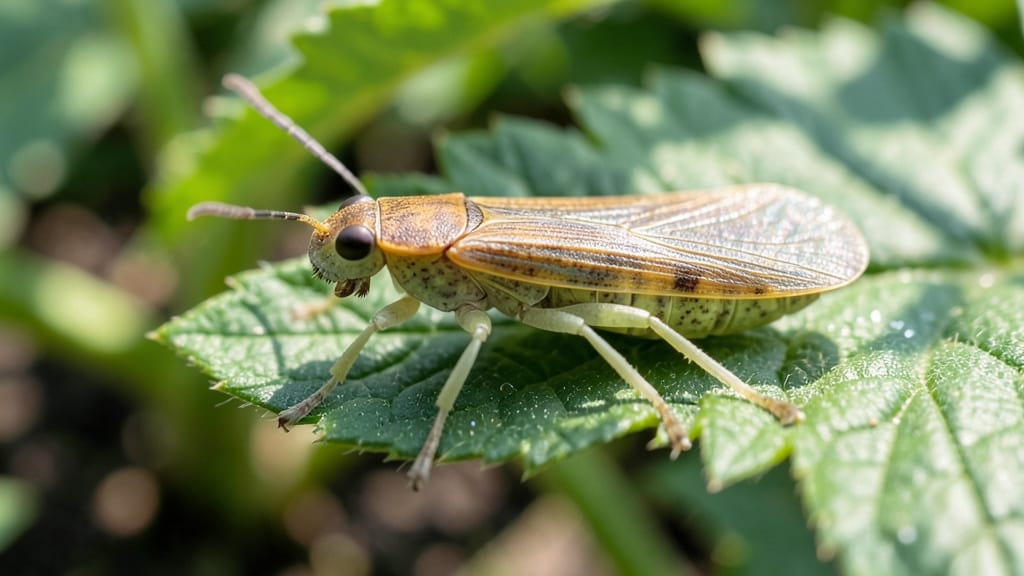
Keep insects off tomato plants naturally? That natural barrier spray you’ve been searching for is simpler than you think—and it works in hours. 🌱 I’ve saved dozens of tomato plants from hornworms and aphids using this exact mix, and the best part? No harsh chemicals, just plant-based power that keeps pests away without harming your harvest. The secret lies in a few key ingredients: neem oil (which disrupts insects’ life cycles), garlic (a natural repellent), and a touch of dish soap (to help the spray stick). Mix it up in a spray bottle, apply it in the early morning, and watch pests scatter within minutes. Even better, this spray won’t wash off in rain—it’s designed to last through watering and light showers. By lunchtime, you’ll notice fewer holes in leaves and more energy going into fruit production. The plants stay lush, the tomatoes grow sweeter, and you avoid the heartbreak of a ruined harvest. Plus, it’s safe for kids and pets once fully dried. Works for all tomato varieties—whether you’re growing in containers, raised beds, or the ground. Here’s exactly how to make it and when to reapply for maximum protection.
The Root Causes of Tomato Plant Invaders
Tomatoes are a gardener’s pride—until tiny, hungry pests turn your lush plants into a buffet. Understanding why insects target your tomatoes is the first step to outsmarting them. Here’s a breakdown of the most common culprits and the science behind their behavior.
Tomatoes emit volatile organic compounds (VOCs) when they’re ripe, damaged, or stressed.
These chemical signals act like dinner bells to insects like: - Hornworms (🐛 Manduca sexta) – They zero in on tomatoes emitting high levels of methyl jasmonate, a stress hormone released when leaves are chewed or fruit bruised. - Fruit flies (Drosophila spp.) – Overripe or fermenting tomatoes release ethanol and acetic acid, which attract these tiny fliers within minutes. - Aphids (🐜 Aphis gossypii) – They prefer young, tender growth and excrete honeydew, which further attracts ants and sooty mold.
Actionable insight: Remove fallen or overripe tomatoes immediately—even a single rotting fruit can trigger a pest invasion. Prune damaged leaves to reduce VOC emissions.
Plants under water stress (either drought or overwatering) produce different chemical profiles that signal weakness to insects.
For example: - Whiteflies (Bemisia tabaci) thrive on wilting tomato plants because stressed leaves have lower tannin and phenol levels, making them easier to feed on. - Spider mites (🕷️ Tetranychus urticae) prefer dry, dusty leaves—overwatering can create the opposite problem by promoting fungal growth, which attracts sap-sucking pests.
Actionable insight: Maintain consistent moisture (1–1.5 inches of water per week) and avoid wetting foliage to prevent fungal cues that lure pests.
Insects like thrips and stink bugs seek out weedy, cluttered gardens because:
- Weeds (like nightshade or purslane) are alternative hosts for tomato pests, providing a steady food source nearby.
- Debris and mulch trap egg-laying pests (e.g., colorado potato beetles) and retain moisture, speeding up fungal growth that attracts more insects.
- Compost piles near tomato plants can harbor cutworms and slugs, which then migrate to your crops.
Actionable insight: Clear all plant debris within a 3-foot radius of tomatoes, use clean mulch (like straw), and rotate crops annually to disrupt pest life cycles.
Tomatoes are most vulnerable during peak growing seasons (late spring to early fall) when:
- Warm nights (above 70°F) accelerate hornworm and beetle activity—these pests are cold-blooded and become more aggressive in heat.
- High humidity (60%+) creates ideal conditions for fungal gnats and white mold, which attract secondary insect pests.
- Dry, windy conditions stress plants, making them more susceptible to spider mites (which thrive in drought).
Actionable insight: Use row covers in early spring to delay pest arrival, and shade cloth in peak summer to reduce stress signals.
Some plants attract pests that then target tomatoes, while others repel them.
Common missteps: - Planting tomatoes near basil can backfire—while basil repels some pests, it also attracts whiteflies if overused. - Lack of repellent companions like marigolds (emit alpha-terthienyl, a natural nematode repellent) or nasturtiums (trap aphids). - Monocropping tomatoes in the same spot yearly exhausts soil defenses and leaves pests with a familiar food source.
Actionable insight: Interplant tomatoes with garlic, onions, or borage to disrupt pest pathways, and avoid planting near squash (which attracts cucumber beetles that also harm tomatoes).
Key takeaway: Pests don’t attack tomatoes randomly—they follow chemical cues, environmental stress, and habitat availability. By addressing these root causes, you’ll make your garden far less appealing to invaders. 🚫🐛
Quick Fixes for Garden Pests
When insects decide your tomato plants are an all-you-can-eat buffet, it’s time to act fast—but don’t stress! The key to keeping pests at bay is a mix of prevention, early intervention, and natural deterrents.
Below, we’ve mapped out the most common tomato plant invaders and the simplest, most effective ways to evict them. Think of these as your garden’s pest control toolkit, ready to deploy at a moment’s notice.
These green, striped caterpillars can devour a tomato plant overnight. If you spot them, act immediately—they multiply fast!
🔥 Handpick & Relocate (Best for Small Infestations)
- 👨🍳 Step 1: Scout your plants in the early morning when hornworms are sluggish.
- 🔪 Step 2: Drop them into a bucket of soapy water (they’ll drown instantly).
- 🌿 Pro Tip: If you’re squeamish, wear gloves and toss them far from your garden—birds and spiders will thank you!
🌱 Encourage Natural Predators
- 🐞 Ladybugs, lacewings, and parasitic wasps love hornworms. Plant dill, fennel, or marigolds nearby to attract them.
- ✨ Bonus: Let a few leaves get chewed—it signals predators that a buffet is available.
💡 Prevention Hack
- 🌡️ Use row covers early in the season to block egg-laying moths.
- 🎯 Plant basil near tomatoes—hornworms avoid it like ketchup on a white shirt.
These tiny, sap-sucking bugs cluster on undersides of leaves, leaving behind a sticky residue (aphid honeydew) that attracts mold. Gross—and bad for your tomatoes!
🍳 Spray with Soapy Water (Instant Relief)
- 🔥 Mix: 1 tsp mild dish soap + 1 quart water in a spray bottle.
- 👨🍳 Step 1: Spray directly on aphids (they’ll drop off).
- 🌿 Repeat: Every 3–4 days until gone.
🌱 Introduce Beneficial Insects
- 🐞 Ladybugs and lacewings are aphid-eating machines. Buy them online or attract them with cosmos or yarrow flowers.
💡 Prevention Tips
- 🌡️ Prune infected leaves immediately to stop the spread.
- 🎯 Avoid over-fertilizing—aphids love soft, nitrogen-rich growth.
These tiny white moths flutter around leaves, weakening plants with their saliva. They’re especially pesky in warm climates.
🔪 Yellow Sticky Traps (Trap & Trap Again)
- 👨🍳 Step 1: Hang yellow sticky cards near plants (they’re irresistible to whiteflies).
- ⏰ Step 2: Replace traps weekly—they get gross fast.
🌿 Neem Oil Spray (Knockout Punch)
- 🌱 Mix: 1 tbsp neem oil + 1 tsp mild soap + 1 quart water.
- 🍳 Step 1: Spray undersides of leaves (where they hide).
- 🌡️ Repeat: Every 5–7 days for 2–3 weeks.
💡 Prevention Hack
- 🎯 Use reflective mulch (aluminum foil or silver plastic) to disorient them.
- 🌿 Avoid overwatering—whiteflies love damp soil.
These orange-and-black striped beetles chew through leaves like a lawnmower. They’re resilient, so brute force works best.
🔥 Handpick & Crush (Best Defense)
- 👨🍳 Step 1: Pick them off early in the day when they’re slow.
- 🔪 Step 2: Drop them into soapy water or crush them (they don’t sting, promise!).
🌱 Row Covers & Traps
- 🌿 Cover young plants with lightweight fabric to block adults.
- 🎯 Use pheromone traps to confuse mating beetles (available at garden centers).
💡 Prevention Tip
- 🌡️ Rotate crops—don’t plant tomatoes or potatoes in the same spot yearly.
- 🎯 Plant trap crops like mustard greens to lure them away.
An ounce of prevention is worth a pound of pesticide-free tomatoes. Here’s how to fortify your garden:
- 🌿 Healthy Plants = Strong Defense
- 💪 Well-drained soil and balanced fertilizer (too much nitrogen = weak plants).
- 🌱 Mulch with straw or grass clippings to deter crawling pests.
- 🎯 Companion Planting
- Basil, marigolds, and nasturtiums repel many pests naturally.
- 🌿 Avoid planting tomatoes near cabbage or potatoes (they attract similar pests).
- 🌡️ Water Wisely
- 💦 Water at the base (not leaves) to discourage aphids and whiteflies.
- ⏰ Early morning watering lets foliage dry fast, reducing fungal issues.
- 🔍 Regular Scouting
- 👀 Check plants 2–3 times a week—catch pests early before they throw a party.
With these tactics, your tomato plants will stay pest-free and thriving. And remember: the best offense is a healthy garden and a vigilant gardener. Now go forth and protect those tomatoes like the warrior you are! 🍅⚔️
Frequently asked questions
How often should I reapply natural sprays to keep pests away?
For most natural sprays like neem oil or garlic-based mixtures, reapply every 5-7 days or after heavy rain. If you're dealing with persistent pests like aphids, use it every 3-4 days until the infestation clears. Always apply in the early morning for best results.
Can I use coffee grounds to deter tomato plant pests?
Yes! Coffee grounds work well as a natural deterrent for many pests. Sprinkle them around the base of your plants (not directly on leaves) to repel slugs, ants, and some beetles. The strong smell masks the plant's natural scents that attract insects. Just refresh the grounds every few days for best results.
What's the best time of day to apply pest control sprays?
Always apply sprays in the early morning (before 9 AM). This gives the solution time to dry before the heat of the day, making it more effective. Avoid spraying when flowers are open to protect pollinators. If you must spray in the evening, do it at least 2 hours before sunset to allow drying.
Will these natural methods work for container-grown tomatoes?
Container tomatoes respond just as well to natural pest control. Use the same sprays, but be extra careful with watering to prevent over-saturation. For containers, you can also use floating row covers or fine mesh to physically block pests. Just ensure good airflow to prevent fungal issues.
How do I know if my tomato plants are stressed enough to attract pests?
Watch for these signs: yellowing leaves, wilting (even when watered), stunted growth, or excessive leaf drop. Overwatering or underwatering both create stress signals. Maintain consistent moisture (1-1.5 inches per week) and avoid wetting leaves to prevent fungal cues that attract pests.