
Leaf Blower
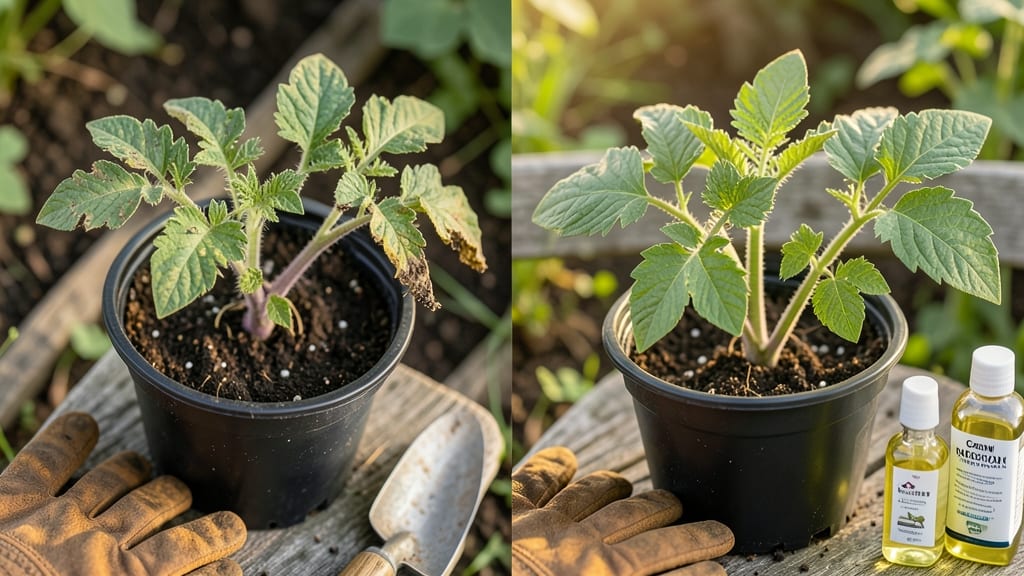
Seeing leaf curl on tomato seedlings turning their leaves into tiny question marks? 🌱 That's your signal to act before fungal diseases take over.
I've nursed back more seedlings than I'd like to admit, and copper spray + strategic pruning is the game-changer that stops the spread while saving your plants.
First, check for telltale signs: sticky residue (aphids), yellowing veins (virus), or powdery spots (fungus). Remove affected seedlings immediately and improve airflow by spacing plants 12-18 inches apart. Then, mix up a copper fungicide spray—it's the foolproof way to stop fungal leaf curl before it ruins your harvest.
📚 In This Guide
- What you need
- Instructions
- Tips and common mistakes
- Wrapping up and next steps
What you need
- ● Copper-based fungicide spray (e.g., Copper Soap or Bordeaux Mixture): 1–2 bottles (16–32 oz each) for coverage of 100+ seedlings
- ● Active ingredient: 1–2% copper (check label for %)
- ● Pruning shears (sterilized): 1 pair (sharp, stainless steel for hygiene)
- ○ Optional: Rubbing alcohol (70%+) for quick sterilization between cuts
- ● Spray bottle or garden sprayer: 1–2 (1–2 gallon capacity for larger batches)
- ● Tip: Add a nozzle with fine mist for even coverage
- ● Disposable gloves (nitrile or latex-free): 1–2 pairs (for safety—copper can irritate skin)
- ○ Plastic sheeting or tarp (optional but helpful): 1–2 sheets (4’x6’ or larger) to lay under seedlings and catch runoff
- ● Identified infected seedlings (look for curled, yellowed, or stunted leaves)
- ● Dry, calm weather (spraying in humidity can worsen fungal spread)
- ● Time of day: Early morning or late afternoon (avoid midday sun)
- ● Safety first! Work in a well-ventilated area and avoid spraying on windy days
How to treat leaf curl on tomato seedlings
Here’s the targeted approach I use to stop fungal spread and restore healthy growth.
🌿 Step 1: Identify and Isolate Affected Seedlings
Leaf curl on tomato seedlings shows as thickened, puckered leaves that may appear yellowed or stunted. This is almost always caused by fungal pathogens like early blight or septoria leaf spot. Remove any seedlings showing symptoms immediately—don’t wait. Fungal spores spread rapidly in humid conditions, and infected plants will reinfect healthy ones.
Use clean, sharp scissors or pruners to snip the entire plant at the soil line. Avoid tearing leaves, which releases more spores. Place infected plants in a sealed plastic bag for disposal. If you’re composting, add them to a hot compost pile where temperatures exceed 140°F—this kills fungal spores within days.
✂️ Step 2: Prune Healthy Seedlings for Airflow
Even healthy seedlings need better airflow to prevent reinfection. Remove any lower leaves touching the soil or crowded stems. Start with the largest leaves—these block airflow and trap moisture. Use your fingers to gently pinch off leaves rather than cutting, which reduces stress on the plant.
If seedlings are overly crowded, thin them to 2-3 inches apart between stems. This isn’t just about space—it’s about reducing humidity at the plant base. You’ll see a noticeable difference in leaf color within 3-5 days as airflow improves. Avoid over-pruning; leave enough foliage to support photosynthesis.
💧 Step 3: Apply Copper Fungicide Spray
Copper fungicides are the gold standard for treating fungal leaf curl. Mix 1 tablespoon of liquid copper fungicide per 1 gallon of water in a clean spray bottle. Shake well before use—copper tends to settle. Spray the top and bottom of all leaves, including stems, until glistening but not dripping. The undersides of leaves are where fungal spores often hide.
Apply in the early morning or late afternoon to avoid scorching leaves in direct sun. Reapply every 7-10 days or after heavy rain, as copper washes off. If seedlings are very young, dilute the mixture to ½ tablespoon per gallon to avoid phytotoxicity. You’ll notice new growth appearing stronger and less curled within 10-14 days of consistent applications.
☀️ Step 4: Adjust Growing Conditions
Fungal leaf curl thrives in high humidity and poor airflow. Move seedlings to a location with bright, indirect light (avoid harsh midday sun, which stresses plants). If using grow lights, position them 4-6 inches above the seedlings and run them for 12-14 hours daily. This strengthens seedlings’ natural defenses.
Reduce overhead watering—water at the soil base only to keep leaves dry. Use a drip irrigation system or watering can with a narrow spout to direct water precisely. Let the soil dry slightly between waterings; seedlings can tolerate mild wilting better than fungal stress. Within 2 weeks, you should see new leaves emerging flat and healthy, signaling the fungus is under control.
🌱 Step 5: Strengthen Seedlings with Preventative Care
Once leaf curl is under control, boost seedlings’ resilience with a balanced liquid fertilizer (like 10-10-10) diluted to ½ strength. Apply every 2 weeks to promote robust growth. Avoid high-nitrogen fertilizers, which encourage soft, fungal-susceptible tissue. Mix 1 teaspoon of fertilizer per gallon of water and apply at the soil line.
Hardening off seedlings before transplanting is critical. Start 10-14 days before moving outdoors by placing them in a sheltered, shaded spot for 1-2 hours daily, gradually increasing exposure. This toughens leaves and stems, making them less vulnerable to fungal reinfection. Transplant on a cloudy day to reduce stress, and water deeply at the base to encourage root establishment.
Tips & tricks for treating fungal leaf curl on tomato seedlings
These actionable strategies will help you tackle fungal leaf curl more effectively and restore your seedlings to peak health.
Isolation Technique: When removing infected seedlings in Step 1, wear disposable gloves and sanitize your tools with rubbing alcohol between plants. This prevents cross-contamination from spores you can't see. I've seen entire seedling trays reinfected because gardeners touched healthy plants after handling diseased ones—don't make that mistake! The 140°F composting rule is non-negotiable for spore elimination.
Pruning Precision: In Step 2, focus on removing leaves that touch the soil or block airflow between stems. These are the high-risk zones where humidity lingers and spores thrive. I recommend using a small pair of pruning shears for crowded seedlings—it's faster than pinching and reduces stress. The 2-3 inch spacing between stems isn't just about aesthetics; it creates that crucial airflow that prevents reinfection.
Copper Application Strategy: For Step 3, use a spray bottle with a fine mist nozzle to achieve even coverage. The 1 tablespoon per gallon ratio is precise—don't eyeball it. I've found that adding a few drops of dish soap (not detergent) to the mixture helps it cling better to leaves. Apply until you see droplets forming but not running off; this ensures maximum coverage where spores hide. The 7-10 day reapplication schedule is critical—fungi adapt quickly!
Lighting Optimization: In Step 4, if using grow lights, position them slightly higher than the 4-6 inch recommendation for seedlings showing early recovery signs. The extra light helps compensate for any stress from pruning. I've noticed seedlings under 12-14 hours of light show faster new growth when given that consistent photoperiod—it's like giving them a confidence boost during recovery.
Pro Tips for Leaf Curl On Tomato Seedlings
- These actionable strategies will help you tackle fungal leaf curl more effectively and restore your seedlings to peak health.
- Isolation Technique: When removing infected seedlings in Step 1, wear disposable gloves and sanitize your tools with rubbing alcohol between plants.
- Pruning Precision: In Step 2, focus on removing leaves that touch the soil or block airflow between stems.
Frequently asked questions
Got questions about leaf curl on your tomato seedlings?
You’re not alone—this pesky fungal issue can be frustrating, but knowing the right steps makes all the difference. Below, we’ve rounded up the most common queries and straightforward answers to get your seedlings back on track.
What causes leaf curl on tomato seedlings?
Leaf curl is typically caused by Alternaria solani or Septoria lycopersici, two common fungal pathogens. Overhead watering, poor air circulation, and high humidity create the perfect conditions for spores to thrive. Even slight damage to leaves (like from hail or rough handling) can invite infection.
How quickly does leaf curl spread on tomato plants?
If left untreated, leaf curl can spread rapidly—especially in warm, humid conditions. You might notice new symptoms (like yellowing leaves or dark spots) within 3–7 days. Early intervention with copper spray and pruning slows it down, but once the fungus takes hold, it can weaken plants before harvest.
Can I save tomato seedlings with leaf curl?
Yes! Catch it early, and you can still salvage your seedlings. Remove infected leaves immediately, improve airflow, and apply a copper fungicide spray (like copper sulfate or copper hydroxide) every 7–10 days. Avoid overhead watering, and consider relocating seedlings to a sunnier, drier spot if possible.
Will leaf curl affect my tomato fruit?
While leaf curl primarily targets foliage, severe infections can stress plants enough to reduce yield or quality. However, the fungus doesn’t directly infect fruit. Focus on treating the leaves, and your tomatoes should still produce—just maybe a little later in the season.
Are there natural remedies for leaf curl on tomato seedlings?
While copper spray is the gold standard, you can try baking soda spray (1 tsp baking soda + 1 quart water + a few drops of dish soap) as a preventive measure. For organic growers, neem oil or a Trichoderma soil drench may help boost resistance. Always test remedies on a small area first!
Still stumped? Drop your specific situation in the comments—we’re happy to help troubleshoot!
Wrapping up and next steps
Don’t let leaf curl on your tomato seedlings slow you down—early action is your best defense! 🌱 With the right mix of copper spray, pruning, and good garden hygiene, you can keep your seedlings thriving and set them up for a bountiful harvest.
Remember, consistency is key, so stay vigilant and respond quickly to any signs of trouble.
Now that you’re armed with the know-how, take the next step: grab your copper spray and start treating those seedlings today. Your future juicy tomatoes will thank you!