
Companion Plants
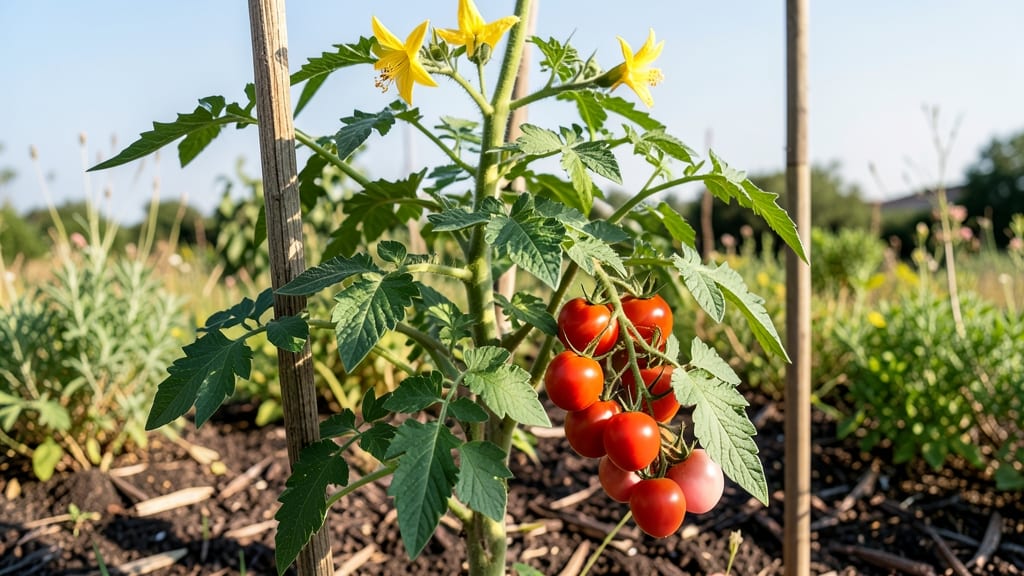
Tomato plants need direct sun to thrive and produce the juicy, flavorful fruit you love—at least 6 to 8 hours daily in full, unfiltered light. Without it, your plants might survive, but they’ll struggle to set fruit, leaving you with weak vines and bitter, underdeveloped tomatoes.
If your 🍅 plants are stretching toward the sky or producing tiny, pale fruit, your light setup could be the problem. Sunlight isn’t just a preference for tomatoes—it’s the fuel that drives their growth, flowering, and fruiting.
Skimp on it, and you’ll end up with disappointed harvests, no matter how much you water or fertilize.
But here’s the good news: even if your garden isn’t bathed in sunlight, there are ways to optimize growth. From choosing the right varieties for partial shade to strategically placing your plants, I’ll show you how to maximize fruit production—no matter your light conditions.
You’ll also learn how to spot the signs of sun deficiency early, fix common mistakes, and even supplement light if needed. Let’s get those tomatoes growing strong!

How many hours of direct sun tomato plants truly need (and why)
Tomatoes are sun-worshippers, and their fruit production hinges on 6-8 hours of direct sunlight daily. Without enough light, you’ll end up with small, bitter, or poorly colored tomatoes—or worse, no fruit at all.
The minimum for survival is 4-6 hours, but this won’t yield a bountiful harvest. Understanding your tomato variety’s needs is the first step to success.
Not all tomatoes are created equal when it comes to sunlight. Indeterminate varieties (like 'Sungold' or 'Brandywine') thrive with full sun exposure and can produce fruit all season long. Determinate varieties (like 'Roma' or 'Celebrity') are slightly more forgiving but still need at least 6 hours of direct light to set fruit properly.
Skimping on sunlight can leave you with stunted plants and sparse yields.
| Tomato Type | Sunlight Needs | Fruit Quality Impact | Best For |
|---|---|---|---|
| Indeterminate (e.g., 'Cherry Tomatoes', 'Beefsteak') | 6-8+ hours | Large, sweet fruit; continuous harvest | Trellises, cages, long seasons |
| Determinate (e.g., 'Roma', 'Celebrity') | 6-7 hours | Compact bushes; single harvest | Containers, small spaces |
| Heirloom (e.g., 'Brandywine', 'Black Krim') | 7-8+ hours | Flavor development; large fruit | Sunniest garden spots |
| Dwarf/Compact (e.g., 'Tiny Tim', 'Patio') | 5-6 hours (minimum) | Smaller fruit; slower growth | Balconies, partial shade |
Seasonal adjustments are critical, especially in regions with long summer days or short winter light. In summer, tomatoes can handle up to 12 hours of sunlight if properly watered, but afternoon shade (especially in hot climates) prevents sunburn.
In cooler months, extend light exposure with reflective surfaces (like white walls) or grow lights to maintain 6+ hours of direct light.
Most gardeners overestimate shade tolerance by assuming dappled light counts as direct sun. Partial shade (3-6 hours of sun) will still produce tomatoes, but they’ll be smaller, fewer, and less flavorful.
To measure sunlight accurately, use a sunlight tracker app or place a white board in your garden for a week—mark the shaded areas to identify true sun exposure.
If your garden only offers 4-5 hours of sun, choose compact or dwarf varieties and supplement with LED grow lights (12-14 hours daily). For 6+ hours of sun, indeterminate varieties will reward you with continuous harvests all season.
Avoid planting tomatoes in north-facing beds or under dense tree canopies, as these spots rarely provide enough light.
Even with perfect sunlight, poor soil fertility or overcrowding can mask sun deficiency. Ensure your tomatoes have well-draining, nutrient-rich soil and 18-24 inches of space between plants. Prune suckers and lower leaves to maximize airflow and light penetration to the fruit.
A healthy tomato plant in full sun is a fruit-producing machine—but skip the sunlight, and you’re just growing foliage.
Pro tip: Morning sun is more valuable than afternoon sun for tomatoes. Cooler morning light helps prevent blossom drop (when flowers fall off without setting fruit), while intense afternoon heat can stress plants. If your garden lacks morning sun, consider east-facing beds or artificial lighting to bridge the gap.
When in doubt, observe your tomatoes. Stems growing toward light, leaves turning yellow, or fruit staying green are clear signs of insufficient sunlight. Adjust your planting plan now—your next harvest depends on it! ☀️🌱
Signs your tomato plants aren’t getting enough sun (and how to fix it)
If your tomato plants are stretching tall and thin like they’re reaching for the sky, that’s your first clue: they’re starving for direct sunlight. This sun deficiency isn’t just about weak stems—it directly impacts fruit production.
Without enough light, your plants won’t set flowers, and if they do, the tomatoes will be small, pale, and often bitter. Even worse, they might drop flowers entirely, leaving you with no harvest at all.
I’ve seen gardeners assume their plants are fine because they’re still green, but yellowing leaves, especially on the lower stems, are a classic sign of insufficient light. The plant is essentially telling you it’s struggling to photosynthesize efficiently.
Another red flag? Pale or leggy growth—those long, weak stems are the plant’s desperate attempt to find more light. And if your tomatoes are underdeveloped or stay green long after they should ripen, your light conditions are likely the culprit.
🚨
Yes—absolutely. Tomato plants require 6-8 hours of direct sunlight daily for optimal growth and fruiting. Without it, they’ll struggle to produce flowers, set fruit, or develop flavorful tomatoes. Even partial shade (less than 4 hours of direct sun) can lead to weak plants and poor yields.
Fix it now: Move plants to sunnier spots, prune nearby shade sources, or supplement with grow lights (12-14 hours/day for indoor plants).
One of the first fixes I recommend is pruning nearby plants or structures that might be blocking sunlight. Tall trees, fences, or even overgrown shrubs can cast unexpected shade. If you’re growing tomatoes in containers, consider moving them to a sunnier spot on your patio or balcony.
Even a few extra hours of light can make a dramatic difference in fruit production.
For gardeners with limited sunlight, grow lights can be a game-changer. LED grow lights designed for vegetables can supplement natural light, especially in early mornings or late afternoons. Place them about 6-12 inches above the plants and run them for 12-14 hours daily to mimic full sun conditions.
This is particularly helpful for indoor gardening or urban balconies where sunlight is scarce.
Another trick I’ve used with success is adjusting trellis placement. If your trellis is casting shade onto the lower leaves, tilt it or reposition it to allow sunlight to reach all parts of the plant.
Even small adjustments can improve airflow and light exposure, reducing the risk of disease and improving fruit development. And if your tomatoes are flowering but not setting fruit, a boost of sunlight (or even a gentle shake to help pollination) can encourage more tomatoes to form.
Finally, if your plants are already showing signs of sun deficiency, don’t panic—it’s never too late to fix the issue. Start by fertilizing with a balanced NPK (5-10-10) to give them a growth boost, and ensure they’re well-watered but not soggy.
With more light and proper care, your tomato plants can bounce back and still produce a plentiful harvest later in the season.