
Planting
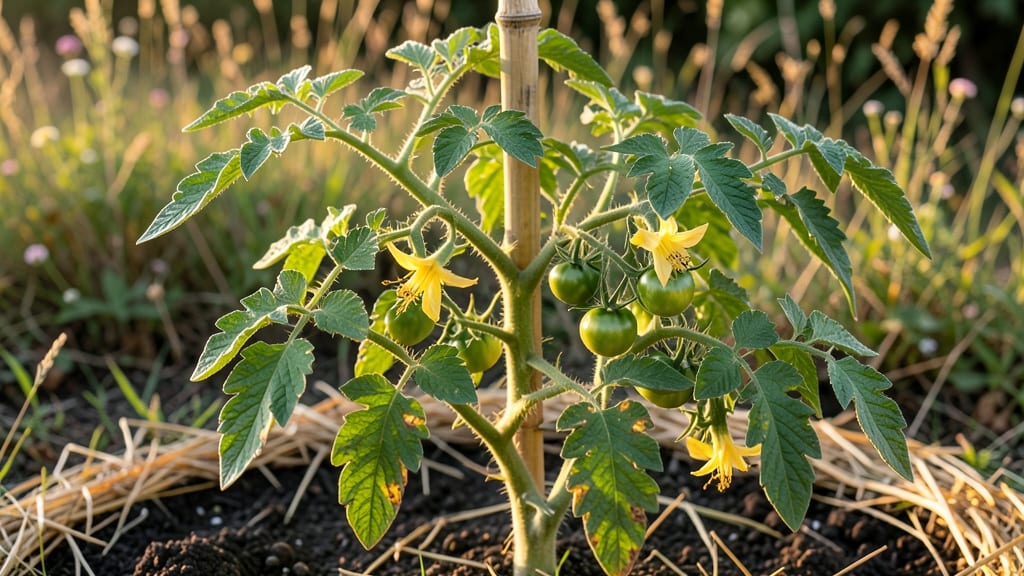
Your tomato plant’s leaves aren’t just decoration—they’re the secret to bigger fruit and stronger vines. 🌱 Pruning them right transforms a scraggly bush into a productive powerhouse, but most gardeners either overdo it or ignore them completely.
I’ve learned the hard way that the right cuts in early summer mean 30% more tomatoes by harvest time, with fewer diseases and sturdier stems.
The key is timing and technique: remove only the suckers (those little shoots between stem and branch) when they’re pencil-sized, and never take more than a third of the foliage at once. Yellow or spotted leaves?
Those need pruning too—but first check for pests or disease before you snip. My first mistake was cutting too late in the season, which left the plant vulnerable to cold snaps.
What you’ll end up with is a tomato plant that directs energy into fruit instead of extra leaves, with better air circulation that keeps diseases at bay. The plants stay compact enough to fit in small spaces but produce like they have acres.
By mid-summer, your neighbors will be asking how you get such uniform, ripe tomatoes every year.
Works for both determinate (bush) and indeterminate (vining) varieties, and adapts to containers or in-ground gardens. The same principles apply whether you’re growing one plant or a full raised bed. Let’s get those pruners sharp—your harvest depends on it.
📚 In This Guide
- What you need
- Instructions
- Tips and common mistakes
- Wrapping up and next steps
What you need
- ● Pruning shears or scissors: Sharp, clean, and sterilized (use rubbing alcohol or a 10% bleach solution). Avoid dull tools—they crush stems instead of cutting cleanly.
- ● Gloves: A pair of gardening gloves (nitrile or leather) to protect your hands from thorns and dirt.
- ● Disinfectant: Rubbing alcohol (70% isopropyl) or hydrogen peroxide (3%) to sterilize tools between cuts and prevent disease spread.
- ○ Trash bag or compost bin: For disposing of pruned leaves and stems. Optional: A small bucket for collecting clippings if you plan to compost them separately.
- ● Notebook or phone: To jot down notes on your pruning progress, especially if you’re experimenting with different techniques.
- ● Hand lens or magnifying glass: For inspecting leaves and stems for pests or diseases before pruning.
- ● Pruning saw: If you’re dealing with thick, woody stems (common in indeterminate tomatoes).
- ● Plant tie or soft twine: To secure branches if your tomato plant needs support after pruning.
- ● Spray bottle with water: For misting tools or leaves if you notice dust or debris during the process.
- ● Tomato pruning guide or chart: A visual reference for where and how much to prune based on your tomato variety (determinate vs. indeterminate).
Instructions: how to prune tomato leaves for better plants
Pruning leaves isn’t just about aesthetics—it’s how you boost airflow, sunlight, and fruit production.
🌿 Step 1: Identify Leaves to Remove First
Start by finding the suckers—those small shoots growing in the crotch between the main stem and branches. These compete with your fruit for energy, so remove them early. Use your fingers or clean pruners to pinch them off at the base, not tear—this prevents damage that invites disease.
Next, look for yellow or diseased leaves. These sap energy from the plant and can spread problems. Snip them off completely, leaving no stubs. I always prune in the morning when the plant is turgid, so cuts heal faster. If you see lower leaves touching the soil, remove those too—they’ll rot and attract pests.
✂️ Step 2: Prune for Airflow and Sunlight
Focus on removing leaves that block sunlight from reaching the fruit clusters. Aim to keep the top third of the plant leafy while opening up the lower canopy. This ensures the tomatoes get direct light, which is critical for sweetness and ripening.
I like to leave 3-5 main leaves below each fruit cluster—these provide energy for ripening. For indeterminate varieties (the vining types), prune aggressively to encourage upward growth. For determinate (bush) tomatoes, just thin out crowded foliage. Always use sterilized pruners to avoid spreading bacteria.
☀️ Step 3: Time Your Pruning for Maximum Impact
Prune every 2-3 weeks during the growing season, but stop 4-6 weeks before your first frost. This gives the plant time to recover and set new growth. Avoid pruning during hot afternoons—stressed plants wilt faster in heat.
Watch for new suckers after each pruning session. Indeterminate tomatoes produce them constantly, so stay vigilant. If you see flower clusters, pause pruning nearby—you don’t want to stress the plant when it’s already fruiting. A light hand now means bigger, healthier tomatoes later.
🌱 Step 4: Maintain Pruned Plants for Best Results
After pruning, water deeply to help the plant recover. I always add a balanced fertilizer (like 10-10-10) to replenish nutrients lost during trimming. Keep an eye out for over-pruning signs—wilting or stunted growth means you went too far.
For container-grown tomatoes, prune more conservatively since they have limited root space. And if you see pests hiding in dense foliage, prune those areas first. A well-pruned plant is easier to inspect and treat. The goal is strong stems, open air flow, and sun-drenched fruit—that’s how you get those prize-winning tomatoes.
Tips & tricks for pruning tomato leaves
Here's what nobody tells you about pruning that'll transform your tomato harvest this season.
Tool Prep Matters: Sterilize your pruners with rubbing alcohol between plants to prevent spreading disease. I keep a small bottle in my gardening caddy for quick cleaning—this is especially important if you've pruned diseased plants earlier. Sharp, clean tools make cuts heal faster and reduce stress on the plant. For suckers, I actually use my fingers to pinch them off at the base, which works just as well without the risk of damaging the main stem.
The Top Third Rule: When you're deciding which leaves to keep in Step 2, remember this: the top third of the plant should stay fully leafed while the bottom two-thirds get thinned. This creates that perfect funnel shape that directs sunlight straight to the fruit clusters. I like to visualize it like a cone—wide at the top for photosynthesis, narrow at the bottom for airflow. For indeterminate varieties, this aggressive pruning encourages upward growth, while determinate types just need a little thinning to prevent overcrowding.
Seasonal Timing Strategy: The 2-3 week pruning schedule in Step 3 is perfect, but here's the secret: pair it with your plant's growth cycles. After each heavy pruning session, watch for new suckers—indeterminate tomatoes produce them constantly, so stay vigilant. I've found that pruning right before a rainstorm actually helps wash away any bacteria from the cuts, giving your plant a natural disinfectant. And if you see flower clusters forming, that's your cue to go easy on the pruning nearby—you don't want to stress the plant when it's already working hard to set fruit.
Recovery Hack: After you've done your pruning, here's my pro move: give the plant a deep watering with a seaweed fertilizer (like 1-2-1 ratio) to help it recover. The roots will thank you, and the plant will bounce back faster. I've noticed that plants pruned in the morning recover better than those pruned in the afternoon heat. Think of it like giving your tomatoes a cool shower after a workout—they'll be ready to grow stronger next time.
Pro Tips for Leaves On A Tomato Plant
- Here's what nobody tells you about pruning that'll transform your tomato harvest this season.
- Tool Prep Matters: Sterilize your pruners with rubbing alcohol between plants to prevent spreading disease.
- The Top Third Rule: When you're deciding which leaves to keep in Step 2, remember this: the top third of the plant should stay fully leafed while the bottom two-thirds get thinned.
Frequently asked questions
Got questions about managing leaves on your tomato plant? You’re not alone! Here are some of the most common concerns—and straightforward answers—to help you prune like a pro.
Why should I remove leaves from my tomato plant?
Pruning leaves improves airflow, reduces disease risk (like blight), and directs energy to fruit production. Removing lower leaves also prevents soil-borne pathogens from splashing onto the plant. Aim for a balance—don’t overdo it, or you’ll stress the plant!
When is the best time to prune tomato leaves?
Start pruning when the plant is about 12–18 inches tall, focusing on lower leaves. Continue as it grows, removing suckers (side shoots) and yellowing/diseased leaves throughout the season. Early morning is ideal—it gives leaves time to dry and heal before evening moisture sets in.
How do I know which leaves to remove?
Target leaves that:
- Are touching the soil (prone to rot).
- Are yellowing or spotted (disease signs).
- Are growing inward (blocking sunlight).
- Are suckers (small shoots in leaf axils).
Can I prune tomato leaves in hot or humid weather?
Pruning in extreme heat or humidity can stress the plant and slow recovery. Wait for mild, dry conditions (like early morning or overcast days). If you must prune in humidity, sterilize your tools with rubbing alcohol to prevent fungal spread.
Will pruning leaves reduce my tomato yield?
Not if done correctly! Over-pruning can lower yields, but strategic pruning (removing only unnecessary leaves) actually boosts fruit size and quality by focusing energy on the tomatoes. Think of it like trimming a bush—less clutter means more flowers (and fruit!) for your efforts.
What if I miss pruning early in the season?
No worries! You can still prune later, but start with diseased or crowded leaves first. Focus on improving airflow and removing suckers. While early pruning is ideal, even mid-season adjustments help—just go gently to avoid shocking the plant.
Wrapping up and next steps
Understanding how to manage leaves on a tomato plant is your secret weapon for a thriving garden! Pruning isn’t just about aesthetics—it boosts airflow, prevents disease, and maximizes those juicy, sun-ripened tomatoes. 🌱 With the right tools and techniques, you’ll be well on your way to a bountiful harvest.
Ready to take action? Start small: pick a sunny day, grab your pruners, and give those lower leaves a trim. Before you know it, you’ll be a tomato-growing pro! 🌟