
Vegetables
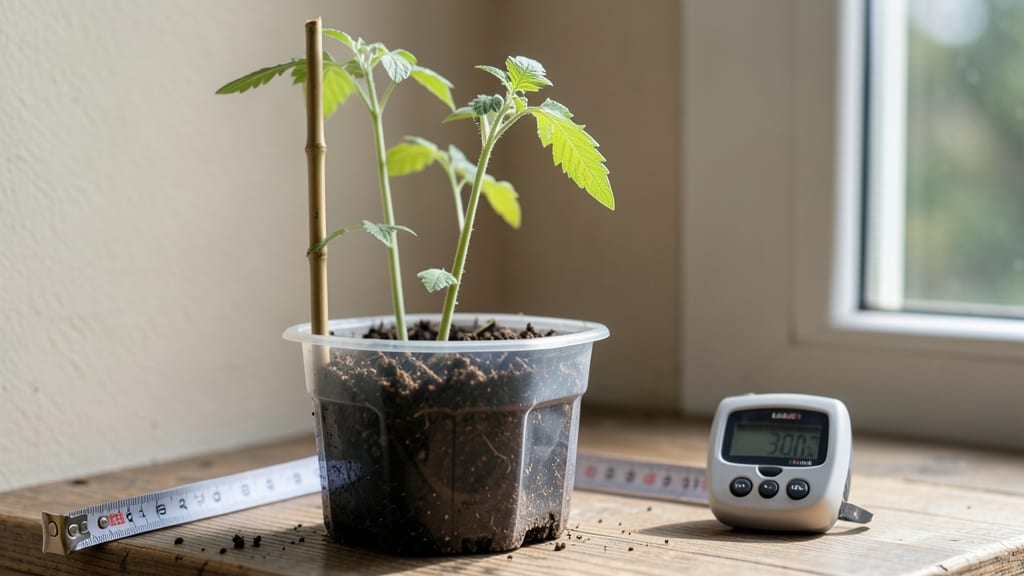
Leggy tomato seedlings stretch toward the light like starving children—weak stems that snap under their own weight. 🌱 I’ve nursed dozens back to strength using a simple 7-day reset that works for both indoor starts and outdoor transplants, whether you’re dealing with 3-inch seedlings or 6-inch giants that flop like overcooked pasta.
The root cause? Too much light or not enough—usually the latter. Seedlings reach for sunlight when it’s too far away, leaving stems thin and brittle. My solution combines bright, direct light (no windowsill shadows) with a buried transplant trick that forces them to thicken overnight.
You’ll see sturdy stems in a week, ready to handle real garden conditions without toppling. What you’ll achieve is stocky, dark-green seedlings that stand tall on their own. No more bending over to support them, no more lost plants when transplanting.
The secret is in the light placement and a little strategic stress—both of which I’ll walk you through step by step. This method works for any tomato variety and scales from a sunny windowsill to a greenhouse setup.
Let’s turn those floppy stems into garden-ready powerhouses before your last frost date passes.
The Hidden Causes Behind Weak Stems
Leggy seedlings aren’t just a cosmetic issue—they’re a cry for help from your plants. Understanding the root causes (pun intended) is the first step to fixing them.
Below, we break down the science behind why your tomato seedlings stretch too tall, too fast, and how to address each factor before it’s too late.
Tomato seedlings are phototropic, meaning they grow toward light like tiny sun-seekers. When they don’t get enough, they stretch their stems to reach it—resulting in weak, spindly growth. Here’s why it happens:
- Photosynthesis slowdown: Light is the fuel for photosynthesis, the process that turns sunlight into energy. Without enough light, seedlings can’t produce sufficient glucose, leading to etiolation (the scientific term for leggy growth).
- Reduced chlorophyll: Low light weakens chlorophyll production, making stems pale and stems elongated as they search for light sources.
- Artificial light pitfalls: Even grow lights can cause legginess if they’re too far away (12–18 inches is ideal) or if the seedlings are left on too long (14–16 hours max). Overdoing it triggers light stress, which paradoxically makes stems stretch.
💡 Pro Tip: If using natural light, place seedlings in the sunniest window (south-facing in the Northern Hemisphere). For grow lights, use full-spectrum LEDs and adjust height as seedlings grow.
Seedlings competing for space and nutrients will reach upward to escape the shade of their neighbors. This is especially common in:
- Small seed trays: Roots get cramped, limiting nutrient uptake. When seedlings can’t absorb enough water or fertilizer, they prioritize stem growth to access light.
- Poor spacing: Planting seeds too close together (e.g., 1–2 inches apart) forces them to leapfrog over each other for sunlight.
- Root-bound stress: Once roots circle the bottom of a container, they can’t absorb water efficiently, leading to wilting and stretching as the plant desperates for hydration.
🔥 Fix It: Thin seedlings to 2–3 inches apart and upgrade to 3–4 inch pots once the first true leaves appear. Use well-draining soil to prevent root suffocation.
Tomatoes thrive in consistent warmth (70–85°F during the day, 60–70°F at night). When temperatures dip or spike, seedlings react by growing taller to escape stress. Here’s how:
- Cold stress: Below 50°F, seedlings slow down photosynthesis and stretch stems to absorb more light (a survival tactic). Cold soil also delays germination, leading to weaker seedlings.
- Heat stress: Above 90°F, seedlings bolt (prematurely flower) or stretch rapidly to cool down via transpiration (water loss). This depletes energy reserves.
- Drafty environments: Air currents from windows or vents can disorient seedlings, causing them to grow unevenly and leggily.
🌡️ Solution: Keep seedlings in a warm, draft-free zone (e.g., a greenhouse or sunny windowsill away from AC vents). Use a heat mat (70–75°F) for germinating seeds.
Too much nitrogen or an imbalance of nutrients can trick seedlings into prioritizing leafy growth over sturdy stems. Here’s the breakdown:
- Nitrogen overload: Nitrogen-heavy fertilizers (like blood meal) promote leafy growth at the expense of stems. Leggy seedlings often have large leaves but weak stems because the plant diverts energy to foliage.
- Phosphorus deficiency: Phosphorus is critical for root and stem development. Without it, seedlings can’t strengthen cell walls, leading to floppy, elongated growth.
- Over-fertilized soil: Salty or compacted soil from excess fertilizer blocks water uptake, forcing seedlings to stretch for hydration.
✨ Correction: Use a balanced fertilizer (5-10-5 or 10-10-10) at half-strength. For seedlings, skip fertilizer entirely until they have 2–3 true leaves—water and light are priority #1.
Now that you know the why, the next step is the how. Stay tuned for actionable fixes to turn your leggy seedlings into stocky, thriving plants in just 7 days!
Quick Fixes for Tall Tomato Stems
If your tomato seedlings are stretching toward the light like sun-worshipping ballerinas, don’t panic—these fast, easy fixes will help them bulk up in no time. The key is to address the root cause (pun intended) while giving your plants the support they need to grow strong.
Below, we’ll break down solutions by the most common culprits behind leggy seedlings, plus prevention tips to keep future batches sturdy.
Problem: Seedlings stretched thin because they weren’t getting enough light, causing them to lean and weaken.
How to Fix It:
- 🔥 Move Them Closer to Light – Place seedlings 2–3 inches from a grow light (LED or fluorescent) or within 6–12 inches of a sunny window. South-facing windows get the most light, but supplement with artificial light if needed.
- 🕒 Adjust Light Schedule – Seedlings need 14–16 hours of light daily. Use a timer for grow lights to mimic long daylight hours.
- 🌿 Bury Them Deeper – Gently press 1/3 of the stem into the soil (just below the first true leaves). This encourages new roots to form, stabilizing the plant.
Prevention Tip: 💡 Start with a grow light from day one—natural light alone often isn’t enough, especially in cloudy or indoor setups.
Problem: Warmth (especially at night) causes rapid, weak growth. Leggy stems often mean your seedlings are too hot or not cold enough at night.
How to Fix It:
- ❄️ Lower Nighttime Temps – Ideal seedling temps are 60–70°F (15–21°C) during the day and 50–55°F (10–13°C) at night. Use a small fan on low to circulate air and cool them slightly.
- 🌬️ Add Gentle Airflow – A low-speed fan (24/7) strengthens stems by simulating wind, which triggers thicker growth. Aim for a light breeze, not a hurricane!
- 🏡 Adjust Grow Space – If seedlings are near a heat source (like a radiator or sunny window), move them 6+ inches away.
Prevention Tip: 🌡️ Use a thermometer to monitor temps—consistency is key!
Problem: Seedlings packed too tightly compete for nutrients and light, leading to weak, leggy growth.
How to Fix It:
- 🌿 Thin or Transplant – If seedlings are touching each other, snip the weakest ones at the base (not pull—they’ll uproot the others!). Repot into individual pots (3–4 inches deep) with fresh potting mix.
- 🔄 Upgrade Containers – If roots are circling the bottom, move to a larger pot (6+ inches deep) to give them room to grow.
- 💧 Check Watering – Overwatering can suffocate roots, making stems weak. Let the top 1 inch of soil dry out between waterings.
Prevention Tip: ✨ Start with proper spacing—1–2 inches apart in trays, then transplant into individual pots 2–3 weeks after sprouting.
Problem: Weak stems can signal a lack of nitrogen, phosphorus, or micronutrients, or soil that’s too dense.
How to Fix It:
- 🍂 Use a Balanced Fertilizer – Switch to a low-dose, balanced fertilizer (like 5-5-5 or 10-10-10) diluted to half strength. Over-fertilizing burns roots, making stems weaker.
- 🌿 Amend the Soil – Mix in compost or worm castings (10–20%) for organic nutrients. Avoid garden soil—it’s too heavy and can compact.
- 💧 Flush the Soil – If you suspect salt buildup from fertilizers, water thoroughly with plain water to leach out excess salts.
Prevention Tip: 💡 Test your soil—a simple pH test kit ensures your mix is 6.0–6.8 (ideal for tomatoes).
Problem: Moving seedlings too soon or too roughly can stress them, leading to leggy regrowth.
How to Fix It:
- 🌱 Wait Until Stronger – Only transplant when seedlings have 2–3 true leaves and are 1–2 inches tall. Avoid moving them multiple times.
- 🌿 Use the "Pit and Fertilize" Method – When repotting, bury 2/3 of the stem (not just the roots) and add a small handful of compost to the hole.
- 💧 Water Deeply After Transplanting – Soak the soil to remove air pockets, then keep it moist (not soggy) for the first week.
Prevention Tip: ⏰ Hardening off is key—3–5 days before planting outdoors, move seedlings to a shaded, breezy spot for 1–2 hours daily to toughen them up.
Final Pro Tip: 🎯 Combine fixes for best results—light + airflow + proper soil work together to create stocky, resilient seedlings in 7 days or less!
Frequently asked questions
Why do my tomato seedlings get leggy so fast?
Leggy tomato seedlings stretch when they don't get enough light, causing them to grow tall and weak to reach sunlight. This happens most often with 14-16 hours of weak light daily or when seedlings are too crowded, competing for resources. The scientific term is etiolation, where plants prioritize stem growth over leaf and root development.
Can I fix leggy seedlings by burying them deeper?
Yes! Burying 1/3 to 2/3 of the stem below soil encourages new root growth, which stabilizes the plant. Just make sure to leave the first true leaves above soil level. This method works best when combined with proper light and airflow.
What's the best light source for preventing leggy seedlings?
Use full-spectrum LED grow lights placed 2-3 inches above seedlings for 14-16 hours daily. South-facing windows work for natural light, but supplement with artificial light if your seedlings start stretching. Avoid placing them too far from windowsills or under weak fluorescent bulbs.
How long does it take to fix leggy tomato seedlings?
With proper care, you can see noticeable improvement in 3-7 days. The key is combining better light placement, proper spacing, and gentle airflow. For severe cases, you may need to transplant into larger pots and adjust your growing conditions immediately.
Can I still transplant leggy seedlings outdoors?
Yes, but take extra care! Bury the stems deeply (2/3 of the plant) and use tomato cages or stakes for support. Harden off seedlings first by gradually exposing them to outdoor conditions for 3-5 days before permanent transplanting. Leggy plants may take longer to recover but can still produce fruit.