
Vegetables
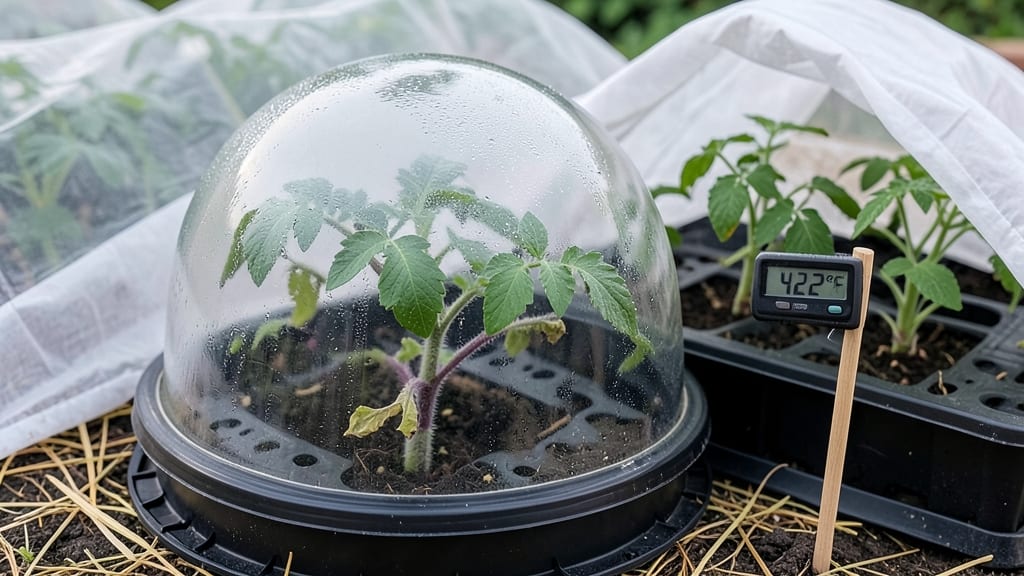
Tomato seedlings can tolerate low temperatures between 45°F and 55°F, though growth slows significantly below 50°F. Temperatures under 40°F risk permanent damage, while frost at or below 32°F will kill them. Protect seedlings with row covers or relocate pots indoors during cold snaps.
Understanding how cold affects tomato seedlings helps you take action before damage occurs. 🌱 When nighttime temperatures drop below 50°F, seedlings experience metabolic slowdown, which stunts growth and weakens their immune response. The roots are particularly vulnerable—cold soil disrupts nutrient uptake, leading to yellowing leaves or wilting stems.
I always monitor the 5-day forecast and act if temperatures are predicted to dip below 45°F—using lightweight row covers or moving containers to a sheltered spot can make all the difference.
For long-term resilience, gradually harden seedlings by exposing them to slightly cooler conditions over a week. This process strengthens their cell walls, making them better equipped to handle brief cold snaps.
If frost is in the forecast, cover seedlings with burlap or frost cloth and remove them during the day to prevent overheating. Remember, prevention is key—once seedlings show signs of cold stress, recovery is often limited.
💡 In This Article
- How Cold Affects Tomato Seedling Growth and Survival
- Protecting Tomato Seedlings from Cold Weather: Step-by-Step Solutions
How cold affects tomato seedling growth and survival
Tomato seedlings experience physiological stress when exposed to temperatures below 50°F, particularly at night. The primary issue is metabolic slowdown—cold temperatures disrupt the plant's cellular respiration, reducing energy production. This causes leaves to yellow (chlorosis) as chlorophyll breaks down, and stems may become weak or brittle.
The most vulnerable part? The roots—soil temperatures below 45°F hinder nutrient absorption, leading to stunted growth or even root rot if moisture lingers. 🌱
Nighttime cold is especially damaging because it forces seedlings into a survival mode, prioritizing basic functions over growth.
Studies show that prolonged exposure to 40-45°F can delay flowering by up to 2-3 weeks, while temperatures below 32°F trigger frost damage, causing ice crystals to form in plant tissues and rupturing cell walls.
The visual signs are unmistakable: crispy leaf edges, blackened stems, or a glassy sheen on foliage. Even brief dips into the 30s°F can kill seedlings within hours.
Cold stress also weakens a seedling's immune system, making it susceptible to fungal diseases like damping-off or bacterial infections. The plant's natural defenses slow down, allowing pathogens to thrive in the damp, chilled conditions.
This is why gardeners often see seedlings collapse suddenly after a cold snap—what appeared healthy one day can be irreparably damaged the next. The key threshold to remember: 50°F is the sweet spot for growth, while 45°F is the survival line.
Another critical factor is soil temperature, which lags behind air temperature. Even if daytime air reaches 60°F, soil may stay below 45°F for hours, stressing roots. This is why mulching with straw or leaves helps—it insulates the soil, keeping temperatures more stable.
The roots' ability to absorb water and nutrients drops by 50% when soil temps fall below 50°F, directly impacting the seedling's ability to recover from cold stress. 💧
What most gardeners overlook is how humidity interacts with cold. High humidity at low temperatures creates the perfect conditions for fungal spores to germinate and infect seedlings. This is why removing protective covers during the day is crucial—it allows air circulation and reduces moisture buildup on leaves.
The combination of cold and dampness is far more damaging than dry cold alone.
To visualize the impact, imagine a seedling's growth as a balance scale: warmth tilts it toward expansion, while cold shifts it toward conservation. Below 50°F, the plant's energy shifts from growing leaves and stems to simply staying alive.
This metabolic trade-off explains why seedlings exposed to repeated cold snaps often remain stunted even after temperatures warm up—some cellular damage is irreversible. The good news? With proper protection, you can push seedlings to tolerate 45°F safely, but the moment frost threatens, all bets are off. ❄️