
Plants
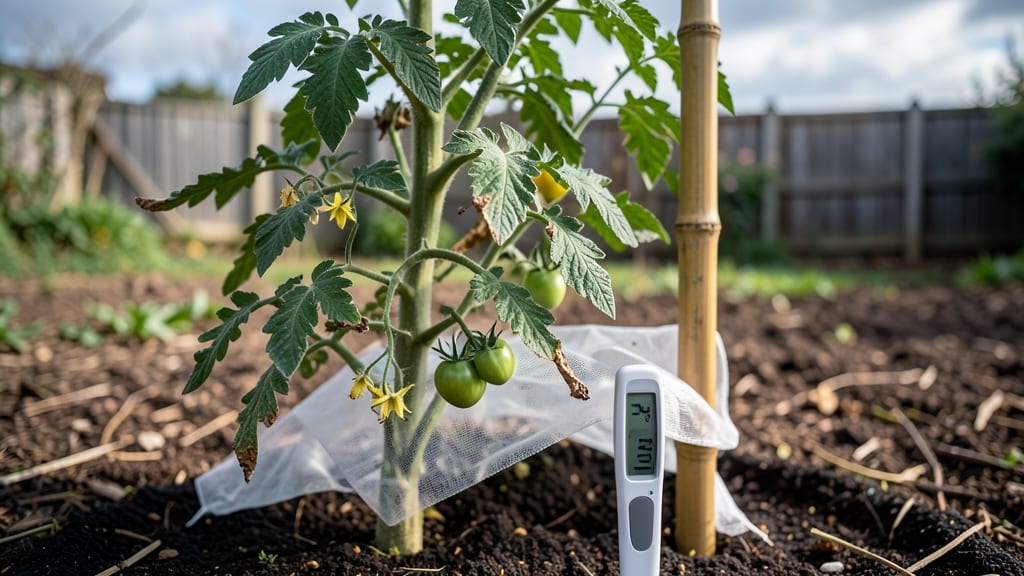
The lowest temperatures tomato plants 🍅 can survive depend on the variety — but some tough strains handle 32°F or even colder without wilting.
Struggling to grow tomatoes in cooler climates? You’re not alone. Most gardeners assume tomatoes need warmth to thrive, but a few cold-hardy varieties defy that rule.
Whether you’re in USDA Zone 6a or battling late spring frosts, the right choices (and a few protective tricks) can mean the difference between a bountiful harvest and a sad, blackened plant.
Below, I’ll break down which tomato types survive near-freezing temps, how to shield them from frost damage, and when to pull out the row covers. No more guessing — just actionable tips to keep your plants happy, even when the thermometer drops.
Ready to grow tomatoes where others quit? Let’s dive into the cold-hardy secrets that’ll have you harvesting well past the usual frost date.
Cold-hardy tomato varieties that survive 32°F or lower
Growing tomatoes in cooler climates often feels like a losing battle, but some cold-hardy varieties can handle temperatures as low as 32°F without permanent damage. These resilient plants use a mix of genetic adaptations and growth strategies to survive frosty nights.
Whether you're in USDA Zone 4 or a high-altitude garden, these varieties prove tomatoes aren't just for warm climates.
Most tomato plants struggle when nighttime temperatures dip below 50°F, but these exceptional varieties push those limits. Their secret? Thick leaves, slower growth rates, and the ability to recover from frost with proper care. Let's explore the toughest tomato types that can handle near-freezing conditions and still produce fruit.
The 'Stupice' tomato, originally from the Czech Republic, is the undisputed champion of cold tolerance. This heirloom variety can survive brief exposures to 28°F and continues growing when temperatures rebound.
Its small, cherry-sized fruits ripen quickly, making it perfect for short growing seasons. Plant it in well-draining soil and use black plastic mulch to absorb heat during the day.
'Mountain Merit', a hybrid bred for cold climates, handles 32°F temperatures better than most tomatoes. Its disease-resistant leaves stay green longer, and it produces red, beefsteak-style tomatoes that weigh up to 8 ounces. This variety thrives in USDA Zones 3-8, making it ideal for gardeners in northern states or high-altitude areas.
For gardeners in Zone 4 or colder, 'North Pole' is a reliable choice. This hybrid sets fruit even when daytime temps are only 50°F, and it can tolerate 32°F at night with proper row cover protection.
Its compact growth habit (3-4 feet tall) makes it perfect for containers or small gardens, and it produces red cherry tomatoes in just 65 days.
Heirloom lovers shouldn't overlook 'Siberian' tomatoes, which have been grown for centuries in Russia's harsh climate. These plants handle 28°F temperatures and produce medium-sized, pink fruits with a rich flavor.
They take longer to mature (80-90 days), but their cold endurance makes them worth the wait for patient gardeners in extreme climates.
If you're starting seeds early in cold soil, 'Cold Set' is a game-changer. This hybrid sets fruit when soil temps are as low as 50°F, making it ideal for early spring planting in cooler regions.
Its determinate growth (3-4 feet tall) and cherry tomato production make it perfect for container gardens or small spaces.
When selecting cold-hardy varieties, prioritize those with thick leaves and compact growth, as these traits help plants retain heat. Pair your choice with protective measures like row covers, mulch, or cold frames to maximize survival during unexpected frost.
Even the hardiest tomatoes benefit from a little extra care when nighttime temps drop below 32°F!
How to protect tomato plants from frost below 32°F
When temperatures dip below 32°F, your tomato plants face serious frost risk, but with the right strategies, you can extend their growing season. Even cold-hardy varieties like Stupice or Mountain Merit need protection when nighttime temps threaten.
The key is combining physical barriers with soil insulation to create a microclimate that shields roots and foliage from freezing damage.
Start by understanding your plants' frost tolerance limits. While most tomatoes can survive brief exposure to 32°F, prolonged cold or wind chill will cause irreversible damage. For varieties like North Pole, which handles 28°F, you still need protective measures during extended cold snaps.
The goal is to maintain soil temperatures above 40°F and keep foliage above 35°F.
Step-by-Step Frost Protection Plan
- 1 Apply mulch 3-4 inches deep using straw or shredded leaves to insulate roots. Focus on soil temperature—warmer soil protects against root freeze even if air temps drop.
- 2 Install row covers (floating fabric) when temps hit 40°F. Secure edges with bricks or soil to prevent wind damage. Remove during daytime for pollination.
- 3 Use cloches or cold frames for extreme cold (<32°F). Place over individual plants or entire beds. Ensure ventilation holes to prevent overheating during the day.
- 4 Set up heat mats for container-grown tomatoes in Zone 5 or colder. Place mats under pots to maintain root zone warmth during nighttime freezes.
- 5 Overwinter indoors for tender varieties. Dig up plants, trim foliage, and pot them in sterile soil. Place near a south-facing window or under grow lights for 12+ hours of light.
For long-term protection, consider building a low tunnel greenhouse using PVC pipes and plastic sheeting. This creates a 5-10°F warmer environment inside, ideal for Zone 4-5 gardens. Add a thermometer to monitor internal temps—aim to keep it above 45°F at night.
Pair this with black plastic mulch to absorb sunlight and radiate heat back to the soil.
If frost is forecasted, water thoroughly before sunset. Moist soil retains heat better than dry soil, providing 2-3°F of extra protection. Avoid overhead watering during cold snaps, as wet foliage freezes more easily.
Instead, use drip irrigation or soaker hoses to keep roots hydrated without adding moisture to leaves.
Remember, prevention is easier than recovery. Start protecting your tomatoes when nighttime temps drop below 50°F, even if frost isn't forecasted. Combine mulch, row covers, and cloches for layered defense. With these strategies, you can safely grow tomatoes in Zone 4 or even Zone 3 with cold-hardy varieties.