
Planting
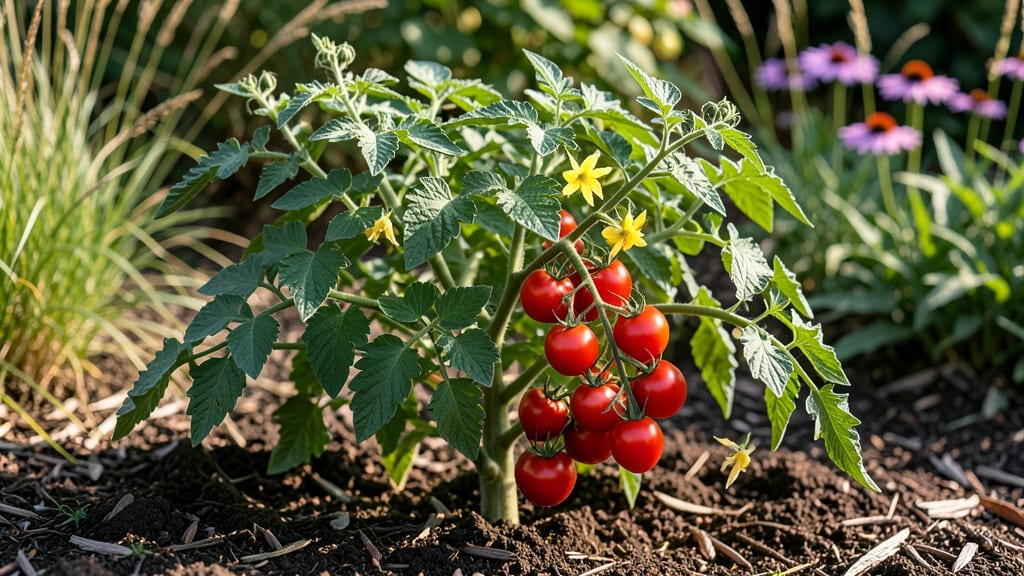
Matt's Wild Cherry tomato plant delivers sweet, heat-resistant fruit that keeps producing until frost. 🌿 I've grown this heirloom for three summers now, and it's become my go-to for backyard BBQs and snacking straight off the vine.
The secret isn't just the heat tolerance—it's how these plants burst with clusters of 50+ tiny tomatoes when given the right care. You'll need full sun (6-8 hours daily), well-draining soil, and a sturdy cage or trellis—these plants grow 4-6 feet tall and need support.
The real magic happens when you water consistently at the base (not overhead) and prune suckers regularly. I've seen neighbors abandon their tomatoes in July heat, while mine keep flowering like it's June. By midsummer, you'll be harvesting pint-sized jewels that burst with flavor—10x sweeter than store-bought.
The plants handle drought better than most varieties, but they reward consistent care with weeks of continuous harvests. The clusters stay compact, making them perfect for snacking or preserving. Works equally well in containers (with large pots) or in-ground beds.
Here's how to coax the most fruit from your plants without burning out the vines."
📚 In This Guide
- What you need
- Instructions
- Tips and common mistakes
- Wrapping up and next steps
What you need
- ● Seeds or Seedlings: 3–5 Matt’s Wild Cherry Tomato seeds (or seedlings) – look for heat-resistant or disease-resistant varieties.
- ● Containers or Garden Space: For containers: 5-gallon pots (1 per plant) with drainage holes, or a tower garden system (5–10 ft tall).
- ● For in-ground planting: Full-sun spot (6+ hours/day) with well-draining soil.
- ● Potting Mix: 1–2 bags of lightweight, organic potting mix (or garden soil amended with compost).
- ● Fertilizer: Balanced tomato fertilizer (10-10-10 or 5-5-5) or compost (for organic gardening).
- ○ Slow-release granules (optional but recommended for nutrient consistency).
- ● Support System: Tall tomato cages (6+ ft) or bamboo stakes (5–7 ft).
- ● For towers: fabric grow bags or coconut coir sleeves (if DIY-ing).
- ● Basic Gardening Tools: Trowel or hand shovel
- ● Pruners (sterilized)
- ● Watering can or hose with gentle nozzle
- ○ Optional (But Helpful!): Mulch (straw or shredded leaves) to retain moisture
- ● Drip irrigation kit for consistent watering
- ● pH test kit (ideal soil pH: 6.0–6.8)
- ● Shade cloth (for seedlings if temps exceed 85°F)
- ● Best Planting Time: After last frost (when soil is 60°F+) or start indoors 6–8 weeks before last frost.
- ● Heat Tolerance: Thrives in 75–95°F ranges—perfect for hot climates!
How to grow matt's Wild Cherry tomatoes in a tower garden
This heat-loving variety thrives when you follow these proven steps for lush vines and endless harvests.
🌱 Step 1: Select the Right Container and Soil Mix
Wild cherry tomatoes need deep, well-draining containers—I recommend a 5-gallon fabric grow bag or tall ceramic pot (at least 18 inches deep). The roots love aeration, so avoid plastic unless it has drainage holes. Fill the bottom third with coarse perlite or orchid bark to prevent compaction.
Use a sterile potting mix blended with 20% compost and 10% worm castings—this gives the heat-resistant roots both structure and nutrients. I always add 1 tablespoon of bone meal at planting to boost early root development. Moisten the mix until it feels like a damp sponge, but not dripping.
☀️ Step 2: Plant and Stake for Vertical Growth
Place one seedling per container (or 2-3 plants per 5-gallon bag) at the same depth it grew in its nursery pot. Wild cherries grow 6-8 feet tall, so install a sturdy bamboo stake or tomato tower cage immediately—this prevents flopping later. I tie the main stem to the stake with soft plant ties every 12 inches as it grows.
Here's the thing—don't bury the stem too deep. The soil line should sit ½ inch below the base of the plant. This prevents rot while encouraging strong root development. Water gently after planting to settle the soil around the roots, but avoid soaking the leaves.
💧 Step 3: Water Deeply and Maintain Consistent Moisture
Wild cherry tomatoes hate inconsistent moisture—they'll crack in dry spells or rot in soggy conditions. Water deeply every 2-3 days until the top 2 inches of soil feel dry. I use a soaker hose or water at the base early in the morning to prevent fungal issues. The key is even moisture: let the soil dry slightly between waterings, but never let it bone-dry.
During heatwaves over 90°F, increase watering to every 1-2 days and mulch with straw to retain moisture. You'll know you're doing it right when the soil stays consistently damp but not waterlogged—check by sticking your finger in the soil.
✂️ Step 4: Prune and Fertilize for Maximum Fruit Set
Pinch off the first flower clusters that appear until the plant has 5-6 true leaves. This directs energy to stronger root and vine development. Once established, remove suckers (the shoots between the main stem and branches) to focus energy on fruit production. I prune with clean, sharp scissors to avoid tearing the plant.
Feed with a balanced liquid fertilizer (like 5-5-5) every 2 weeks once flowers appear. Switch to a low-nitrogen, high-phosphorus fertilizer (like 7-9-5) when fruit sets to encourage sweetness. I also sprinkle Epsom salt (1 tablespoon per gallon of water) monthly to prevent blossom-end rot—a common issue with heat-loving varieties.
🌿 Step 5: Protect and Harvest for Continuous Yields
Shade cloth (30-50%) helps during peak afternoon sun (1-4 PM) to prevent sunscald on fruits. Wild cherries ripen unevenly, so harvest every 2-3 days—they're best when deep red and slightly soft to touch. I pick in the morning when sugars are highest, and store them in the fridge for up to 2 weeks.
Don't let ripe tomatoes linger on the vine—this attracts pests and reduces flavor. If birds or squirrels become a problem, cover the plant with fine netting once fruit starts forming. With proper care, one plant yields 5-10 pounds of sweet, tangy cherries over 2-3 months—plenty for snacking, sauces, or sharing!
Tips & tricks for growing matt's Wild Cherry tomatoes
Here's what I've learned from years of growing these heat-resistant beauties—details that make all the difference between a decent harvest and a jaw-dropping bounty.
Container Selection: The 5-gallon fabric grow bags I use are perfect because they allow roots to breathe while preventing compaction. If you're using ceramic pots, make sure they have drainage holes—waterlogged roots are the enemy of these heat-loving plants. I've seen plastic containers cause root rot within weeks, so avoid them unless they're specifically designed for deep-rooted varieties. The 18-inch depth is non-negotiable for these vigorous vines.
Soil Mix Secrets: That 20% compost and 10% worm castings blend isn't just random numbers—it's about creating the perfect balance. The compost provides nutrients while the worm castings improve soil structure and microbial activity. When mixing, I always sift out any large chunks to prevent clumping. And that 1 tablespoon of bone meal? It's not optional—it gives your plant a phosphorus boost right from the start, which is crucial for root development in the early stages.
Heatwave Survival: When temperatures climb above 90°F, your watering schedule becomes critical. I've learned the hard way that simply increasing water doesn't cut it—you need to adjust your approach. Water in the early morning when temperatures are cooler, and always water at the base rather than overhead. The straw mulch isn't just decorative; it creates a cool microclimate around the roots while preventing moisture loss. During extreme heat, I even mist the leaves lightly in the evening to help cool the plant down.
Pruning Precision: Those first flower clusters might look promising, but pinching them off when the plant has 5-6 true leaves is one of the best decisions you'll make. I've seen plants that flowered too early become top-heavy and flop over. When removing suckers, always cut at a 45-degree angle just above a leaf node—this prevents disease entry points. And here's a pro tip: use a clean pair of scissors for each cut to avoid spreading any potential pathogens between different parts of the plant.
Pro Tips for Matt'S Wild Cherry Tomato Plant
- Here's what I've learned from years of growing these heat-resistant beauties—details that make all the difference between a decent harvest and a jaw-dropping bounty.
- Container Selection: The 5-gallon fabric grow bags I use are perfect because they allow roots to breathe while preventing compaction.
- Soil Mix Secrets: That 20% compost and 10% worm castings blend isn't just random numbers—it's about creating the perfect balance.
Frequently asked questions
Got questions about growing Matt’s Wild Cherry Tomato Plant? You’re not alone! Whether you’re a seasoned gardener or a newbie with green thumbs (or just dirt under your nails), here are some of the most common queries—and their answers—to help you cultivate a thriving, heat-resistant harvest.
How hot can Matt’s Wild Cherry Tomatoes handle?
This variety is built for heat! Matt’s Wild Cherries thrive in temperatures up to 95°F (35°C) and can even handle brief spikes above that. Just ensure they get consistent moisture—drought stress is their biggest enemy. If your summers are scorching, mulch heavily and water at the base of the plant (not overhead) to keep roots cool.
When is the best time to plant Matt’s Wild Cherry Tomatoes?
For most climates, plant seeds indoors 6–8 weeks before your last frost date (or direct-sow after soil warms to 55°F+ (13°C+)). If you’re in a hot, short-season zone, opt for transplants instead of seeds—they’ll fruit faster! Pro tip: Use black plastic mulch to warm soil early and give your plants a head start.
Why aren’t my Matt’s Wild Cherry Tomatoes ripening?
Blame the heat or lack of sunlight—common culprits! If temps soar above 90°F (32°C) during flowering, pollen can fail to set fruit. Try these fixes:
- Shade cloth (30–50%) during peak afternoon heat.
- Hand-pollinate with a soft paintbrush to transfer pollen between flowers.
- Ensure 6+ hours of direct sun daily.
Can I grow Matt’s Wild Cherries in containers?
These compact plants love containers—just choose a pot at least 12–18 inches deep with drainage holes. Use a lightweight potting mix (add perlite for aeration) and a trellis or cage to support vines. Container-grown plants may need daily watering in heat, so monitor soil moisture closely.
What should I do if my plant gets pests or diseases?
Matt’s Wild Cherries are disease-resistant, but pests like aphids, hornworms, or whiteflies can still strike. Start with preventative care:
- Neem oil spray (weekly) deters pests naturally.
- Handpick hornworms (they’re sneaky but easy to spot!).
- Rotate planting spots yearly to avoid soil-borne issues.
Wrapping up and next steps
Growing Matt’s Wild Cherry tomato plant is a rewarding journey that brings vibrant flavors and lush harvests to your garden—even in scorching heat! 🌿 With its heat-resistant traits and compact size, this variety is perfect for both beginners and seasoned gardeners.
Whether you’re planting in containers or garden beds, the key is patience, proper care, and a little creativity with vertical space.
Now that you’re armed with the right knowledge, it’s time to roll up your sleeves and get planting! Start small—try a single plant in a pot or a small patch—and watch your cherry tomatoes thrive.
Happy gardening, and may your harvest be as plentiful as it is delicious! 🍅✨