
Companion Plants
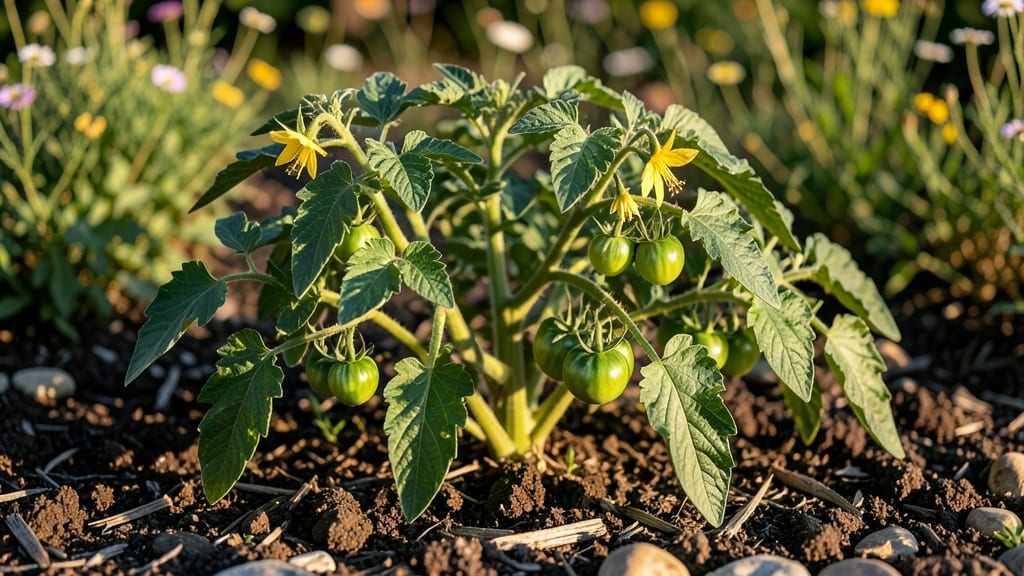
Choosing the right names of different tomato plants turns a good garden into an unforgettable harvest. 🌱 The names alone—'Brandywine', 'Sungold', 'Black Krim'—reveal flavors and textures you won't find in grocery stores.
Each variety grows differently, handles disease uniquely, and ripens at its own pace, which means your garden can produce sweet cherries in July and beefsteak slices in September.
Heirloom tomatoes like 'Cherokee Purple' deliver deep, smoky flavors but need extra care against blight, while hybrids such as 'Celebrity' resist common diseases and produce reliably even for beginners.
Cherry tomatoes like 'Sweet 100' cluster like jewels on vines, perfect for snacking or salads, while beefsteaks like 'Arkansas Traveler' feed a family with just one plant. The key is matching your climate, space, and goals—whether you want early harvests, late-season production, or tomatoes so unique they become conversation starters.
Picture this: the first bite of a sun-warmed 'Sungold' cherry tomato still warm from the vine, or the rich, meaty slice of a 'Brandywine' that makes store-bought tomatoes taste bland. These varieties aren’t just plants—they’re the difference between a garden and a culinary experience.
With the right choices, you’ll harvest tomatoes that taste like summer all season long, and maybe even inspire your neighbors to ask, "What’s that variety?"
For gardeners short on space, compact varieties like 'Tiny Tim' or 'Patio Princess' deliver big flavor in small pots, while vining types like 'Big Beef' stretch across trellises for dramatic yields. The secret? Start with 2-3 varieties that excite you most—your first season will taste like a victory.
And don’t forget: the best tomato is the one you’ll actually eat, so plant what makes your mouth water.
📚 In This Guide
- What you need
- Instructions
- Tips and common mistakes
- Wrapping up and next steps
What you need
- ● Tomato seeds or seedlings: Choose from heirloom, hybrid, or disease-resistant varieties (e.g., Brandywine, Cherry Roma, Early Girl). Start with 5–10 plants for a small garden or 20+ for larger harvests.
- ● Growing containers or garden beds: For containers: 5-gallon pots or larger (minimum 12–18 inches deep per plant). Use 3–5 containers for beginners.
- ● For in-ground planting: Well-draining soil with 6–8 hours of sunlight daily. Space plants 18–36 inches apart (depending on variety).
- ● High-quality potting mix or garden soil: 2–3 bags (look for organic, peat-free options with compost).
- ● Fertilizer: Balanced 10-10-10 or 5-10-10 fertilizer for seedlings.
- ● Tomato-specific fertilizer (high in phosphorus and potassium) for flowering/fruiting.
- ● Watering can or hose with a gentle nozzle: 1–2 gallons capacity for efficient watering.
- ● Support structures: Cages (5–6 feet tall) or stakes (6–8 feet) for indeterminate varieties.
- ● Trellis or string system for vining types (e.g., Sungold, Black Krim).
- ● Pruning shears: Sharp, bypass-style for trimming suckers and dead leaves.
- ● Mulch: Straw or shredded leaves (2–3 inches thick) to retain moisture.
- ● pH testing kit: To ensure soil pH is 6.0–6.8 (tomatoes thrive in slightly acidic soil).
- ● Compost or worm castings: Boosts nutrient content in soil (1–2 gallons per plant).
- ● Row covers or shade cloth: Protects seedlings from pests or harsh sun (especially in hot climates).
- ● Drip irrigation system: Saves time and ensures consistent moisture (great for large gardens!).
- ● Plant labels: Write down varieties to track growth (e.g., Beefsteak, Roma, Grape).
How to choose the right tomato varieties for your garden
Tomatoes offer endless possibilities—here’s how to pick the perfect types for your space and goals.
🌱 Step 1: Understand the Core Tomato Categories
Tomatoes fall into three main groups: heirloom, hybrid, and cherry. Heirlooms like Brandywine or Cherokee Purple deliver bold flavors but need more care, while hybrids such as Better Boy or Celebrity resist disease and produce reliably. Cherry tomatoes—think Sweet 100 or Sun Gold—are perfect for snacking and container growing due to their compact size and prolific fruit.
Consider your garden’s conditions: determinate varieties (like Roma or Patio) grow in neat bushes and produce all at once, ideal for sauces and canning. Indeterminate types (such as Beefsteak or Sungold) vine continuously, yielding fruit all season but requiring staking or trellising. I always plant a mix—two determinate for early harvests and one indeterminate for a prolonged supply.
☀️ Step 2: Match Varieties to Your Climate and Space
Short-season gardens thrive with early-maturing varieties like Stupice (50 days) or Early Girl (55 days), while longer summers can handle heat-tolerant types such as Heatmaster or Solar Fire. If space is limited, prioritize bush varieties or dwarf indeterminates like Tiny Tim or Micro Tom, which produce full-sized fruit in 5-gallon containers.
For trellises or cages, choose vining types that grow 6–10 feet tall, such as Brandywine or Black Krim. In cooler climates, opt for cold-hardy varieties like Stupice or Glacier, which tolerate light frosts. I always check my local USDA hardiness zone and last frost date before selecting—this prevents disappointment when plants struggle in marginal conditions.
🌿 Step 3: Prioritize Flavor, Color, and Culinary Use
Flavor profiles vary wildly: sweet (like Sun Gold), tangy (such as Green Zebra), or rich and meaty (including Brandywine). If you love slicing, Beefsteak or Black Prince deliver juicy, beefy slices, while Roma and San Marzano excel for sauces and pastes. For unique textures, try yellow pear (Lemon Boy) or striped (Sunstrip) varieties—they add visual appeal and mild sweetness.
Don’t overlook color: Deep reds (Brandywine), purples (Indigo Rose), and yellows (Lemon Boy) offer distinct flavors and nutritional benefits. I always plant at least one heirloom for its depth of flavor, even if it means sacrificing a few hybrid plants for reliability. Pro tip: Smaller tomatoes (like Sweet 100) often pack more concentrated flavor than giant varieties.
✂️ Step 4: Plan for Disease Resistance and Pollination Needs
Hybrids like Mountain Merit or Defiant PhR are bred to resist Verticillium wilt, Fusarium, and cracking, making them ideal for problem-prone areas. If you’re organic or want to avoid chemicals, heirlooms with resistance traits (like Cherokee Purple) are worth the extra care. Always rotate varieties yearly to prevent soil-borne diseases from building up.
Pollination matters too: Self-pollinating varieties (most determinates) thrive in containers or greenhouses, while bee-dependent types (like Brandywine) need open-air access. If bees are scarce, hand-pollinate by gently shaking plants or using a small brush to transfer pollen. I keep a small notebook to track which varieties pollinate best in my area—some years, cherries set fruit easily, while others need extra help.
🪴 Step 5: Test and Refine Your Selections Over Time
Start with 3–4 varieties to avoid overwhelming yourself—maybe one heirloom, one hybrid, and one cherry. Keep notes on yield, flavor, and ease of care for each. For example, Sun Gold might produce abundantly but fade in heat, while Celebrity stays consistent but lacks depth of flavor. Adjust your lineup each season based on what worked (and what didn’t).
Don’t forget to save seeds from heirlooms! Ferment a small batch of pulp in water, strain out the seeds, and dry them on a paper towel. Label clearly—next year’s garden will thank you. I’ve found that local seed swaps or heirloom seed banks are treasure troves for unique, regionally adapted varieties that store-bought packets often miss.
Tips & tricks for perfect tomato variety selection
These insider tricks will help you navigate the tomato maze and grow the best possible harvest for your garden.
Growth Habit Insight: When choosing between determinate and indeterminate varieties, remember that determinate plants (like Roma or Patio) produce all their fruit at once—perfect for canning or preserving. Indeterminate types (such as Sungold or Brandywine) keep producing all season, but they need strong support. I always allocate space for both: two determinate varieties for early harvests and one indeterminate for continuous production. This balance ensures you have fresh tomatoes from midsummer through fall.
Climate-Specific Choices: The 50-day maturity window for varieties like Stupice or Early Girl isn't just about timing—it's about climate adaptation. In cooler zones, these early varieties avoid the heat stress that can affect later varieties. For hotter climates, consider heat-tolerant types like Heatmaster or Solar Fire. I've learned that local nurseries often carry varieties specifically bred for regional conditions, so always ask what grows best in your area before making selections.
Flavor and Color Pairing: Don't overlook the visual impact of color when selecting varieties. Deep purples like Indigo Rose contain higher levels of anthocyanins, which have antioxidant benefits, while yellow varieties like Lemon Boy offer a sweeter profile. I recommend planting at least one heirloom for its complex flavor profile—even if it means sacrificing some of the more disease-resistant hybrids. The flavor difference is worth the extra care, especially when you're slicing tomatoes for fresh summer salads.
Pollination Strategy: For varieties that require bee pollination (like Brandywine), consider planting a small patch of self-pollinating cherry tomatoes nearby. The bees will visit both, increasing pollination rates for your heirlooms. I've found that planting Sweet 100 cherry tomatoes alongside my main varieties creates a pollinator magnet that boosts fruit set across my entire garden. This simple trick can mean the difference between a disappointing harvest and a bountiful one.
Pro Tips for Names Of Different Tomato Plants
- These insider tricks will help you navigate the tomato maze and grow the best possible harvest for your garden.
- Growth Habit Insight: When choosing between determinate and indeterminate varieties, remember that determinate plants (like Roma or Patio) produce all their fruit at once—perfect for canning or preserving.
- Climate-Specific Choices: The 50-day maturity window for varieties like Stupice or Early Girl isn't just about timing—it's about climate adaptation.
Frequently asked questions
Got questions about choosing the right tomato varieties for your garden? Here are some of the most common ones—plus quick answers to help you grow like a pro!
What are the easiest tomato varieties for beginners?
Start with Cherry tomatoes (like 'Sweet 100' or 'Sun Gold') or Roma varieties—they’re disease-resistant, fast-growing, and forgiving. Beefsteak tomatoes (e.g., 'Brandywine') are great for slicing but need more care. Always pick heirloom or hybrid types labeled "beginner-friendly" for stress-free harvests!
How long does it take for different tomato plants to produce fruit?
Timing varies! Cherry tomatoes (45–60 days), Roma (60–70 days), and Early Girl (50–55 days) are quick. Heirlooms like Brandywine or Black Krim can take 80–100 days or more. Check seed packets for "days to maturity" and plant early in warm climates to extend your season.
Can I grow tomato plants in containers, and which varieties work best?
Bush varieties (e.g., 'Tiny Tim,' 'Patio Princess') thrive in pots. For indeterminate types (like 'Sungold' or 'Celebrity'), use a 5-gallon+ container with trellis support. Avoid sprawling Beefsteak tomatoes—they need deep roots and space. Just ensure containers have drainage and you fertilize regularly!
Why are my tomato plants dropping flowers or fruit before ripening?
This is often due to stress—heat waves, poor pollination, or inconsistent watering. Try these fixes:
- Hand-pollinate by gently shaking plants or using a paintbrush.
- Provide shade during extreme heat (85°F+).
- Water deeply at the base (not leaves) to avoid blossom-end rot.
- Fertilize with phosphorus-rich food (like bone meal) to boost flowering.
Are there tomato varieties that don’t crack or split easily?
Yes! Roma, San Marzano, and Glacier tomatoes are less prone to cracking due to their thicker skins and steady water uptake. For heirlooms, try 'Mountain Merit'—it’s bred for disease resistance and even ripening. Always mulch to keep soil moisture consistent and avoid heavy watering late in the day.
Wrapping up and next steps
Exploring the names of different tomato plants can turn your garden into a vibrant, flavor-packed paradise! Whether you're drawn to heirlooms like Brandywine or modern hybrids such as Sungold, each variety offers something unique—from sweetness and texture to disease resistance.
Now that you’re armed with this varietal guide, take the next step: sketch out your garden layout, pick 2-3 varieties that excite you, and start planting! 🌱 Your future meals (and bragging rights) will thank you.