
Picking
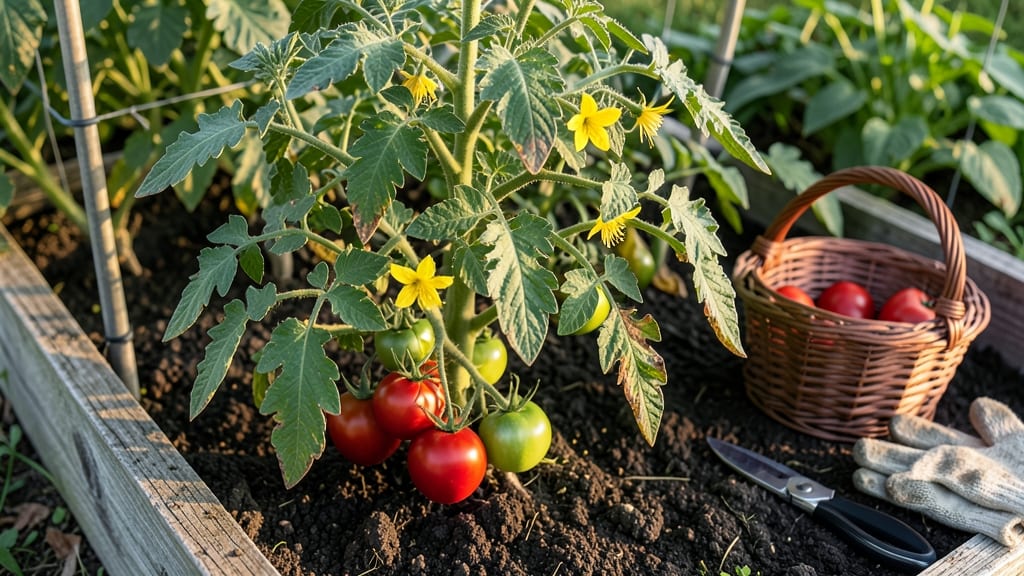
Growing the Neptune Harvest tomato and veg means heat-resistant vines that keep producing when other varieties wilt. 🌞 I learned the hard way—my first summer's tomatoes bolted in 90°F heat, but these beauties thrived. The secret lies in their genetics, adapted to stay productive even when temps climb.
These tomatoes love full sun (6+ hours daily) and well-draining soil with a pH of 6.0-6.8. Plant in late spring after the last frost, spacing vines 3 feet apart to give them room to sprawl.
Pair them with heat-tolerant veggies like peppers or okra for a double harvest—they share similar growing needs. By midsummer, you’ll be snipping 1-pound fruits from towering vines, and the flavor? Rich, meaty, and slightly sweet—perfect for slicing or sauces.
Prune regularly to focus energy on fruit production, and watch your harvest stretch into fall. For beginners, start with one plant to master care. Advanced gardeners can experiment with trellising or succession planting for year-round production. Either way, these tomatoes redefine summer harvests.
📚 In This Guide
- What you need
- Instructions
- Tips and common mistakes
- Wrapping up and next steps
What you need
- ● Neptune Harvest tomato seeds – 10-20 seeds (or 2-3 starter plants if buying seedlings).
- ● Vegetable seeds/seedlings (companion plants like basil, peppers, or beans): 5-10 plants or seeds per variety.
- ● Well-draining potting mix – 5-10 gallons (for containers) or garden soil amended with compost (for in-ground planting).
- ● Containers or garden beds – 5-gallon pots (for tomatoes) or raised beds (minimum 12" deep).
- ● Sturdy tomato cages or trellis – 6-8 ft tall to support heavy vines.
- ● Organic fertilizer (balanced 10-10-10 or tomato-specific blend).
- ● Mulch (straw or shredded leaves) to retain moisture and suppress weeds.
- ● Watering can or drip irrigation system (consistent moisture is key!).
- ● Gloves & trowel for planting and soil prep.
- ● Pruning shears to trim suckers and encourage growth.
- ● pH test kit (ideal soil pH: 6.0–6.8 for tomatoes).
- ● Sunlight access – 6+ hours of full sun daily (tomatoes are sun-hungry!).
- ● Heat-tolerant variety knowledge – Neptune Harvest thrives in 90°F+ temps!
- ● Shade cloth (for seedlings in scorching climates).
- ● Compost tea or liquid fertilizer for a nutrient boost.
- ● Row covers to protect young plants from pests.
- ● Self-watering system for low-maintenance growth.
Step-by-step guide to growing heat-resistant tomatoes and vegetables
Here's how I grow heat-tolerant varieties that thrive in hot climates and produce bountiful yields.
🌱 Step 1: Select Heat-Resistant Varieties and Prepare the Site
Choose Neptune tomatoes for their heat tolerance and disease resistance. Pair them with other heat-loving vegetables like okra, sweet potatoes, or malabar spinach—these varieties handle high temperatures better than most. Plant in full sun with at least 6-8 hours of direct light daily, but avoid the harshest afternoon sun in extreme climates.
Amend the soil with 2-3 inches of compost to improve moisture retention and fertility. Neptune tomatoes prefer slightly acidic soil (pH 6.0-6.8), so test your soil and adjust if needed. I always add a mulch layer (straw or shredded leaves) to keep roots cool and conserve moisture—critical in heat waves.
☀️ Step 2: Plant with Proper Spacing and Watering Techniques
Set tomato plants 18-24 inches apart in rows spaced 3-4 feet apart to allow airflow and prevent fungal diseases. For vegetables like okra or sweet potatoes, follow package spacing (usually 12-18 inches apart). Plant in late spring or early summer after the last frost, but ensure nighttime temperatures stay above 55°F for germination.
Water deeply once a week (or more in extreme heat) to encourage deep root growth. Avoid wetting leaves to prevent disease. I use drip irrigation to deliver moisture directly to the soil—this keeps foliage dry and reduces stress. Watch for wilting in afternoon heat; if leaves droop but recover at night, your plants are thirsty but not in crisis.
💧 Step 3: Provide Shade and Support During Peak Heat
When daytime temperatures exceed 90°F, provide 30-50% shade cloth during the hottest hours to protect plants. Neptune tomatoes handle heat better than most, but their fruit may split or develop sunscald without protection. Install cages or stakes at planting to support vines as they grow—heat-stressed plants need extra stability.
Prune suckers (side shoots) to improve airflow and reduce heat stress. Focus on keeping the plant open and airy rather than bushy. If you notice yellowing leaves, it’s often a sign of heat exhaustion—trim affected foliage to redirect energy to fruit production.
✂️ Step 4: Harvest at Peak Ripeness and Manage Ongoing Care
Harvest tomatoes when they’re fully colored and slightly soft to the touch. Neptune varieties hold up well on the vine, but picking ripe fruit encourages more production. For vegetables like okra, harvest pods when they’re 3-4 inches long for best texture. Check plants every 2-3 days during peak season—heat speeds up ripening.
Continue mulching and watering consistently, but reduce frequency as plants mature. Fertilize lightly with a balanced organic fertilizer every 4-6 weeks to sustain growth. If you see blossom-end rot (dark spots on fruit), increase calcium by adding crushed eggshells or lime to the soil.
Tips & tricks for perfect heat-resistant tomato and vegetable gardens
Confession: I learned these tricks the hard way after watching perfectly chosen Neptune tomatoes wither under extreme heat. Here's what actually works.
Variety Selection Matters: While Neptune tomatoes are heat-resistant, pairing them with okra and malabar spinach creates a self-sustaining ecosystem. Okra's deep roots draw moisture from lower soil layers, while malabar spinach thrives in partial shade created by tomato vines. This companion planting naturally regulates soil temperature and reduces water stress on all plants.
Soil Preparation is Non-Negotiable: The 2-3 inches of compost recommendation isn't just about nutrients—it's about creating a moisture-retentive sponge that insulates roots from temperature fluctuations. I've found that adding a handful of perlite to the compost mix improves aeration while maintaining that critical moisture barrier. Test your soil pH before planting; Neptune tomatoes are particularly sensitive to alkaline soils above pH 7.0.
Watering Strategy for Extreme Heat: The once-weekly watering guideline works perfectly in normal heat, but when temperatures exceed 95°F, I switch to every-other-day watering in the early morning. The key is watering deeply enough that the top 6 inches of soil remain moist—this encourages roots to grow downward where temperatures are more stable. A simple way to check: stick your finger 2 inches into the soil; if it's dry, it's time to water.
Shade Management Beyond 90°F: The 30-50% shade cloth recommendation is spot-on, but here's the pro move: use a movable shade system that follows the sun's arc. Install it to provide afternoon shade (1PM-5PM) when temperatures peak. I've seen this extend the productive season by 3-4 weeks in my zone 10 garden. For tomato plants, focus shade on the fruit-bearing stems rather than the entire plant to maintain photosynthesis in the leaves.
Pro Tips for Neptune Harvest Tomato And Veg
- Confession: I learned these tricks the hard way after watching perfectly chosen Neptune tomatoes wither under extreme heat.
- Variety Selection Matters: While Neptune tomatoes are heat-resistant, pairing them with okra and malabar spinach creates a self-sustaining ecosystem.
- Soil Preparation is Non-Negotiable: The 2-3 inches of compost recommendation isn't just about nutrients—it's about creating a moisture-retentive sponge that insulates roots from temperature fluctuations.
Frequently asked questions
Got questions about growing Neptune Harvest tomatoes and veggies? You’re not alone! Here are answers to the most common queries to help you grow like a pro:
What makes Neptune Harvest tomatoes different from other heat-resistant varieties?
The Neptune Harvest stands out for its exceptional heat tolerance—it thrives in temperatures up to 95°F (35°C) without wilting or losing flavor. Unlike traditional varieties, it also produces heavy yields even in drought-like conditions, thanks to its deep root system and thick skin. Perfect for hot climates or late-season gardens!
How long does it take for Neptune Harvest tomatoes to mature?
From seed to harvest, expect 70–85 days for Neptune Harvest tomatoes to ripen. If you’re starting with transplants, you’ll shave off about 2–3 weeks. Pro tip: Use a planting calendar to time your harvest with your region’s last frost date—aim for after Memorial Day in most U.S. zones.
Can I grow Neptune Harvest tomatoes in containers, or do they need a full garden bed?
These tomatoes thrive in containers—just use a 5-gallon pot or larger with drainage holes. Ensure the pot gets 6+ hours of sunlight and supports the plant with a cage or trellis (they can grow 6+ feet tall). For veggies like peppers or eggplants, 3–5 gallons per plant works well.
Why are my Neptune Harvest tomatoes cracking, even though it’s hot out?
Cracking in heat-resistant varieties like Neptune Harvest often happens due to uneven watering—soaking the soil one day and letting it dry out the next. Fix it: Water deeply but consistently (1–2 inches per week) and mulch to retain moisture. Avoid late-day watering to prevent sun scald on fruits.
What are some great companion plants for Neptune Harvest tomatoes and veggies?
Pair your Neptune Harvest tomatoes with basil, marigolds, or onions to repel pests and boost flavor. For other veggies, try:
- Peppers & Eggplants: Plant near bush beans or spinach (they share nutrients).
- Avoid: Fennel or dill (they stunt tomato growth).
- Bonus: Add comfrey as a living mulch to attract pollinators!
What’s the best way to store Neptune Harvest tomatoes after picking?
These tomatoes don’t ripen further after picking, so harvest when fully colored (deep red). Store at room temperature (not the fridge!) in a paper bag for 3–5 days. For longer storage, freeze sliced tomatoes (blanch first) or make sauce—their heat-resistant sweetness shines in cooked dishes!
Wrapping up and next steps
Growing Neptune Harvest tomatoes and other heat-resistant veggies is your ticket to a thriving garden—even in scorching summers! 🌞 These varieties prove that high yields and resilience go hand in hand, making them perfect for both beginners and seasoned gardeners.
With the right prep, patience, and a dash of creativity, you’re well on your way to a bountiful harvest that’ll impress your taste buds and neighbors alike.
Ready to take the next step? Start small—try a single Neptune Harvest plant in a pot or a small plot, then expand as you gain confidence. Before you know it, you’ll be sharing jars of homemade sauce or fresh salads with pride! Happy planting! 🌱