
Vegetables
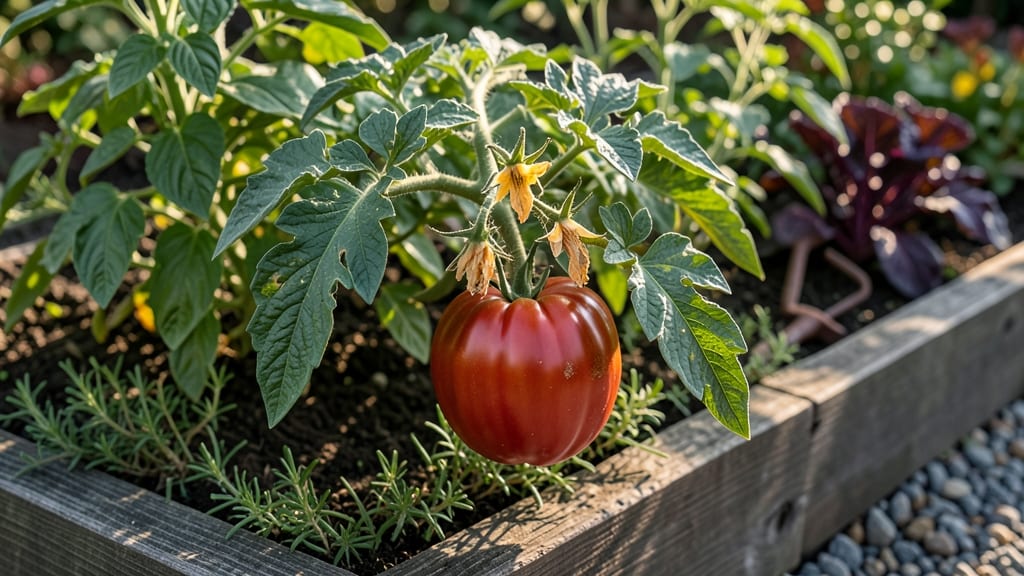
Old German tomato varieties are typically determinate, producing compact plants with bushy growth and a single harvest window, while indeterminate types grow vine-like with continuous fruiting. Choose determinate for smaller spaces and indeterminate for trellises and extended yields.
Most heirloom German tomatoes fall into the determinate category because their ancestors were bred for cold climates and limited growing seasons.
These compact plants stop growing once they set fruit, delivering a concentrated harvest all at once—ideal for canning or preserving. 🌱 Indeterminate varieties, though rarer in German traditions, offer longer production periods, perfect for fresh eating throughout summer.
The key difference lies in their structural needs: determinate types rarely need staking, while indeterminate vines thrive when trained vertically.
For gardeners working with limited space, determinate varieties like 'Ailsa Craig' shine in containers or small plots, while sprawling indeterminate types such as 'Black Krim' (a Russian-German hybrid) reward patience with continuous yields.
German climate conditions often favor determinate choices, but modern gardeners can experiment with both for diversity in flavor and harvest timing.
💡 In This Article
- How Determinate vs Indeterminate German Tomatoes Grow Differently
- Best Old German Tomato Varieties for Your Garden Setup
How determinate vs indeterminate German tomatoes grow differently
The fundamental difference between determinate and indeterminate German tomato varieties lies in their growth hormones and genetic programming. Determinate types produce a hormone called florigen at their terminal bud, signaling the plant to stop growing vertically and focus energy on fruit production.
This creates the classic bushy, compact shape seen in varieties like 'Stupice,' where all growth occurs within a 3-4 foot radius—perfect for small gardens or containers. 🌿 Their root systems are also shallower, typically spreading 18-24 inches wide but only 12-18 inches deep, which makes them more drought-sensitive but easier to transplant.
Indeterminate varieties, on the other hand, lack this growth-stopping signal and continue producing new shoots from their tips indefinitely. This creates the vine-like structure that can reach 6-10 feet tall if unchecked, requiring sturdy trellises or cages.
Their root systems are deeper, often extending 2-3 feet to access moisture, which gives them a survival advantage in Germany's cooler, wetter summers. The flowering process in indeterminate types is also continuous—each new vine segment produces flowers that develop into fruit, resulting in that extended harvest window that gardeners love.
What this means for your garden is a trade-off between convenience and yield duration. Determinate plants mature faster (60-70 days to first fruit) but produce all their tomatoes within a 2-3 week window, ideal for canning or preserving.
Indeterminate varieties take longer to establish (75-90 days) but keep producing until frost, giving you fresh tomatoes for 3-4 months. The choice often comes down to whether you prioritize quick, concentrated harvests or prolonged fresh eating.
German climate plays a crucial role in this decision. Determinate varieties thrive in Germany's cool, short growing seasons because they complete their life cycle before summer heat arrives. Indeterminate types, while less common in traditional German varieties, perform better in warmer microclimates or when given protection from early frosts.
Their sprawling nature also makes them more vulnerable to wind damage in exposed garden locations—a key consideration for German gardeners.
Here's how the growth patterns translate to real-world gardening:
- Space efficiency: Determinate plants fit neatly in 5-gallon containers or 12-inch spacing in rows, while indeterminate vines need 18-24 inches between plants and vertical support
- Harvest timing: Determinate varieties offer a single massive harvest (great for sauces), while indeterminate provide weekly pickings (ideal for salads)
- Climate resilience: Determinate handle Germany's 55-65°F average summer temps better initially, but indeterminate can outperform them in heat waves if properly staked
The botanical differences even extend to how these plants respond to pruning. Determinate types rarely need pruning—removing suckers can actually reduce yield—but indeterminate varieties benefit from regular pruning to focus energy on main vine growth and fruit production.
This is why many German gardeners use the 'Florida Weave' trellising method for indeterminate types, which creates an airy structure that improves airflow and reduces disease risk—a critical factor in Germany's humid summers. 🌱