
Companion Plants
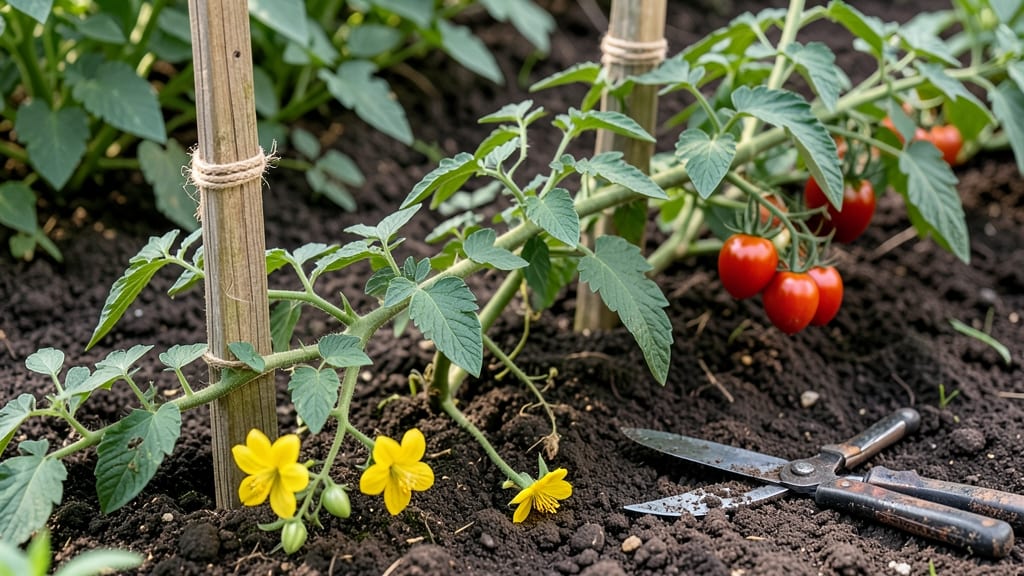
The difference between determinate and indeterminate tomato plants comes down to how they grow—and how you harvest. 🌱 Determinate plants grow to a fixed height and produce all their fruit at once, while indeterminate varieties keep climbing and fruiting all season.
This choice isn’t just about space; it’s about the kind of harvest you want. Determinate tomatoes—like 'Roma' or 'Celebrity'—top out around 3-5 feet and set fruit in 1-2 weeks. They’re perfect for canning or processing, but you’ll need to pick everything at once.
Indeterminate types, such as 'Sungold' or 'Better Boy,' keep growing and producing until frost, giving you a steady supply but requiring more support. Your garden setup matters too. Determinate plants thrive in containers or small spaces, while indeterminates need trellises or cages to handle their sprawling growth.
If you’re short on time or space, determinates win. For a continuous feast, indeterminates are the way to go. Here’s the real question: Do you want a big bang of tomatoes or a slow, steady stream? The answer determines your entire growing strategy.
The first product explained
Meet Sungold Cherry Tomatoes—your go-to hybrid for a burst of sweetness and effortless gardening! 🌞🍅
🌱 Specs & Features
This indeterminate variety is a garden superstar with these standout traits:
- Growth Habit: Indeterminate (vining, 6–8 ft tall—perfect for trellises or cages!)
- Fruit Type: Cherry tomatoes (1-inch diameter, 20–30 per truss)
- Color: Vibrant orange with a tangy-sweet flavor (USDA Zone 4–11)
- Days to Maturity: 60–65 days (fast harvest for impatient gardeners!)
- Disease Resistance: Tolerates Verticillium wilt and Fusarium wilt (great for humid climates)
- Yield: Prolific producer—hundreds of tomatoes per plant all season!
👩🌾 Who’s It For?
Ideal for:
- 🌿 Beginner gardeners—easy to grow, forgiving, and high-yielding.
- 🍽️ Home cooks & snackers—sweet, juicy tomatoes perfect for salads, salsas, or eating straight off the vine!
- 🏡 Small-space gardeners—thrive in containers (5-gallon pots or larger) or vertical setups.
- 🌎 Organic growers—no GMOs, and resistant to common pests.
💰 Price Point & Where to Buy
Affordable and widely available:
- Seed Cost: $2–$4 per packet (enough for 2–3 plants).
- Seedlings: $3–$6 each (check local nurseries or online retailers like Burpee or Bonnie Plants).
- Pro Tip: Buy organic seeds for chemical-free gardening! 🌱
Why It’s a Must-Have: Sungold’s explosive flavor and low-maintenance nature make it a top pick for indeterminate lovers who crave continuous harvests all season long. Plus, its bright color adds a pop of cheer to any garden! 🌈
The second product explained
If you're looking for a high-yielding, space-efficient tomato plant that thrives in containers or small gardens, the Burpee 'Tiny Tim' Determinate Tomato is a fantastic choice! 🌱🍅 This compact, bushy variety is perfect for urban gardeners, balconies, or anyone short on space but eager for a bountiful harvest.
📏 Specs & Features
- Type: Determinate (bush variety)
- Height: 18–24 inches (ideal for containers!)
- Spread: 18–24 inches (compact and tidy)
- Fruit: Small, sweet, cherry-red tomatoes (1–1.5 inches)
- Days to Maturity: 55–60 days (fast-growing!)
- Yield: Prolific producer with clusters of tomatoes
- Disease Resistance: Tolerates common issues like fusarium wilt and verticillium wilt
- Sunlight Needs: Full sun (6–8 hours daily)
- Soil Preference: Well-draining, fertile soil (pH 6.0–6.8)
🎯 Target Users
This tomato variety is a dream for:
- Urban gardeners with limited space (patio, balcony, or rooftop)
- Beginner growers who want an easy, low-maintenance plant
- Container enthusiasts (fits perfectly in 5-gallon pots!)
- Organic gardeners seeking a hardy, disease-resistant option
- Salad lovers who crave sweet, juicy cherry tomatoes year-round (if grown in warm climates)
💰 Price Point & Availability
The Burpee 'Tiny Tim' is widely available and budget-friendly, typically priced between $3–$5 per plant (or as seeds for $2–$4 per packet). You can find it at:
- Local nurseries and garden centers
- Online retailers like Burpee Seeds, Amazon, or Etsy
- Garden expos and seed swaps (check for organic or heirloom varieties!)
Pro Tip: 💡 Pair 'Tiny Tim' with basil or marigolds to boost flavor and deter pests naturally!
Head-to-head comparison
Choosing between determinate and indeterminate tomato plants can feel like picking between two very different gardening personalities—each with its own strengths, quirks, and ideal scenarios. To help you decide which fits your garden (and lifestyle) best, let’s break down their key differences in a clear, side-by-side comparison.
Whether you’re a space-conscious urban gardener or a sprawling backyard enthusiast, this breakdown will guide your decision!
🌱 Growth Habit & Size
This is the most visually obvious difference—and it directly impacts how you’ll manage your plants.
- Determinate Tomatoes:
- Grow in a compact, bushy shape (typically 3–5 feet tall).
- Stems stop growing after reaching maturity, producing fruit in clusters near the top.
- Ideal for small gardens, containers, or vertical growing (e.g., trellises, cages).
- Pro Tip: 💡 No pruning needed! Their self-contained structure makes them low-maintenance.
- Indeterminate Tomatoes:
- Grow tall and sprawling (often 6–10+ feet tall) with unlimited vertical growth if supported.
- Produce fruit along the entire stem, creating a continuous harvest.
- Require strong support (e.g., stakes, cages, or floppy files) to prevent sprawling.
- Pro Tip: ✨ Prune suckers regularly to direct energy to fruit production and improve airflow.
🍅 Harvest Timeline & Yield
Your patience (or impatience!) will thank you for understanding these key differences.
| Factor | Determinate Tomatoes | Indeterminate Tomatoes |
|---|---|---|
| Harvest Window | Short and intense (2–3 weeks of peak production). | Long and staggered (fruit ripens over weeks to months). |
| Yield Quantity | All fruit ripens at once → heavy harvest in one go (great for canning!). | Continuous fruiting → moderate but steady supply (ideal for fresh eating). |
| Flavor & Use | Often sweeter and more concentrated due to shorter growth. Perfect for sauces, salsas, or drying. | Tend to be juicier and more versatile (great for salads, sandwiches, or slicing). |
💰 Cost & Maintenance
Your wallet and time will notice the difference—especially if you’re scaling up!
- Determinate Tomatoes:
- Lower upfront cost (fewer plants needed for same yield).
- Minimal pruning/staking (save time on maintenance).
- Higher labor for harvest (all at once = more picking!).
- Pro Tip: 🎯 Plant in batches if you want staggered harvests without indeterminate effort.
- Indeterminate Tomatoes:
- Higher initial investment (more plants for same yield, but spread out).
- Requires more staking/pruning (time-intensive but rewarding).
- Less stress on harvest days (no rush to pick everything at once!).
- Pro Tip: 💡 Use drip irrigation to save water—indeterminates need consistent moisture for their long growth.
🌿 Space & Garden Layout
Not all gardens are created equal—here’s how each type adapts to your space.
- Determinate Tomatoes:
- Perfect for small spaces (containers, balconies, or tight rows).
- Work well in succession planting (replace old plants with new ones for extended harvests).
- Pro Tip: 🌡️ Use heat-loving varieties like ‘Roma’ or ‘Celebrity’ for compact, high-yielding bushes.
- Indeterminate Tomatoes:
- Need vertical space (trellises, cages, or tall stakes—think “skyscrapers” of tomatoes!).
- Ideal for large gardens or greenhouses where sprawling is manageable.
- Pro Tip: 🔥 Train vines upward to maximize space and improve airflow (reduces disease risk!).
🛡️ Disease & Pest Resistance
No tomato plant is invincible, but these types handle challenges differently.
- Determinate Tomatoes:
- Generally more resistant to cracking (since they ripen all at once).
- Can be prone to blossom-end rot if soil moisture fluctuates.
- Pro Tip: 🌱 Mulch heavily to retain moisture and reduce stress.
- Indeterminate Tomatoes:
- More susceptible to cracking and sunscald (due to uneven ripening).
- Longer growth = higher risk of pests/diseases (e.g., hornworms, blight).
- Pro Tip: 🔪 Remove lower leaves to improve airflow and deter pests.
🌍 Climate & Seasonal Adaptability
Not all tomatoes thrive in every climate—here’s how each type handles the elements.
- Determinate Tomatoes:
- Great for shorter growing seasons (ripen quickly).
- Can struggle in extreme heat (set fruit may drop if stressed).
- Pro Tip: ⏰ Start seeds early to give them a head start in cooler climates.
- Indeterminate Tomatoes:
- Thrive in long, warm seasons (continuous growth = more time to fruit).
- May suffer in cold snaps (delicate flowers can drop if temps dip).
- Pro Tip: 🌡️ Use row covers for early
Which one should you choose?
So, which tomato type is right for you? The answer depends on your growing space, goals, and lifestyle. Let’s break it down to help you make the best choice for your garden! 🌱✨
🏡 For Small Spaces or Containers:
If you’re working with limited room—whether it’s a balcony, patio, or tiny backyard—determinate tomatoes are your best bet. Their compact, bushy growth means they thrive in pots, hanging baskets, or raised beds. Plus, their early and concentrated harvests make them perfect for quick rewards! 🥒💚
- Best for: Urban gardeners, renters, or those with limited outdoor space.
- Top picks: Cherry tomatoes (like 'Sweet 100'), 'Roma,' or 'Patio Princess.'
- Pro tip: 💡 Use self-watering containers to keep roots consistently moist without overwatering.
🌿 For Large Gardens or Big Harvests:
If you’ve got space to spare and dream of endless tomato feasts, indeterminate varieties will steal the show. These vines keep producing until frost, giving you a steady supply of tomatoes for sauces, salsas, or fresh eating. They’re ideal for trellises, cages, or even vertical gardening! 🍅🌳
- Best for: Homesteaders, serious gardeners, or anyone who loves canning and preserving.
- Top picks: 'Sungold,' 'Brandywine,' or 'Beefsteak' varieties.
- Pro tip: 🌡️ Prune regularly to improve air circulation and prevent disease—especially in humid climates!
🎯 For Mixed Goals or Experimentation:
Why choose just one? Many gardeners grow both types to balance early harvests (determinate) with long-term production (indeterminate). Plant determinates near the front of your garden or in containers for quick access, while indeterminates can climb in the back or along fences. It’s a win-win for variety and efficiency! 🍅🥒🌟
- Best for: Gardeners who love diversity, want to extend their season, or enjoy both cherry and slicing tomatoes.
- Pro tip: ✨ Try interplanting determinate tomatoes with fast-growing crops like lettuce or radishes to maximize space!
🚜 For Climate Considerations:
If you’re in a shorter growing season (like the Northeast or Canada), determinate tomatoes mature faster and are less likely to suffer from late frosts. In warmer climates (like the South or Southwest), indeterminates thrive with their heat tolerance and continuous production.
Know your frost dates and heat zones to pick wisely! ❄️☀️
No matter which you choose, remember: the best tomato plant is the one that you’ll actually grow and enjoy. Happy planting—and may your harvest be bountiful! 🍅💛