
Watering
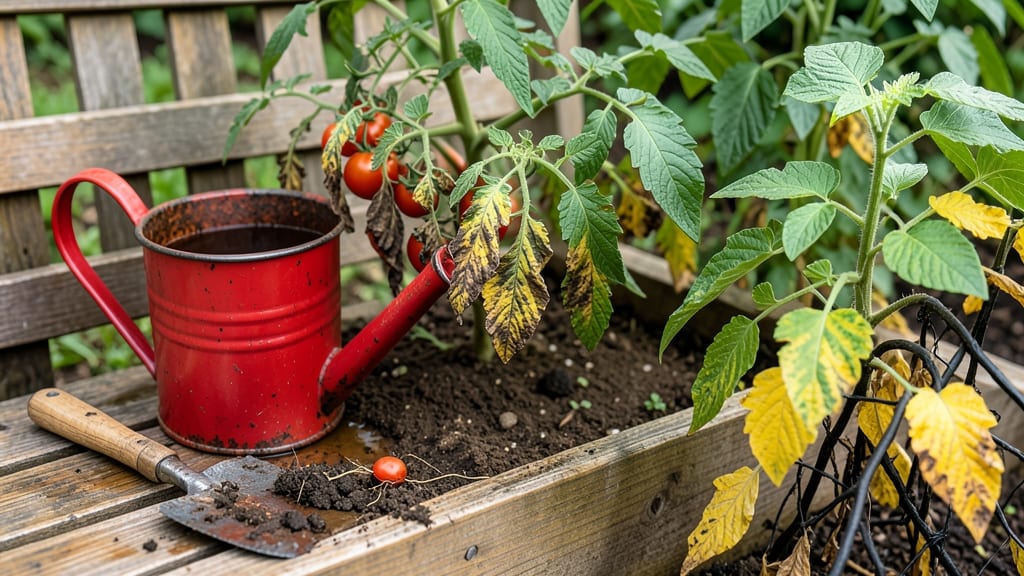
Your tomato plants might look as sad as these overwatered pictures of overwatered tomato plants—but I’ve saved dozens from drowning, and here’s how to spot and fix the problem before it’s too late. 🌱 The first sign?
Yellowing lower leaves that feel mushy when you touch them, paired with wilting that doesn’t improve by evening. That’s not thirst—it’s suffocation.
Overwatering strangles roots by cutting off oxygen, turning soil into a soggy swamp where fungus thrives. My biggest mistake? Watering on a schedule instead of checking soil moisture—stick your finger in 2 inches deep.
If it’s damp, wait. If it’s dry, water deeply but only until the top 6 inches are moist. Drainage matters too: raised beds or containers with holes prevent the "mud pit" effect.
Within a week of adjusting, you’ll see crisp green leaves re-emerging at the base and stems standing tall again. Prune any blackened or rotten stems with clean shears, and consider a balanced fertilizer to help recovery. The key is consistency—tomatoes hate wet feet but love steady moisture, not puddles.
This works for both garden beds and containers, though potted plants need extra vigilance. If your soil stays compacted, mix in perlite or compost to improve aeration. Trust me, your harvest is worth the effort—no more sad, wilted tomatoes when you can have vibrant, productive plants by midseason.
Root Causes Of Overwatering
When your tomato plants look like they’ve been crying into a glass of water—wilting, yellowing, or sporting sad, droopy leaves—it’s often a sign of overwatering. But why does this happen?
The issue usually stems from a mix of human habits, soil science, and plant biology. Let’s break down the real culprits behind those overwatered pictures of tomato plants you’ve been avoiding.
Tomatoes hate soggy feet. If your garden beds, containers, or raised planters lack proper drainage, excess water pools around the roots instead of draining away. Here’s why this is a disaster:
- Oxygen starvation: Roots need oxygen to breathe. When soil stays waterlogged, air pockets collapse, suffocating roots and triggering anaerobic conditions—a fancy term for "roots drowning in their own wet socks."
- Fungal feasts: Stagnant water creates the perfect buffet for Phytophthora and Pythium, fungi that rot roots and spread like gossip in a tomato patch.
- Nutrient lockout: Overwatered soil flushes away essential nutrients (like nitrogen and potassium) before roots can absorb them, leaving your plants malnourished despite your efforts.
Actionable fix: Test your soil’s drainage by digging a hole, filling it with water, and timing how long it takes to drain. If it’s slower than a sloth on a Sunday, amend with perlite, sand, or compost to loosen the soil.
Sticking to a rigid watering routine—especially if you’re new to gardening—can backfire. Tomatoes don’t need daily drinks unless it’s scorching hot or windy. Here’s what happens when you overdo it:
- Surface-level stress: Frequent shallow watering encourages roots to stay near the top of the soil, where they’re more vulnerable to drying out later.
- Blossom end rot: Inconsistent moisture (even from overwatering) disrupts calcium uptake, leading to those ugly, black bottoms on tomatoes.
- Weak root development: Plants that never experience mild drought stress grow fluffy, shallow roots instead of deep, resilient ones.
Actionable fix: Water deeply 1–2 times per week (adjust for climate), aiming for 1–1.5 inches of water per week. Use a moisture meter or the "finger test"—stick your finger 2 inches into the soil; if it’s damp, wait.
Not all soil is created equal. Heavy clay or compacted soil acts like a sponge that never lets go, trapping water and cutting off airflow to roots. Here’s the science:
- Clay’s tight grip: Clay particles pack tightly, leaving minimal pore space for air and water to move freely. Roots suffocate, and nutrients get stuck in a traffic jam.
- Organic matter deficit: Soil low in compost or peat holds water like a swamp but offers no structure for roots to expand.
- pH imbalances: Overly acidic or alkaline soil disrupts nutrient availability, making plants thirsty for more water to compensate.
Actionable fix: Amend your soil with 3–4 inches of compost or a 50/50 mix of potting soil and perlite. For clay soil, add gypsum or coarse sand to improve aeration.
Watering based on a calendar instead of the sky is a fast track to overwatered tomato plant pictures. Humidity, rain, and temperature all play a role:
- Humid days = less evaporation: In high humidity, soil stays wet longer, even if you watered yesterday. Double-check before watering!
- Rainfall surprises: A 1-inch rainstorm can satisfy a tomato’s weekly water needs—if you water on top of that, you’re drowning your plants.
- Wind and heat: Windy or hot days dry soil faster, but overcompensating with extra water can lead to runoff and wasted H₂O.
Actionable fix: Use a weather app or rain gauge to track precipitation. Adjust watering by halving your usual amount after rain.
Most overwatering mistakes stem from good intentions gone wrong. The key is observation + adjustment. Next up: how to revive your soggy tomatoes before it’s too late! 🍅💦
How To Revive And Prevent Overwatered Tomatoes
Overwatering can turn your thriving tomato plants into sad, mushy messes—but don’t toss them just yet! With the right steps, you can nurse them back to health and keep future harvests happy.
Below, we’ll tackle the root causes (literally!) of overwatering and match them with practical fixes, plus tips to prevent a repeat performance.
Cause: Too much water suffocates roots, starving them of oxygen and causing leaves to yellow or droop.
How to Fix It:
- 🔥 Stop Watering Immediately
- Let the soil dry out completely before watering again. Stick your finger 1–2 inches into the soil—if it’s damp, wait.
- 🍳 Improve Drainage Fast
- For pots: Move plants to a well-draining container (terracotta works best) and add a layer of perlite or coarse sand at the bottom.
- For garden beds: Amend the soil with compost or organic matter to loosen compacted dirt.
- 👨🍳 Prune Damaged Foliage
- Snip off yellow or blackened leaves with clean scissors to redirect energy to healthy growth.
Prevention Tip: 💡 Water deeply but infrequently—tomatoes prefer a drink once every 2–3 days (adjust for heat/humidity). Use a moisture meter to avoid guesswork!
Cause: Overwatering + inconsistent moisture triggers calcium uptake issues, leading to those ugly black spots on tomatoes.
How to Fix It:
- 🥘 Balance Soil pH & Calcium
- Mix 1 tbsp of crushed eggshells or 1 tsp of calcium nitrate into the soil near roots. Eggshells take 2–3 weeks to break down—speed it up by grinding them finer.
- ⏰ Mulch to Lock in Moisture
- Spread 2–3 inches of straw or wood chips around the base (but not touching the stem) to keep soil moisture steady.
- 🔪 Remove Affected Fruits
- Snip off blackened tomatoes to save the plant’s energy for new growth.
Prevention Tip: 🌡️ Keep soil temps consistent—tomatoes hate cold, wet roots. Use black plastic mulch in cool climates to warm the soil.
Cause: Overwatering creates a damp, fungus-friendly environment, especially in humid climates.
How to Fix It:
- 🍳 Air It Out
- Prune lower leaves to improve airflow. Space plants 18–24 inches apart if overcrowded.
- 🔥 Fungicide Spray (DIY or Store-Bought)
- Baking soda spray: Mix 1 tsp baking soda + 1 tbsp oil + 1 tsp soap per quart of water. Spray under leaves weekly.
- Neem oil: Follow package instructions for a natural fungicide.
- 🌡️ Water at the Right Time
- Only water in the morning so foliage dries by evening. Avoid overhead sprinklers—use drip irrigation or a soaker hose instead.
Prevention Tip: ✨ Rotate crops—don’t plant tomatoes in the same spot yearly. Fungal spores linger in old soil!
Cause: Chronically soggy soil drowns roots, turning them mushy and black. This is often fatal if ignored.
How to Fix It (If Caught Early):
- 🔪 Trim the Damage
- Gently remove the plant, rinse roots, and cut off all black/mushy roots with sterile scissors.
- 🍳 Repot in Fresh, Dry Soil
- Use a sterilized pot (boil for 10 mins) with cactus/succulent mix (fast-draining). Let roots dry for 24 hours before replanting.
- 👨🍳 Hold Off on Water
- Wait 5–7 days before watering lightly. Monitor for new growth—if none appears in 2 weeks, the plant is likely beyond saving.
Prevention Tip: 🎯 Upgrade your pots—ensure they have drainage holes and avoid saucers that trap water. For garden beds, raise beds or plant on mounds.
Final Pro Tip: 💡 When in doubt, underwater! Tomatoes are drought-tolerant and bounce back faster from dryness than from rot. A little wilting is better than a soggy grave. 😉
Frequently asked questions
How can I tell if my tomato plants are truly overwatered vs. underwatered?
Overwatered plants show yellowing lower leaves that feel mushy, while underwatered plants have crispy brown edges on leaves and dry soil. The key difference: overwatered roots smell foul and turn black, while underwatered roots stay firm. Check soil moisture by sticking your finger 2 inches deep—if damp, you're overwatering.
Can I save tomato plants with black, mushy stems from overwatering?
Only if caught early! Trim away all blackened stems with clean scissors, then replant in dry, fast-draining soil (like cactus mix). Withhold water for 5-7 days to let roots recover. If the stem is hollow or completely black, the plant is likely beyond saving. Prevention is key—never let soil stay soggy for more than 24 hours.
Why do my tomato leaves turn yellow after watering, even when the soil feels dry?
This often means root suffocation from poor drainage or compacted soil. Yellowing after watering suggests roots can't absorb oxygen—common in clay soil or containers without drainage holes. Fix it by amending soil with perlite or compost and watering only when the top 1-2 inches are completely dry.
How often should I water tomato plants in pots vs. garden beds?
Potted tomatoes need watering every 1-2 days (they dry out faster), while garden beds require 2-3 times per week. Always check soil moisture—pots need drainage holes and should never sit in saucers of water. Morning watering prevents fungal growth from evening dampness.
Will mulch help prevent overwatering in my tomato plants?
Actually, mulch helps retain moisture—use it carefully! Apply 2-3 inches of straw around plants (not touching stems) to prevent soil crusting. For overwatering-prone areas, use gravel mulch instead to improve drainage. The key is balancing moisture retention with airflow to prevent root rot.