
Plants
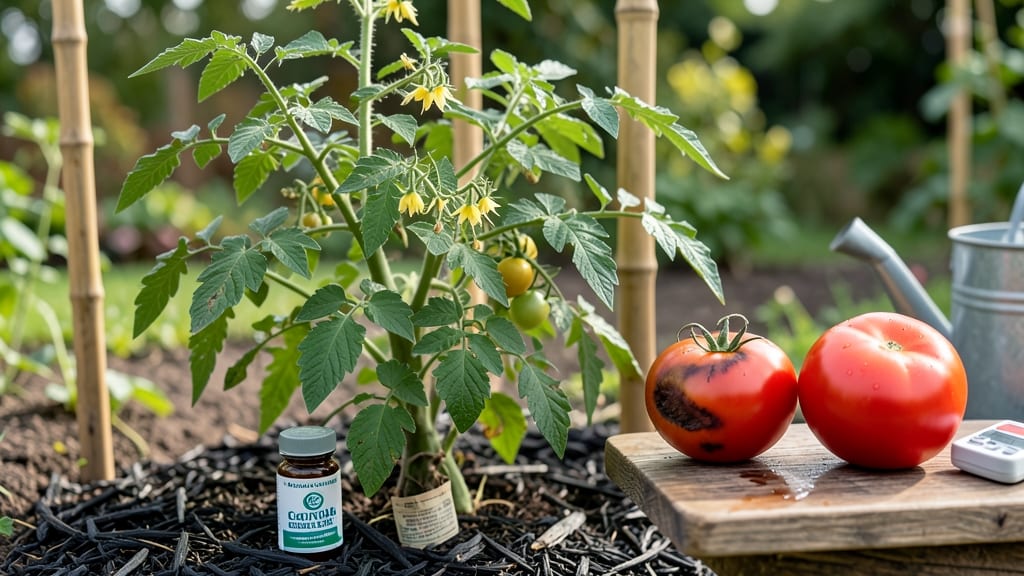
Prevent blossom end rot in tomato plants before it turns your harvest into a sad, scarred mess—because the fix isn’t just about water or fertilizer, but calcium timing that most gardeners overlook completely.
The problem starts when fast-growing tomatoes outpace calcium uptake, usually from uneven watering or soil that’s too acidic. My first year, I lost half my harvest to those ugly black spots—until I switched to consistent moisture and added crushed eggshells at planting.
The difference? Zero rot, and fruits that stay crisp and sweet.
You’ll end up with tomatoes so flawless they’ll make your neighbors ask for secrets. The key is balancing calcium sources (organic or chemical), keeping soil pH neutral, and watering like a pro—no droughts, no floods.
I’ll show you exactly how to do it in 3 simple steps that work every season.
Works for backyard gardens, containers, or even greenhouse tomatoes. Once you master this, you’ll never waste another harvest on ugly fruit again. Let’s fix those plants for good!
Root Causes of Blossom End Rot
Blossom end rot isn’t just a random tomato woe—it’s a cry for help from your plants, often tied to calcium deficiency or environmental stress. While calcium is the star villain, other factors like watering habits, soil conditions, and even temperature swings play supporting roles.
Let’s break down the science behind why your tomatoes develop those unsightly dark, sunken patches at the blossom end.
Calcium is the structural backbone of plant cell walls, especially in fast-growing fruits like tomatoes. When calcium levels drop—even if the soil contains enough—your tomatoes can’t transport it quickly enough to keep up with their growth. Here’s why this happens:
- Poor calcium uptake: Calcium moves through the plant via the transpiration stream (water evaporation from leaves). If roots can’t absorb enough water (due to dry soil or compacted roots), calcium gets "trapped" in the roots and never reaches the fruit.
- Rapid fruit expansion: Tomatoes grow 1–2 inches per day during peak season. If the plant can’t supply calcium fast enough, the youngest cells (at the blossom end) collapse first.
- pH imbalances: Soil pH below 6.0 or above 7.0 locks calcium out of root uptake. Tomatoes thrive in 6.2–6.8 pH.
- Competition for nutrients: Excess nitrogen (common in fertilizers) can outcompete calcium for root absorption, starving the fruit.
Fun fact: Blossom end rot is not a disease—it’s a physiological disorder, meaning it’s caused by environmental or nutritional stress, not pathogens.
Watering is where most gardeners trip up. Blossom end rot thrives when moisture levels fluctuate wildly. Here’s the science:
- Drought stress: When soil dries out, roots shrink, creating tiny air gaps that block calcium transport. Even a single day of drought can trigger rot in susceptible tomatoes.
- Overwatering: Soggy soil reduces oxygen around roots, slowing calcium absorption. It also leaches nutrients, worsening deficiencies.
- Uneven water distribution: Drip irrigation or surface watering can leave roots in some areas dry while others are waterlogged. Tomatoes need consistent moisture at the root zone.
Pro tip: Use a moisture meter or the "finger test" (stick your finger 1–2 inches into the soil daily). If it’s dry, water deeply until moisture reaches 12+ inches down.
Tomatoes are heat-loving but hate extreme swings. Temperature stress disrupts calcium movement in two ways:
- Heat stress (above 90°F/32°C): High temps increase transpiration (water loss through leaves) but slow root activity. The plant "panics" and prioritizes water over calcium, leaving fruits starved.
- Cold snaps (below 50°F/10°C): Chilly nights reduce root uptake by 30–50%, cutting off calcium supply. This is why rot often appears after a sudden drop in temperature.
- Frost damage: Even light frost can kill root tips, severing the plant’s calcium pipeline overnight.
Solution: Use mulch (straw or shredded leaves) to regulate soil temps and shade cloth during heatwaves. Avoid planting tomatoes in low-lying areas where cold air pools.
Healthy roots = healthy calcium transport. If your soil is compacted, waterlogged, or lacking organic matter, roots struggle to absorb nutrients efficiently. Key culprits:
- Clay soil: Holds water but suffocates roots with poor aeration. Calcium can’t move freely in waterlogged conditions.
- Sandy soil: Drains too fast, leaving roots constantly thirsty and unable to uptake calcium consistently.
- Lack of organic matter: Compost and worm castings bind calcium in a form roots can easily access. Without it, calcium sits idle in the soil.
- Salinity buildup: Over-fertilized or irrigated-with-salty-water soil blocks root absorption of calcium and other nutrients.
Fix it: Amend soil with compost (1–2 inches mixed into the top 6 inches) and consider gypsum (calcium sulfate) to improve structure in clay soils.
Now that you know the real culprits behind blossom end rot, the next section will show you how to fix it—fast and prevent it for good. Stay tuned!
Quick Fixes for Blossom End Rot
Blossom end rot may look like a death sentence for your tomatoes, but with the right approach, you can save your plants—and even prevent future outbreaks. The key lies in diagnosing the root cause (literally!) and applying targeted solutions.
Below, we’ve mapped the most common triggers to their fixes, so you can act fast and keep your tomato harvest thriving.
If your tomatoes are showing dark, sunken spots at the blossom end, low calcium is usually the villain. Calcium helps cell walls stay strong, and without it, fruits develop soft, rotting patches.
How to Fix It:
✅ Boost Calcium Immediately - Epsom Salt Soak (Quick Relief): Mix 1 tablespoon of Epsom salt (magnesium sulfate) and 1 tablespoon of calcium chloride or crushed eggshells in a gallon of water.
Use this as a foliar spray or soil drench every 3–5 days until symptoms improve. - Calcium-Rich Fertilizer: Switch to a balanced fertilizer with added calcium (look for labels with "calcium nitrate" or "gypsum"). Apply it at half-strength to avoid overloading the plant.
✅ Prevent Future Shortages - Eggshell Remedy (Free & Effective): Crush eggshells into a fine powder and sprinkle them around the base of your tomato plants.
The shells break down slowly, releasing calcium into the soil. Pro tip: Bake shells at 200°F (93°C) for 10 minutes first to kill bacteria, then grind them finely for faster absorption. - Compost Tea: Brew a calcium-rich compost tea using well-aged compost, molasses, and water.
Strain and apply it to the soil weekly.
💡 Prevention Tip: Test your soil’s pH—calcium absorbs best in slightly acidic to neutral soil (6.0–7.0). If your soil is too alkaline, amend it with peat moss or sulfur to improve calcium uptake.
Tomatoes love consistent moisture. Too much or too little water throws off calcium absorption, leading to rot.
How to Fix It: ✅ Water Like a Pro
Deep & Frequent Watering: Water deeply 1–2 times per week (depending on climate) rather than shallow daily sprinkles.
Aim for 1–2 inches of water per week, delivered at the base of the plant (not the leaves). - Mulch to Retain Moisture: Spread 2–3 inches of organic mulch (straw, grass clippings, or wood chips) around plants to keep soil evenly moist and cool.
✅ Adjust for Weather
- Hot Days? Water early in the morning to reduce evaporation.
- Rainy Spells? Ensure pots have drainage holes and elevate containers to prevent waterlogging.
🌡️ Prevention Tip: Use a moisture meter or the "squeeze test"—gently press the soil; if it’s dry 1 inch below the surface, it’s time to water.
Compacted, nutrient-poor, or overly sandy soil blocks calcium from reaching roots.
How to Fix It:
✅ Improve Soil Structure
- Add Organic Matter: Mix in compost, well-rotted manure, or coconut coir to loosen soil and boost calcium availability.
- Gypsum Boost: Sprinkle gypsum (calcium sulfate) around plants—it’s fast-acting and won’t alter soil pH. Use 1–2 pounds per 100 sq ft and water it in.
✅ Raise Beds for Better Drainage
- If your soil is clay-heavy or waterlogged, consider raising beds with a mix of topsoil, perlite, and compost for better aeration.
🎯 Prevention Tip: Test your soil every 2–3 years. A simple home test kit (or lab test) can reveal calcium levels and guide amendments.
Too much nitrogen-heavy fertilizer (like blood meal or high-N synthetic blends) starves calcium by promoting leafy growth over fruit development.
How to Fix It:
✅ Switch to a Balanced Feed
- Use a 5-10-10 or 10-10-10 fertilizer (lower nitrogen, balanced NPK) to encourage fruit production over foliage.
- Fish emulsion or seaweed extract provides calcium + micronutrients without overloading nitrogen.
✅ Flush the Soil
- If you’ve over-fertilized, leach the soil by watering heavily for 10–15 minutes to rinse out excess salts.
🔥 Prevention Tip: Side-dress (apply fertilizer to the soil around plants, not on leaves) every 3–4 weeks with a low-nitrogen, high-calcium mix.
Extreme heat, strong winds, or fungal infections can disrupt calcium uptake even if your soil is rich.
How to Fix It:
✅ Shade & Support
- Provide afternoon shade (especially in hot climates) with shade cloth (30–50%) to reduce stress.
- Stake or cage plants to prevent wind damage, which can crack fruits and invite rot.
✅ Fungal Prevention
- Copper fungicide spray (or neem oil) can prevent early blight or alternaria, which worsen blossom end rot.
- Remove affected leaves/fruits immediately to stop the spread.
✨ Prevention Tip: Mulch heavily in hot or windy areas to protect roots and retain moisture.
Need a fast solution? Here’s a cheat sheet:
| Symptom | Likely Cause | Fast Fix | Long-Term Prevention |
|---|---|---|---|
| Dark, sunken spots | Calcium deficiency | Eggshell spray + Epsom salt | Compost + gypsum amendments |
| Wilting + yellow leaves | Overwatering/underwatering | Adjust watering + mulch | Moisture meter + drip irrigation |
| Leafy but no fruit | Too much nitrogen | Switch to 5-10-10 fertilizer | Balanced NPK + side-dressing |
| Cracked, uneven fruits | Soil compaction | Add perlite + gypsum | Raised beds + organic matter |
| Spots + mold on leaves | Fungal infection | Copper spray + prune affected parts | Neem oil preventative sprays |
- Harvest Early: If a tomato shows early signs of rot, pick it before it worsens—it may still ripen indoors.
- Rotate Crops: Avoid planting tomatoes, peppers, or eggplants in the same spot year after year to prevent calcium depletion.
- Monitor pH: Keep soil between 6.0–7.0—calcium binds poorly in alkaline soil (pH >7.5).
With these fixes, your tomato plants will bounce back stronger, and you’ll enjoy plump, rot-free fruits all season long! 🍅✨
Frequently asked questions
Why does blossom end rot only affect the bottom of tomatoes?
This happens because the blossom end is the youngest part of the tomato, growing fastest during fruit development. When calcium supply lags behind growth—often from inconsistent watering or soil issues—the cells at this end collapse first, creating those characteristic dark spots. Think of it like a house foundation: if materials arrive late, the newest sections suffer first!
Can I save tomatoes that already show blossom end rot?
Yes! Remove any severely affected fruit immediately to prevent fungal spread. For mildly spotted tomatoes, harvest them early—they may still ripen indoors. Cut off the rotten portion and use the rest in sauces or salsas where texture doesn't matter. The plant itself can recover with proper calcium treatment!
How often should I apply calcium to prevent blossom end rot?
For prevention, apply calcium-rich amendments every 2–3 weeks during the growing season. Use crushed eggshells at planting, then supplement with foliar sprays (like calcium nitrate solution) every 7–10 days during peak fruit production. Consistency matters more than frequency—don't skip treatments during hot, dry periods!
Will compost alone prevent blossom end rot?
Compost helps, but it's not enough by itself—especially in sandy or clay soils. While it provides calcium over time, tomatoes need immediate availability during rapid growth. Pair compost with quick-release sources like gypsum or eggshells, and monitor soil moisture daily. The combo works best!
Can container-grown tomatoes get blossom end rot too?
Container tomatoes are actually more prone because their roots have limited access to calcium and dry out faster. Use a well-draining potting mix with added calcium, water consistently, and choose containers with at least 5-gallon capacity per plant. Mulch heavily to maintain moisture!