
Plants
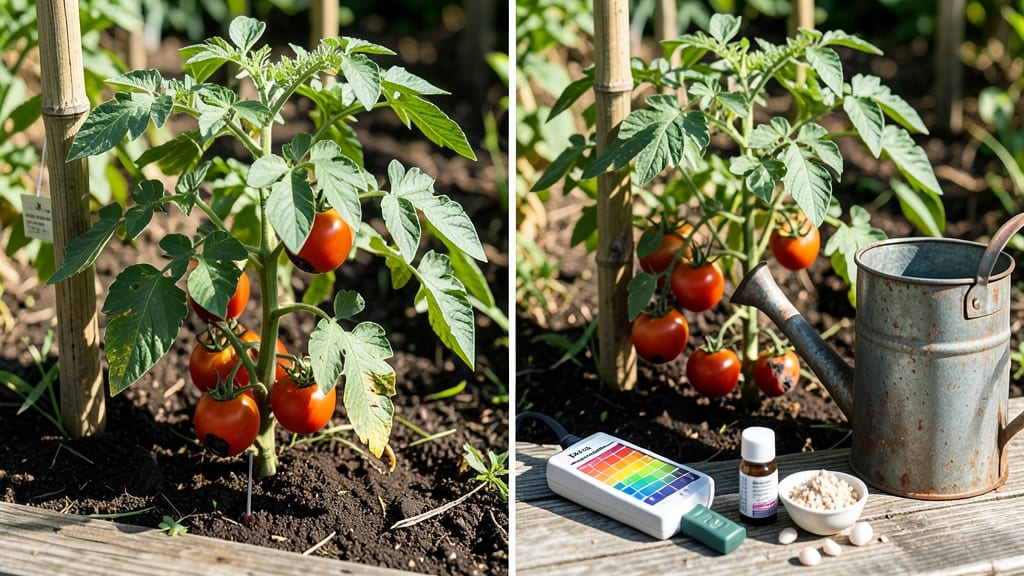
Your tomato plants are putting out fruit—but the bottoms are turning crispy and black from blossom end rot. 🌱 I’ve battled this stubborn problem for years, and I’ve learned the exact calcium fixes that actually work (without wasting money on fancy products).
The good news? This isn’t a death sentence for your harvest.
Most gardeners assume it’s just a watering issue, but the real culprit is often a calcium deficiency—especially when soil pH is off or water fluctuates wildly. The blackened spots start small, then spread, but with the right amendments (like crushed eggshells or gypsum), you can reverse it fast.
I’ve saved entire plants just by adjusting my routine.
Here’s the game-changer: consistent moisture (deep watering 1-2 times a week) paired with a side dressing of calcium-rich compost. Within weeks, new tomatoes form without those ugly scars. And yes, it works for heirlooms, cherry tomatoes, and even greenhouse varieties.
Even if your plants look rough now, this fix is simpler than you think—and it’ll keep your harvest crisp and productive all season. Let’s turn those sad tomatoes around before it’s too late.
Root Causes Of Fruit Scarring
Blossom end rot isn’t just a random act of nature—it’s your tomato plant’s way of screaming for help. 🚨 The most common triggers are calcium deficiency, watering woes, and environmental stress.
Let’s break down the science behind each culprit so you can fix the problem at its source.
---
Calcium is the unsung hero of plant health, especially for tomatoes. It strengthens cell walls, helping fruits develop properly. But when your soil lacks calcium—or your plant can’t absorb it—blossom end rot strikes.
- Why it happens: - Insufficient calcium in soil: Sandy or acidic soils (pH < 6.0) bind calcium tightly, making it unavailable. - Poor absorption: Even if calcium is present, uneven watering (drought followed by a flood) disrupts uptake.
Roots can’t deliver calcium fast enough to growing fruit. - Competition from other nutrients: Too much nitrogen or potassium can outcompete calcium, leaving your tomatoes starved.
💡 Pro Tip: Test your soil’s pH—aim for 6.2–6.8 for optimal calcium availability. If it’s off, amend with ground limestone (calcium carbonate) or gypsum (calcium sulfate).
---
Tomatoes are 95% water, but inconsistent moisture is a fast track to blossom end rot. 💦➡️🔥
- Why it happens: - Drought stress: When soil dries out, calcium can’t move from older leaves to new fruit. - Sudden water surges: Heavy rain or overwatering after a dry spell dilutes calcium in the root zone, overwhelming the plant’s ability to transport it. - Shallow root systems: Young plants or those in containers struggle to access deep calcium reserves.
🔥 Fix It Fast: Use drip irrigation or soaker hoses to deliver 1–1.5 inches of water per week, keeping soil consistently moist (not soggy).
---
Even with perfect calcium levels, extreme conditions can trigger blossom end rot by disrupting nutrient flow.
- Why it happens: - High temperatures: Heat speeds up fruit growth but slows calcium absorption.
A 90°F+ day can halt calcium transport entirely. - Salt buildup: Over-fertilizing (especially with synthetic salts) or using poor-quality water (high sodium) blocks calcium uptake. - Root damage: Compacted soil or physical injury restricts root function, cutting off calcium supply.
✨ Prevent It: Mulch heavily to keep roots cool, flush soil with rainwater if using tap water, and avoid fertilizing during heatwaves.
--- Sometimes, the problem isn’t a lack of calcium—it’s too much of the wrong things.
- Why it happens: - Excess magnesium or potassium: These nutrients compete with calcium for uptake, leaving your tomatoes deprived. - Acidic soil: Low pH (below 6.0) locks calcium into unusable forms. - Organic matter breakdown: Fresh manure or compost can temporarily tie up calcium as microbes decompose it.
📊 Test & Adjust: A simple soil test kit ($20–$30) reveals pH and nutrient imbalances. If magnesium is high, switch to calcium-rich amendments like egg shells (crushed) or bonemeal.
--- Not all tomatoes are equally vulnerable—young, fast-growing fruit is the prime target.
- Why it happens: - Rapid cell division: When tomatoes grow too quickly (due to heat or over-fertilizing), calcium can’t keep up. - Late-season blooms: Older plants may struggle to support new fruit with enough calcium.
🍅 Solution: Prune suckers to slow growth, hand-pollinate flowers (tap them gently with a paintbrush), and harvest early if rot appears—smaller tomatoes are less prone.
--- Bottom Line: Blossom end rot is rarely just one issue—it’s usually a combo of calcium starvation, water chaos, and stress. The good news? Once you identify the root cause, fixes like calcium sprays, mulching, and steady watering can save your crop. 🚀
Fixing Blossom End Rot Naturally
Now that you know the root causes of those unsightly dark spots on your tomatoes, it’s time to roll up your sleeves and restore your plants to peak health! Blossom end rot is frustrating, but with the right approach, you can save your crop and prevent future issues.
Below are practical, step-by-step solutions tailored to the most common triggers—plus prevention tips to keep your tomatoes thriving.
---
If your soil is calcium-deficient, your tomatoes will suffer. Here’s how to give them the boost they need:
#### 🍳 Immediate Calcium Boost (Short-Term Fix) - Crush eggshells into powder: Rinse and dry eggshells, then grind them into a fine powder.
Sprinkle 1–2 tablespoons around each plant’s base and lightly water to dissolve. (Pro tip: 💡 Bake shells at 200°F for 10 minutes to kill bacteria before grinding!) - Use crushed limestone or gypsum: Mix 1–2 cups of calcium-rich amendments (like agricultural gypsum) into the top 2–3 inches of soil near the roots.
Water thoroughly to activate. - Apply calcium spray: Mix 1 tablespoon of calcium chloride or calcium nitrate in 1 gallon of water. Spray the foliage (especially undersides) and soil lightly every 7–10 days for 2–3 weeks.
#### 🌱 Long-Term Soil Fix (Prevention) - Test your soil: Use a DIY soil test kit (available at garden centers) or send a sample to a local extension office.
Aim for a pH of 6.0–6.8—calcium absorbs best in this range. - Amend with compost or worm castings: These improve soil structure and provide slow-release calcium.
Mix in 2–3 inches of compost before planting or top-dress mid-season. - Plant calcium-rich companion plants: Basil, marigolds, and borage release calcium into the soil as they grow. Pair them with your tomatoes!
---
Fluctuating water levels stress plants and worsen blossom end rot. Here’s how to keep moisture consistent:
#### 👨🍳 Adjust Your Watering Routine - Water deeply but infrequently: Aim for 1–1.5 inches of water per week (including rain).
Use a soaker hose or drip irrigation to deliver water slowly at the base—avoid overhead sprinklers, which can cause leaf diseases. - Mulch like a pro: Spread 2–3 inches of organic mulch (straw, shredded leaves, or grass clippings) around plants to lock in moisture and prevent soil temperature swings. (Pro tip: 🔥 Mulch also deters weeds and keeps soil cool!) - Water in the morning: This gives roots time to absorb moisture before evening heat evaporates it.
#### ⏰ Avoid Stressful Conditions - Skip watering during fruit set: When tomatoes are flowering and setting fruit (usually mid-summer), reduce watering slightly to encourage deeper root growth—but never let soil dry out completely. - Check soil moisture: Stick your finger 1–2 inches into the soil.
If it’s dry, water; if damp, wait. Overwatering is just as harmful as underwatering!
---
Extreme heat or improper soil pH can block calcium uptake. Here’s how to correct it:
#### 🌡️ Cool Down the Soil - Provide afternoon shade: Use shade cloth (30–50%) or plant taller crops (like corn or sunflowers) nearby to shield tomatoes from midday sun (especially in hot climates). - Use reflective mulch: Lay white plastic or aluminum foil under plants to bounce back sunlight and reduce soil heat. (Pro tip: ✨ This also deters pests!) - Harvest early: Pick tomatoes firm but ripe (when they’re still slightly green) to avoid heat stress on developing fruit.
#### 📊 Balance Soil pH - Lower pH (too acidic): Mix 1–2 cups of crushed limestone into the soil and water well. Retest in 2–3 months. - Raise pH (too alkaline): Add sulfur or peat moss (follow package rates) and water thoroughly. Aim for 6.0–6.8 pH.
---
Once you’ve treated the problem, keep it from returning with these habits:
- Start with calcium-rich soil: Before planting, mix 1 cup of bone meal or crushed eggshells into each planting hole. - Choose disease-resistant varieties: Opt for ‘Celebrity,’ ‘Better Boy,’ or ‘Solar Fire’—these tomatoes handle stress better. - Fertilize wisely: Avoid high-nitrogen fertilizers (like blood meal) during fruiting—they promote leafy growth at the expense of fruit.
Use a balanced 10-10-10 or 5-10-10 instead. - Rotate crops: Don’t plant tomatoes (or other nightshades like peppers/eggplants) in the same spot for 3+ years to prevent calcium depletion.
--- Final Thought: 🎯 Blossom end rot is a fixable problem—don’t let a few bad tomatoes discourage you! With consistent calcium, steady watering, and a little TLC, your plants will bounce back, and you’ll be feasting on plump, rot-free tomatoes in no time. Happy gardening!
Frequently asked questions
Why do only some tomatoes on my plant have blossom end rot?
Newer fruit is usually the first to show signs because it grows faster than the plant can supply calcium. Older tomatoes often have stronger cell walls by the time calcium reaches them. Also, late-season blooms compete with existing fruit for nutrients, making them more vulnerable.
Can I still eat tomatoes with blossom end rot?
Yes, but cut off the blackened area before eating. The rot only affects the skin and outer layer—remove it and the rest is perfectly safe. For severe cases, trim deeper to avoid any bitter taste from affected tissue.
How quickly will my tomato plants recover after fixing the problem?
With proper calcium treatment and consistent watering, you’ll see improvement in 2-3 weeks. New fruit forming after your fixes should be rot-free. For existing damaged tomatoes, they won’t recover, but the plant will produce healthy new ones.
Is it better to use organic or synthetic calcium sources?
Both work, but organic options like crushed eggshells or bone meal release calcium slowly and improve soil structure. Synthetic calcium chloride works faster but can alter soil pH over time. For most gardeners, organic amendments are safer and more sustainable long-term.
Will compost alone prevent blossom end rot?
Compost helps, but it may not provide enough calcium quickly for stressed plants. While it improves soil health, pair it with direct calcium sources like gypsum or eggshells for faster results. Aim for 2-3 inches of compost plus targeted calcium amendments.