
Planting
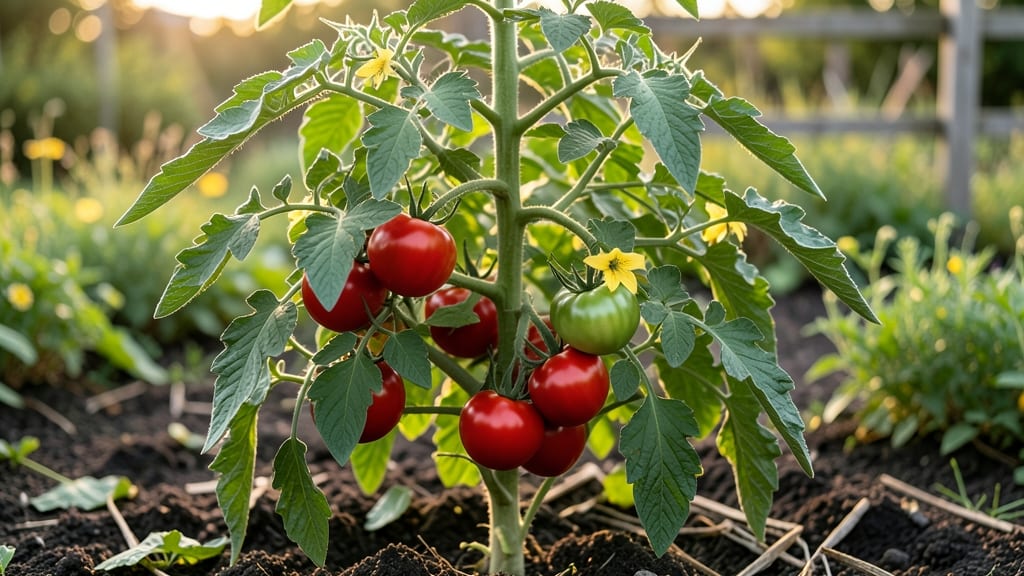
Growing a red beefsteak tomato plant means pound-after-pound of meaty, 12-ounce tomatoes that put store-bought varieties to shame. 🌿 I’ve grown this heirloom for years, and nothing beats the first bite of a sun-ripened slice still warm from the vine—especially when you’ve nurtured the plant yourself.
The secret to success isn’t luck; it’s matching their love of heat and space with the right care from day one. These tomatoes thrive in full sun (6+ hours daily) and well-draining soil with a pH between 6.0 and 6.8.
Plant them deep—bury the stem up to the first leaves—to encourage strong root growth. A cage or sturdy trellis is a must, because one plant can easily reach 6 feet tall and produce 20+ pounds of fruit.
Water consistently at the base (never overhead) to prevent disease, and mulch heavily to retain moisture. By mid-summer, you’ll spot deep red blushes on the fruit and the unmistakable sweet-tart aroma of ripening tomatoes.
Prune suckers regularly to direct energy into fruit production, and watch as your harvest stretches from July through frost. The flavor? Richer than anything you’ll find in a grocery store, with a balance of sugar and acid that’s pure summer in every bite.
Works in containers (5+ gallons) or in-ground gardens, and pairs beautifully with basil, oregano, and peppers. Here’s how to keep them thriving all season long.
📚 In This Guide
- What you need
- Instructions
- Tips and common mistakes
- Wrapping up and next steps
What you need
- ● Red Beefsteak Tomato Seeds or Seedlings: 3–5 plants (for optimal harvests). Choose heat-tolerant varieties like 'Heatmaster' or 'Solar Fire' if your climate runs hot.
- ● Containers or Garden Bed: Containers: 5-gallon pots or fabric grow bags (1 per plant). Ensure they have drainage holes!
- ● Garden Bed: A sunny spot with well-draining soil (6+ hours of sunlight daily). Raised beds work great for control.
- ● Potting Mix: 5–10 gallons of high-quality, moisture-retentive potting mix (avoid garden soil—it compacts!). Look for blends labeled "tomato-specific" or with added compost.
- ● Fertilizer: Balanced Fertilizer (10-10-10 or 5-10-10): 1–2 cups per plant at planting time.
- ● Tomato-Specific Fertilizer (e.g., 7-9-5): For mid-season feeding (follow package instructions).
- ● Staking or Caging System: Tall Stakes: 6–8 ft bamboo or metal stakes (1 per plant).
- ● Cages: 5–6 ft tomato cages (1 per plant). Pro tip: Stakes allow for better air circulation and larger fruit!
- ● Mulch: Straw or shredded leaves (2–3 inches thick) to retain moisture and suppress weeds.
- ● Watering Can or Hose with Soaker Nozzle: For deep, consistent watering (1–2 gallons per plant, 2–3 times weekly).
- ● Pruning Shears: Sharp, clean shears for trimming suckers and dead leaves.
- ● Drip Irrigation Kit: Automates watering and reduces disease risk.
- ● Plant Support Straps: Soft ties to secure vines to stakes or cages.
- ● Epsom Salt: 1 tbsp dissolved in water monthly for magnesium boost (great for large fruit!).
- ● Row Covers or Shade Cloth: For young plants in scorching climates (30–50% shade).
- ● Compost or Worm Castings: Mix into soil for extra nutrients.
Step-by-step guide to growing a thriving red beefsteak tomato plant
Here's how I grow the legendary Red Beefsteak variety—juicy, beefy tomatoes that reward patience with massive harvests.
🌱 Step 1: Select the Perfect Spot with Full Sun Exposure
Red Beefsteaks demand 6-8 hours of direct sunlight daily, so choose a location that gets unfiltered morning sun and afternoon light. A south-facing wall or fence works best, as it captures heat during the day and releases it slowly at night. I always test my spot first by observing how long shade lingers—if the area stays in shadow past midday, supplement with a sunlight reflector or move to a sunnier location.
This variety thrives in warm soil temperatures (70-85°F), so wait until after the last frost date when nighttime temps stay above 55°F. Cold soil slows root development, and seedlings planted too early will struggle to establish. If your spring is cool, use black plastic mulch to warm the soil faster—it raises temperatures by 5-10°F and speeds up germination.
🪴 Step 2: Plant Deeply in Well-Draining Soil with Support Ready
Dig a hole twice as deep as the root ball and loosen the soil at the bottom—this encourages roots to grow downward for stability. Red Beefsteaks develop heavy fruit, so bury ⅔ of the stem to promote additional root growth. I like to make a small trench around the plant to guide roots outward as they establish.
Mix in compost or aged manure (about 2 cups per plant) to enrich the soil without burning roots. Avoid fresh manure—it can cause nitrogen burn. Install a 6-foot tall cage or sturdy stake at planting time. These tomatoes grow 4-6 feet tall and need support early to prevent sprawling. Gently tie the main stem to the cage with soft plant ties, leaving room to grow.
☀️ Step 3: Water Deeply at the Base and Maintain Consistent Moisture
Water deeply once a week (about 1-2 gallons per plant) rather than frequent shallow waterings. This encourages deep root growth, which helps the plant withstand drought and heat stress. I water in the morning so foliage dries quickly, reducing disease risk. Check moisture by sticking your finger 2 inches into the soil—if it feels dry, it's time to water.
Red Beefsteaks are prone to cracking if moisture levels fluctuate wildly. Mulch with 2-3 inches of straw or shredded leaves to retain soil moisture and regulate temperature. Avoid wetting the leaves when watering—this prevents fungal diseases like early blight. If rain is forecast, reduce hand-watering to avoid over-saturation.
✂️ Step 4: Prune and Train for Maximum Airflow and Fruit Production
Pinch off suckers (the small shoots that form in the leaf axils) to direct energy into fruit production. I remove them when they're 2-3 inches long—larger suckers compete with the main stem. Leave 2-3 main stems if growing indeterminately, as this balances growth and yield. Prune lower leaves up to 12 inches from the ground to improve airflow and reduce disease risk.
Remove any leaves that touch the soil or mulch to prevent soil-borne diseases. I also trim back any branches that grow inward or cross the main stem—these create shaded areas where humidity lingers. Regular pruning keeps the plant's energy focused on producing those 1-pound+ beefsteak tomatoes you're after.
🍅 Step 5: Harvest at Peak Ripeness for Maximum Flavor
Harvest when tomatoes are fully colored and slightly soft to the touch. Red Beefsteaks ripen unevenly, so check them every 2-3 days in late summer. Twist gently to avoid damaging the stem—if it resists, wait another day. Overripe tomatoes lose flavor and attract pests, so don't let them linger on the vine.
Store harvested tomatoes at room temperature (not in the fridge) to preserve flavor and texture. If frost threatens before the season ends, pick green tomatoes and ripen them indoors on a sunny windowsill. With proper care, a single Red Beefsteak plant can yield 20-30 pounds of tomatoes—enough to feed a family all summer long.
Tips & tricks for growing towering red beefsteak tomatoes
These battle-tested secrets will help you coax those legendary 1-pound tomatoes from your plants—no matter how challenging your growing conditions.
Soil Temperature Secret: That 70-85°F soil temperature range is non-negotiable for Red Beefsteaks. I've learned this the hard way—planting too early in cool soil makes roots weak and stunted. If your spring is particularly chilly, lay down black plastic mulch 2 weeks before planting to create a microclimate that warms up faster. You'll see roots establish 30-50% faster with this simple trick.
Support System Strategy: Don't wait until the plant is sprawling to install your 6-foot cage—put it in at planting time. I've seen Red Beefsteaks snap under their own weight when support comes too late. Use soft plant ties (not wire or zip ties) to gently secure the main stem, leaving room for growth. The goal is to train the plant upward while preventing wind damage to those heavy fruit clusters.
Watering Precision: Those 1-2 gallons per week aren't just numbers—they're about creating deep roots that can handle summer heat. I use a long-spouted watering can to direct water straight to the base, avoiding the foliage completely. The key is consistency: same time each morning and same amount. Fluctuating moisture causes those dreaded cracks in your otherwise perfect tomatoes.
Pruning Insight: When you're pinching off those 2-3 inch suckers, think of it as redirecting the plant's energy from competing growth to fruit production. I make it a habit to prune during the coolest part of the day to reduce stress on the plant. Also, leave the first few leaf clusters near the base intact—they help establish the plant early in the season before you start aggressive pruning higher up.
Pro Tips for Red Beefsteak Tomato Plant
- These battle-tested secrets will help you coax those legendary 1-pound tomatoes from your plants—no matter how challenging your growing conditions.
- Soil Temperature Secret: That 70-85°F soil temperature range is non-negotiable for Red Beefsteaks.
- Support System Strategy: Don't wait until the plant is sprawling to install your 6-foot cage—put it in at planting time.
Frequently asked questions
Got questions about growing your own red beefsteak tomato plant? You’re in the right place! Here are answers to the most common queries to help you cultivate a thriving, heat-resistant harvest.
How long does it take for a red beefsteak tomato plant to produce fruit?
A red beefsteak tomato plant typically takes 70–85 days from transplanting to produce ripe fruit, depending on growing conditions. With proper care—like full sun, consistent watering, and balanced fertilizer—you can expect your first tomatoes by mid-summer. Pro tip: Prune suckers early to redirect energy toward fruit production!
Can red beefsteak tomatoes survive frost or cold temperatures?
No, red beefsteak tomatoes are not frost-tolerant. They thrive in warm weather (60°F+ for germination, 70°F+ for fruiting) and will suffer damage if temperatures drop below 50°F. If frost is forecasted, harvest remaining fruit and protect plants with row covers or move potted plants indoors temporarily.
What’s the best way to support a red beefsteak tomato plant?
These vining plants can grow 4–6 feet tall and need sturdy support! Use a cage, trellis, or stake to prevent sprawling and disease. For heavy fruit loads, opt for a tall, wide cage (5+ feet) or a floral wire trellis tied to a post. Pro tip: Weave vines through supports as they grow to avoid snapping stems.
Why are my red beefsteak tomato leaves turning yellow or spotted?
Yellowing or spotted leaves often signal overwatering, nutrient deficiency, or pests/diseases. Check soil moisture (keep it consistently damp but not soggy) and fertilize with balanced tomato food every 2–3 weeks. Common culprits include:
- Blight (fungal): Remove affected leaves and improve airflow.
- Aphids/whiteflies: Spray with neem oil or insecticidal soap.
- Nitrogen deficiency: Add compost or a high-nitrogen fertilizer.
Are there smaller or more compact alternatives to red beefsteak tomatoes?
If space is limited, consider these bushier or dwarf varieties with similar flavor:
- ‘Celebrity’: Determinate, 3–4 ft tall, disease-resistant.
- ‘Patio’ or ‘Tiny Tim’: Compact (1–2 ft), great for containers.
- ‘Solar Fire’: Heat-tolerant, 4–5 ft tall, prolific.
Wrapping up and next steps
Growing a red beefsteak tomato plant is a rewarding journey that brings bold flavors and vibrant harvests to your table—especially when you embrace its heat-tolerant strengths! Whether you’re a seasoned gardener or just starting, this variety proves that patience and care yield delicious results. 🌱✨
Ready to take the next step? Start by planting your seeds or seedlings this season, then nurture them with the tips you’ve learned. Before you know it, you’ll be savoring homegrown tomatoes straight from your garden—one juicy bite at a time!