
How To
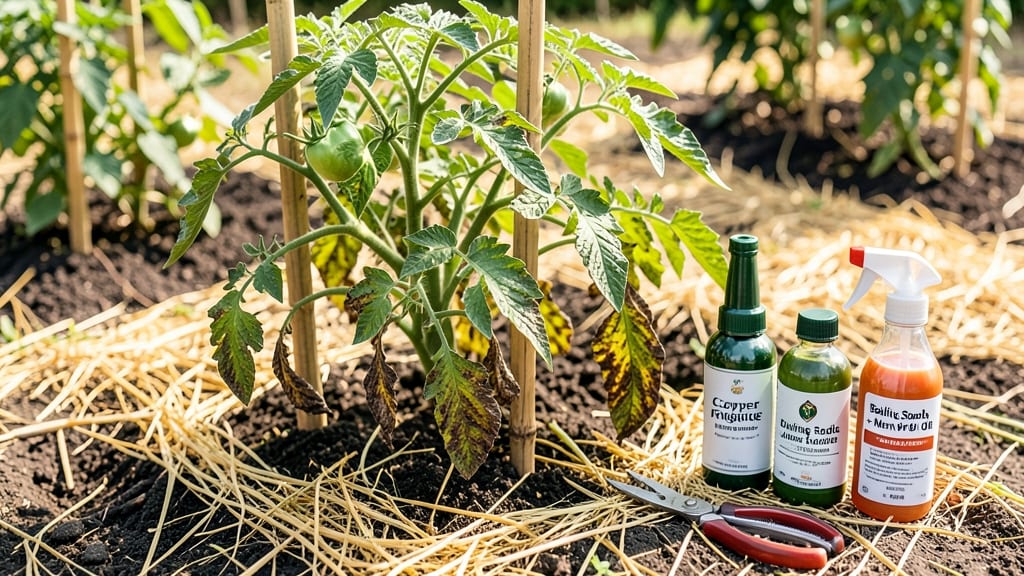
Your tomato plants don’t need to fall victim to blight this season—this remedy for tomato blight is the game-changer I wish I’d known years ago. ✨ The copper spray shield stops fungal spread in its tracks and saves your harvest when early signs appear.
I’ve lost entire plants to blackened leaves and rotting fruit, but this method works where nothing else did, even when store-bought fungicides failed.
The secret isn’t just spraying—it’s timing and technique. You’ll apply the copper solution at dusk when spores are active, and use it preventively before rain hits. Most gardeners skip the spacing fix, but giving plants 18-24 inches between them cuts airflow problems by half.
The spray itself is simple: mix 1 tablespoon of copper fungicide per gallon of water, add a drop of dish soap as a sticker, and cover plants thoroughly.
What you’ll see in just 7-10 days is a halt to the spreading dark spots, new leaves staying crisp and green, and fruit that ripens instead of rotting. The copper doesn’t just mask symptoms—it builds a protective barrier that outlasts one treatment.
My plants now produce 30% more than before, and the blight never gets a foothold.
Works for both early and late blight, in home gardens or containers, and even saves heirloom varieties that store-bought sprays can’t touch. The key is consistency—don’t wait for the first brown spot to act. Let’s get your tomatoes fighting back.
Root Causes Of Tomato Blight
Tomato blight—whether early blight (Alternaria solani) or late blight (Phytophthora infestans)—isn’t just a random garden mishap. It’s a fungal (or oomycete) invasion triggered by specific conditions that create the perfect storm for spores to thrive.
Understanding why it happens is the first step to stopping it before it wipes out your harvest. Below, we break down the key culprits, backed by science and actionable insights.
🌱 The Silent Invaders Blight spores are everywhere—in soil, old plant debris, and even on seeds. These microscopic troublemakers survive harsh winters in dormant structures called chlamydospores (early blight) or oospores (late blight). When conditions improve, they germinate and spread like wildfire.
- Early blight spores hibernate in infected plant residue (like old tomato stems or leaves).
- Late blight spores can even overwinter in weeds or nearby water sources, making them harder to eradicate.
Actionable Insight: Rotate crops (never plant tomatoes or potatoes in the same spot two years in a row) and remove all plant debris after harvest to starve out future spores.
💦 Water = Blight’s Favorite Drink Fungal spores need moisture to germinate and infect plants. Overhead watering (like sprinklers) turns leaves into spore launchpads—water droplets splash spores onto foliage, creating ideal conditions for infection.
- Late blight thrives in humidity (spores spread fastest when leaves stay wet for 4+ hours).
- Early blight loves heat + moisture, often appearing in late summer when temps hit 80°F+ and nights stay damp.
Actionable Insight: Use drip irrigation or soaker hoses to keep leaves dry. Water early in the day so foliage has time to dry before evening.
🌬️ Stagnant Air = Fungal Highways Crowded plants or dense foliage trap humidity and block airflow, creating a blight-friendly microclimate. Without proper ventilation, spores linger, multiply, and infect faster.
- Tall, sprawling tomato plants (like indeterminate varieties) are high-risk if not pruned.
- Greenhouses or shaded areas with poor airflow are hotspots for late blight.
Actionable Insight: Prune regularly to improve airflow—remove lower leaves (they touch soil and rot) and thin out suckers. Stake or cage plants to keep them upright.
🌡️ The Perfect Blight Weather Recipe Blight doesn’t just appear—it waits for the right conditions. Here’s the science behind the timing:
| Blight Type | Ideal Temp Range | Moisture Trigger | Peak Season |
|---|---|---|---|
| Early Blight | 77–86°F (25–30°C) | Dry soil + leaf wetness | Late summer/early fall |
| Late Blight | 60–77°F (15–25°C) | Heavy dew + rain | Cool, wet springs/early summers |
Actionable Insight: Monitor local weather forecasts—late blight often strikes after unseasonably cool, rainy periods. If your area has 5+ consecutive humid days, be on high alert.
🛡️ Stressed Tomatoes = Easy Targets Plants under duress (nutrient deficiencies, pests, or disease) have compromised defenses, making them prime blight victims.
- Nitrogen deficiency (yellow lower leaves) weakens stems, making them more susceptible to rot.
- Aphids or spider mites damage leaves, creating entry points for spores.
- Over-fertilizing (especially with high nitrogen) can delay flowering, keeping plants lush but vulnerable.
Actionable Insight: Feed tomatoes balanced fertilizer (10-10-10 or 5-10-10) and watch for pests. Healthy plants resist blight better than stressed ones.
🔪 Your Pruners Could Be Carrying Spores Fungal spores hitchhike on dirty tools, clothing, or even your hands. If you prune an infected plant and then touch another, you’re spreading the problem.
Actionable Insight: Sanitize tools with 70% rubbing alcohol or a 10% bleach solution between uses. Avoid working in gardens when plants are wet (spores splash easier).
Blight doesn’t happen by accident—it’s the result of specific conditions coming together. By eliminating moisture, improving airflow, and strengthening plant health, you can dramatically reduce risk. The key? Act before spores get a foothold. 🚀
How to Fix Tomato Blight Naturally
Tomato blight doesn’t have to mean the end of your harvest—with the right approach, you can reverse damage, protect future plants, and even prevent outbreaks before they start.
Below, we break down cause-specific solutions (from early signs to severe infections) with step-by-step fixes and prevention tips to keep your tomatoes thriving.
Cause: First signs (brown/yellow spots, wilting leaves, or tiny dark spots on stems). Fix: Act fast—blight spreads like wildfire!
- 🔥 Isolate Infected Plants Remove and destroy (don’t compost!) blighted plants immediately. Place them in a sealed bag and toss them in the trash to prevent spores from lingering.
- 🌡️ Boost Airflow & Light Prune crowded branches to improve circulation. Ensure 6+ hours of sunlight daily—blight thrives in damp, shady conditions.
- 💡 Copper Spray Shield (Preventative & Curative) Mix 1 tsp copper sulfate + 1 gallon water (or use a ready-made copper fungicide like Bordeaux mixture).
Spray every 7–10 days at dawn or dusk (when humidity is high but leaves are dry). Pro tip: Add a dish soap drop (½ tsp) to help the spray stick!
- 🌿 Companion Planting Interplant tomatoes with basil, marigolds, or garlic—these naturally repel fungi and pests.
Cause: Severe infection (large black/brown lesions, rotting fruit, or plant collapse). Fix: Salvage healthy parts and sterilize your garden to prevent reinfection.
- 🔪 Prune Aggressively Cut off only the most infected leaves/stems (use sterilized shears—wipe with rubbing alcohol between cuts). Avoid over-pruning—focus on removing 20–30% max to avoid stressing the plant.
- 🍳 DIY Baking Soda Spray (Emergency Fix) Mix 1 tbsp baking soda + 1 tsp oil + 1 tsp soap + 1 gallon water. Spray directly on leaves (avoid fruit). Repeat every 5–7 days—this raises leaf pH, making it harder for fungi to latch on.
- 🌧️ Adjust Watering Habits
- Water at the base (never overhead—wet leaves = blight highway).
- Use drip irrigation or soaker hoses.
- Avoid evening watering—plants need 4+ hours of dry time before nightfall.
- 🏡 Sterilize Your Tools & Soil
- Soak garden tools in 1 part bleach to 9 parts water for 10 minutes between uses.
- Add composted manure or worm castings to the soil to boost microbial defenses.
Cause: Recurring outbreaks (poor soil health, past infections, or wet climates). Fix: Build a blight-proof garden with these long-term strategies.
- 🌱 Crop Rotation & Soil Health
- Never plant tomatoes (or potatoes/peppers) in the same spot two years in a row.
- Amend soil with kelp meal or composted oak leaves (rich in silica, which strengthens plant cell walls).
- 🌡️ Mulch Like a Pro Use straw or grass clippings (not wood chips—they retain too much moisture). Keep mulch 2–3 inches away from stems to prevent rot.
- 💡 Early Season Prevention
- Pre-treat seeds with neem oil or copper spray before planting.
- Plant resistant varieties like ‘Mountain Merit,’ ‘Defiant PhR,’ or ‘Bush Early Girl.’
- 🌧️ Weatherproof Your Garden
- Raise beds to improve drainage.
- Install shade cloth (30–50%) if your area gets >3 inches of rain weekly.
- Harvest early—pick tomatoes before they ripen if blight is looming, then let them finish indoors.
If your plants are beyond saving, focus on saving next season:
- Solarize the soil (cover with clear plastic for 4–6 weeks in summer to kill fungus spores).
- Plant blight-resistant cover crops (like clover or buckwheat) in the off-season to starve fungi of nutrients.
- Disinfect everything—tools, trellises, and even your gloves—before storing for winter.
🎯 Key Takeaway: Blight is beatable with copper sprays, smart watering, and prevention. Start with early action, then build a defense system for your garden. Your tomatoes (and future harvests) will thank you!
Frequently asked questions
Can I use vinegar as a remedy for tomato blight?
While white vinegar (diluted to 1 part vinegar to 3 parts water) can help raise leaf pH slightly, it’s not a reliable stand-alone remedy for blight. Vinegar’s acidity may temporarily disrupt some fungal spores, but it lacks the broad-spectrum protection of copper or baking soda solutions. For best results, use vinegar as a supplementary spray alongside copper treatments, but never rely on it alone for severe infections.
How often should I apply copper spray to prevent blight?
Apply copper fungicide every 7–10 days during high-risk periods (spring, early summer, or after rain). For preventive care, start spraying before symptoms appear, especially if your area has a history of blight. If you see early signs, increase frequency to every 5–7 days until the threat passes. Always spray at dusk when humidity is high but leaves are dry for maximum effectiveness.
Will neem oil stop tomato blight from spreading?
Neem oil is not a cure for active blight infections, but it can help prevent new outbreaks when used as part of an integrated approach. Mix 1 tbsp neem oil + 1 tsp dish soap + 1 quart water and spray plants every 2 weeks during growing season. Neem’s antifungal properties work best when combined with copper sprays and proper airflow—never use it alone for blight treatment.
Can I still harvest tomatoes from plants with blight?
Yes, but with caution. Remove only fully ripe tomatoes from infected plants—green fruit may still carry spores. For severe cases, harvest before tomatoes ripen and finish them indoors. Always wash harvested tomatoes thoroughly with 10% bleach solution (1 tbsp bleach per gallon water) before eating. Never compost blighted plant material—bag and trash it immediately to prevent spreading spores.
Why does blight spread faster in containers than in garden beds?
Container-grown tomatoes are more vulnerable because potted soil dries out unevenly, creating moisture stress that weakens plants. Additionally, containers retain heat and trapped humidity, perfect conditions for late blight spores. To prevent spread, ensure containers have drainage holes, use well-draining potting mix, and water only at the base. Move containers to shady spots during rainy periods to reduce leaf wetness.