
How To
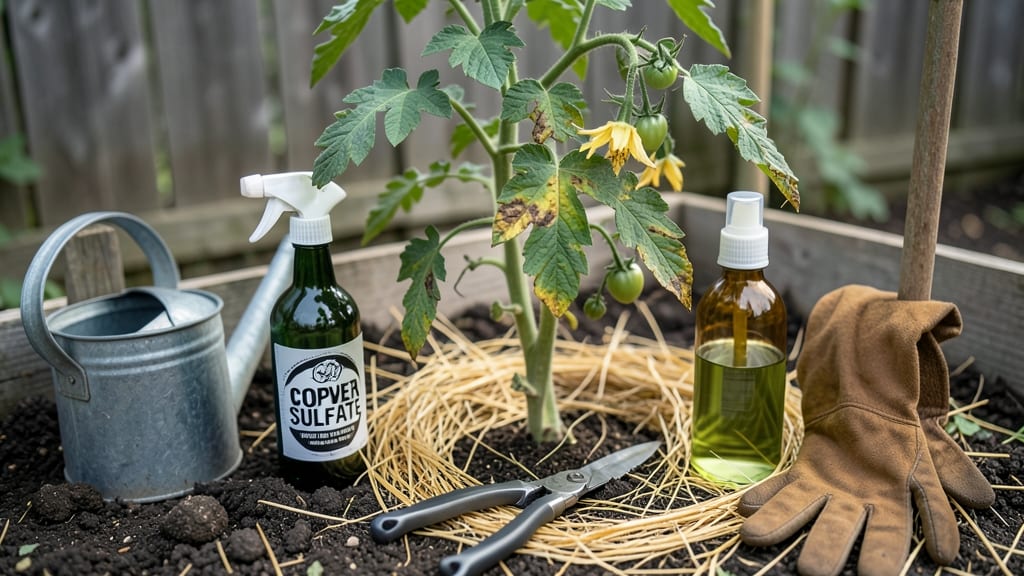
Tomato blight ruins harvests faster than you can say "end of summer." 🌱 I've lost entire plants to those ugly brown spots and wilting leaves, but I've also saved others with a few simple tricks—starting with the right spray and timing.
The key is catching it early, when your plants still have a fighting chance. Most blight spreads because plants are too crowded or water splashes onto leaves. My first year, I ignored spacing rules and paid for it with a fungus explosion.
Now I prune aggressively, water at the base, and keep the garden airy. The organic spray I use—copper fungicide mixed with neem oil—stops the spread in its tracks when applied at the first sign of trouble.
You'll see new green growth within days of treating, and the blighted leaves will stop spreading. The plants may look rough, but they bounce back stronger than ever. With proper care, you'll still get tomatoes—just smaller ones—from affected plants.
This works for both early blight (lower leaves) and late blight (whole plant). The secret is consistency: spray every 7-10 days until the threat passes. Here's how to do it right.
Root Causes of Tomato Blight
Tomato blight—whether early blight (Alternaria solani) or late blight (Phytophthora infestans)—isn’t just a random attack on your plants. It thrives because of specific conditions that create the perfect storm for fungal spores to take hold.
Understanding these triggers is the first step to stopping the spread. Below, we break down the why behind blight, so you can tackle the how with confidence.
Blight fungi love water—too much of it. Here’s how moisture fuels the problem:
- Spores need water to germinate. Late blight spores (Phytophthora) can’t infect dry leaves. When humidity stays above 90% for prolonged periods (like after rain or overhead watering), spores release zoospores that swim to plant tissues.
- Poor drainage = soggy soil = fungal buffet. If your garden sits in waterlogged conditions, roots suffocate, and fungal growth accelerates. Early blight (Alternaria) also thrives in wet, warm soil (ideal for spore production).
- Morning dew is a double-edged sword. While dew itself isn’t harmful, if it lingers on leaves all day (especially in shady or dense plantings), it creates a film that traps spores against foliage.
Actionable insight: Blight spreads fastest when leaves stay wet for 4–6 hours. If your tomatoes are in a low-lying area or you water at night, you’re basically inviting fungi to a party.
Blight isn’t picky—it just needs the right temperature to multiply. Each type has its sweet spot:
| Blight Type | Optimal Temp for Spread | Why It Matters |
|---|---|---|
| Early Blight (Alternaria solani) | 60–85°F (15–29°C) | Warmer temps (75–85°F) speed up spore production, while cooler mornings (60–70°F) create dew—perfect for infection. |
| Late Blight (Phytophthora infestans) | 50–77°F (10–25°C) | This fungus is a cool-weather specialist. It thrives in temps between 60–70°F, which is why it’s devastating in early summer or fall. Below 50°F, it slows down—but it never fully stops. |
Pro tip: If your area has humid, warm nights (like the Southeast U.S. in summer), late blight is more likely. Early blight dominates in hot, dry climates with occasional rain.
Blight doesn’t just appear out of nowhere—it’s often already lurking in your soil, compost, or even last year’s plant debris. Here’s how:
- Surviving spores in soil. Both Alternaria and Phytophthora can overwinter in soil or plant residues. Early blight spores can live for years in organic matter, while late blight survives in volunteer nightshades (like wild tomatoes or potatoes).
- Infected plant material as a reservoir. If you didn’t clean up last year’s tomato stems, leaves, or fallen fruit, they’re a spore factory. Even compost piles can harbor viable spores if they don’t heat up enough to kill them.
- Wind and waterborne spread. Late blight spores can travel miles on wind or rain. Early blight spreads via splashing water (e.g., from rain or irrigation).
Key takeaway: If you’ve had blight before, the spores are probably still there. Prevention isn’t just about treating symptoms—it’s about breaking the cycle.
Healthy tomatoes resist blight better. When plants are stressed, their defenses drop, making them easy targets:
- Nutrient deficiencies (especially nitrogen or potassium). Weak growth = thinner cell walls = easier entry for fungi. Over-fertilizing with high-nitrogen can also make plants soft and susceptible.
- Overcrowding and poor airflow. Dense plantings trap moisture and block sunlight, creating ideal blight conditions. Fungi can’t spread as easily if leaves dry quickly.
- Physical damage (pruning, hail, pests). Open wounds give spores a direct entry point. Even aphids or spider mites (which weaken plants) can indirectly invite blight.
- Transplant shock or sudden environmental changes. Moving seedlings or exposing them to extreme heat/cold stresses roots, reducing their ability to fight infections.
Grower’s rule: A tomato plant that’s well-spaced, fed right, and pruned properly can tolerate some moisture without blight taking hold.
Bottom line: Blight doesn’t happen in a vacuum—it’s the result of moisture + warmth + existing spores + stressed plants. Once you recognize these triggers, you can disrupt the cycle before it starts. Next up: How to Starve Blight Before It Starts.
How to Fix Tomato Blight Fast
Blight on tomato plants can feel like a nightmare—one day your lush green leaves are thriving, and the next, they’re spotted, wilting, or worse. But don’t panic! With the right approach, you can stop the spread, save your plants, and even prevent future outbreaks.
Below, we break down targeted fixes based on the most common causes of blight, plus prevention tips to keep your garden healthy.
The key to saving your tomatoes? Catch blight early. If you spot:
- Brown or black spots on leaves (early blight)
- Yellowing leaves with dark, greasy patches (late blight)
- Wilting or rotting fruit (fruit rot)
Act immediately—the faster you treat it, the better your chances of recovery.
🍳 Early Blight (Brown Spots on Lower Leaves)
Cause: Alternaria solani fungus thrives in warm, dry conditions. Fix:
- Prune infected leaves 🔪—cut off and dispose of them in the trash (not compost).
- Apply a copper fungicide spray (organic option) or baking soda spray (1 tsp baking soda + 1 quart water + a drop of dish soap).
- Improve airflow by spacing plants 18–24 inches apart and staking them to avoid leaf wetness.
- Water at the base (not overhead) to keep leaves dry.
🌡️ Late Blight (Dark, Greasy Spots & Rapid Spread) Cause: Phytophthora infestans—the same fungus that caused the Irish potato famine!
Spreads fast in cool, wet conditions. Fix: - Remove all infected plant material (including stems and fruit) and burn or trash it (do NOT compost). - Spray with a mix of: - 1 tbsp neem oil + 1 tsp baking soda + 1 quart water (reapply every 5–7 days). - Commercial organic fungicides like copper soap or serenade (follow label instructions). - Reduce humidity by watering early in the day so leaves dry quickly. - Use row covers if blight is rampant in your area.
🥘 Fruit Rot (Soft, Mushy Tomatoes)
Cause: Overwatering, poor drainage, or fungal/bacterial infections. Fix:
- Harvest ripe tomatoes immediately—don’t let them rot on the vine.
- Improve soil drainage by adding compost or sand if your garden stays soggy.
- Space plants properly to prevent crowding and improve airflow.
- Apply a fungicide spray (like hydrogen peroxide 3% solution) to prevent further spread.
Once you’ve treated the current outbreak, keep blight from coming back with these long-term strategies:
✅ Choose resistant varieties – Look for tomato types labeled "blight-resistant" (e.g., 'Mountain Merit,' 'Defiant PhR'). ✅ Rotate crops – Don’t plant tomatoes (or potatoes/peppers) in the same spot every year (wait 3 years between plantings). ✅ Mulch properly – Use straw or grass clippings to keep soil moist but not soggy. ✅ Avoid overhead watering – Water early in the morning so leaves have time to dry. ✅ Clean up debris – Remove old plant material at the end of the season to eliminate fungus spores. ✅ Boost plant health – Healthy plants resist disease better!
Use compost, balanced fertilizer, and proper spacing.
If your plants are completely covered in blight with no healthy leaves left, it may be time to pull them and destroy them (don’t compost!). Sometimes, saving a few tomatoes isn’t worth risking the rest of your garden.
But if you catch it early and act fast, your tomato plants can bounce back—and next season, you’ll be blight-proof! 🌱💪
Frequently asked questions
What’s the difference between early blight and late blight on tomatoes?
Early blight shows as brown, concentric-ring spots on lower leaves in warm, dry weather. Late blight creates dark, greasy-looking patches that spread rapidly in cool, wet conditions—often affecting the entire plant. Early blight targets leaves first, while late blight attacks both leaves and fruit.
Can I still eat tomatoes from blighted plants?
Only if the fruit itself shows no signs of rot or spots. Harvest tomatoes as soon as they ripen from blighted plants—don’t let them stay on the vine. Wash them thoroughly before eating. If the fruit has soft, mushy spots, discard it immediately.
How often should I spray fungicide for blight prevention?
Apply fungicide every 7–10 days during peak blight season (late spring to early fall). For organic sprays like neem oil or baking soda, reapply after rain. If your area has a history of blight, start spraying preventatively when plants are 6 inches tall.
Will removing infected leaves really stop blight from spreading?
Yes! Removing infected leaves eliminates the spore source. Use clean pruners and dispose of leaves in the trash (not compost). For severe cases, remove entire lower branches to improve airflow. The faster you prune, the slower blight spreads to healthy parts of the plant.
Can I use household items like vinegar or hydrogen peroxide to treat blight?
Diluted hydrogen peroxide (3%) works as a fungicide—spray it directly on leaves. Vinegar (1 tsp per quart of water) can help, but it’s less effective alone. For best results, combine with copper fungicide or neem oil. Always test sprays on a small leaf first.