
Pests
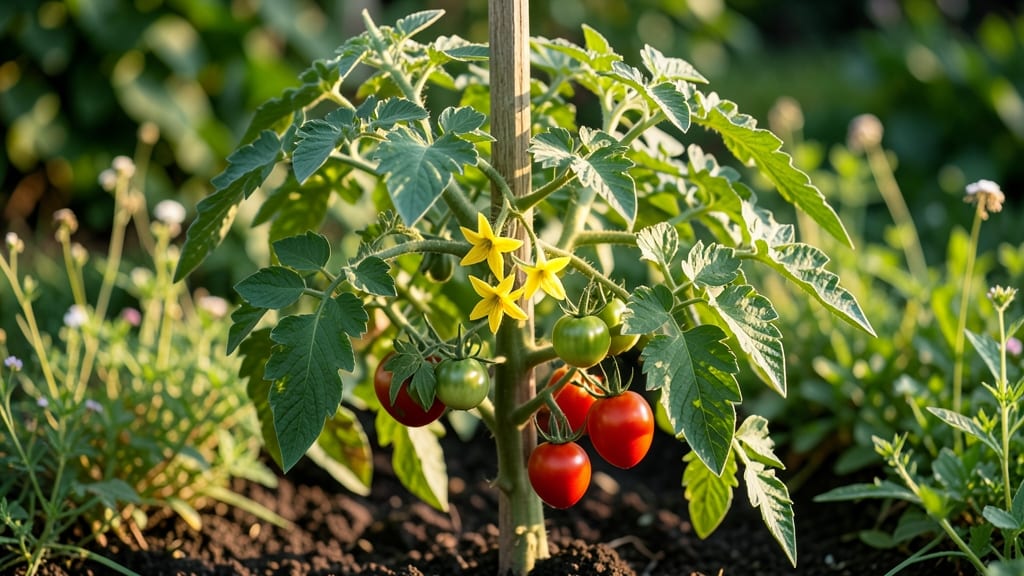
When you spot the sight in a tomato patch with strange spots or stunted growth, it’s not just a cosmetic issue—it’s a cry for help. 🌱 I’ve seen firsthand how quickly those early warning signs (yellowing leaves, chewed stems, or weird spots) can turn into a full-blown crisis if ignored.
The good news? Most problems have simple fixes, and knowing what to look for saves you from losing your entire harvest.
Here’s the thing—tomato troubles usually fall into three categories: pests (like aphids or hornworms), diseases (such as early blight or powdery mildew), or nutrient issues (like nitrogen deficiency). I’ve spent years tracking these patterns in my own backyard, and the key is acting fast.
A quick inspection of the leaves, stems, and soil can tell you exactly what’s wrong before it spreads.
By the end of this guide, you’ll spot the problem in seconds and know exactly how to fix it—whether it’s a spray, a prune, or a soil boost.
No more guessing games. Your plants will bounce back faster than you think, and you’ll avoid the heartbreak of a failed tomato season.
Works for backyard gardens, containers, or raised beds—no matter where your tomatoes grow, these steps keep them thriving. Let’s get those plants back on track.
Root Causes of Unwanted Visitors
When you spot mysterious activity in your tomato patch, it’s rarely just a coincidence—it’s a sign that something’s off. Understanding why pests and critters are drawn to your tomatoes is the first step in reclaiming your garden.
Below, we break down the most common culprits and their motivations, so you can address the problem at its source.
Tomatoes thrive in rich, well-drained soil, but when nutrients are lacking or soil is compacted, plants become stressed—and that stress makes them irresistible to pests. Here’s how it happens:
- Nitrogen deficiency: Weak, pale leaves signal nitrogen starvation, which attracts hornworms and aphids that feed on tender foliage.
- Potassium or phosphorus shortages: These deficiencies weaken the plant’s immune response, making it vulnerable to blossom-end rot (which then draws in fruit flies) and root-knot nematodes.
- Overly wet or compacted soil: Poor drainage creates the perfect breeding ground for fungal diseases (like early blight) and slugs, which are drawn to decaying organic matter.
💡 Pro Tip: Test your soil’s pH and nutrient levels (aim for 6.0–6.8 pH for tomatoes). Amend with compost or organic fertilizers like bone meal (phosphorus) or kelp meal (potassium) to strengthen plants naturally.
Ripe, soft, or injured tomatoes are like neon signs to fruit-loving pests. Here’s why they’re a magnet:
- Sugar & moisture content: Ripe tomatoes are packed with natural sugars and water—an all-you-can-eat buffet for fruit flies, stink bugs, and raccoons.
- Physical damage: Cracks, bruises, or splits expose the flesh to bacterial soft rot and cutworms, which burrow into compromised fruit.
- Fallen fruit: Tomatoes that drop to the ground ferment quickly, attracting fruit flies and rodents that nest in the decaying matter.
🔥 Action Step: Harvest tomatoes as soon as they ripen, and remove all fallen or damaged fruit immediately. Mulch with straw or grass clippings to prevent fruit from rotting on the ground.
Tomatoes left to sprawl unchecked create the perfect hiding spot for pests. Here’s how poor spacing and growth habits invite trouble:
- Overcrowding: Plants competing for sunlight and air circulation stay damp longer, fostering blight and whiteflies. Shady, humid conditions are ideal for spider mites too.
- Low-hanging branches: Tomatoes touching the soil attract cutworms, slugs, and earwigs, which chew on stems and fruit.
- Weeds & debris: Mulch piles or stray plant matter provide shelter for harlequin bugs and squash bugs, which then migrate to tomatoes.
🌡️ Prevention Tip: Prune suckers regularly, stake plants for airflow, and keep the area 3 feet clear of weeds. Use straw mulch (not wood chips, which can harbor pests).
Some pests are drawn to tomatoes because of their natural chemistry or the presence of other plants nearby. Here’s what’s really luring them:
| Pest | Why They’re Drawn In | How to Disrupt the Cycle |
|---|---|---|
| Hornworms | Tomato plants emit volatile organic compounds (VOCs) when stressed, signaling hornworms to lay eggs nearby. | Interplant with basil or marigolds to mask the scent. |
| Aphids | Sweet honeydew excretions from aphids attract ants, which protect them in exchange for food. | Disrupt ant trails with diatomaceous earth or soapy water sprays. |
| Stink Bugs | They’re drawn to the volatile oils in tomato leaves, especially when plants are flowering. | Use yellow sticky traps or neem oil sprays to deter them. |
| Deer & Raccoons | Mature tomatoes release fruity aromas that animals detect from a distance. | Harvest early or use physical barriers like netting. |
✨ Bonus Hack: Crushed garlic or chili pepper sprays can temporarily repel pests by altering the plant’s scent profile.
Quick Fixes for Tomato Patch Troubles
If you’ve spotted unexpected visitors in your tomato patch—whether it’s nibbling insects, wilting leaves, or mysterious holes—don’t panic! Most issues have simple, effective solutions. Below, we’ve mapped common problems to their fixes, with prevention tips to keep your tomatoes thriving long-term.
Cause: Bugs like aphids, hornworms, or Colorado potato beetles are feasting on your plants. Fix:
- Handpick & Squish 👨🍳: Check leaves daily (especially early morning) and remove pests by hand. Drop them in soapy water to avoid spreading eggs.
- Neem Oil Spray 🌿: Mix 1 tbsp neem oil + 1 tsp dish soap in 1 quart of water. Spray foliage (avoid blooms) every 3–5 days to disrupt their life cycle.
- Row Covers 🧣: Use lightweight fabric to block flying pests while letting sunlight and rain through.
Prevention:
- Interplant with herbs (basil, marigolds) to repel pests naturally.
- Rotate crops yearly to starve soil-borne insects.
Cause: Overwatering, underwatering, or fungal diseases (like early blight) are stressing your plants. Fix:
- Adjust Watering 💦: Water deeply 1–2 inches per week (check soil moisture—stick your finger in!). Avoid wetting leaves to prevent fungal spread.
- Fungicide Treatment 🛡️: Apply copper fungicide or a baking soda spray (1 tsp baking soda + 1 quart water + drop of soap) weekly if spots appear.
- Prune Damaged Leaves ✂️: Snip off yellow/brown leaves to improve airflow and plant health.
Prevention:
- Mulch heavily (2–3 inches of straw) to retain moisture and block spores.
- Space plants 18–24 inches apart for airflow.
Cause: Bees aren’t visiting, or extreme heat is causing "blossom drop." Fix:
- Hand-Pollinate 🐝: Gently shake plants or use a small brush to transfer pollen between flowers.
- Water Deeply in Heat 🌡️: Early morning watering cools roots and encourages fruit set.
- Avoid Chemical Sprays 🚫: Pesticides can kill pollinators—opt for organic controls.
Prevention:
- Plant bee-friendly flowers (like borage or sunflowers) nearby.
- Choose heat-tolerant varieties (e.g., ‘Solar Fire’ or ‘Heatmaster’).
Cause: Poor soil, lack of nitrogen, or compacted roots. Fix:
- Test Soil 📊: Use a DIY kit or send a sample to your local extension office. Amend with compost or balanced fertilizer (10-10-10) if deficient.
- Side-Dress Plants 🥄: Mix 1 cup compost + 1 tbsp fish emulsion per plant, burying it 2 inches deep near roots.
- Loosen Soil 🔨: Gently fork around roots to improve drainage if soil feels hard.
Prevention:
- Add compost at planting time (2–3 inches mixed into the top 6 inches of soil).
- Use raised beds for better drainage in heavy clay soils.
Pro Tip: 💡 Inspect weekly! Catching issues early (like chewed leaves or wilting) means less damage and faster recovery. Keep a small notebook to track fixes—what worked last year might save your crop this season!
Need a visual? See our troubleshooting chart for a quick-reference guide to symptoms vs. solutions.
Frequently asked questions
What are the first signs that something's wrong in my tomato patch?
Start by checking for yellowing leaves (often a nutrient deficiency), chewed edges on foliage (pests like hornworms), or dark spots on fruit (fungal issues). Look closely at the undersides of leaves too—this is where many pests hide. Early detection is key to saving your harvest!
How do I tell if my tomato plants have aphids vs. spider mites?
Aphids cluster on new growth and leave sticky residue ("honeydew"), while spider mites create fine webbing on leaf undersides and cause stippled yellowing. Use a magnifying glass to check for tiny moving dots (aphids) or silky strands (mites). Both can be treated with neem oil or soapy water.
Why are my tomato fruits cracking even though I'm watering regularly?
Uneven watering (too much or too little) causes blossom-end rot or splits. Water deeply 1-2 times per week and mulch heavily to maintain moisture. If cracks appear, harvest those tomatoes immediately—they're still safe to eat!
Can I still save my tomato plants if they're already heavily infested?
Yes! Remove all damaged leaves and fruit, then apply neem oil or insecticidal soap immediately. For severe cases, prune back to healthy growth and isolate the plant. Most tomatoes recover quickly with proper care—don't give up on your patch!