
Vegetables
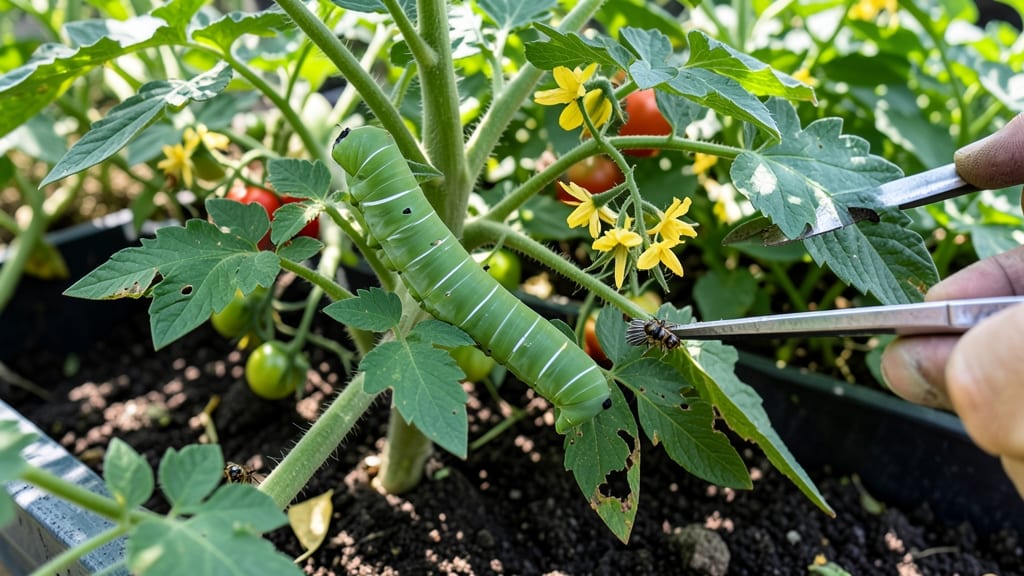
Finding tomato hornworms early saves your plants from becoming a buffet. 🌿 These striped caterpillars hide in plain sight, but three simple clues—chewed leaves, black droppings, and sudden missing flowers—reveal their presence before they strip your tomatoes bare.
Start by checking the undersides of leaves and along stems where they blend into the plant’s green. A single hornworm can devour a tomato plant in days, so act fast. Look for their telltale green bodies with white diagonal stripes and a horn-like tail.
Once spotted, remove them by hand (they’re harmless to humans) or encourage beneficial wasps to hunt them naturally. A few minutes of searching now prevents a full-blown infestation later.
This method works for both backyard gardens and container plants. Early detection is your best defense—so grab a flashlight and inspect after sunset when they’re most active.
The Hidden Lure of Hornworms
Tomato hornworms (Manduca sexta) aren’t just random visitors to your garden—they’re strategic pests with a knack for finding your most prized plants. Understanding why they show up in the first place helps you outsmart them before they devour your tomatoes. Here’s the science behind their sneaky success:
Tomato hornworms have a chemical radar for plants in the nightshade family (Solanaceae), which includes tomatoes, peppers, eggplants, and potatoes. Here’s why:
- Volatile Organic Compounds (VOCs): Tomato plants release specific scent molecules when damaged (like when you prune or harvest). These VOCs act like insect pheromones, signaling hornworms: “Free meal ahead!”
- Foliage Preferences: Young, tender tomato leaves are their favorite snack. The higher the nitrogen content (common in fertilized soil), the more attractive the plant becomes to hornworms.
- Camouflage Masters: Their green bodies with white stripes mimic bird droppings—a trick that keeps predators (like birds and wasps) from spotting them until it’s too late.
Actionable Tip: If you notice hornworms early, prune damaged leaves at dusk (when they’re most active) to disrupt their scent trail.
Hornworms are nocturnal, meaning they hunt under cover of darkness. But why? Their behavior is tied to:
- Predator Avoidance: Birds, lizards, and parasitic wasps (their natural enemies) are less active at night. Hornworms use this window to chow down undetected.
- Temperature Regulation: Cool nights help them slow their metabolism, making them harder to spot by heat-sensing predators (like bats).
- Moonlight Navigation: Studies show they use polarized moonlight to orient themselves toward host plants—almost like a built-in GPS.
Pro Tip: Shine a blacklight or UV flashlight on tomato plants at night—hornworms glow greenish under UV light, making them easy to spot and remove!
Here’s a twist: Bees and other pollinators indirectly attract hornworms. How?
- Floral Cues: Hornworms are drawn to tomato flowers and nearby blooms (like basil or marigolds) because these plants share similar chemical profiles that signal “nutrient-rich foliage.”
- Shared Predators’ Distractions: When bees pollinate, they agitate plants, releasing more VOCs. This can mask the scent of hornworm pheromones, making it harder for their natural enemies (like Cotesia congregata wasps) to find them.
- Overnight Visits: Many pollinators are active at dawn/dusk, the same time hornworms start feeding. Their combined activity creates a “safe zone” for hornworms.
Garden Hack: Plant hornworm-repelling companions like dill, fennel, or tansy near tomatoes. These plants attract parasitic wasps that hunt hornworms—but avoid planting them too close to tomatoes, or the hornworms may just ignore the wasps and keep munching.
Now that you know why these striped bandits target your tomatoes, you’re one step closer to outsmarting them. Next up: How to find them before they find your harvest!
Quick Fixes for Tomato Hornworm Woes
Spotting tomato hornworms early is half the battle—now let’s tackle the problem before they turn your garden into a caterpillar buffet!
These hungry pests can strip a tomato plant bare in days, but with the right strategies, you can minimize damage, protect your harvest, and even turn the tables on these striped invaders. Below, we’ve broken down solutions by cause, so you can act fast and keep your garden thriving.
Act fast to save your tomatoes and deter future attacks.
👨🍳 Handpick Them (The Most Satisfying Solution)
This is the gold standard for organic gardeners—no chemicals, just elbow grease. Here’s how to do it right:
- 🕵️♂️ Scout at dawn or dusk when hornworms are sluggish and easier to spot (they hide during the day). Check the top and bottom of leaves, stems, and fruit.
- 🪰 Use tongs or gloves to grab them by the thorax (avoid the tail—they can squirt acid!). Drop them into a bucket of soapy water for a humane dispatch.
- 🌿 Check daily during peak hornworm season (late spring to early summer). A single plant can host dozens in a week!
Pro Tip: 💡 Train your kids or pets to help! Turn it into a game—who can find the most hornworms before lunch? (Bonus: They’ll learn garden ecology too.)
🐛 Introduce Natural Predators (Let Nature Do the Work)
Hornworms have plenty of enemies in the garden—you just need to invite them to the party. These predators will keep populations in check:
- 🦋 Parasitic wasps (Braconid wasps): These tiny wasps lay eggs inside hornworm larvae. The wasp larvae then eat the hornworm from the inside out. No gross-out factor here—it’s nature’s pest control!
- 🐸 Frogs and toads: They’ll snack on hornworms (and other pests) if you provide hiding spots like flat rocks or shallow dishes of water.
- 🦉 Birds (like chickadees and sparrows): Install a birdhouse or leave some brush piles to attract feathered helpers.
Pro Tip: 🌡️ Plant companion flowers like dill, fennel, or marigolds near your tomatoes. These attract beneficial insects and create a pest-free zone.
Stop hornworms before they become a problem.
🌱 Use Row Covers Early in the Season
Hornworm moths lay eggs on tomato plants in early spring. Block them with lightweight floating row covers until flowers appear (then remove to allow pollination).
- 🔄 Cover seedlings as soon as they sprout, securing edges with soil or bricks.
- 🌞 Remove covers when plants flower to allow bees to pollinate (or hand-pollinate with a paintbrush).
- 💡 Bonus: Row covers also deter other pests like cabbage moths and flea beetles.
🌿 Plant Hornworm-Repelling Companions
Some plants confuse hornworm moths or make your tomatoes less appealing. Try these:
| Companion Plant | Why It Works |
|---|---|
| Basil | Masks tomato scent and repels hornworms. |
| Nasturtiums | Trap hornworms away from tomatoes (they prefer nasturtiums!). |
| Garlic or Onions | Strong scent deters moths from laying eggs nearby. |
| Marigolds | Attract parasitic wasps that hunt hornworms. |
Pro Tip: 🎯 Interplant basil every 2–3 feet around your tomatoes. The scent alone can reduce hornworm visits by 50%!
🧼 Practice Good Garden Hygiene
Hornworms thrive in messy, overgrown gardens. Keep your tomato patch tidy to starve them out:
- ⏰ Remove and destroy fallen leaves, damaged fruit, and old plants immediately (composting may not be enough—hornworms can survive!).
- 💦 Water in the morning so foliage dries quickly, reducing hiding spots for eggs and larvae.
- 🌱 Rotate crops yearly to disrupt hornworm life cycles (they love tomatoes, peppers, and eggplants).
Pro Tip: ✨ Use mulch strategically. A thin layer of straw or grass clippings keeps soil moist but doesn’t smother plants, making it harder for hornworms to hide.
If your garden is overrun and organic methods fail, consider these low-toxicity options:
- 🥄 Bacillus thuringiensis (Bt): A natural bacteria that targets caterpillars (including hornworms) but is safe for humans and pets. Reapply after rain.
- 🧴 Neem oil: Disrupts hornworm feeding and egg-laying. Mix with water and spray early in the morning on foliage.
- 🚫 Avoid broad-spectrum pesticides: These kill beneficial insects faster than hornworms and can harm your garden’s balance.
Warning: 🚨 Never spray Bt or neem oil directly on blooming tomatoes—it can harm pollinators like bees.
With these strategies, you’ll outsmart tomato hornworms before they outsmart you. The key is consistency: scout often, act fast, and let nature (or your hands) do the heavy lifting. Happy gardening! 🌱🍅
Frequently asked questions
What do tomato hornworm droppings look like?
Hornworm frass (droppings) are black, cylindrical, and about ¼-inch long. They often accumulate in piles along leaf veins or stems. Look for these near chewed foliage—they’re a dead giveaway that hornworms are dining nearby.
Why do hornworms hide during the day?
They’re nocturnal to avoid predators like birds and parasitic wasps. During daylight, they blend into leaves using their green bodies with white stripes (camouflage). Check undersides of leaves and flower clusters at dawn/dusk when they’re most active.
Can I use a flashlight to find hornworms at night?
Yes! Shine a UV or blacklight flashlight on tomato plants after dark—their bodies glow greenish under UV light. This makes them stand out against foliage. Pro tip: Wear a headlamp and inspect for 10 minutes—you’ll spot more than during daylight hours.
What should I do if I find hornworm eggs?
Remove them immediately! Eggs are tiny, round, and yellowish, often laid on the undersides of leaves. Drop them into soapy water or crush them—larvae hatch in 3-5 days. Check leaves every 2-3 days during peak season (late spring) to stay ahead.
Are tomato hornworms harmful to humans?
No—they’re completely harmless! Some gardeners even joke that they’re “nature’s pruners.” However, they can squirt a mild acid when handled, so wear gloves if you’re squeamish. Their only danger is to your tomato plants!