
Vegetables
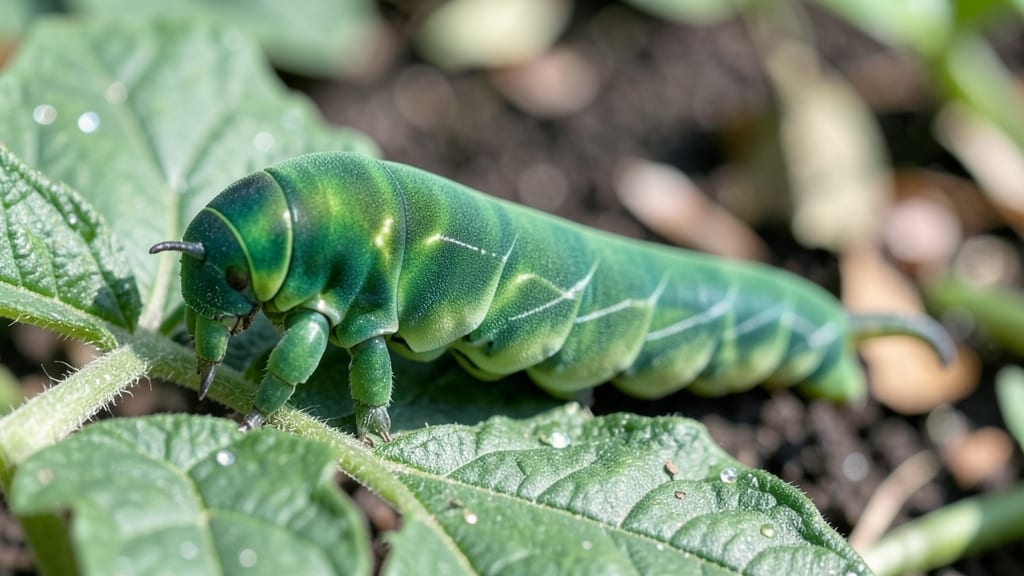
That green monster on your tomatoes isn’t just a pest—it’s the sphinx moth tomato hornworm, and it can strip a plant bare in days. 🌱 I’ve watched my thriving tomato plants go from lush and green to skeletonized in less than a week, and I’m here to share the organic solutions that actually work.
The good news? You don’t need harsh chemicals to win this battle. Handpicking is the fastest solution, but if you’re dealing with an infestation, a natural defense spray made with neem oil, garlic, and castile soap can stop them in their tracks.
It’s not just about killing the hornworms—it’s about protecting your plants without harming your soil or beneficial insects. By the end of this guide, you’ll have a foolproof spray recipe that disrupts their feeding cycle and deters future moths.
Plus, I’ll show you how to attract their natural predators—like parasitic wasps—to keep your garden balanced long-term. Here’s the thing: this works even if you’ve tried everything else. No more helplessly watching your harvest disappear overnight.
The Hidden Lure of Garden
When your tomato plants start looking like a hornworm buffet, it’s often because these striped caterpillars are drawn to your garden for very specific—and avoidable—reasons. Understanding why they target your plants is the first step to outsmarting them. Let’s break down the science behind their appetite.
The tomato hornworm (the larval stage of the sphinx moth) has a voracious appetite, and your tomatoes are essentially their all-time favorite dish. Here’s why:
- Rich in Nutrients: Tomatoes are packed with proteins, sugars, and moisture—exactly what a growing caterpillar needs to fuel its rapid development. A single hornworm can devour up to 20 leaves per night!
- Soft and Tender: Unlike woody stems or tougher leaves, tomato foliage is easy to chew through, making it a low-effort, high-reward meal.
- Volatile Compounds: Tomatoes release chemical signals (like volatile organic compounds, or VOCs) that attract hornworms. These scents act like a dinner bell, luring them in from miles away.
Actionable Fix: If you’ve noticed hornworms feasting, your plants are likely already too appealing. The solution? Disrupt their detection with natural repellents or confuse them with decoy plants.
Hornworms aren’t just picky eaters—they’re also opportunistic. When your tomato plants are stressed (due to overcrowding, poor soil, or drought), they become even more vulnerable. Here’s how stress makes them targets:
- Weakened Defenses: Stressed plants produce fewer alkaloids and secondary metabolites (natural pesticides) that would normally deter pests. Think of it like your immune system weakening when you’re run down—hornworms smell the vulnerability.
- Slower Growth = Easier Prey: Underwatered or nutrient-deficient plants grow slowly, making them easier for hornworms to overpower. A struggling plant can’t outrun or outgrow an infestation.
- Attracts Secondary Pests: Stressed tomatoes often attract other pests (like aphids or whiteflies), which in turn attract hornworms as they follow the pest trail.
Actionable Fix:
- 💡 Space plants properly (18–24 inches apart) to improve airflow and reduce stress.
- 🌡️ Mulch heavily to retain moisture and regulate soil temperature.
- 💪 Fertilize with compost or balanced organic fertilizer to boost plant resilience.
Hornworms are nocturnal hunters, meaning they do most of their damage under the cover of darkness. Their stealthy habits make them harder to spot—but their behavior is predictable:
- Moonlight & Low Light: They rely on dim lighting to avoid predators like birds and bats. If your garden is well-lit at night (e.g., from streetlights or porch lights), you might accidentally repel them. But if it’s dark? They’ll feast unchecked.
- Humidity Lovers: Warm, humid nights (common in summer) create the perfect conditions for hornworm activity. They thrive in moisture-rich environments where they can molt easily.
- Avoiding Predators: By night, their natural enemies (like parasitic wasps) are less active, giving hornworms a predator-free zone to gorge.
Actionable Fix:
- 🔦 Install motion-activated lights or solar-powered garden lights to scare them off without harming beneficial insects.
- ⏰ Inspect plants in the early morning (before they retreat) to catch them mid-meal.
- 🌡️ Reduce evening watering near plants to lower humidity in their favorite hiding spots.
In a healthy garden ecosystem, hornworms face constant pressure from predators. But if your garden lacks biodiversity, these caterpillars can take over unchecked. Their biggest natural enemies include:
| Predator | How They Hunt Hornworms | Why They Might Be Missing |
|---|---|---|
| 🦋 Parasitic Wasps (e.g., Cotesia congregata) | Lay eggs inside hornworms; larvae emerge and kill the caterpillar. | Overuse of broad-spectrum pesticides wipes them out. |
| 🐦 Birds (e.g., robins, sparrows) | Snatch hornworms off leaves during dawn/dusk foraging. | Lack of perches or shrubs near gardens limits their access. |
| 🦎 Lizards & Frogs | Ambush hornworms on the ground or low-hanging leaves. | Dry soil or lack of hiding spots (like rocks or logs) reduces their presence. |
| 🐝 Praying Mantises | Strike with lightning speed—hornworms are a favorite snack. | Mantises avoid heavily sprayed or monoculture gardens. |
Actionable Fix:
- 🌿 Plant companion flowers (like dill, fennel, or marigolds) to attract parasitic wasps.
- 🏡 Add birdhouses and baths near your garden to encourage feathered allies.
- 🪨 Create a "bug hotel" with logs, leaves, and rocks to shelter frogs and lizards.
By addressing these root causes—nutrient-rich plants, stress, nocturnal habits, and predator shortages—you’ll make your garden a far less inviting (and far more defended) place for tomato hornworms. The next step? Learn how to fight back with science-backed, chemical-free sprays.
How to Stop Hornworms Fast
Fighting off tomato hornworms—those striped, voracious caterpillars—can feel like a losing battle if you’re not armed with the right strategies. But don’t worry: with a mix of targeted action, preventive measures, and natural defenses, you can reclaim your garden without harsh chemicals.
Below, we break down the most effective fixes based on the root cause of your infestation, plus tips to keep those hungry caterpillars away for good.
If you’ve spotted hornworms munching on your tomato plants, time is of the essence. These caterpillars grow rapidly and can devour an entire leaf overnight. Here’s how to tackle them ASAP:
- 👨🍳 Handpick them – Wear gloves and pluck the hornworms off your plants, dropping them into soapy water (a mix of dish soap and water) to kill them instantly. Check plants early morning or evening when they’re sluggish.
- 🔪 Use a knife or scissors – For stubborn eggs or large caterpillars, carefully cut them off the plant and dispose of them far from your garden.
- 🐛 Introduce predators – Encourage natural enemies like parasitic wasps (they lay eggs inside hornworms, killing them) or ladybugs, which eat their eggs. Plant dill, fennel, or parsley nearby to attract them.
Once you’ve removed the current threat, focus on breaking the hornworm life cycle to stop reinfestations. These proactive steps will make your garden less appealing to sphinx moths:
- 🌿 Rotate crops – Avoid planting tomatoes, peppers, or eggplants (their favorite foods) in the same spot year after year. Hornworms thrive in familiar territory.
- 🌙 Use row covers – Install fine mesh netting over young plants to block adult sphinx moths from laying eggs. Remove covers when flowers appear to allow pollination.
- 💡 Disrupt egg-laying – Sphinx moths prefer to lay eggs on the undersides of leaves. Shake plants gently or use a hose to dislodge eggs before they hatch.
- 🌡️ Trap adult moths – Set up a blacklight trap or a DIY trap using a bucket of soapy water with a bright light nearby. Moths are attracted to light and will drown.
If you prefer a spray-based approach, these homemade remedies are safe for plants and pets but deadly to hornworms:
| Spray Recipe | How It Works | Application Tips |
|---|---|---|
| Neem Oil Spray 1 tbsp neem oil + 1 tsp dish soap + 1 quart water |
Disrupts hornworm feeding and growth; also deters egg-laying moths. | Spray evenly on both sides of leaves at dusk to avoid harming bees. Reapply every 5–7 days. |
| Garlic & Chili Pepper Spray 2 cloves garlic + 1 tbsp cayenne pepper + 1 quart water (steep 24 hours, strain) |
Strong scent repels moths and irritates caterpillars. | Spray directly on leaves and soil. Reapply after rain. |
| Bacillus thuringiensis (Bt) Commercial or homemade Bt spray (fermented milk + flour) |
Kills hornworms by disrupting their digestive system—safe for humans and pets. | Apply early in the morning when caterpillars are active. Works best on young larvae. |
✨ Pro Tip: For extra protection, combine neem oil with kaolin clay (food-grade). The clay creates a barrier that repels insects while reflecting sunlight to deter moths.
Hornworms are sneaky, so consistent monitoring is key. Here’s how to stay ahead:
- 🔍 Inspect plants weekly, focusing on the undersides of leaves and stems.
- 🕰️ Act fast—even one egg can turn into a hungry caterpillar in days.
- 🌿 Encourage biodiversity: Plant marigolds, basil, or borage near tomatoes to attract predatory insects.
- 📅 Keep a garden journal to track infestations and adjust prevention methods seasonally.
With these strategies, you’ll not only save your tomato plants but also create a garden ecosystem that naturally resists hornworms. Stay proactive, and those striped pests won’t stand a chance! 🚀
Frequently asked questions
Are tomato hornworms harmful to humans?
No, tomato hornworms are completely harmless to humans! They’re only dangerous to your plants. The caterpillars themselves won’t bite or sting, and while they may look intimidating with their 2-inch size and horn-like tail, they’re just looking for a snack. The real concern is the rapid damage they can do to your tomato plants in just a few days.
How do I tell if those white eggs on my tomato leaves are hornworm eggs?
Hornworm eggs are tiny (about 1/16-inch long), round, and laid singly on the undersides of leaves. Look for them near leaf veins or stems. They’re usually white or pale yellow and turn darker just before hatching. If you find clusters of eggs, they’re likely from a different pest—hornworm moths lay eggs one at a time!
Will neem oil kill hornworms instantly?
Neem oil doesn’t kill hornworms instantly—that’s why it’s best used as a preventive spray. It works by disrupting their feeding and growth cycles, making them less likely to eat your plants. For immediate removal, handpicking is faster. Apply neem oil every 5-7 days during active growing seasons for best results, especially at dusk when hornworms are most active.
Can I save a tomato plant that's already been heavily damaged by hornworms?
Yes, but act quickly! Prune away heavily damaged leaves (focus on new growth) and apply a Bacillus thuringiensis (Bt) spray immediately. For severe cases, consider using a row cover to protect remaining foliage. The plant can still produce fruit, but you may need to support it with stakes and provide extra water to help it recover from stress.
Why do I keep seeing hornworms even after I remove them?
Hornworms reproduce quickly—one female can lay up to 2,000 eggs! If you’re seeing them return, you’re likely dealing with either: (1) New eggs you missed (check leaf undersides), (2) Adult sphinx moths still laying eggs, or (3) Neighboring gardens where hornworms are thriving. Try trapping adult moths with a blacklight or increasing predator populations (like parasitic wasps) to break the cycle.