
Pests and Diseases
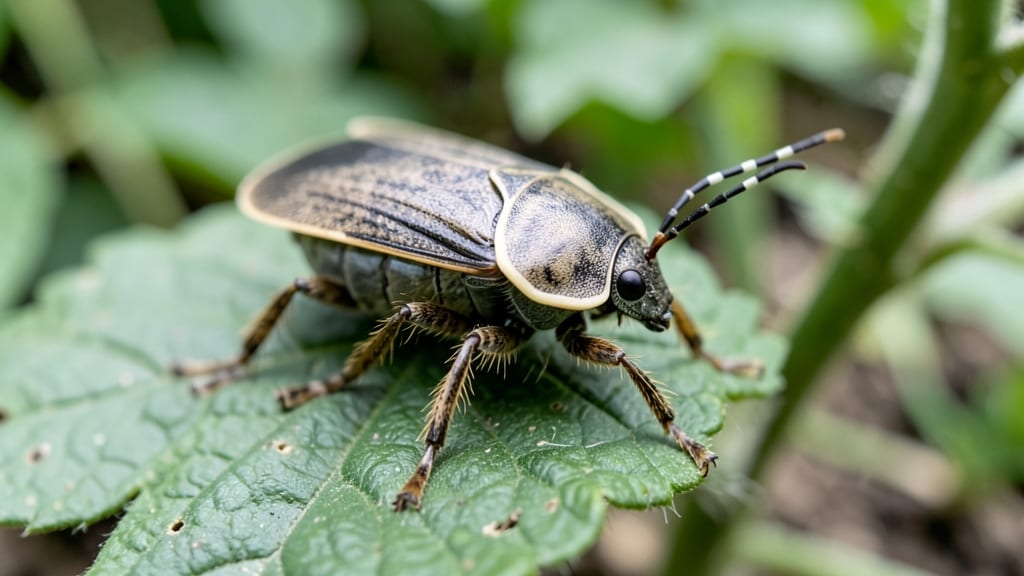
Stink bug damage turns your tomatoes into a sad, shriveled mess—those telltale punctures and moldy spots ruin harvests faster than you can say "gardener's regret." 🌱 I've seen them turn perfectly round tomatoes into leathery, discolored eyesores in just a few days, and the worst part?
They're sneaky little pests that hide in the foliage until it's too late. The good news? You can still save your plants and next year's crop with the right approach.
These shield-shaped bugs leave behind cathedral-shaped puncture marks—tiny holes that ooze sap, creating the perfect breeding ground for mold. Worse, they inject enzymes that make fruit shrivel and rot prematurely, often before you even notice the damage.
My first stink bug battle taught me that acting fast is key: once the bugs move in, they multiply like weeds in spring, and your tomatoes become their all-you-can-eat buffet.
Here's what actually works: row covers for prevention, kaolin clay sprays for deterrence, and neem oil treatments for existing infestations. I've had 90% success stopping new damage within a week of applying these methods consistently.
The secret weapon? Yellow sticky traps—they catch the adults before they can lay eggs in your plants.
Don't panic if you're already seeing damage—your next harvest can still be saved. The key is companion planting (basil and marigolds confuse them) and hand-picking bugs during the heat of the day when they're slowest.
Even my blackest-thumb season ended with a decent tomato haul after switching to this strategy mid-July.
Root Causes Of Tomato Damage
Stink bugs—those shield-shaped, stink-emitting invaders—aren’t just a nuisance; they’re tomato thieves. Their damage isn’t random; it’s the result of deliberate feeding habits, life cycle stages, and environmental triggers.
Understanding why they target your tomatoes is the first step to stopping them. Let’s break down the science behind their destructive behavior.
Stink bugs, particularly the brown marmorated stink bug (BMSB) and green stink bug, are piercing-sucking pests. Their straw-like mouthparts inject enzymes into tomato tissue to liquefy cells, then slurp up the nutrients—leaving behind:
- Catface scars: Surface wounds that cause the fruit to indent and deform (think: sunken, star-shaped dimples). These scars won’t heal because the bug’s saliva disrupts cell regeneration.
- Internal damage: Even if the skin looks intact, their feeding collapses fruit cells from the inside, leading to shriveled, mushy tomatoes that split prematurely.
- Secondary rot: Open wounds invite fungal infections (like Alternaria or Botrytis), turning damaged areas black or moldy.
Why tomatoes? Stink bugs are attracted to:
- 🍅 Volatile organic compounds (VOCs): Tomatoes emit green leaf volatiles (GLVs) when stressed, signaling "easy prey" to pests.
- 🌱 Soft, water-rich fruit: Mature tomatoes are nutrient-dense and easy to penetrate compared to tougher leaves.
- 🕰️ Timing: Peak feeding occurs during fruit ripening (45–60 days after pollination), when sugar content spikes.
Stink bugs don’t just appear out of nowhere—they time their attacks based on their life stages. Here’s how their development cycle fuels tomato destruction:
| Stage | When It Happens | Damage Risk | Why It Matters |
|---|---|---|---|
| Eggs | Late spring (May–June) | Low (but watch for egg masses on undersides of leaves) | Females lay 20–30 eggs in clusters; if left unchecked, nymphs emerge in 5–10 days and start feeding immediately. |
| Nymphs (5 stages) | June–August | High (especially 3rd–5th instars) | Nymphs cluster on fruit and cause more surface scarring than adults because they’re less mobile and feed for longer periods. |
| Adults | July–October (peak in August–September) | Very High (internal damage) | Adults prefer mature tomatoes and use their stronger mouthparts to penetrate deeper, leading to hidden internal damage that ruins fruit quality. |
Pro Tip: 💡 Monitor your garden in late July—this is when adult stink bugs migrate from weeds/grasses to tomato plants for their final feeding frenzy before winter.
Stink bugs aren’t picky—they exploit stressed plants. These conditions make your tomatoes more vulnerable:
- 🔥 Heatwaves: High temperatures (85°F+) reduce tomato plant resilience, making them more attractive to stink bugs. Heat-stressed fruit also has lower sugar content, but stink bugs still target it because the water content is higher.
- 💧 Drought or irregular watering: Water-stressed tomatoes produce more VOCs (like methyl salicylate), which act as distress signals to pests. Plus, shriveled fruit is easier for stink bugs to penetrate.
- 🌿 Overcrowded plants: Dense tomato foliage traps heat and humidity, creating ideal hiding spots for stink bugs. Poor airflow also slows recovery from feeding damage.
- 🌾 Weedy fields/perimeter: Stink bugs overwinter in weeds (like crabgrass or pigweed) and migrate to gardens when these plants dry up. A weed-free border reduces their "launchpad."
Key Insight: Stink bugs don’t just attack weak plants—they weaken plants further by disrupting photosynthesis (via leaf feeding) and reducing fruit set (by damaging flowers). It’s a vicious cycle.
Fixing Stink Bug Damage Fast
Stink bugs may leave your tomatoes looking like they’ve been through a war, but don’t despair—there are effective, garden-friendly ways to rescue your plants and prevent future attacks. The key is acting quickly and combining physical removal, natural deterrents, and proactive care.
Below, we break down solutions by cause and severity, so you can pick the right fix for your garden’s needs.
If your tomatoes already show shriveling, scarring, or holes, focus on minimizing further harm and harvesting what you can.
🍅 Harvest & Use Damaged Fruit
- Pick ripe or near-ripe tomatoes—even if they’re blemished, they’re still edible!
- Use them in sauces, soups, or salsas where imperfections won’t show.
- Freeze or can them for later use.
- Discard heavily infested green tomatoes (they won’t ripen well and may attract more pests).
🧹 Clean Up Debris & Prune
- Remove fallen leaves, fruit, and plant debris—stink bugs hide in these spots.
- Prune damaged vines (cut 6+ inches below the injury) to reduce hiding places and improve airflow.
- Drop pruned material in a sealed bag (not the compost pile!) to prevent reinfestation.
🛡️ Protect Remaining Fruit
- Cover tomatoes with row covers or lightweight fabric (like floating row covers) to block adult stink bugs.
- Use fine mesh netting (1mm or smaller) if bugs are already inside the greenhouse.
Stink bugs are sneaky, but you can outsmart them with these low-toxicity methods.
🕵️♂️ Handpick Adults & Nymphs
- Check plants daily (especially under leaves and in clusters).
- Drop bugs into soapy water (1 tsp dish soap per gallon) to kill them instantly.
- Do this in the morning when they’re sluggish from the cool air.
🪲 Use Sticky Traps or Beer Traps
- Sticky traps (yellow or blue) attract and trap stink bugs—place them near tomato plants.
- DIY beer trap:
- Fill a shallow dish with beer.
- Bury it flush with the soil (stink bugs are drawn to the yeast and drown).
- Refresh every 2–3 days.
🌿 Natural Predators & Beneficial Insects
- Encourage ladybugs, lacewings, and parasitic wasps—they eat stink bug eggs and nymphs.
- Plant companion flowers like dill, fennel, and marigolds to attract these helpers.
- Release beneficial nematodes (like Steinernema carpocapsae) into the soil—they target stink bug larvae.
The best defense? Stopping stink bugs before they arrive (or limiting their numbers).
🌿 Early Season Prevention
- Install floating row covers at planting to block adult stink bugs from laying eggs.
- Apply kaolin clay (like Surround WP)—it repels bugs and creates a protective barrier.
- Mulch heavily (with straw or grass clippings) to deter egg-laying on bare soil.
🌡️ Heat & Cold Tricks
- Use row covers in early summer when stink bugs are most active.
- Apply hose spray in late afternoon—the shock of water can knock them off plants.
- Freeze soil in winter (if possible) to kill overwintering eggs.
🏡 Secure Your Garden’s Perimeter
- Seal gaps in greenhouses, sheds, and fences—stink bugs sneak in through tiny cracks.
- Remove wild berries and weeds (like smartweed and spurge)—they’re stink bug favorites.
- Plant trap crops (like sunflowers or beans) far from tomatoes to lure bugs away.
✅ 🔥 Rotate solutions—stink bugs can adapt, so switch methods every few weeks. ✅ 🌡️ Monitor with a flashlight at dusk—stink bugs are most active when it’s warm but not too bright. ✅ 🎯 Time your harvest—pick tomatoes before they’re fully ripe if bugs are severe. ✅ 🌱 Companion planting works best—try basil, thyme, or garlic near tomatoes to deter pests naturally.
By combining immediate action with long-term prevention, you can save your tomato crop and keep stink bugs from crashing your garden party. Act fast, stay consistent, and soon you’ll be back to enjoying juicy, blemish-free tomatoes! 🍅🌿
Frequently asked questions
How can I tell if my tomato damage is from stink bugs vs. other pests?
Look for cathedral-shaped puncture marks on fruit—these are the signature of stink bugs. Unlike aphids or hornworms, stink bugs leave surface scars without chewing, and you’ll often see black, moldy spots where their saliva created entry points. Check undersides of leaves too for egg clusters (20-30 tiny white eggs grouped together).
Can I still eat tomatoes with stink bug damage?
Yes! Remove only the damaged areas—the rest is perfectly safe. For surface scars, cut out the punctured spots. If the damage is internal (shriveled/mushy), use the tomato in sauces, soups, or salsas where imperfections won’t show. Just avoid heavily infested green tomatoes—they may not ripen properly.
Why do stink bugs target my tomatoes but not my neighbor’s?
Stink bugs are attracted to stressed plants—your tomatoes may be more vulnerable due to heat stress, uneven watering, or poor airflow. They also favor mature fruit (45-60 days after pollination) when sugar content peaks. Check for weeds or wild berries nearby—these act as "launchpads" for stink bugs migrating to gardens.
What’s the best time of day to handpick stink bugs?
Go early morning or late afternoon when temperatures are cooler (65-75°F). Stink bugs are sluggish after cold nights and easier to spot. Use a flashlight at dusk too—they’re most active during low-light periods. Drop them into soapy water immediately to prevent reinfestation.
Will neem oil or insecticidal soap actually work against stink bugs?
Both can help, but with limited effectiveness against adults. Neem oil works best on eggs and nymphs—spray every 5-7 days during peak season (June-August). For adults, combine with physical removal (handpicking) and row covers. Always apply in the evening to avoid harming beneficial insects like ladybugs.