
Vegetables
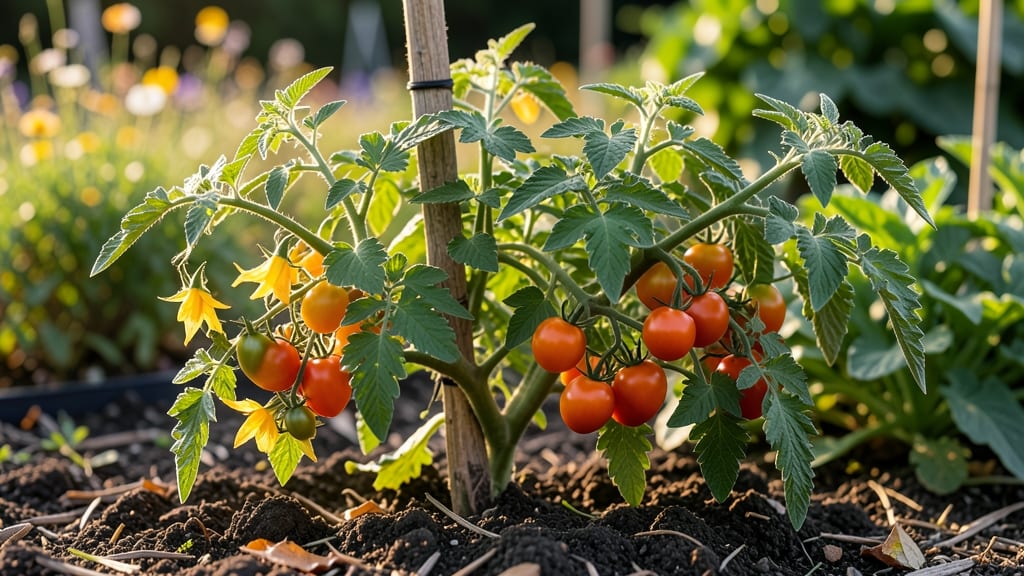
The Sungold tomato size grows into 6-foot-tall vines that produce 1-inch-wide golden-orange fruits—each one packed with sweet, tangy flavor. 🌱 I learned the hard way that these indeterminate plants need strong support (like a trellis or cage) or they’ll sprawl everywhere, breaking branches under the weight of their prolific harvest.
The key to maximizing yield is spacing: plant them 18-24 inches apart in rows 3 feet apart to give vines room to climb and air to circulate. My first attempt with crowded plants led to tangled vines and fewer tomatoes—now I plan ahead for their vertical growth habit.
By midsummer, you’ll be harvesting dozens of Sungolds per plant, each one a burst of sunshine in your mouth. The secret? Pruning suckers early and feeding them regularly with balanced fertilizer to keep those vines climbing and fruiting all season.
Perfect for containers too—just use a 5-gallon pot with sturdy stakes. These tomatoes thrive in warm climates but even cooler zones can grow them with proper winter protection. Let’s get those vines growing!
📚 In This Guide
- What you need
- Instructions
- Tips and common mistakes
- Wrapping up and next steps
What you need
- ● Sungold tomato seeds or seedlings: 1–2 plants (check seed packets for "indeterminate" or "vining" varieties).
- ● Growing containers or garden bed: Containers: 5-gallon pots (minimum) with drainage holes, or fabric grow bags (12"+ diameter).
- ● Garden bed: Well-draining soil, 18" deep, with full sun (6+ hours daily).
- ● High-quality potting mix: 1–2 bags (sterile, organic blend with perlite or compost).
- ● Tomato cages or trellis: 6-foot-tall sturdy cages (4"–6" diameter) or a strong trellis system.
- ● Balanced fertilizer: 10-10-10 or 5-5-5 (organic options like composted manure work too).
- ● Pruning shears: Sharp, clean pair for trimming suckers and vines.
- ● Mulch: Straw, wood chips, or black plastic (to retain moisture and suppress weeds).
- ● pH test kit (ideal soil pH: 6.0–6.8).
- ● Drip irrigation or soaker hoses (for consistent watering).
- ● Plant ties or soft twine (to secure vines to supports).
- ● Compost tea or fish emulsion (for extra nutrients).
- ● Row covers (to protect seedlings from pests or frost).
How to manage Sungold tomato vines reaching 6 feet tall
Here's how I handle Sungold's vigorous growth—keeping them productive while preventing sprawl.
🌱 Step 1: Choose the Right Support Structure Early
Sungold tomatoes grow 6 feet or taller with their indeterminate vines, so install a strong support system before planting. I use 6-foot tall tomato cages or heavy-duty stakes (at least 2-inch diameter) driven 12 inches deep into the soil. For larger gardens, T-posts with twine work best—they won't bend under the weight of heavy fruit.
Position supports 3-4 inches from the stem to avoid damaging roots. If using cages, opt for removable fabric or wire types—they're easier to maneuver as the vine grows. The key is stability: Sungolds produce 10-15 pounds of fruit per plant, and a flimsy cage will collapse under the load.
☀️ Step 2: Train Vines Properly for Maximum Airflow
Start training vines when they reach 12 inches tall. Gently tie the main stem to the support using soft cloth strips or Velcro plant ties—never wire, which cuts into stems. I weave the vine upward in a spiral pattern, leaving 6-8 inches between loops. This prevents the vine from twisting and restricts airflow if left too crowded.
Remove suckers (the small shoots that form in the leaf axils) weekly—they drain energy from fruit production. Pinch them off with your thumb and forefinger without tearing. Sungolds produce more and larger fruit when energy focuses on the main stem and branches. Watch for yellowing leaves at the base: this signals overcrowding or poor airflow, which invites disease.
✂️ Step 3: Prune Strategically for Fruit Quality
Prune only the bottom leaves—remove any touching the soil to prevent rot and pests. I stop pruning once the plant hits the support's top, as further pruning reduces fruit set. Sungolds are self-pollinating, but wind or gentle shaking helps set fruit. On rainy days, I give the plant a light shake to mimic wind—this boosts pollination and prevents blossom drop.
If vines grow too leggy (stems stretch more than 12 inches between leaves), they're not getting enough light. Move the plant closer to a sunny window or supplement with a grow light. Leggy growth also happens when night temperatures drop below 55°F—cover plants with frost cloth if needed. The goal is compact, bushy growth with short internodes for higher yields.
🪴 Step 4: Monitor Growth and Adjust Supports
Check the support system weekly—vines can double in height during peak growth. If the main stem outgrows the cage, add extension poles or tie additional supports to the original structure. I reinforce stakes with wooden dowels tied at 2-foot intervals for extra stability. Sungolds' cherry tomatoes weigh ½ to 1 ounce each, and heavy clusters can snap weak stems if unsupported.
Watch for leaf curling or yellowing—this often means overwatering or nutrient deficiency. Sungolds thrive in well-draining soil with pH 6.0-6.8. If leaves yellow between veins, it's iron deficiency; apply chelated iron or Epsom salt (1 tablespoon per gallon of water) every 2 weeks. The plant should have deep green leaves with no browning edges—this confirms balanced care.
Tips & tricks for managing Sungold tomato vines
These practical insights will help you maximize yield and prevent common growing challenges with your towering Sungold plants.
Support Stability Matters: When installing your 6-foot supports, pound stakes at least 12 inches deep—this prevents them from rocking when heavy fruit clusters form. I've seen flimsy cages collapse under 10-pound loads, so reinforce with wooden dowels tied every 2 feet for extra strength. The goal is complete immobility, especially during wind or when harvesting.
Training Technique: Begin guiding vines upward at the 12-inch mark using soft cloth ties—never wire, which can girdle stems over time. I use a spiral pattern with 6-8 inch spacing between loops to prevent twisting. This method also creates natural airflow channels that reduce disease risk. The key is gentle handling; rough ties can damage tender stems.
Pruning Precision: Only remove bottom leaves that touch soil to prevent rot, and stop pruning when vines reach your support's top. Further pruning reduces fruit set in Sungolds. I've found that leggy growth (over 12-inch spacing between leaves) signals insufficient light—supplement with grow lights if needed. Watch for night temperatures below 55°F, which also causes stretching.
Nutrient Watch: Yellowing between leaf veins indicates iron deficiency—apply chelated iron or Epsom salt (1 tablespoon per gallon) every 2 weeks. Healthy Sungold leaves should be deep green with crisp edges. I test soil pH annually, aiming for 6.0-6.8. The plant's vigor directly correlates with fruit production, so don't neglect these maintenance checks.
Pro Tips for Sungold Tomato Size
- These practical insights will help you maximize yield and prevent common growing challenges with your towering Sungold plants.
- Support Stability Matters: When installing your 6-foot supports, pound stakes at least 12 inches deep—this prevents them from rocking when heavy fruit clusters form.
- Training Technique: Begin guiding vines upward at the 12-inch mark using soft cloth ties—never wire, which can girdle stems over time.
Frequently asked questions
Got questions about Sungold tomato size? You’re not alone!
Here are answers to the most common queries—from vine growth to harvest timing and everything in between.
How big do Sungold tomato vines get?
Sungold tomato plants are indeterminate, meaning they grow continuously until frost. With proper support (like a 6-foot trellis or cage), vines can reach 6–10 feet tall and spread 3–5 feet wide. Prune suckers regularly to encourage upward growth and larger fruit!
When do Sungold tomatoes reach full size?
These tomatoes take 70–85 days from transplant to harvest, but full-sized fruit (about 1.5–2 inches in diameter) usually appears 60–70 days in. Warm weather (70–85°F) speeds ripening—just watch for vibrant orange color and slight softness.
Why are my Sungold tomatoes staying small?
Small Sungold tomatoes often stem from overcrowding, poor pollination, or nutrient deficiencies. Try these fixes:
- Space plants 18–24 inches apart for airflow.
- Hand-pollinate flowers by gently shaking vines on sunny days.
- Fertilize with low-nitrogen, high-phosphorus feed (like 5-10-10) when blooms appear.
Can I grow Sungold tomatoes in containers?
Sungolds thrive in 5-gallon+ containers with well-draining soil and a sturdy trellis. Use a balanced fertilizer (like 10-10-10) every 3–4 weeks. Just ensure the pot stays moist but not soggy—container-grown plants dry out faster.
What can I do if my Sungold tomatoes crack?
Cracking happens when tomatoes grow too fast after irregular watering. To prevent it:
- Water deeply and consistently (1–2 inches per week).
- Mulch around plants to retain moisture.
- Harvest overripe tomatoes promptly—they’re still delicious!
Pro tip: Drip irrigation helps maintain steady soil moisture.
Are Sungold tomatoes bigger than other cherry tomatoes?
Yes! Sungolds are larger than most cherry tomatoes (typically 1.5–2 inches wide
Tomato Type
Avg. Size
Flavor Profile
Sungold
1.5–2 inches
Sweet, honey-like, slightly tart
Sweet 100
1 inch
Mildly sweet, classic cherry
Grape Tomatoes
0.5–1 inch
Tart, juicy
Wrapping up and next steps
Growing Sungold tomatoes is a rewarding adventure—whether you’re a seasoned gardener or a curious beginner! Remember, their indeterminate vines and small, sweet fruit (typically 1-2 inches in diameter) thrive with the right support, sunlight, and care.
With patience and the right techniques, you’ll enjoy a bountiful harvest of juicy, flavorful tomatoes that outshine store-bought varieties.
Ready to level up your garden? Start by experimenting with different trellis styles or companion plants, and don’t forget to share your progress with fellow gardeners! 🌱🍅