
Vegetables
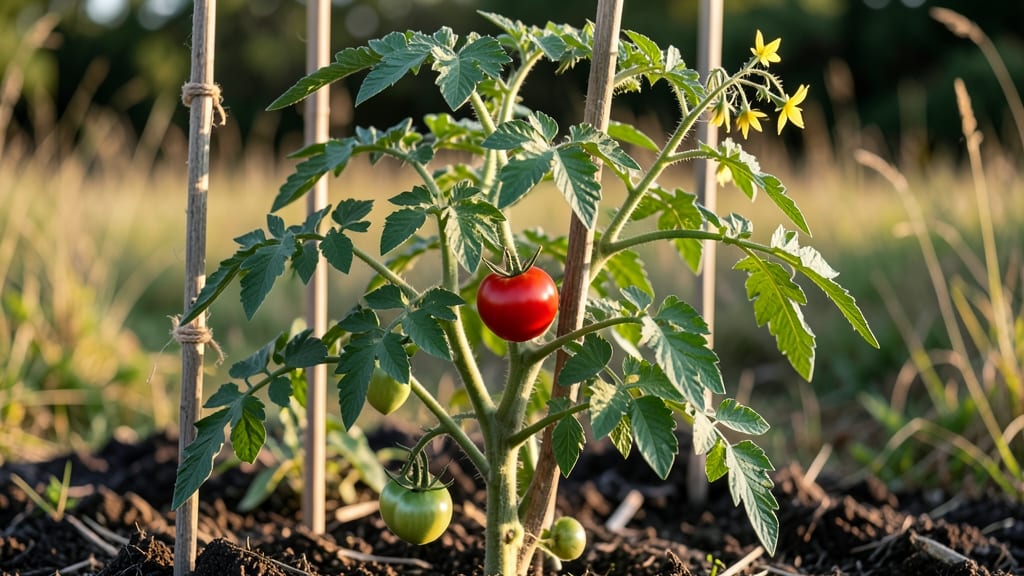
Growing sweet tomato fruit isn't just about planting seeds—it's about unlocking flavors you’ll crave all summer long. 🌱 I’ve learned the hard way that heat-resistant varieties like ‘Sugar Baby’ or ‘Sweet 100’ thrive when given the right timing, soil, and care.
The difference between mealy store-bought tomatoes and juicy, sun-ripened sweetness comes down to a few key steps most gardeners miss.
Start with well-draining soil rich in organic matter, and plant after your last frost when nighttime temps stay above 55°F. Sweetness peaks when tomatoes ripen in warm sunlight, so stake or cage plants to avoid sunscald on exposed fruit.
Water deeply but consistently—drought stress or overwatering kills that perfect balance of sugar and acidity you’re after.
Prune suckers early to focus energy on fruit production, and harvest when color deepens fully—no green shoulders allowed. The payoff? Tomatoes so sweet they’ll make you question why you ever bought store-bought. Even in hot climates, these varieties deliver bursting flavor with minimal fuss.
Troubleshooting is simple: Too much nitrogen? Your tomatoes taste bland. Too little water? They split. The trick is patience—let them ripen on the vine, and you’ll taste the difference. Ready to grow tomatoes that’ll have your neighbors asking for cuttings?
📚 In This Guide
- What you need
- Instructions
- Tips and common mistakes
- Wrapping up and next steps
What you need
- ● Sweet tomato seeds or seedlings: Heat-resistant varieties like 'Solar Fire', 'Heatmaster', or 'Black Prince' (choose 3-5 plants for a small harvest).
- ● High-quality potting mix: 5-10 gallons of well-draining, organic soil (avoid garden soil—it compacts easily).
- ● Containers or raised beds: 5-gallon pots (1 per plant) or
- ● Raised beds (at least 12" deep, 3' x 6' for 3-4 plants).
- ● Balanced fertilizer (10-10-10 or 5-5-5): 1 lb per 10 sq ft of planting area.
- ● Tomato cages or stakes: 6-8 ft tall (2 per plant for support).
- ● Drip irrigation or soaker hoses: For consistent moisture (avoid overhead watering).
- ● Mulch (straw or black plastic): 2-3 inches to retain moisture and regulate soil temp.
- ● Pruning shears: For trimming suckers and shaping plants.
- ● Mycorrhizal fungi: Boosts root health (mix 1 tbsp per planting hole).
- ● Cauliflower mosaic virus-resistant seeds: If your area has pests.
- ● Shade cloth (30-50% coverage): For seedlings in extreme heat (140°F+).
- ● Growth regulators (e.g., 'Tomato-Tone'): Enhances sweetness in heat.
- ● pH test kit: Aim for 6.0-6.8 (adjust with lime or sulfur if needed).
Step-by-step instructions for cultivating heat-resistant sweet tomatoes
Here’s how I grow tomatoes that thrive in hot climates—juicy, sweet, and disease-resistant.
🌱 Step 1: Select Heat-Tolerant Varieties and Start Seeds Early
Choose heat-resistant varieties like ‘Solar Fire,’ ‘Heatmaster,’ or ‘Black Prince’—these handle temperatures up to 95°F without sunscald. Start seeds indoors 8-10 weeks before your last frost date, using 75-85°F warmth for germination. I use a seedling heat mat to speed up sprouting, which typically takes 5-7 days under ideal conditions.
Plant 2-3 seeds per cell in 2-3 inch deep biodegradable pots filled with sterile seed-starting mix. Press seeds ¼ inch deep—any deeper delays germination. Mist the soil lightly with warm water and cover with a humidity dome. Watch for first true leaves (not the initial cotyledons) before thinning to the strongest seedling.
☀️ Step 2: Harden Off and Transplant After Soil Warms
Begin hardening off seedlings 2 weeks before transplanting by placing them outside in partial shade for 1-2 hours daily, gradually increasing exposure. Tomatoes need warm soil—wait until 60°F+ before planting, even if nighttime temps drop. I test soil temperature with a thermometer; cooler soil slows root growth and invites disease.
Transplant seedlings into the garden after all danger of frost and only when they’ve developed 4-5 true leaves. Space plants 18-24 inches apart in rows 3 feet apart to allow airflow. Bury stems deeper than the original pot—this encourages stronger root systems. Water deeply at transplanting to settle soil around roots and reduce shock.
💧 Step 3: Manage Water and Mulch for Heat Resistance
Water deeply 1-2 times per week (more in 100°F+ heat) to encourage deep root growth. I use drip irrigation to keep foliage dry, which prevents fungal diseases like early blight. Water in the early morning so leaves dry by afternoon—wet leaves in heat invite sunscald and rot.
Apply 2-3 inches of organic mulch (straw or shredded leaves) around plants to retain moisture and regulate soil temperature. Mulch also blocks weeds, which compete for water. Avoid overhead watering once flowers appear—this reduces pollen transfer and fruit set. If your area gets consistent 90°F+ heat, shade cloth (30-50% coverage) can protect plants during peak afternoon sun.
✂️ Step 4: Prune and Support for Maximum Sweetness
Prune suckers (the small shoots between stems and leaves) weekly to focus energy on fruit production. Remove lower leaves up to 12 inches from the ground to improve airflow and reduce disease risk. For indeterminate varieties, use cages or stakes to support vines as they grow—this prevents fruit from touching wet soil, which causes rot.
Pinch off the first flower cluster if seedlings are small (under 12 inches tall). This forces energy into stem and root growth before fruiting. Once plants are established, harvest regularly—ripe tomatoes signal the plant to produce more. I pick every 2-3 days in peak season to keep plants productive. Use a sharp knife or pruners to cut stems, leaving a small portion attached to avoid damaging the vine.
🌿 Step 5: Fertilize and Monitor for Heat Stress
Feed plants with a balanced fertilizer (10-10-10) at transplanting, then switch to a low-nitrogen, high-phosphorus formula (5-10-10) when flowers appear. I mix fertilizer into the soil at planting and use liquid feed every 3-4 weeks during fruiting. Over-fertilizing with nitrogen leads to lush foliage but fewer tomatoes—keep it balanced.
Watch for heat stress signs: yellowing leaves, curled edges, or blossom drop. If temps exceed 95°F for days, provide afternoon shade and increase watering. Varieties like ‘Heatmaster’ handle heat better than standard tomatoes, but even they need care. Harvest before full ripeness if a heatwave is forecast—green tomatoes can ripen indoors with a banana nearby (ethylene gas speeds ripening).
Tips & tricks for perfect heat-resistant sweet tomatoes
Real talk: Growing tomatoes in hot climates takes extra finesse. Here’s what nobody tells you about keeping your plants thriving—and your fruit sweet—when the mercury climbs.
Germination Warmth: That 75-85°F temperature range for seedling heat mats isn’t just a suggestion—it’s non-negotiable. I’ve seen seeds fail to sprout when temps dip below 75°F, even with the heat mat. Place your seed trays on top of the heat mat, not beside it, to ensure even warmth. If your home stays below 70°F at night, consider a seedling heat lamp instead—it gives you more control over those critical early days.
Soil Temperature Matters: Don’t be fooled by warm daytime air—soil temperature is what really counts. Use a soil thermometer to confirm 60°F+ before transplanting. I’ve transplanted too early when the air felt warm, only to see roots struggle in cool soil. For extra insurance, bury your thermometer 2-3 inches deep where your plants will go. If it’s below 60°F, wait another week—your tomatoes will thank you with stronger growth.
Watering Strategy: The 1-2 times per week guideline changes dramatically when temps hit 100°F+. In extreme heat, I switch to watering every other day in the early morning, using 2-3 gallons per plant to ensure deep saturation. The key is to water slowly so the moisture penetrates 6-8 inches deep rather than just wetting the surface. Shallow watering stresses plants in heat—deep watering builds resilience. Always check soil moisture by hand before watering; if the top 2 inches are dry, it’s time.
Heat Stress Rescue: When temps exceed 95°F for days, don’t just throw shade cloth on randomly. I use 30-50% shade cloth only during peak afternoon sun (typically 12-4 PM), removing it by late afternoon to allow sunlight for photosynthesis. Pair this with daily misting of leaves (not overhead watering) to help cool the plants. Watch for curled leaves or yellowing—these are early warnings. If you see blossom drop, your plants are telling you they’re overheated. A temporary move to a shaded area can save your crop.
Pro Tips for Sweet Tomato Fruit
- Real talk: Growing tomatoes in hot climates takes extra finesse.
- Germination Warmth: That 75-85°F temperature range for seedling heat mats isn’t just a suggestion—it’s non-negotiable.
- Soil Temperature Matters: Don’t be fooled by warm daytime air—soil temperature is what really counts.
Frequently asked questions
about growing sweet tomato fruit—your go-to answers for a foolproof harvest!When is the best time to plant sweet tomato varieties?
For heat-resistant varieties, wait until after the last frost when soil temps reach 60°F+. In most U.S. zones, this is mid-April to early June. Use black plastic mulch to warm soil faster if needed. Early starts indoors (8–10 weeks before transplant) help too!
Why are my sweet tomatoes not ripening on the vine?
Sweet tomatoes often need full sun (6–8+ hours/day) and warm temps (75°F+). If they’re still green, check for:
- Insufficient sunlight → Move plants to sunnier spots.
- Cool nights → Use row covers or greenhouses.
- Overcrowding → Prune suckers and space plants 18–24" apart.
- Nutrient deficiency → Feed with tomato-specific fertilizer (high in phosphorus/potassium).
How long does it take for sweet tomato plants to produce fruit?
Most sweet varieties (like Solar Fire or Heatmaster) take 60–85 days from transplant to harvest, depending on warmth. Early blooms? Pinch them off to delay fruiting until temps stabilize. Patience pays off—consistent care speeds up production!
Can I grow sweet tomatoes in containers? What’s the best setup?
Use 5-gallon+ containers with well-draining potting mix and cage support. Dwarf varieties (e.g., Tiny Tim) thrive in pots. Key tips:
- Place containers in full sun (south-facing windows or balconies).
- Water daily (containers dry faster).
- Avoid overcrowding—1 plant per container.
Are sweet tomatoes better for cooking or eating raw?
Both! Their naturally sweet, low-acid flavor shines in:
- Raw: Sliced in salads, eaten whole, or blended into smoothies.
- Cooked: Sauces (no added sugar!), salsas, or grilled as a caramelized side.
- Preserved: Roast for confit tomatoes or sun-dry for snacks.
Wrapping up and next steps
Growing sweet tomato fruit is a rewarding journey that blends patience, passion, and a little science! With the right heat-resistant varieties and precise timing, you’ll harvest juicy, flavorful tomatoes that rival store-bought—and even beat them.
Whether you’re a first-time gardener or a seasoned green thumb, these tips will set you up for success.
Now that you’re armed with knowledge, take the next step! Start small with a few plants, experiment with different varieties, and enjoy the process. Before you know it, you’ll be sharing your homegrown sweet tomatoes with friends and family—one delicious bite at a time! 🌱🍅