
How To
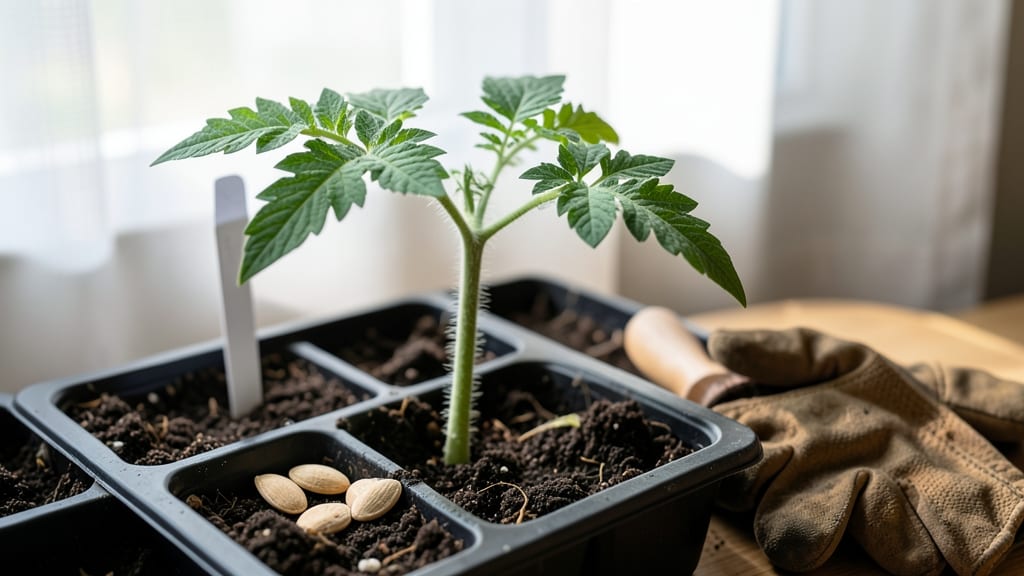
Starting tomato seeds early 🍅 indoors is the secret weapon for a bountiful harvest before summer even begins.
Picture this: you’re staring at a calendar, counting down the days until the last frost, only to realize your seedlings are still stuck in the starting blocks. That’s the moment you wish you’d begun earlier—and it’s a mistake I’ve made more times than I’d like to admit.
Here’s the good news: with the right timing, soil prep, and a few pro tips, you can jumpstart your tomato plants by 4-6 weeks before the ground is even ready.
Whether you’re in USDA Zone 6a or a warmer climate, this 3-step process ensures your seedlings are strong, healthy, and ready to hit the garden without a hitch.
Below, I’ll walk you through the exact steps to maximize germination, avoid common pitfalls like weak sprouts, and set your tomatoes up for a faster, more productive growing season. No more last-minute scrambles—just a head start on the harvest you’ve been dreaming of.
How to start tomato seeds early indoors for faster germination
Getting a head start on your tomato plants means earlier harvests and healthier seedlings. The key to success lies in starting seeds indoors 4-6 weeks before your last frost date, typically in March or early April for most regions.
This timing gives your seedlings enough time to develop strong roots and stems before transplanting outdoors. Without this early start, you risk late-season disappointments or weak plants struggling to catch up.
I’ve learned the hard way that rushing or skipping steps can lead to damping-off or leggy seedlings. But with the right approach—proper soil prep, consistent warmth, and adequate light—you can achieve 90%+ germination rates in just 7-14 days.
Let’s break down the exact steps to maximize your early tomato success.
Step-by-Step Guide to Early Tomato Seed Germination
-
Step 1: Choose the Right Seeds & Containers
Select heirloom or hybrid tomato varieties suited to your climate. Use biodegradable pots (3-4 inches deep) or seed trays with drainage holes to prevent root binding.
-
Step 2: Prepare Light, Airy Seed Starting Mix
Fill containers with a sterile, seed-starting mix (avoid garden soil—it’s too dense). Mix in perlite or vermiculite (20%) for aeration. Moisten lightly until damp, not soggy.
-
Step 3: Sow Seeds at the Correct Depth
Plant seeds 1/4 inch deep, spacing them 1/2 inch apart in rows. Label each pot with the variety name and date sown to track progress.
-
Step 4: Maintain Ideal Germination Conditions
Temperature: Keep soil at 70-85°F using a heat mat or warm location (like on top of the fridge). Humidity: Cover with plastic wrap or a humidity dome until sprouts appear (3-7 days). Light: Provide 12-16 hours of light daily with grow lights or a south-facing window.
-
Step 5: Thin Seedlings & Harden Off
Once seedlings have 2 true leaves, thin to the strongest plant per pot. Harden off for 7-10 days before transplanting by gradually exposing them to outdoor conditions.
One of the biggest mistakes I see is overwatering or letting seedlings sit in cold drafts. Tomato seeds need consistent warmth and indirect light initially—direct sunlight can scorch delicate sprouts.
If your home is chilly, a DIY heat mat (like a heating pad on low) works wonders for speeding up germination.
After sprouts emerge, switch to bright, indirect light for the first week, then gradually increase sunlight exposure. If using artificial lights, keep them 2-3 inches above seedlings and adjust height as they grow to prevent etiolation (stretched, weak stems).
Watch for damping-off, a fungal disease that causes seedlings to collapse at the soil line. To prevent it, avoid overcrowding, ensure proper drainage, and water at the soil level (not overhead). A light sprinkle of cinnamon on the soil can also act as a natural fungicide.
By following these steps, you’ll have robust, 6-inch-tall seedlings ready for transplanting when outdoor temperatures stabilize. The payoff? Earlier harvests and plants that outperform store-bought seedlings by miles. Happy growing!
Best tomato seed germination methods compared: heat mats vs. DIY solutions
Getting your tomato seeds to sprout early is all about creating the right conditions. While heat mats are a gardener’s secret weapon, DIY solutions like bottom watering or simple seedling trays can work just as well—if you know the tricks.
For heirloom varieties or cherry tomatoes, faster germination means stronger seedlings ready for transplanting. Let’s break down the best methods, their pros, cons, and which one fits your budget and setup.
Tomato seeds thrive at 70-85°F (21-29°C), but achieving that consistently can be tricky without the right tools. Heat mats provide predictable warmth, while DIY methods rely on clever workarounds like bottom watering or repurposed materials.
Both approaches can yield healthy sprouts in as little as 5-10 days, but the method you choose depends on your patience, budget, and space constraints.
Comparison Table: Tomato Seed Germination Methods
If you’re growing high-value varieties like 'Brandywine' or 'Sungold' cherry tomatoes, a heat mat is worth the investment. These varieties demand consistent warmth to avoid leggy or weak seedlings.
For budget-conscious gardeners, a DIY warmth pad made from a heating pad wrapped in a towel can mimic a heat mat’s effect for a fraction of the cost. Just place it beneath your seedling tray and cover with a clear lid to trap heat.
For bottom watering, fill a shallow tray with water and place your seedling containers inside. The soil will draw up moisture as needed, keeping it evenly damp without the risk of overwatering. This method is perfect for small batches or when you’re short on space.
Pair it with a clear plastic dome or zip-top bag to create a mini greenhouse effect, speeding up germination by 1-2 days.
No matter which method you choose, patience and consistency are key. Monitor your seeds daily, keep the soil moist but not soggy, and provide 12-16 hours of light once sprouts appear.
With the right setup, you’ll have sturdy seedlings ready for transplanting in just a few weeks—giving your tomatoes a huge early-season advantage.
🌱