
Planting
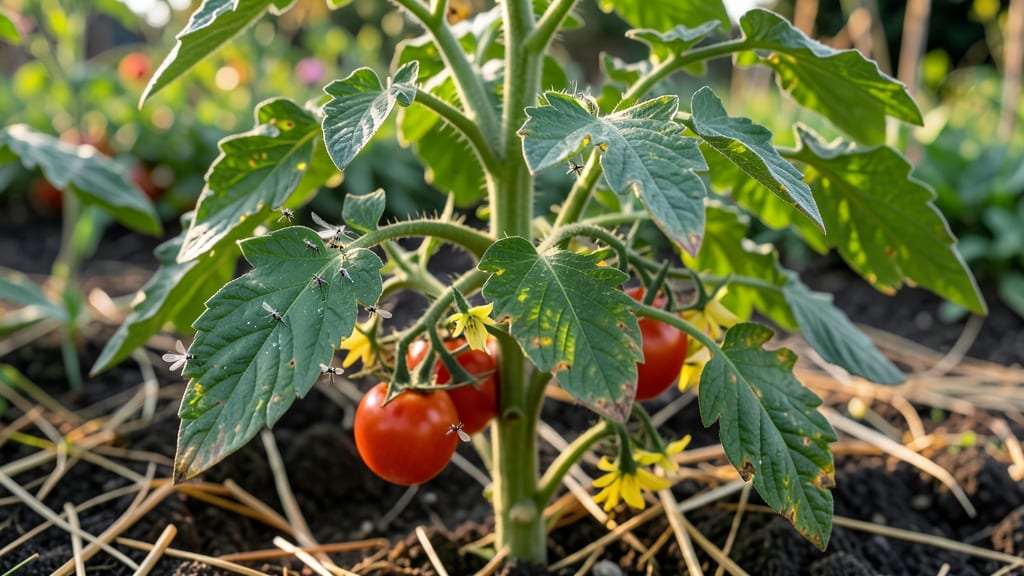
Tiny flies buzzing around your tomato plant are a nightmare no gardener wants to face. 🌱 I’ve battled them myself, and the good news is that these pests—whether whiteflies, fungus gnats, or fruit flies—respond quickly to the right organic tricks.
The key is acting fast before they multiply and damage your plants. Most of these flies thrive in moist, crowded conditions, so start by improving airflow around your plants and reducing overhead watering.
A simple spray of soapy water or neem oil can knock them back in just a few days, and companion plants like basil or marigolds help deter them naturally. The sooner you act, the less damage you’ll see.
You’ll notice fewer flies within 24-48 hours of treatment, and your tomato plants will bounce back stronger. The real win? These methods work without harsh chemicals, so your garden stays safe for pollinators and future harvests.
For stubborn infestations, repeat treatments every 3-5 days and check soil moisture—damp soil is a magnet for fungus gnats. If the problem persists, it might be time to dig deeper (literally) and adjust your watering habits.
Root Causes of Tiny Tomato Pests
Those pesky tiny flies buzzing around your tomato plants aren’t just a nuisance—they’re often a sign of deeper issues in your garden ecosystem. Understanding why these insects appear is the first step to eliminating them naturally.
Below, we break down the most common triggers, from environmental factors to plant health, so you can address the problem at its source.
Moist, soggy soil creates the perfect breeding ground for fungus gnats and shore flies, two of the most common tiny fly culprits. These flies lay their eggs in damp, decomposing plant debris, mulch, or even overwatered soil.
Their larvae thrive in these conditions, eventually emerging as adults to harass your tomato plants.
Why it happens:
- Poor drainage: If water pools around your tomato roots, it signals to flies that the environment is ideal for reproduction.
- Excessive mulch or compost: While organic matter enriches soil, too much can create anaerobic (oxygen-poor) zones where fungal growth—and fly larvae—boom.
- Fungal infections: Soft, mushy stems or leaves (a sign of Fusarium or Phytophthora) attract flies drawn to decaying tissue.
💡 Pro Tip: Test your soil’s moisture by sticking your finger 1–2 inches deep. If it feels damp for more than a day after watering, you’re overdoing it. Aim for consistently moist but not waterlogged soil.
Healthy tomato plants repel pests naturally, but when they’re struggling, they become magnets for tiny flies. Stress signals—like nutrient deficiencies, disease, or physical damage—make plants more vulnerable to infestations.
Why it happens:
- Nutrient imbalances: A lack of nitrogen (yellowing leaves) or potassium (weak stems) weakens plants, making them easier targets for fly larvae feeding on roots or leaves.
- Pests or diseases: Aphids, spider mites, or fungal spots create open wounds that flies exploit. For example, whiteflies often follow thrips damage.
- Transplant shock: Recently moved or newly planted tomatoes are stressed and emit volatile compounds that attract flies seeking easy meals.
🌡️ Quick Fix: Strengthen your plants with a balanced organic fertilizer (like 5-5-5) and inspect leaves daily for early signs of stress (e.g., curling, discoloration).
Tiny flies often thrive when their natural predators—like ladybugs, lacewings, or parasitic wasps—are missing. This imbalance can happen due to pesticide use, monoculture planting, or lack of biodiversity in your garden.
Why it happens:
- Chemical pesticides: Broad-spectrum sprays (e.g., neonicotinoids) kill beneficial insects faster than pests, leaving flies unchecked.
- Lack of companion plants: Tomatoes left alone in a sea of bare soil lack the diversity that attracts predatory insects. For example, marigolds and basil deter flies naturally.
- Seasonal shifts: Early spring or late fall can see predator populations dwindle, giving flies a temporary advantage.
✨ Eco-Friendly Solution: Introduce pollinator-friendly plants (e.g., dill, fennel, or alyssum) near your tomatoes to lure natural fly predators. Avoid synthetic pesticides—opt for neem oil or insecticidal soap as last resorts.
Tiny flies are highly sensitive to temperature and humidity. Warm, humid conditions—especially after rain—create ideal conditions for their life cycles to accelerate.
Why it happens:
- High humidity: Flies like fungus gnats require moisture to lay eggs in soil. Humidity above 70% can trigger rapid reproduction.
- Warmth: Temperatures between 70–85°F speed up their life cycle from egg to adult in 7–10 days.
- Rainfall: Heavy rain washes organic matter into soil, creating a buffet for fly larvae. It also disperses adult flies to new plants.
🎯 Prevention Tip:
Condition
Action
Humid mornings
Water tomatoes early in the day (before 10 AM) to allow foliage to dry.
Hot afternoons
Use shade cloth (30–50% coverage) to reduce soil heat and humidity.
Post-rain blooms
Apply a mulch barrier (like straw) to prevent water from pooling at the base.
Quick Fixes for Garden Pests
Tiny flies buzzing around your tomato plants? Don’t panic—there are effective, organic solutions to tackle these pests without harsh chemicals. The key is identifying the culprit (fungus gnats, whiteflies, or other tiny invaders) and acting fast.
Below, we break down targeted fixes for each common cause, plus prevention tips to keep your tomato plants thriving.
Fungus gnats thrive in moist, decaying organic matter, so the first step is cutting off their breeding ground.
🍳 Step 1: Adjust Watering Habits
- 💧 Water deeply but less often—soil should dry slightly between waterings.
- 🚫 Avoid overhead watering (especially in the evening), as damp leaves attract gnats.
- 🌱 Use drip irrigation or soaker hoses to keep foliage dry.
👨🍳 Step 2: Trap & Eliminate Adults
- 🕯️ Yellow sticky traps (DIY with yellow cards + petroleum jelly) lure and trap adults.
- 🍎 Apple cider vinegar trap: Fill a shallow dish with 1 inch of vinegar + a drop of dish soap.
Gnats drown within hours. - 🌿 Beneficial nematodes (Steinernema feltiae) kill larvae in the soil—apply when soil is moist.
🌡️ Step 3: Sterilize the Soil
- 🔥 Solarize the soil: Cover beds with clear plastic for 4-6 weeks in hot sun to kill larvae.
- 🪴 Repot affected plants in fresh, sterile potting mix (avoid overwatered compost).
✨ Pro Tip: Carnivorous plants like Sundews or Butterworts can be planted nearby—they eat fungus gnats naturally!
Whiteflies cluster on undersides of leaves, sucking sap and spreading viruses. Isolate infested plants immediately.
🔪 Step 1: Blast Them Away
- 💦 Spray with water (forceful stream from a hose) to knock them off leaves.
- 🌬️ Use a fan on high speed for 10-15 minutes daily—they can’t fly in strong currents.
🍎 Step 2: Smother with Natural Sprays
- 🧴 Neem oil spray: Mix 1 tsp neem oil + 1 tsp mild soap + 1 quart water.
Spray every 5-7 days (avoid direct sun). - 🌿 Insecticidal soap: 1 tbsp castile soap + 1 quart water—spray directly on undersides where they hide. - 🍋 Citrus peel spray: Boil peels of 4 lemons/oranges in 4 cups water, strain, and spray (flies hate the scent).
🌱 Step 3: Introduce Predators
- 🐞 Ladybugs & lacewings devour whitefly eggs and nymphs—release 2-3 per plant.
- 🕷️ Parasitic wasps (Encarsia formosa) lay eggs inside whiteflies—order from garden centers.
💡 Prevention Tip: Reflective mulch (aluminum foil or silver plastic) confuses whiteflies and reduces landings.
If the flies aren’t fungus gnats or whiteflies, they could be fruit flies, aphids, or shore flies. Here’s a one-size-fits-most approach:
🚫 Block Their Access
- 🧢 Cover young plants with fine mesh row covers until flowering.
- 🪟 Install window screens on greenhouses to keep flies out.
🍎 Bait & Trap
- 🍌 Overripe fruit trap: Place a banana peel or apple slice in a jar with vinegar + soap—flies drown trying to feed.
- 🍄 Beer trap: Fill a shallow dish with beer—flies are attracted but drown instantly.
🌿 Strengthen Plant Health
- 💪 Healthy plants repel pests—ensure full sun (6-8 hrs/day), balanced fertilizer (low nitrogen), and prune for airflow.
- 🌿 Companion plant with basil, marigolds, or garlic—their strong scents deter flies.
Once you’ve eliminated the current infestation, lock in long-term protection with these habits:
| Action | How It Works | When to Do It |
|---|---|---|
| 🌱 Rotate crops | Prevents soil-borne pests from building up | Every 2-3 years |
| 🪴 Use sterile potting mix | Stops fungus gnat larvae from hatching | When repotting or sowing seeds |
| 💧 Water in mornings | Lets foliage dry before evening humidity | Always |
| 🧹 Clean up debris | Removes hiding spots for eggs/larvae | Weekly |
| 🌿 Mulch with straw | Keeps soil dry and deters moisture-loving pests | Spring planting |
Final Thought: The sooner you act, the easier it is to outsmart these tiny troublemakers. Most organic methods take 1-2 weeks to show results—stay consistent, and your tomato plants will bounce back stronger than ever! 🍅✨
Frequently asked questions
Are tiny flies on tomato plants harmful?
Yes, they can damage your plants! Most tiny flies like fungus gnats or whiteflies feed on plant sap, weaken leaves, and spread diseases. Their larvae also attack roots, stunting growth. Act fast—organic solutions like neem oil or sticky traps work within 3-5 days.
How do I tell if they’re fungus gnats vs. whiteflies?
Fungus gnats are dark, mosquito-like flies hovering near soil, while whiteflies are tiny white ones clustering on leaf undersides. Check soil moisture (fungus gnats love dampness) or inspect leaves (whiteflies leave sticky residue).
Will vinegar kill tiny flies on tomato plants?
Yes! Mix 1 part vinegar + 1 part water + a drop of dish soap in a spray bottle. Spray directly on flies—they’ll drown within minutes. Repeat every 2-3 days for severe infestations, but avoid spraying flowers to protect pollinators.
Can I use coffee grounds to repel these flies?
Sprinkle used coffee grounds around your tomato plants—the strong scent deters many tiny flies. The caffeine also acts as a mild fungicide. Refresh every 5-7 days or mix into soil as a natural fertilizer.
Why do I keep getting flies even after treating?
Flies reproduce quickly—adults can lay 200+ eggs in days! Check for hidden breeding sites (damp soil, decaying matter) and repeat treatments every 3-5 days. Also ensure proper drainage and reduce overhead watering to break their life cycle.