
Pests and Diseases
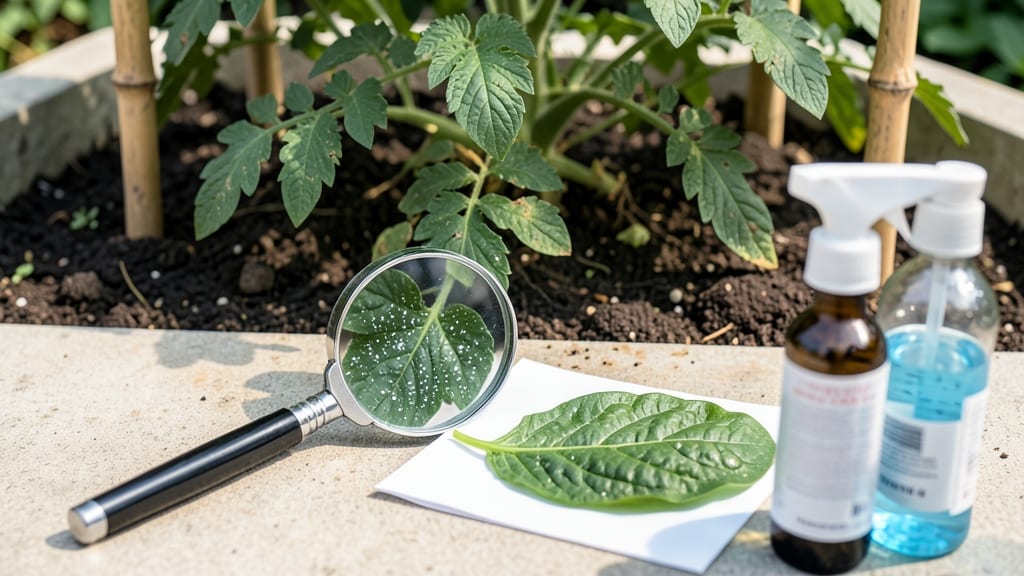
Those tiny white spots on your tomato leaves aren’t just cosmetic—they’re a sign of trouble. 🌱 I’ve battled this exact problem in my garden, and the good news is, you can stop it fast with the right approach.
What looks like harmless dust could be powdery mildew, spider mites, or even aphids sucking the life out of your plants.
The first step is identifying the culprit: powdery mildew leaves a white, powdery coating, while mites create fine webbing and tiny specks. Aphids, on the other hand, leave sticky residue and curled leaves.
Once you know the enemy, you can act—whether it’s spraying neem oil, improving airflow, or pruning affected foliage.
With quick action, your tomato plants can bounce back stronger than ever. I’ve seen gardens go from struggling to thriving in just a few days by tackling the problem early. The key is consistency—check your plants daily, especially after watering or rain, and don’t let the spots spread.
If the issue keeps coming back despite your efforts, it might be time to call in a local extension service. Sometimes, the environment or soil just needs a deeper fix. But in most cases, you’ve got this—your tomatoes will be back to growing like crazy in no time.
Root Causes Behind Leaf Spots
When you spot those pesky tiny white specks on your tomato leaves, it’s rarely a coincidence—it’s a sign your plants are under siege. Understanding the why behind these spots is the first step to reclaiming your garden.
Below, we break down the most common culprits, their behavior, and how they exploit your tomatoes.
Fungi like Oidium (powdery mildew) or Leveillula taurica (white rust) thrive in warm, humid conditions and leave behind a floury, chalky residue on leaf surfaces. Here’s how they strike:
- Overcrowded plants: Poor airflow traps moisture, creating the perfect fungal buffet. 🌱💨
- High humidity: Fungi spread faster when nights are damp (think >70% humidity). A quick fix? Space plants wider and prune for airflow.
- Weakened plants: Stress from drought, nutrient deficiency, or transplant shock makes tomatoes easy targets.
💡 Pro Tip: Fungal spores love to hitchhike on tools, water droplets, and even your shoes. Sterilize pruners with rubbing alcohol (70%+) between plants!
These tiny, sap-feeding pests don’t just leave spots—they excrete honeydew, a sticky residue that fosters sooty mold (black fungal growth). Here’s their game plan:
- Cluster feeding: Aphids and whiteflies cluster on undersides of leaves, piercing cells to drink sap. Their waste? Those white, waxy spots you see.
- Ant allies: Ants farm aphids for honeydew, protecting them from predators. 🐜🐜👮
- Rapid reproduction: A single aphid can birth 70+ offspring in a week. Without intervention, your tomato plants become a buffet.
🔥 Key Sign: Check for sticky leaves (honeydew) or yellowing foliage—classic aphid red flags.
Not all white spots are pests or fungi—sometimes, it’s your garden’s environment playing tricks. Here’s how:
| Cause | How It Happens | Fix It Fast |
|---|---|---|
| Calcium Deficiency | Lack of calcium causes blossom-end rot (white, sunken spots) and leaf tip necrosis (tiny white dead patches). | Add crushed eggshells or calcium nitrate to soil. Mulch to retain moisture. |
| Salt Buildup | Over-fertilizing or poor irrigation leaves white crystalline deposits (salt) on leaves. | Flush soil with water (2x normal rate) and avoid synthetic fertilizers. |
| Sun Scorch | Intense afternoon sun + dry soil = white, papery patches (especially on young leaves). | Provide afternoon shade (use shade cloth) and water deeply in the morning. |
✨ Quick Test: Rub a white spot between your fingers. If it smudges, it’s likely salt or fungal residue. If it’s powdery, suspect powdery mildew.
Now that you know why those spots appear, the next step is action. Stay tuned for our targeted fixes—because every problem has a solution!
Quick Fixes for Tomato Leaf Spots
Got those pesky tiny white spots on your tomato leaves? Don’t panic—these fixes are simple, fast, and effective! The right solution depends on the root cause (fungal, pests, or environmental), but we’ve broken it down so you can act now without stress.
Follow these step-by-step guides, and your tomato plants will be thriving in no time.
If white spots are powdery or fuzzy, you’re likely dealing with powdery mildew or white mold. Here’s how to tackle it:
🔥 Step 1: Remove Infected Leaves
- Snip off heavily spotted leaves with clean scissors or pruners.
- Dispose of them in the trash (not your compost!) to prevent spreading.
- Pro tip: 💡 Work in the early morning when leaves are dry to avoid spreading spores.
👨🍳 Step 2: Clean Up the Area
- Sweep or rake away fallen leaves and debris from under the plant.
- Disinfect tools with rubbing alcohol or a 10% bleach solution (1 part bleach to 9 parts water) to kill lingering spores.
🥘 Step 3: Apply Fungicide (Natural or Store-Bought)
- DIY spray: Mix 1 tsp baking soda + 1 tsp dish soap + 1 quart water in a spray bottle.
Shake well and spray undersides of leaves (where spores hide). - Store-bought options: Use neem oil, copper fungicide, or sulfur-based sprays (follow label instructions). - Pro tip: 🌡️ Spray in the early morning or late evening to avoid burning leaves in direct sunlight.
⏰ Step 4: Prevent Future Outbreaks
- Improve airflow: Space plants 18–24 inches apart and prune crowded branches.
- Water at the base: Avoid overhead watering—use a drip irrigation system or watering can with a nozzle.
- Rotate crops: Don’t plant tomatoes in the same spot next year (fungi linger in soil).
Seeing white spots move or sticky residue? You’ve got aphids, spider mites, or whiteflies to deal with. Here’s how to evict them fast:
🔪 Step 1: Blast Them Off
- Strong water spray: Use a hose with a jet nozzle to blast aphids off leaves (do this in the morning so leaves dry quickly).
- Neem oil spray: Mix 2 tbsp neem oil + 1 tsp mild soap + 1 quart water.
Spray all leaf surfaces, including undersides.
🕷️ Step 2: Set Up Traps
- Yellow sticky traps: Hang them near plants to catch whiteflies and aphids.
- Soap spray: Mix 1 tbsp castile soap + 1 quart water and spray directly on pests (avoid beneficial insects like ladybugs).
🌿 Step 3: Attract Predators
- Ladybugs & lacewings: Buy them online or plant dill, fennel, or marigolds nearby to attract natural pest eaters.
- Crushed garlic spray: Blend 3 garlic cloves + 1 tsp cayenne pepper + 1 quart water, strain, and spray to repel pests.
🎯 Step 4: Quarantine Infested Plants
- If one plant is heavily infested, isolate it until pests are gone to prevent spread.
White spots from heat stress, mineral buildup, or poor watering? Fix these issues ASAP:
💧 Step 1: Check Your Watering Habits
- Overwatering? Let soil dry slightly between waterings (stick your finger in—if the top inch is damp, wait).
- Underwatering? Water deeply 1–2 times per week (depending on climate) and mulch to retain moisture.
🧼 Step 2: Flush Out Mineral Buildup
- If your water is hard (high in calcium/magnesium), white spots could be salt deposits.
- Flush soil with distilled water or rainwater for a few minutes to leach out excess minerals.
☀️ Step 3: Shield from Harsh Conditions
- Too much sun? Provide light shade (like a sheer cloth) during peak afternoon heat.
- Cold drafts? Move potted tomatoes indoors or use row covers if temperatures drop below 50°F.
✨ Step 5: Boost Plant Health
- Fertilize lightly: Use a balanced, organic fertilizer (like fish emulsion) to strengthen plants.
- Prune for airflow: Trim dense foliage to reduce humidity around leaves.
If your tomatoes are covered in spots and wilting, act now: 1. Prune aggressively: Cut back ⅓ of the plant to redirect energy to healthy growth.
- Apply a systemic fungicide (like Myclobutanil) if mildew is severe.
- Disinfect everything: Wipe pots, tools, and stakes with bleach solution before reuse.
Final Tip: 🔥 Prevention is key! Inspect plants weekly, rotate crops, and keep your garden clean. A little effort now saves hours of cleanup later. Your tomatoes will thank you with juicy, blemish-free fruit in no time!
Frequently asked questions about tiny white spots on tomato leaves
Are those tiny white spots harmful to my tomato plants?
Yes, they can be! While some spots may seem harmless, many indicate serious issues like powdery mildew, spider mites, or aphids. These problems weaken plants, reduce yields, and can even kill your tomatoes if left untreated. Act fast—early intervention prevents permanent damage.
How do I tell if it's powdery mildew vs. spider mites?
Check closely: powdery mildew leaves a white, powdery coating on leaf surfaces, while spider mites create tiny specks with fine webbing (especially on undersides). Rub a spot—if it smudges, it’s likely mildew; if it’s gritty, suspect mites.
Will neem oil work for both fungal spots and pests?
Yes! Neem oil is a versatile solution—it disrupts fungal growth and repels/suffocates pests like aphids and mites. Mix 2 tbsp neem oil + 1 tsp soap + 1 quart water and spray thoroughly. Reapply every 7-10 days for best results.
Can I still harvest tomatoes if the leaves have white spots?
It depends: if spots are from powdery mildew or pests, the fruit itself is usually safe to eat (just wash thoroughly). However, severe infestations may reduce yield or quality. For environmental causes (like salt buildup), harvest is fine—just fix the underlying issue.
How often should I inspect my tomato plants for spots?
Check your plants 2-3 times per week, especially after rain or watering. Early detection is key—catching issues when they’re small prevents them from spreading. Morning inspections work best when leaves are dry.