
How To
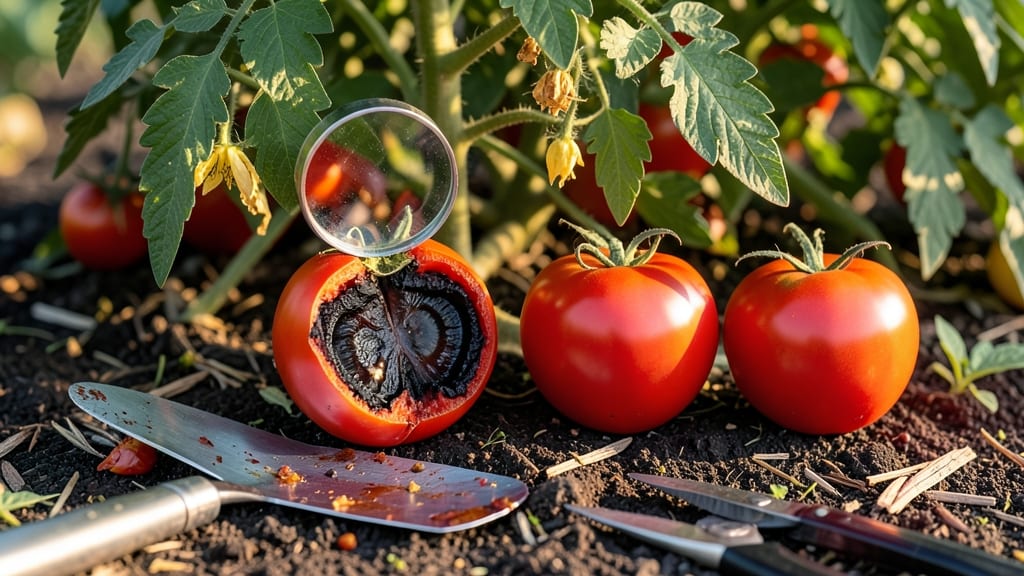
Your tomatoes look perfect on the outside but hide the black inside—this frustrating problem has a name, and it’s fixable. 🌱 The culprit is usually blossom end rot, calcium deficiency, or fungal pressure, but knowing the difference means you can save future harvests before they even ripen.
The good news? Most cases are reversible with simple adjustments. Start by checking the soil pH (should be 6.0-6.8) and watering consistently—never letting the soil dry out completely. A side dressing of crushed eggshells or calcium-rich fertilizer can work wonders in just 7-10 days for blossom-end rot.
What you’ll end up with are tomatoes that stay firm, juicy, and free of dark spots inside. The key is acting fast—once the rot spreads beyond the center, the fruit is often beyond saving, but prevention keeps your plants productive for seasons to come.
This works for both garden beds and containers, and the same principles apply whether you’re growing heirlooms or hybrids. Let’s get those tomatoes back to their best!
Root Causes Of Darkened Tomato Flesh
If you’ve ever sliced into a tomato expecting vibrant red flesh and found a dark, almost black center instead, you’re not alone. This discoloration isn’t just unsightly—it’s a sign that something went wrong during growth, storage, or handling.
Let’s break down the key culprits behind this frustrating phenomenon, backed by science and practical insights.
When tomatoes sit on the vine (or your counter) too long, their natural sugars and acids undergo a chemical transformation. The enzyme polyphenol oxidase (PPO) activates, reacting with phenolic compounds in the fruit.
This process, called enzymatic browning, creates dark pigments—especially in the core where moisture and oxygen levels are higher.
💡 Pro Tip: Harvest tomatoes when they’re fully colored but still firm. A gentle squeeze should yield slightly, but the skin shouldn’t dent easily. If you’re buying store-bought, opt for firm, deep-colored tomatoes—avoid those with soft spots or wrinkled skin.
📊 Science Spotlight:
Stage
What’s Happening Inside
Signs to Watch For
Perfect Ripeness
Balanced sugar/acid ratio; PPO inactive
Firm, vibrant color, slight give when squeezed
Overripe
PPO + oxygen → melanin-like compounds
Soft flesh, wrinkled skin, dark centers
Rot Setting In
Microbes (fungi/bacteria) release enzymes that accelerate browning
Mushy texture, foul odor, mold
Tomatoes are climacteric fruits, meaning they ripen even after picking—but they’re also highly sensitive to ethylene gas (a natural ripening hormone) and oxygen exposure. Storing them improperly accelerates the browning process:
- Refrigeration Too Soon: Cold temperatures (<45°F/7°C) slow ripening but also damage cell walls, releasing enzymes that trigger browning. The core, being denser, darkens first.
- Ethylene Buildup: Storing tomatoes near apples, bananas, or avocados (which release ethylene) speeds up ripening—and thus browning. The core absorbs more ethylene, making it the first to turn.
- Excess Moisture: High humidity (like in plastic bags) creates the perfect environment for botrytis cinerea (gray mold), which produces dark, sunken lesions in the center.
🌡️ Storage Hack: Keep tomatoes at room temperature (55–75°F/13–24°C) in a paper bag or open container to allow airflow. If you must refrigerate, do so only after they’re fully ripe and use them within 3–4 days.
Even minor injuries—like drops, bumps, or rough handling—can trigger a cascade of reactions in tomato cells. When the flesh is damaged:
- Cell walls rupture, releasing phenolic compounds.
- PPO enzymes (normally inactive) become activated by oxygen.
- Melanin-like pigments form, starting in the core where damage is often concentrated.
🔥 Why the Core? The center of a tomato is denser and more vascular than the outer flesh. When bruised, it retains more moisture and oxygen, creating the ideal conditions for rapid browning. Even a small nick from a knife or a drop from the counter can set this off.
👨🍳 Handling Tip: When cutting tomatoes, use a sharp knife and make a single, clean slice. Avoid twisting or sawing motions, which crush cells. For whole tomatoes, place them cut-side down on a plate to minimize air exposure.
Fungal and bacterial infections often start invisibly but reveal themselves as dark, watery, or moldy spots—especially in the core. Common culprits include:
- Alternaria Stem Canker: Causes dark, sunken lesions with concentric rings. Thrives in warm, humid conditions and often infects through stem wounds.
- Fusarium Wilt: A soil-borne fungus that clogs the tomato’s vascular system, leading to blackened, discolored centers and wilting leaves. Common in overwatered or stressed plants.
- Bacterial Soft Rot (Erwinia): Produces a dark, foul-smelling mush in the core, often accompanied by a creamy bacterial ooze.
✨ Prevention Tip: Rotate crops annually to prevent soil-borne diseases. Use sterilized pruners when harvesting, and avoid overhead watering (which spreads spores). If you spot dark spots, discard the tomato immediately—these pathogens can spread quickly.
Understanding these causes is the first step to preventing (or fixing) blackened tomato centers. Next, we’ll dive into science-backed fixes to revive your tomatoes—even if they’re already showing signs of discoloration.
Fixing Darkened Tomato Centers
If you’ve ever sliced into a tomato only to find a blackened core, don’t toss it just yet! With the right fixes, you can salvage your fruit—and even prevent future discoloration. Below are practical, science-backed solutions tailored to the most common causes of blackened tomato centers.
Cause: Tomatoes left too long on the vine or harvested too early develop uneven ripening, leading to blackened centers.
Fix:
- 🍅 For Overripe Tomatoes: Place them in a paper bag with a banana or apple (ethylene gas speeds up ripening). Check daily—once the black center softens, use them in sauces, soups, or blended dishes where texture isn’t critical.
- 🌱 For Underripe Tomatoes: Move them to a sunny windowsill or countertop. A fully ripe tomato will turn red (or its natural color) and firm up before the center darkens.
Prevention Tip: ✨ Harvest at peak ripeness—pick tomatoes when they’re slightly soft to the touch but still firm. Avoid leaving them on the plant past their prime.
Cause: Overwatering or poor drainage causes internal rot, turning the core black and mushy.
Fix:
- 🚰 Drain Excess Moisture: Pat the tomato dry with a paper towel, then place it in a single layer on a wire rack or paper towels. Let it air-dry for 12–24 hours in a cool, dry spot.
- 🧂 Saltwater Soak (For Mild Cases): Fill a bowl with 1 cup warm water + 1 tsp salt. Submerge the tomato for 5 minutes, then rinse and dry. This can draw out excess moisture.
Prevention Tip: 💡 Use well-draining soil (mix in perlite or sand) and water only when the top inch of soil is dry. Mulch around plants to retain even moisture without soggy roots.
Cause: Tomatoes exposed to extreme heat (like direct sunlight or hot transport) develop blackened centers due to oxidative stress.
Fix:
- ❄️ Rapid Cooling: Submerge the tomato in ice water for 10 minutes, then pat dry. This slows enzyme activity that causes browning.
- 🥗 Use Immediately: If the blackening is minimal, chop and use the tomato right away in salads, salsas, or gazpacho where the texture blends in.
Prevention Tip: 🌡️ Store tomatoes at room temperature (not in the fridge until fully ripe). If transporting, keep them in a shaded, ventilated container.
Cause: Bruises, cuts, or rough handling can trigger enzymatic browning in the core.
Fix:
- 🔪 Core Removal: Slice off the blackened center (about ½ inch deep) with a sterilized knife. Save the outer flesh for:
- 🍅 Sauces (blend with garlic, olive oil, and basil)
- 🥗 Smoothies (mix with cucumber, mint, and lime)
- 🍕 Pizza Topping (diced and sautéed with onions)
- 🧂 Acidic Rinse (For Browning): Soak slices in lemon juice or vinegar water (1:3 ratio) for 5 minutes to slow further darkening.
Prevention Tip: 💪 Handle tomatoes gently—avoid stacking them or storing near heavy fruits (like apples) that can bruise them.
Cause: Black mold or bacterial soft rot (common in humid climates) turns the core slimy and black.
Fix:
- 🧼 Disinfect the Surface: Wash the tomato with 1 tsp baking soda + 1 cup water, then rinse and dry.
- 🍄 Use Only the Outer Edges: If the blackening is localized, peel away the affected area and cook immediately (heat kills some pathogens).
- 🚫 Discard If Slimy: If the tomato feels mushy or smells foul, compost it—don’t risk foodborne illness.
Prevention Tip: 🎯 Rotate crops to prevent soil-borne diseases and space plants for airflow. Harvest in the morning when humidity is lower.
If all else fails, repurpose the tomato before it spoils:
- 🍲 Blend into soups (the color blends in!)
- 🧂 Make tomato powder (dehydrate, then grind for seasoning)
- 🍷 Ferment into hot sauce (the acidity preserves it)
Remember: A blackened center doesn’t always mean the tomato is unsafe—it’s often just overripe or damaged. With these fixes, you’ll waste less and enjoy fresher flavors! 🍅✨
Frequently asked questions
Is a black center in tomatoes always a sign of spoilage?
Not necessarily! A dark center can result from overripeness or bruising, not just rot. If the tomato is firm with no foul smell, it’s often safe to use—just remove the blackened portion. When in doubt, cook it immediately (like in sauces) to minimize risk.
Can I prevent black centers in store-bought tomatoes?
Yes! Choose firm, deep-colored tomatoes and store them at room temperature (never refrigerated until fully ripe). Avoid stacking them or storing near ethylene-producing fruits (like apples). A paper bag with a few leaves helps maintain freshness longer.
Why does my garden tomato develop black spots only in the core?
This usually signals blossom end rot or fungal pressure. Check soil moisture (keep it consistently damp) and add crushed eggshells for calcium. If spots spread beyond the core, the tomato is likely too far gone—but healthy plants will produce better fruit next season.
Is it safe to eat tomatoes with black centers if they smell fine?
Generally yes, but with caution. If the blackening is limited to the core and the tomato is firm with no off smells, it’s likely just overripe. For peace of mind, use it in cooked dishes where the texture won’t matter. When in doubt, compost it to avoid potential pathogens.