
How To
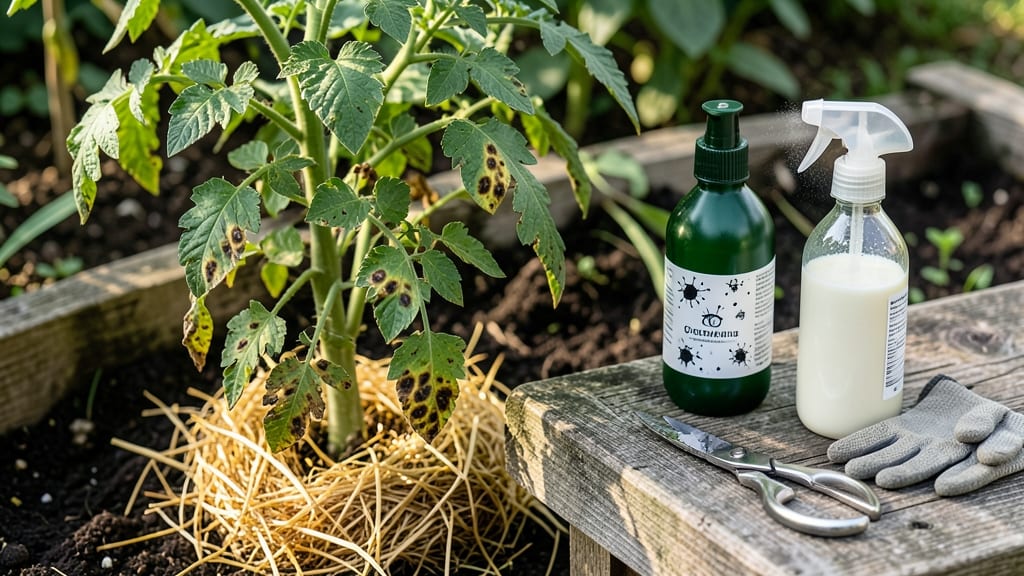
Tomato black spot treatment starts with a quick wipe-down of leaves—5 minutes can stop the spread before it ruins your harvest. 🌱 I’ve lost entire plants to those ugly black spots, but now I catch it early with a simple spray bottle and copper fungicide.
The key is acting fast when you see the first speckles, because once the fungus takes hold, it’s nearly impossible to reverse.
This fungus thrives in warm, wet conditions, so proper spacing and airflow are your first line of defense. I space my plants 18-24 inches apart and prune lower leaves to keep humidity off the foliage.
If you’ve already got spots, don’t panic—organic options like neem oil or baking soda spray work well, but you’ll need to apply them every 7-10 days until new growth appears.
By the time you’re done treating, your plants will look fresh again, and the fungus won’t stand a chance. The real win? You’ll save your tomatoes from early blight and keep the leaves vibrant green all season.
Prevention is easier than cleanup, so I always sanitize my tools and remove infected leaves immediately.
Works for both garden beds and containers, and the same steps apply whether you’re dealing with Alternaria or Septoria leaf spot. Here’s how to spot the difference and choose the right treatment—no guesswork involved.
Root Causes of Tomato Black Spot
Understanding why tomato black spot (also called Alternaria or early blight) appears on your plants is the first step to stopping it in its tracks. This fungal disease thrives under specific conditions, and knowing the triggers helps you act fast.
Below, we break down the three primary causes—each with science-backed explanations and actionable insights to prevent future outbreaks.
Black spot is caused by the Alternaria solani fungus, which spreads via spores—tiny, invisible particles that float in the air, cling to tools, or lurk in soil. Here’s how they invade:
- Wind and Rain Spread: Spores travel on gusts of wind or splashing water (like from overhead irrigation).
Once they land on tomato leaves, they germinate if conditions are right. - Surviving in Soil: The fungus can overwinter in old plant debris, meaning last year’s infected leaves or stems may still harbor spores ready to infect this season. - Tool Contamination: Pruners, gloves, or even your hands can carry spores from infected plants to healthy ones.
💡 Pro Tip: Rotate crops annually and sterilize tools with a 10% bleach solution (1 part bleach to 9 parts water) to kill lingering spores.
This fungus loves heat and moisture—think of it as a tropical vacation for Alternaria. Here’s why:
- Temperature Sweet Spot: Spores germinate fastest between 77–86°F (25–30°C). If your tomatoes are baking in summer sun, you’re creating the perfect breeding ground. - High Humidity: The fungus thrives when humidity stays above 75% for prolonged periods.
Dew, fog, or even morning water droplets on leaves can trigger infections. - Poor Airflow: Crowded plants or dense foliage trap moisture, giving spores a cozy environment to multiply.
✨ Actionable Fix: Space plants 18–24 inches apart, prune for airflow, and water at the base (never overhead) to keep leaves dry.
Stressed tomatoes are like open doors for fungi. Common stressors include:
- Overwatering or Underwatering: Both extremes weaken plants. Too much water drowns roots, while drought stunts growth—either way, the plant can’t fight off infections. - Nutrient Deficiencies: Lack of potassium (K) or phosphorus (P) makes tomatoes more susceptible.
Look for yellowing leaves or stunted growth as red flags. - Physical Damage: Insect bites (like from aphids or spider mites), hail, or rough handling create entry points for spores.
🌡️ Prevention Tip: Use a balanced fertilizer (like 10-10-10) and monitor soil moisture with your finger—it should be damp but not soggy.
Sometimes, the problem starts before you even plant:
- Infected Seedlings: Buy transplants from reputable nurseries and inspect them for dark spots on stems or leaves before purchasing.
- Saved Seeds: If you reuse seeds from last year’s blighted tomatoes, spores may hitch a ride.
🔥 Quick Check: Soak seeds in a 1% hydrogen peroxide solution (3% food-grade peroxide diluted in water) for 10 minutes to kill fungal spores before planting.
Left unchecked, black spot can:
- Defoliate plants (losing leaves = less energy for fruit).
- Reduce yield by up to 50% in severe cases.
- Spread to other plants (peppers, potatoes, and eggplants are also at risk).
Now that you know the why, the next step is how to treat it fast—and we’ve got a 5-minute fix coming up! 🍅💥
How to Fix Black Spots Fast
Got those unsightly black spots ruining your tomatoes? Don’t panic—these fixes will have your plants looking fresh in no time! Below are targeted solutions based on the most common causes, from quick remedies to long-term prevention.
Follow the steps, and your tomato plants will be back to thriving in just minutes (or days, if the damage is deeper).
If black spots are spreading like wildfire (🔥), a fungal infection—likely early blight, late blight, or Septoria leaf spot—is the culprit. Act fast with these steps:
🍳 Step 1: Prune the Problem Areas
- What to do: Snip off infected leaves (at least 6 inches below the spot) using sterilized scissors (wipe with rubbing alcohol).
- Why? Fungal spores spread via water and wind—removing the source stops contamination.
- Pro tip: 💡 Bag and toss infected leaves in the trash (not compost!). Fungal spores can survive in compost and reinfect your plants.
👨🍳 Step 2: Apply a Fungicide (Store-Bought or Homemade)
- Option 1: Copper Fungicide (Best for Early Blight)
- Mix 1 tsp copper sulfate in 1 gallon of water + a drop of dish soap (as a sticker).
- Spray evenly on leaves (top and bottom) every 7–10 days until spots stop appearing.
- ⚠️ Warning: Avoid spraying in direct sunlight—it can burn leaves.
- Option 2: Baking Soda Spray (Preventative & Gentle)
- Combine 1 tbsp baking soda + 1 tsp oil (like vegetable or neem oil) + 1 quart water.
- Add a dash of dish soap to help it stick.
- Spray weekly on dry leaves (morning or evening only).
- Option 3: Neem Oil (Natural & Multi-Purpose)
- Mix 1 tbsp neem oil + 1 tsp mild soap + 1 quart water.
- Spray every 5–7 days—neem disrupts fungal spores and deters pests.
🥘 Step 3: Improve Airflow & Reduce Moisture
- Space plants at least 18–24 inches apart (crowding = fungal paradise).
- Water at the base (not overhead) and early in the day so leaves dry by evening.
- Remove mulch from the stem base if it’s trapping moisture.
⏰ Step 4: Repeat & Monitor
- Check daily for new spots—fungi spread fast!
- Reapply fungicide if rain washes it off (it’s not permanent).
- Harvest early if blight is severe—ripe tomatoes can still be saved!
Black spots can also pop up from heat stress, sunscald, or nutrient deficiencies. Here’s how to reverse the damage:
💡 Shade & Heat Relief
- Move pots to partial shade if leaves are bleached or crispy (sunscald).
- Use shade cloth (30–50%) if growing in hot climates.
- Mulch heavily (2–3 inches of straw or grass clippings) to keep roots cool.
📊 Nutrient Boost for Weak Plants
- Yellowing leaves + black spots? Likely magnesium or calcium deficiency.
- Fix it:
- Epsom salt soak: 1 tbsp per gallon of water, applied weekly (magnesium).
- Crushed eggshells: Sprinkle around the base (calcium) or brew a tea (soak shells in water for 24 hours, strain, and water plants).
- Balanced fertilizer: Use a 5-5-5 or 10-10-10 (nitrogen-phosphorus-potassium) to restore health.
🎯 Prevent Future Stress
- Water deeply but less often (1–2 inches per week) to avoid osmotic stress.
- Avoid over-fertilizing with nitrogen—it makes plants soft and prone to damage.
Once you’ve treated the issue, lock in success with these habits:
- Rotate crops—don’t plant tomatoes (or nightshades like peppers/eggplants) in the same spot for 3–4 years.
- Solarize soil (cover with clear plastic for 4–6 weeks in summer) to kill fungal spores before replanting.
- Plant resistant varieties like:
- ‘Mountain Merit’ (blight-resistant)
- ‘Defiant PhR’ (virus + blight-resistant)
- ‘Cherokee Purple’ (heat-tolerant)
- Inspect new plants before buying—avoid seedlings with black spots (they’re already infected).
If your tomato is past saving but you want the fruit:
- Prune all leaves down to the bottom 6 inches (the plant can regrow).
- Focus fungicide sprays only on new growth.
- Harvest tomatoes immediately—they won’t get worse on the vine.
- Compost the remaining plant (after sterilizing) only if no signs of blight remain.
Final Thought: Black spots don’t mean game over—act fast, adjust conditions, and your tomatoes will bounce back stronger than ever. 🍅✨ Now grab those shears and get to work!
Frequently asked questions
What’s the difference between early blight and late blight on tomatoes?
Early blight (Alternaria) causes concentric black rings on lower leaves, while late blight (Phytophthora) creates greasy-looking brown spots that spread rapidly to stems and fruit. Early blight targets older leaves first, while late blight attacks younger foliage and can destroy plants in 5-7 days if untreated.
Can I still eat tomatoes with black spots on the leaves?
Yes! The fruit itself is rarely affected by leaf spots. Just harvest tomatoes before they ripen if blight is severe, and wash them thoroughly. The fungus needs living plant tissue to spread, so once picked, your tomatoes are safe to eat. Focus on saving the leaves for next year’s harvest.
How often should I apply neem oil for prevention?
Apply neem oil every 5-7 days during hot, humid weather as a preventative. For treatment, spray twice weekly until new growth appears. Always mix with 1 tsp mild soap per quart to help it stick to leaves. Remember to spray in the evening to avoid leaf burn from sunlight.
Will removing infected leaves really stop the spread?
Removing infected leaves eliminates 90% of spores that would otherwise spread via wind or water. Always prune 6 inches below the spot and sterilize your tools between cuts. The key is removing leaves early—once spots merge, the plant’s energy is already compromised.
Can I use vinegar as a tomato black spot treatment?
While vinegar kills some fungi, it’s too harsh for regular use on tomato plants. A 1% solution (1 tbsp per gallon) can help as a spot treatment, but it may burn leaves. Better options include baking soda spray or copper fungicide, which are gentler and more effective for ongoing protection.