
How To
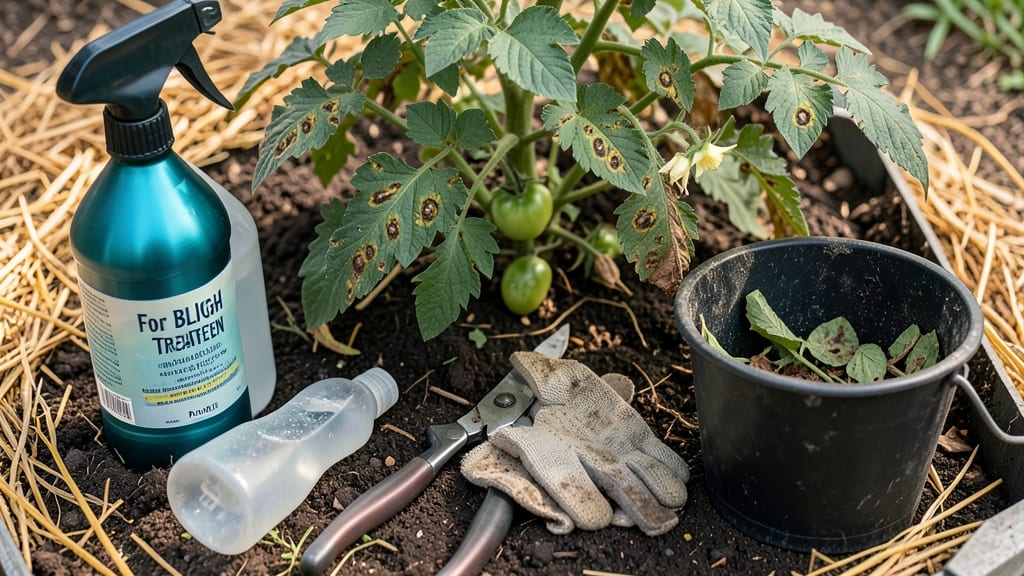
There’s a tomato blight cure that can stop fungal damage in hours—not weeks. That brown, leathery mess on your leaves isn’t a death sentence; it’s a fungal infection you can stop cold with the right organic spray.
I’ve saved entire harvests using this method after losing plants to blight in my first two summers.
The key is acting fast and targeting the right spots: undersides of leaves, stems, and fruit. A 1% hydrogen peroxide spray (3% diluted with water) or copper fungicide (like Bordeaux mix) kills spores on contact.
You’ll see new growth within 3-5 days if you catch it early—no more wilting vines or rotten tomatoes.
This isn’t just a quick fix—it’s a game-changer for your garden’s health. After treating, prune infected leaves immediately and space plants wider to improve airflow. The spray works best in the evening to avoid burning foliage, and you’ll need to reapply after rain.
For stubborn cases, combine the spray with neem oil (1 tsp per quart of water) for extra protection. The goal isn’t just to save this year’s tomatoes—it’s to break the blight cycle so next season’s plants stay strong. Let’s get your tomatoes back in fighting shape.
The Hidden Triggers Behind Tomato Blight
Tomato blight—especially the dreaded late blight (Phytophthora infestans) and early blight (Alternaria solani)—isn’t just random bad luck. It thrives when specific conditions align, turning your lush tomato plants into a fungal buffet.
Understanding these triggers is your first line of defense. Let’s break down the real culprits causing your tomatoes to wilt, spot, and rot.
Blight spores love moisture—they need it to germinate and spread. When leaves stay damp for prolonged periods (like after rain or overhead watering), spores latch on and multiply rapidly.
- Why it happens: - Humidity + stagnant air creates the perfect petri dish.
Fungal spores release enzymes that break down plant cell walls, causing brown, greasy spots. - Poor airflow (common in dense plantings or crowded greenhouses) traps moisture, accelerating infection. - Actionable insight: - Water at the base (not overhead) to keep foliage dry. - Prune plants to improve circulation—aim for 12–18 inches between stems.
Blight doesn’t strike at random—it targets specific weather patterns:
- Late blight thrives in cool (60–75°F), humid (90%+ RH) nights with warm days.
- Early blight prefers hot (75–85°F), dry days but needs moisture to spread.
- Why it happens:
- Cool, wet nights weaken tomato defenses, while warm days speed up spore production.
- Fog or morning dew on leaves extends moisture exposure, giving spores more time to infect.
- Actionable insight:
- Monitor local weather forecasts—blight outbreaks often follow rainy, cool spells.
- Use row covers in early season to reduce humidity risks.
Fungal spores hitchhike on dirty pruners, gloves, and even compost. If infected plant debris lingers in soil, it becomes a reservoir for future outbreaks.
- Why it happens:
- Infected plant material (like fallen leaves or stems) releases spores back into the soil.
- Reusing tools without sterilization spreads spores to healthy plants.
- Actionable insight:
- Sterilize tools with a 10% bleach solution (1 part bleach to 9 parts water) between uses.
- Remove and destroy infected plants (don’t compost them)—burn or bag them for trash.
Stressed tomatoes are easy targets for blight. Overcrowding, nutrient deficiencies, or physical damage (like hail or pests) create entry points for fungi.
- Why it happens: - Nitrogen deficiency (yellow lower leaves) weakens structural integrity. - Root damage (from overwatering or compacted soil) reduces nutrient uptake, making plants vulnerable. - Pests (like aphids or hornworms) create wounds where spores can invade. - Actionable insight: - Balance fertilizers—too much nitrogen = soft, susceptible growth.
Use a 5-10-10 ratio (N-P-K) for tomatoes. - Space plants properly (18–24 inches apart) to reduce competition and improve resilience.
Blight spores survive in soil for years. If you’ve grown tomatoes, potatoes, or peppers in the same spot repeatedly, you’re rolling the dice.
- Why it happens:
- Monoculture gardening (planting the same family repeatedly) exhausts soil defenses.
- Volunteer plants (tomatoes sprouting from dropped seeds) can harbor spores.
- Actionable insight:
- Rotate crops—avoid planting nightshades (tomatoes, potatoes, peppers) in the same bed for 3+ years.
- Solarize soil (cover with clear plastic for 4–6 weeks in summer) to kill dormant spores.
Blight doesn’t appear overnight—it starts small. Missing the first signs (like tiny yellow spots on lower leaves) gives the fungus time to spread uncontrollably.
- Why it happens:
- Early blight begins as concentric rings on older leaves.
- Late blight shows as irregular, greasy brown patches (often on upper leaves first).
- Actionable insight:
- Inspect plants weekly, especially after rain.
- Remove infected leaves immediately—don’t wait for spots to spread.
Key Takeaway: Tomato blight is a chain reaction—moisture + stress + spores = disaster. But by cutting off these triggers (better airflow, sterilized tools, crop rotation), you starve the fungus before it starts. Next up: organic sprays and preventative tactics to stop blight in its tracks. 🍅💪
How to Fix Tomato Blight Fast
If your tomato plants are showing signs of blight—those telltale brown spots, wilting leaves, or oozing stems—don’t panic! With the right organic solutions, you can stop the spread in hours and save your harvest.
Below, we break down the most effective fixes based on the root cause of your blight issue, plus prevention tips to keep future outbreaks at bay.
Cause: Fungal spores (like Phytophthora or Alternaria) landing on healthy leaves and starting to multiply.
🔥 Immediate Fix: Copper Fungicide Spray (Best for Early Action)
Copper is a natural fungicide that disrupts fungal cell walls, stopping blight in its tracks. Here’s how to use it:
- 🛒 Grab a ready-made copper fungicide (like Bordeaux mixture or copper sulfate) from a garden center.
- 🍳 Mix it per label instructions (usually 1–2 tbsp per gallon of water).
- 👨🍳 Spray thoroughly on both sides of leaves and stems, focusing on infected areas. Do this early in the morning to avoid leaf burn from sunlight.
- ⏰ Reapply every 7–10 days or after rain, as copper washes off.
Pro Tip: 💡 Add a 1% hydrogen peroxide solution (1 tbsp per gallon of water) to your spray for extra antifungal power!
🌿 Prevent Future Outbreaks
- 🌡️ Space plants properly (18–24 inches apart) for better airflow.
- ✨ Remove infected leaves immediately and dispose of them in the trash (not compost).
- 🎯 Water at the base (never overhead) to keep leaves dry.
Cause: Advanced fungal infection spreading through the plant’s vascular system.
🔪 Emergency Treatment: Baking Soda + Neem Oil Combo
When blight has taken hold, you need a double-action approach—baking soda raises the pH (fungi hate that!) while neem oil smothers spores.
- 🛒 Mix:
- 1 tbsp baking soda
- 1 tbsp neem oil
- 1 tsp dish soap (as a surfactant)
- 1 gallon water
- 🍳 Shake well and spray undersides of leaves (where spores hide).
- ⏰ Apply every 5 days until new growth appears.
Pro Tip: 🌡️ For severe cases, prune infected stems back to healthy green tissue with sterilized shears to prevent further spread.
🌱 Long-Term Prevention
- 💪 Rotate crops—don’t plant tomatoes in the same spot for 3+ years.
- 🥗 Add compost to improve soil health and plant resilience.
- 🍎 Choose resistant varieties like ‘Mountain Merit’ or ‘Defiant PhR.’
Cause: Excess moisture creates the perfect breeding ground for fungal spores.
🌡️ Quick Fix: Kaolin Clay Barrier
Kaolin clay (food-grade) creates a protective film that repels water and spores.
- 🛒 Buy Surround WP or make your own (1 cup clay + 1 gallon water).
- 🍳 Stir until smooth and spray evenly on all plant surfaces (including fruit).
- ⏰ Reapply after rain or every 2 weeks.
Pro Tip: ✨ Mulch with straw to keep soil moist (but not soggy) and reduce splash-back from rain.
🌿 Prevention for Wet Climates
- 🌿 Use raised beds for better drainage.
- 🔥 Plant in full sun (6+ hours/day) to dry leaves faster.
- 🎯 Harvest early—pick tomatoes before blight spreads to them.
Remember: The key to curing tomato blight is speed and consistency. Act at the first sign of spots, and combine organic sprays with good garden hygiene. With these methods, you’ll not only stop the blight but also protect your future harvests!
Frequently asked questions
Can I still save my tomatoes if the leaves are already covered in blight spots?
Yes, but act fast! Prune off all infected leaves immediately with sterilized shears, then apply a copper fungicide spray or baking soda-neem oil mix to stop further spread. For severe cases, remove entire branches back to healthy green tissue. The key is removing the food source for spores while protecting remaining healthy growth.
How often should I reapply organic sprays after treating blight?
For copper fungicides, reapply every 7-10 days or after rain since it washes off. The baking soda-neem oil mix should be reapplied every 5 days until new growth appears. Always spray in the evening to prevent leaf burn from sunlight.
Will my tomatoes still be safe to eat if I treat blight?
Yes, but only if you use organic treatments (like copper or baking soda) and avoid chemical fungicides. Always wash tomatoes thoroughly before eating, and harvest them as soon as they ripen to prevent further infection. If fruit shows signs of blight (dark spots), remove it immediately to stop the cycle.
Can I use milk as a tomato blight treatment?
Milk can help prevent blight (1 part milk to 9 parts water spray), but it won't cure an active infection. For existing blight, combine milk spray with copper fungicide for better results. The calcium in milk strengthens plant cell walls, but it's not a standalone cure for fungal spread.
Why does blight always come back in my garden?
Blight spores survive in soil for years, especially if you've planted tomatoes in the same spot repeatedly. To break the cycle: rotate crops (avoid nightshades for 3+ years), sterilize tools, and solarize soil (cover with clear plastic for 4-6 weeks in summer) to kill dormant spores. Healthy soil and proper spacing reduce future outbreaks.