
How To
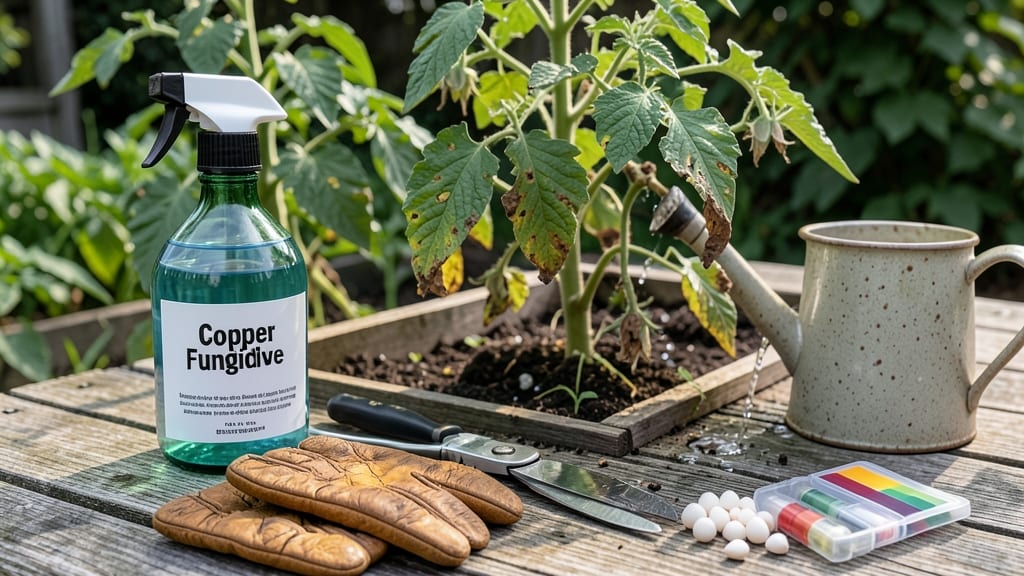
When your tomatoes develop brown spots that spread like wildfire, this tomato rot treatment has already won round one—but you can still fight back. 🌱 The key is acting fast with copper-based sprays, proper spacing, and removing infected leaves before the fungus takes over.
I’ve saved entire plants using this exact method after seeing entire rows collapse in previous years.
Most gardeners make two mistakes: waiting too long to treat and ignoring the soil. Fungal spores thrive in damp, crowded conditions, so prune plants to improve airflow and apply a 2-inch layer of mulch to keep soil dry.
Copper fungicide (like Bonide Copper Fungicide) stops the spread when sprayed every 7-10 days during wet weather.
Within two weeks, you’ll see new growth pushing through, and the brown patches will slow their creep. The plants won’t look perfect, but they’ll rebound with proper care—and next season, you’ll catch it early.
Prevention is easier than rescue, but this method works even when blight has already set in.
For late blight (the aggressive, fast-spreading cousin), add baking soda spray (1 tsp baking soda + 1 quart water + a drop of dish soap) to your copper treatments. Both diseases hate dry conditions, so water at soil level in the morning to keep foliage dry all day.
Root Causes Of Tomato Rot
Tomato rot—whether it’s the dreaded blight, bacterial soft rot, or early blight—can turn your lush green plants into a sad, mushy mess faster than you can say "harvest season."
But why does this happen? Understanding the science behind tomato rot helps you prevent it before it starts. Below, we break down the real culprits behind your tomatoes’ tragic downfall.
Tomatoes are thirsty plants, but too much water is a fast track to rot. When soil stays soggy for too long, it creates the perfect breeding ground for fungal spores and bacteria. Here’s how it works:
- Fungal infections (like early blight): Excess moisture weakens plant cell walls, making them vulnerable to Alternaria solani, the fungus behind early blight. Spores land on leaves, create dark spots, and eventually spread to fruit.
- Bacterial soft rot: Bacteria like Erwinia carotovora thrive in waterlogged soil. They enter through wounds (like cracked stems or insect bites) and turn firm tomatoes into a slimy, stinking pulp.
- Root rot: If drainage is terrible, roots suffocate and die, starving the plant. Without healthy roots, tomatoes can’t absorb nutrients or fight off infections.
💡 Pro Tip: Test your soil’s drainage by digging a hole, filling it with water, and timing how long it takes to drain. If it’s still wet after 6 hours, amend with perlite or coarse sand.
Fungal diseases like late blight (the infamous Phytophthora infestans) don’t just appear out of nowhere—they hitchhike on wind, water, and even your gardening tools. Here’s the science:
- Spores love humidity: Late blight spores germinate in temperatures between 50–77°F (10–25°C) and high humidity (above 90%). If your garden stays damp overnight, spores land on leaves, pierce the cuticle, and feast on your plant’s tissues.
- Crowded plants = more spores: Poor airflow lets spores linger. In dense tomato patches, infected leaves stay wet longer, spreading disease faster.
- Old debris = new infections: Last year’s rotted tomato stems or leaves can still harbor spores. When you plant new tomatoes in the same spot, the cycle repeats.
🌡️ Key Stat: Late blight can spread 1–2 miles per day in ideal conditions. Once it hits, it’s nearly impossible to stop without intervention.
Tomatoes aren’t just vulnerable to microbes—they’re also sitting ducks for pests that create entry points for rot. Here’s how insects and injuries set the stage:
- Cracked stems or fruit: Heavy rain, hail, or even overwatering can split tomato skins. These wounds let bacteria and fungi slip inside, causing soft rot.
- Insect bites: Aphids, hornworms, and even slugs chew on leaves and stems, creating openings for pathogens. For example, Fusarium wilt enters through root damage caused by grubs.
- Harvest wounds: Rough handling during picking can bruise tomatoes, making them susceptible to post-harvest rot (often caused by Botrytis cinerea, the gray mold fungus).
🛡️ Prevention Hack: Use row covers to block pests early or apply neem oil as a natural repellent. For harvested tomatoes, store them stem-side up in a cool, dry place.
Some tomato diseases lurk in the soil, waiting for the right moment to strike. These persistent pathogens can survive for years without a host:
- Verticillium & Fusarium wilt: These soil-borne fungi clog tomato xylem (water-transporting vessels), causing yellowing leaves and wilting. They thrive in poorly drained, warm soil and can survive on weeds or old plant debris.
- Nematodes: Microscopic worms burrow into roots, weakening them and making plants more susceptible to other diseases. They’re especially problematic in sandy or compacted soil.
- Legacy infections: If you planted tomatoes (or other nightshades like peppers or eggplants) in the same spot last year, soil-borne diseases may still be lurking.
🔥 Soil Test Tip: A simple home soil test kit ($10–$20) can reveal pH and nutrient levels. Aim for a pH of 6.0–6.8—too acidic or alkaline soil stresses plants, making them rot-prone.
Now that you know why tomato rot strikes, the next step is how to stop it. Stay tuned for our 3-step rescue guide to save your blighted plants—and keep future harvests healthy!
Fixing Fungal Blight in 3 Steps
Now that you know the root causes of tomato rot—whether it’s early blight, late blight, or bacterial soft rot—let’s tackle the problem head-on. The good news? Most fungal issues are reversible with the right approach.
Below, we’ve mapped out practical solutions for each type of rot, along with prevention tips to keep your tomato plants thriving.
Problem: Fungal spores spread like wildfire—leaving infected plants or fruit in the garden only worsens the outbreak.
How to Fix It:
- 🔪 Snip and Toss: Cut off all infected leaves, stems, or fruit (don’t compost them!). Place them in a sealed plastic bag and discard in the trash—not the compost pile.
- 🌡️ Sterilize Tools: After pruning, wipe your pruners with rubbing alcohol (70% or higher) or a 10% bleach solution to prevent cross-contamination.
- 🚫 Quarantine Healthy Plants: If only parts of a plant are infected, isolate it from others to slow spread.
💡 Pro Tip: If the entire plant is beyond saving, pull it up by the roots and dispose of it properly. Fungal spores can linger in soil, so avoid replanting tomatoes or related plants (like peppers or eggplants) in the same spot for at least 2 years.
Problem: Fungi thrive in moist conditions, and once established, they’re tough to eradicate without intervention.
How to Fix It:
| Rot Type | Best Treatment | How to Apply | Frequency |
|---|---|---|---|
| Early Blight | Copper fungicide (e.g., Bordeaux mix) | Spray under leaves and stems | Every 7–10 days until harvest |
| Neem oil (organic) | Mix 1 tbsp neem oil + 1 tsp mild soap per gallon of water; spray at dusk | Every 5–7 days | |
| Late Blight | Chlorothalonil (e.g., Daconil) | Apply evenly, covering all foliage | Every 5–7 days (start at first sign) |
| Bacterial Soft Rot | Copper-based bactericide (e.g., Copper Soap) | Spray directly on lesions and surrounding area | Every 7 days until symptoms disappear |
| General Prevention | Baking soda spray (for early blight) | Mix 1 tbsp baking soda + 1 tsp soap + 1 gallon water | Every 7–10 days |
💡 Pro Tip:
- Rotate fungicides if the problem persists—fungi can build resistance.
- Water in the morning to let foliage dry quickly, reducing humidity (fungi love dampness!).
- Avoid overhead watering—use drip irrigation instead to keep leaves dry.
Problem: Weak plants are more susceptible to rot. Strengthening your tomatoes now prevents repeat infections.
How to Fix It:
- 🌿 Improve Air Circulation:
- Prune plants to remove crowded branches (aim for open, airy growth).
- Space plants 18–24 inches apart to reduce humidity near foliage.
- 💧 Adjust Watering Habits:
- Water at the base (not the leaves) and avoid wet soil—fungi thrive in soggy conditions.
- Use mulch (straw or grass clippings) to keep soil moist but not waterlogged.
- 🌱 Feed with Fungus-Fighting Nutrients:
- Compost tea or kelp meal boosts plant immunity.
- Avoid high-nitrogen fertilizers (they promote leafy growth, making plants more vulnerable).
- 🔄 Crop Rotation:
- Never plant tomatoes, peppers, or potatoes in the same spot two years in a row.
- Rotate with non-nightshade plants (like beans, lettuce, or carrots) to break the fungus cycle.
✨ Bonus Prevention Hack:
- Plant resistant varieties next season! Look for tomatoes labeled "resistant to early/late blight" (e.g., ‘Mountain Merit,’ ‘Defiant PhR,’ or ‘Jetstar’).
If your plants are already 50%+ infected, act fast:
- 🛡️ Spray with a strong fungicide (like chlorothalonil) immediately.
- 🌡️ Increase airflow by pruning aggressively and removing lower leaves (they touch the soil and trap moisture).
- 🌞 Move plants to full sun—strong light inhibits fungal growth.
- 🍅 Harvest ripe tomatoes ASAP—even if blighted, they’re safe to eat (just avoid the rotten parts).
Final Thought: Fungal blight is a pain, but with quick action and smart prevention, you can save your crop—and future harvests. Start with removal, fungicides, and better airflow, and your tomatoes will bounce back stronger than ever! 🍅💪
Frequently asked questions about tomato rot treatment
What’s the fastest way to stop tomato rot from spreading?
Remove all infected leaves and fruit immediately—don’t compost them! Use a copper fungicide (like Bonide) or baking soda spray (1 tbsp baking soda + 1 tsp soap per gallon of water) every 7 days while pruning for airflow. Sterilize tools between plants to prevent cross-contamination.
Can I still eat tomatoes with blight spots?
Yes, but only the healthy parts! Cut off all rotten sections—2 inches below visible damage—since fungi/bacteria can lurk beneath the surface. Cook or can blighted tomatoes (heat kills pathogens), but avoid eating fruit with soft, mushy spots (bacterial rot risk).
How do I know if my tomato rot is fungal or bacterial?
Fungal rot (early/late blight) shows as brown, crispy spots with concentric rings. Bacterial rot appears soft, watery, and foul-smelling, often starting at wounds. Fungal issues respond to copper sprays; bacterial rot needs copper bactericides (like Copper Soap).
Will mulch help prevent tomato rot?
Organic mulch (straw or grass clippings) keeps soil moist but not soggy, reducing fungal spores. Just keep mulch 2 inches away from stems to prevent moisture buildup. For extra protection, use black plastic mulch in hot climates to deter soil-borne diseases.
Can I reuse last year’s tomato cages if my plants had rot?
No—sterilize cages with a 10% bleach solution or rubbing alcohol before reuse. Fungal spores can cling to metal/wire, reinfecting new plants. Better yet, replace them or use sterilized wooden stakes next season.