
How To
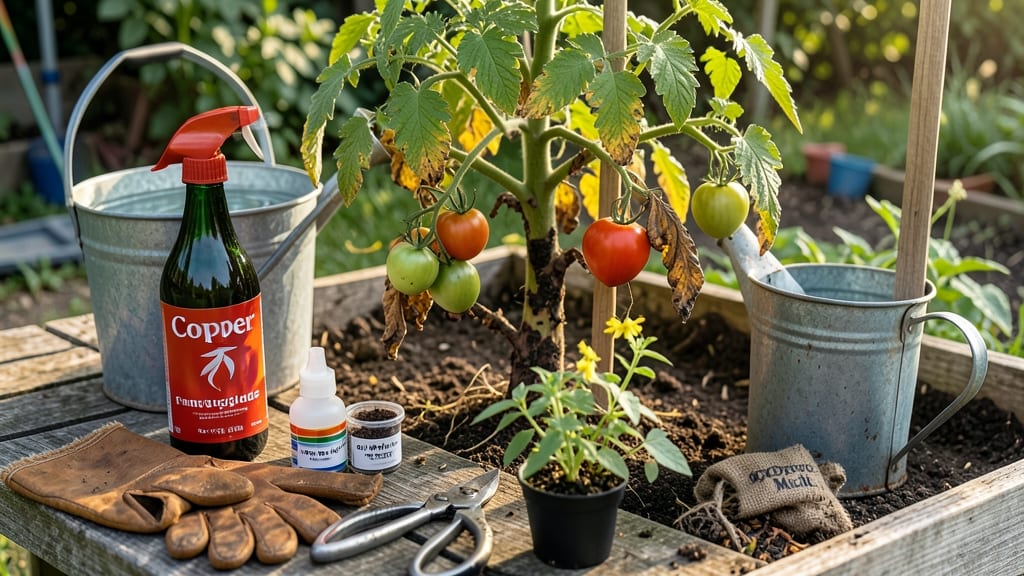
Your tomato plants are dropping fruit before it ripens—a tomato bottom rot remedy is the silent thief of summer harvests. 🌱 I’ve lost entire baskets of heirlooms to this stubborn fungal disease, but these three steps saved my next crop (and can save yours too).
The culprit? Too much water at the wrong time, combined with poor airflow around the plant. You’ll spot it as dark, mushy patches at the blossom end of tomatoes—sometimes within days of a heavy rain. The good news?
Catching it early means you can still salvage your plants with simple fixes. Start by pruning off affected fruit immediately (yes, even if it’s green). Then improve drainage by adding compost or sand to heavy soil, and water at the base—not overhead—so leaves stay dry.
For stubborn cases, a copper fungicide spray gives your plants a fighting chance. The real win? Preventing it next season. Space plants for airflow, mulch to regulate soil moisture, and choose resistant varieties like ‘Mountain Merit’ or ‘Celebrity.’ Your future tomatoes will thank you.
The Hidden Triggers Behind Rot
Tomato bottom rot—also called blossom-end rot—is one of the most frustrating issues for gardeners. 🌱💔 While it looks like a simple cosmetic problem, the science behind it is more complex. Understanding the root causes (literally!) is the first step to preventing it. Let’s break down the real culprits:
Tomatoes are calcium-hungry plants, and their fruit needs a steady supply of this mineral to develop properly. When calcium levels drop—especially in the apical meristem (the growing tip of the fruit)—the cell walls weaken. This leads to collapsed tissue at the blossom end, where the fruit first forms.
Here’s why it happens:
- Uneven calcium uptake: Even if your soil has enough calcium, rapid fruit growth (like after a sudden heatwave 🌡️) can outpace the plant’s ability to absorb it.
- Competition with other nutrients: Too much nitrogen or potassium can block calcium absorption, leaving your tomatoes starving.
- pH imbalances: Soil that’s too acidic (below pH 6.0) or too alkaline (above pH 7.0) locks calcium out of reach.
💡 Pro Tip: Test your soil’s pH and nutrient levels before planting—aim for 6.0–6.8 and balanced NPK ratios (e.g., 5-10-10). If calcium is low, amend with gypsum (calcium sulfate) or crushed eggshells.
Tomatoes are sensitive to moisture fluctuations, and inconsistent watering is a top cause of bottom rot. Here’s how water stress triggers the problem:
| Issue | Why It Causes Rot |
|---|---|
| Drought stress | When roots can’t deliver enough water, calcium moves away from the fruit to protect leaves—leaving the blossom end vulnerable. |
| Flooding or heavy rain 🌧️ | Oxygen-starved roots can’t absorb nutrients, including calcium, even if it’s in the soil. |
| Inconsistent watering | Alternating between dry soil and sudden soaking creates pressure imbalances in the fruit, weakening cell walls. |
💡 Pro Tip: Use drip irrigation or soaker hoses to deliver water slowly and evenly. Keep soil consistently moist (like a damp sponge) but never waterlogged.
Extreme temperatures and sudden changes throw a tomato plant’s metabolism into chaos. Here’s how:
- Heat stress (above 85°F/29°C): High temps speed up fruit growth but slow calcium uptake, creating a deficit. 🌡️🔥
- Cold snaps (below 50°F/10°C): Chilled roots can’t absorb nutrients efficiently, even if the soil is rich.
- Transplant shock: Moving young plants (especially in hot weather) disrupts their root systems, delaying calcium delivery to new fruit.
💡 Pro Tip: Use mulch (straw or grass clippings) to regulate soil temperature. For container-grown tomatoes, move pots to shadier spots during heatwaves.
Compacted or nutrient-poor soil strangles tomato roots, limiting their ability to access calcium and water. Key offenders:
- Clay soil: Heavy, slow-draining clay restricts root growth and oxygen flow, starving the plant.
- Sandy soil: Nutrients wash away too quickly, leaving roots malnourished.
- Lack of organic matter: Without compost or aged manure, soil holds nutrients loosely, making them hard for roots to access.
💡 Pro Tip: Amend soil with compost or well-rotted manure before planting. For clay soil, mix in perlite or vermiculite to improve drainage.
Too much fertilizer—especially high-nitrogen or high-potassium blends—can burn roots and disrupt calcium uptake. Here’s how:
- Nitrogen overload: Pushes leafy growth at the expense of fruit development, stealing calcium from tomatoes.
- Potassium excess: Competes with calcium for absorption, creating a nutrient lockout.
- Salt buildup: From synthetic fertilizers, damages root cells, reducing their ability to take up minerals.
💡 Pro Tip: Use a balanced fertilizer (like 10-10-10) and dilute it to half-strength. For organic growers, try fish emulsion or kelp meal for gentle nutrition.
Fixing Bottom Rot in Tomatoes
Now that you know the root causes of tomato bottom rot—whether it’s overwatering, poor drainage, fungal infections, or environmental stress—it’s time to turn things around. The good news? Most cases can be saved with quick action and a few smart adjustments.
Below are targeted solutions based on the most common culprits, plus prevention tips to keep your plants thriving.
Fix: Adjust your watering habits and improve soil aeration.
- 👨🍳 Reduce Watering Frequency
- Water deeply but less often—aim for 1–1.5 inches per week (including rainfall).
- Check soil moisture 1–2 inches below the surface before watering. If it’s damp, wait.
- Morning watering (before 10 AM) is best—it prevents evening dampness that fuels rot.
- 🌱 Improve Drainage
- Raise containers off the ground (use pots with drainage holes or bricks).
- Mix sand, perlite, or coconut coir into heavy clay soil to loosen it.
- For garden beds, amend soil with compost to boost drainage over time.
- 💧 Use Mulch to Regulate Moisture
- Apply 2–3 inches of organic mulch (straw, wood chips, or shredded leaves) around plants.
- Keeps roots cool and reduces evaporation, so water penetrates evenly.
💡 Pro Tip: If your tomatoes are already rotting, stop watering for 2–3 days to let the soil dry out. This gives damaged fruits a chance to recover.
Fix: Treat the infection and create an unfriendly environment for pathogens.
- 🔪 Prune Affected Fruit & Leaves
- Remove rotting tomatoes and yellowing leaves immediately—do not compost them (spores spread easily).
- Sterilize pruners with rubbing alcohol between cuts.
- 🌡️ Apply Fungicidal Sprays
- Copper-based fungicides (like Cupric Hydroxide) or baking soda spray (1 tsp baking soda + 1 quart water + a drop of dish soap) can help.
- For organic growers, neem oil spray (1 tbsp neem oil + 1 quart water + a drop of soap) is effective.
- 🌿 Boost Air Circulation
- Space plants 18–24 inches apart to prevent humidity buildup.
- Use fan circulation (lightly!) in greenhouses or shaded areas.
✨ Prevention Hack: Solarize your soil in late summer—cover beds with clear plastic for 4–6 weeks to kill fungal spores before planting.
Fix: Optimize growing conditions to reduce plant stress.
- 🌡️ Shield from Extreme Temperatures
- Heat stress? Provide shade cloth (30–50%) during peak sun (12–3 PM).
- Cold stress? Use row covers or move potted tomatoes to a sheltered spot at night.
- 💪 Fertilize Smartly
- Avoid high-nitrogen fertilizers (like fresh manure)—they encourage leafy growth at the expense of fruit.
- Switch to a balanced 5-5-5 or low-nitrogen 3-4-6 fertilizer to support root and fruit development.
- 🥗 Improve Soil Health
- Add compost or worm castings to replenish nutrients.
- Test soil pH—tomatoes prefer 6.0–6.8. Adjust with lime (to raise pH) or sulfur (to lower it).
🎯 Long-Term Fix: Rotate crops—never plant tomatoes (or other nightshades like peppers/eggplants) in the same spot next season.
If your tomatoes are already mush, don’t toss them!
Try these last-resort fixes: - 🍅 Slice off the rotten bottom (1/4 inch above the decay) and replant the stem in moist soil—sometimes it regrows! - 🥫 Use rotting tomatoes for sauces or salsas—blanch, peel, and cook to kill bacteria. - 🌱 Compost the rest—just avoid adding to garden beds where tomatoes will grow next.
| Problem | Fix It Now | Prevent It Later |
|---|---|---|
| Overwatering | Let soil dry out, improve drainage | Water deeply but infrequently + mulch |
| Fungal Spread | Prune infected parts, use fungicide | Solarize soil, rotate crops, space plants |
| Poor Drainage | Raise pots, amend soil with perlite | Test soil, avoid compacted clay |
| Heat/Cold Stress | Provide shade or protection | Choose heat-tolerant varieties (like ‘Solar Fire’) |
Final Thought: Bottom rot is manageable—most plants bounce back with the right care. Focus on drainage, fungal control, and stress reduction, and your tomatoes will reward you with juicy, rot-free harvests all season! 🍅🌿
Frequently asked questions
Can I still eat tomatoes with bottom rot?
Yes, but only if you remove the affected portion first! Cut off the rotten bottom (about ¼ inch above the decay) and use the rest for cooking. Blanching and peeling helps remove any bacteria. Avoid eating raw tomatoes with visible rot, as they may harbor pathogens.
How do I know if my tomato plant has bottom rot or just bruised fruit?
Bottom rot appears as dark, sunken, leathery patches at the blossom end that spread inward. Bruises are usually dry, brown spots from handling. If the flesh feels mushy when pressed, it’s rot—not just bruising.
Will copper fungicide harm my tomato plants?
No, when used correctly! Copper fungicides are safe for edible plants if applied according to package instructions. Always wear gloves and avoid spraying when rain is forecasted. Start with a low concentration to test plant sensitivity.
Can I use baking soda to prevent bottom rot?
Mix 1 teaspoon baking soda with 1 quart water and a drop of dish soap for a simple fungicide spray. Apply every 7-10 days during humid weather. It won’t replace proper drainage but helps prevent fungal spread.
Why do some tomato varieties get bottom rot more often?
Heirloom and indeterminate varieties (like Brandywine) are more susceptible due to their thicker skins and longer growing seasons. Disease-resistant hybrids (like Mountain Merit) have better calcium uptake and stronger cell walls.