
Diseases
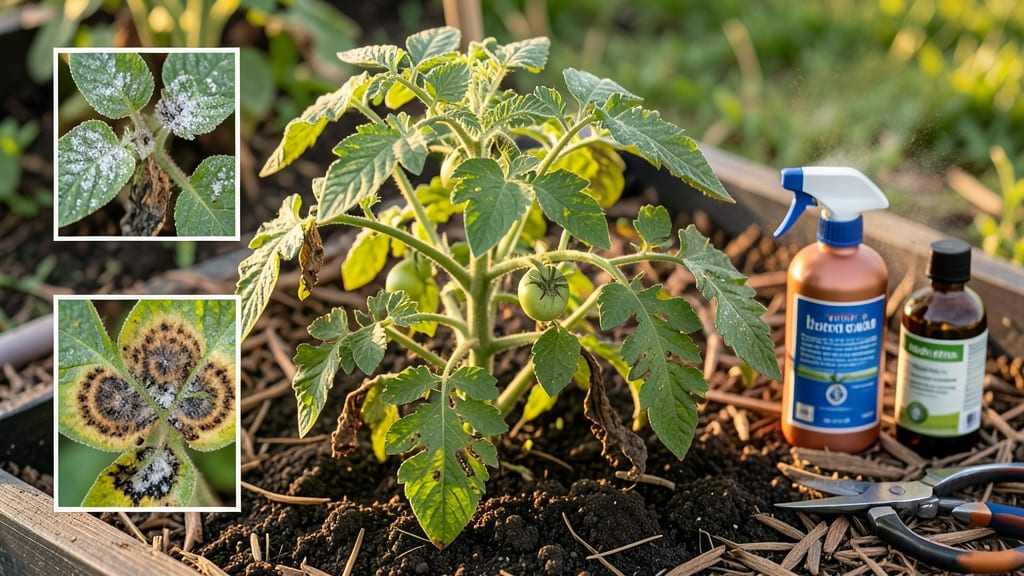
When tomato diseases treatment strikes, your entire harvest can vanish in days—unless you act fast. 🌱 I’ve lost entire plants to blight and spot, but these targeted fixes saved my garden’s yield last summer, and they’ll work for you too. The key is catching problems early: yellowing leaves?
Check for early blight. Brown spots with yellow halos? That’s bacterial spot. Wilting vines? It might be fusarium wilt. Each disease needs a different approach—some respond to copper sprays, others to pruning infected foliage, and a few require total plant removal to prevent spread.
With the right treatment, you’ll stop the damage within 7-10 days and keep your plants producing until frost. The secret is consistency—spray preventatively, rotate solutions, and keep your garden clean between seasons. This works for home gardens, greenhouses, or even container plants. Let’s get those tomatoes back to thriving!
Root Causes of Tomato Troubles
Tomato diseases don’t just appear out of nowhere—they’re usually the result of a mix of environmental stress, poor gardening practices, or microbial invaders. Understanding why these issues pop up is the first step to preventing and treating them effectively.
Let’s break down the key culprits behind common tomato diseases, from fungal infections to bacterial attacks.
Fungal diseases like early blight and late blight thrive when tomatoes are exposed to excess moisture. Here’s why:
- Poor Air Circulation: Dense foliage or overcrowded plants trap humidity, creating the perfect breeding ground for spores. Fungi like Phytophthora infestans (late blight) spread rapidly in still, damp air.
- Water on Leaves: Overhead irrigation or rain splashing onto leaves keeps them wet for extended periods. Fungal spores land on damp surfaces and germinate within 4–6 hours.
- Cool, Wet Weather: Temperatures between 60–75°F (15–24°C) with high humidity accelerate fungal growth. Late blight, for example, spreads fastest in these conditions.
- Infected Debris: Old plant remains or contaminated soil harbor fungal spores, ready to reinfect new plants. Even compost from diseased tomatoes can reintroduce pathogens.
💡 Pro Tip: Space plants 18–24 inches apart and water at the base (not overhead) to reduce fungal risks. Remove infected leaves immediately to stop spore spread.
Bacterial diseases such as bacterial spot and bacterial wilt exploit tiny openings in tomato plants. Here’s how they sneak in:
- Physical Damage: Pruning cuts, insect bites, or hail wounds create entry points for bacteria like Xanthomonas perforans (bacterial spot). Even thorn pricks can be gateways.
- Contaminated Tools or Hands: Bacterial cells hitchhike on gardening tools, gloves, or even rainwater splashing from infected plants. Once inside, they multiply rapidly in warm, moist conditions.
- Poor Sanitation: Reusing pots, stakes, or mulch from last season’s infected plants can reintroduce bacteria. Soilborne pathogens like Ralstonia solanacearum (bacterial wilt) survive for years in contaminated soil.
- Stressed Plants: Drought, nutrient deficiencies, or extreme heat weaken tomatoes, making them more susceptible to bacterial attacks. A plant struggling to photosynthesize can’t fight off invaders as effectively.
💡 Pro Tip: Sterilize pruners with rubbing alcohol between cuts, and avoid working with tomatoes when leaves are wet. Crop rotation (avoiding the same spot for 3+ years) disrupts bacterial buildup in soil.
Some tomato diseases originate underground, where soil health plays a critical role. Here’s what goes wrong:
- Compacted or Waterlogged Soil: Poor drainage prevents roots from absorbing oxygen, stressing plants and making them vulnerable to verticillium wilt or fusarium wilt. Fungal pathogens like Verticillium dahliae thrive in anaerobic (low-oxygen) conditions.
- Excessive Nitrogen: Too much nitrogen promotes lush foliage but weakens stems, making plants more prone to buckeye rot or powdery mildew. The imbalance also attracts pests that damage plants, creating entry points for diseases.
- Lack of Beneficial Microbes: Healthy soil teems with Trichoderma fungi and mycorrhizal networks that suppress pathogens. Chemical fertilizers or tilling disrupt these natural defenses, allowing harmful microbes to dominate.
- Old or Contaminated Soil: Soil that hasn’t been refreshed for years may harbor dormant pathogens. Even "healthy" looking soil can harbor Sclerotinia sclerotiorum (white mold) sclerotia waiting to infect stressed plants.
💡 Pro Tip: Test your soil’s pH and nutrient levels annually. Amend with compost, biochar, or mycorrhizal inoculants to boost natural disease resistance. Avoid planting tomatoes in the same bed year after year.
Insects and mites don’t just eat tomatoes—they pave the way for diseases by creating wounds or spreading pathogens. Here’s how:
- Sap-Sucking Pests: Aphids, whiteflies, and spider mites pierce plant cells to feed, leaving behind sticky honeydew. This sugar-rich residue attracts sooty mold fungi, which smother leaves and block sunlight.
- Chewing Insects: Hornworms, Colorado potato beetles, and slugs create ragged holes in leaves and stems. These openings allow water to seep in, promoting bacterial and fungal infections.
- Virus Vectors: Some pests, like aphids, transmit viral diseases (e.g., tomato mosaic virus) while feeding. The virus weakens the plant, making it more susceptible to secondary infections.
- Root Feeders: Grubs, nematodes, and fungus gnats damage roots, reducing water and nutrient uptake. Weak roots can’t support healthy top growth, leaving plants defenseless against wilt diseases.
💡 Pro Tip: Use row covers early in the season to block pests, and introduce beneficial insects (like ladybugs or nematodes) to control populations naturally. Remove chewed or diseased leaves promptly to limit damage.
By addressing these root causes—whether it’s improving airflow, adjusting watering habits, or boosting soil health—you’ll give your tomatoes a fighting chance against diseases before they even take hold. Prevention is always easier (and cheaper!) than treatment.
Quick Fixes for Common Tomato Ailments
Tomato diseases can turn your lush plants into sad, wilted shadows—but don’t panic! With the right targeted fixes, you can revive your tomatoes and prevent future outbreaks. Below, we map the most common tomato diseases to easy, actionable solutions, plus prevention tips to keep your garden thriving.
🔥 Cause: Alternaria solani fungus thrives in warm, humid conditions. 🍳 Fix It Fast:
- Remove infected leaves (🔪 snip 1–2 inches below spots to stop spread).
- Apply copper fungicide (👨🍳 spray every 7–10 days at dawn to avoid leaf burn).
- Improve airflow (🌬️ prune crowded plants and space vines 18–24 inches apart).
- Mulch with straw (⏰ keeps soil moist but prevents splashing spores onto leaves).
💡 Prevention Pro Tip: Rotate crops yearly—never plant tomatoes, peppers, or potatoes in the same spot two years in a row.
🌡️ Cause: Phytophthora infestans spreads like wildfire in damp weather. ✨ Emergency Treatment:
- Isolate infected plants (🚫 remove and destroy them—do not compost).
- Spray with a baking soda mix (🍳 1 tbsp baking soda + 1 tsp dish soap + 1 gallon water; reapply weekly).
- Use fungicide with phosphite (🎯 e.g., Phosphite 87 for systemic protection).
- Water at the base only (💦 avoid overhead irrigation to prevent spore splash).
🔥 Prevention Hack: Plant blight-resistant varieties like ‘Mountain Merit’ or ‘Defiant PhR’—they’re bred to fight back!
🌡️ Cause: Oidium fungus loves hot, dry days but needs humidity to spread. 🍳 Gentle Remedies:
- Wipe leaves with neem oil solution (👨🍳 1 tbsp neem oil + 1 tsp mild soap + 1 quart water; spray undersides too).
- Boost humidity control (🌬️ use shade cloth if temps exceed 90°F).
- Encourage competition (🌱 plant marigolds nearby—they repel mildew spores).
- Prune for sunlight (⏰ thin vines to improve airflow; mildew hates dry leaves).
💡 Prevention Tip: Morning watering (💦 leaves dry faster, reducing fungal growth).
🌡️ Cause: Soil-borne fungi (Fusarium oxysporum, Verticillium) clog plant vessels. 🎯 No-Cure Fix (But Slow It Down):
- Replace infected plants (🚫 remove and sterilize tools with 70% alcohol).
- Solarize soil (✨ cover beds with clear plastic for 4–6 weeks in summer to kill fungi).
- Use resistant varieties (🍅 ‘Celebrity’ or ‘Solar Fire’ tolerate wilt better).
- Avoid overhead watering (💦 keeps spores from splashing onto roots).
🔥 Prevention Must-Do: Crop rotation + 3-year break from nightshades (tomatoes, peppers, eggplants).
🔪 Cause: Xanthomonas or Pseudomonas bacteria spread via water, tools, or hands. 🍳 Sanitize & Suppress:
- Prune infected leaves immediately (🔪 sterilize pruners with bleach water between cuts).
- Use copper soap (👨🍳 spray Cheshunt Compound every 5–7 days).
- Avoid watering after dark (🌙 bacteria thrive in moisture overnight).
- Rotate to non-host crops (🌱 plant beans or lettuce in affected beds next season).
💡 Prevention Rule: Wash hands and tools (🧼 between plants to avoid cross-contamination).
🎯 Year-Round Strategies:
- Strengthen plants (💪 use balanced fertilizer like 5-5-5; weak plants invite disease).
- Test soil pH (📊 aim for 6.2–6.8; adjust with lime or sulfur if needed).
- Companion plant (🌱 basil, garlic, or onions deter pests and fungi).
- Harvest promptly (🍅 ripe tomatoes = fewer disease entry points).
🔥 Remember: Early action is key! The moment you spot yellowing, spots, or wilting, act fast—your tomatoes will thank you with bountiful, disease-free harvests! 🍅🌟
Frequently asked questions
Can I use the same fungicide for early blight and late blight?
While copper-based fungicides work for both, late blight (Phytophthora infestans) spreads faster and often requires stronger solutions. For early blight, copper sprays every 7-10 days usually suffice. Late blight may need phosphite-based fungicides (Phosphite 87) or systemic options like chlorothalonil for better control. Always rotate products to prevent resistance.
How do I tell if my tomato plant has bacterial spot or early blight?
Check the spot patterns: bacterial spot creates tiny, water-soaked lesions with yellow halos, often on lower leaves. Early blight shows larger, concentric-ringed brown spots (like bullseyes) on older leaves. Bacterial spot spreads via water and tools, while early blight thrives in humid conditions. Prune infected areas immediately in both cases.
Will removing infected leaves really stop disease spread?
Removing infected foliage reduces spore production by 70-90%. For fungal diseases, cut 1-2 inches below visible spots to prevent hidden spores. For bacterial issues, sterilize pruners with 70% alcohol between cuts. Always dispose of infected material in the trash (not compost) to prevent reinfection.
Can I save a tomato plant with bacterial wilt?
Unfortunately, bacterial wilt (Ralstonia solanacearum) has no cure. Once symptoms appear (wilting despite moist soil, yellowing lower leaves), remove the plant immediately. Solarize the soil for 4-6 weeks with clear plastic to kill remaining bacteria. Avoid planting tomatoes, peppers, or eggplants in that spot for 3+ years to prevent reinfection.
What's the best organic treatment for powdery mildew?
Neem oil mixed with mild soap (1 tbsp neem + 1 tsp soap per quart of water) works best. Spray undersides of leaves (where mildew hides) in the early morning to avoid leaf burn. Repeat every 7-10 days and improve airflow by pruning crowded vines. For prevention, plant marigolds nearby—they naturally repel mildew spores.