
How To
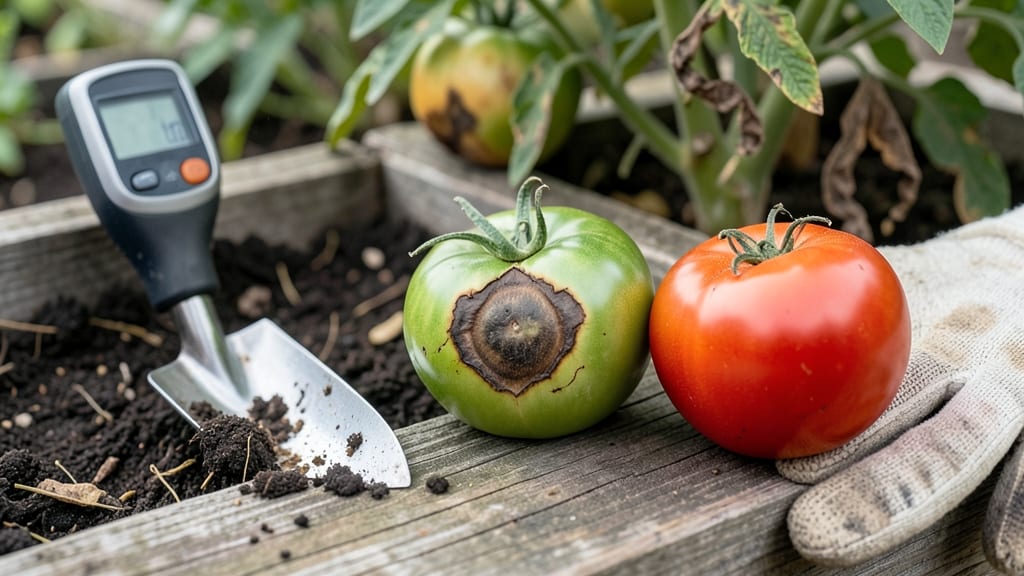
Your tomato plants are wilting despite perfect watering—this is tomato dry rot in action. 🌱 I’ve lost entire harvests to this sneaky disease, but these three fixes saved my next season’s crop. The key is catching it early, before the telltale brown stems or cracked fruit ruin your tomatoes.
Dry rot starts with fungal infections like Fusarium or Verticillium wilt, but poor drainage, overwatering, or stressed plants make it worse. I learned the hard way: even healthy-looking plants can hide the problem until it’s too late.
The good news? You can still save some plants and prevent future outbreaks with simple adjustments.
Start by pruning infected leaves immediately and improving airflow around your plants. For severe cases, a copper fungicide spray or neem oil treatment can help, but the real game-changer is fixing your soil—adding compost and ensuring proper drainage stops the cycle for good.
This works for both garden beds and containers, and the fixes apply whether you’re growing heirlooms or hybrids. Once you’ve tackled the root cause, you’ll see stronger stems and fewer cracked fruits by next season.
Root Causes Of Tomato Shriveling
When your tomatoes develop dry rot—those unsightly, leathery patches that turn fruit into shriveled husks—it’s rarely a single culprit. Instead, a mix of environmental stress, fungal infections, and poor growing conditions team up to ruin your harvest.
Understanding the why behind this problem is the first step to stopping it. Below, we break down the most common triggers, backed by science, so you can tackle them head-on.
Tomatoes are sensitive to extreme conditions, and when heat and drought collide, dry rot thrives. Here’s how it works:
- Excessive Heat: Temperatures above 90°F (32°C) disrupt cell function in tomato fruit. High heat causes osmotic stress, where water rushes out of the cells faster than they can absorb it. This leads to shriveling and a tough, leathery texture—classic dry rot symptoms.
- Inconsistent Watering: Tomatoes need 1–1.5 inches of water per week, but uneven moisture is a recipe for disaster. When soil dries out, roots struggle to supply water to the fruit. Then, if you suddenly overwater, the sudden influx can shock the plant, causing cells to burst or collapse.
- Soil Moisture Imbalance: Sandy or rocky soils drain too quickly, while clay soils hold water like a sponge—both extremes stress tomato plants. Mulching (with straw or grass clippings) helps regulate soil temperature and moisture.
💡 Pro Tip: If your tomatoes are already showing signs of stress, water deeply at the base (not overhead) in the early morning. This mimics natural rainfall and reduces fungal splash risks.
While dry rot isn’t always caused by fungi, pathogens like Alternaria solani and Phytophthora often hitch a ride during stress. These fungi attack weakened plants, accelerating rot. Here’s how they exploit tomatoes:
| Fungus | How It Starts | Tell-Tale Signs |
|---|---|---|
| Alternaria solani (Early Blight) | Spores spread via wind or water, landing on older leaves first. Heat and humidity (75–85°F / 24–29°C) give it the green light. | Brown, concentric rings on leaves; fruit develops leathery, sunken lesions. |
| Phytophthora (Late Blight) | Thrives in cool, wet conditions (60–77°F / 15–25°C). Spreads rapidly via splashing water or infected tools. | Dark, oily spots on leaves; fruit rots internally, turning mushy and brown. |
| Fusarium (Vascular Wilt) | Enters through root wounds or cracks in stems. Thrives in poorly drained soil. | Wilting even with water; fruit may mature unevenly and dry out prematurely. |
🔥 Prevention: Rotate crops yearly, remove infected debris, and use copper fungicides if blight appears. For organic growers, neem oil or baking soda sprays (1 tbsp baking soda + 1 quart water + a drop of dish soap) can help.
Dry rot isn’t always about rot—sometimes, it’s about tomatoes that never fully developed. When pollination fails, fruit grows deformed and prone to shriveling. Common causes:
- Lack of Bees or Wind: Tomatoes rely on vibration pollination (from bees or wind). If flowers aren’t shaken, they fail to set fruit, leading to small, underdeveloped tomatoes that dry out.
- Extreme Temperatures: Below 50°F (10°C) or above 95°F (35°C), tomato flowers abort before pollination occurs.
- Over-Fertilizing with Nitrogen: Too much nitrogen = leafy growth, no fruit. Tomatoes need a balanced 10-10-10 or 5-10-10 fertilizer to encourage blooming.
✨ Fix It: Hand-pollinate on cloudy days by gently shaking plants or using a small brush to transfer pollen. For greenhouses, consider grow lights to maintain ideal temps (60–85°F / 15–29°C).
Tomatoes are heavy feeders, and when they lack key nutrients, their fruit becomes vulnerable to dry rot. Watch for these signs:
- Calcium Deficiency (Blossom End Rot): While not true dry rot, calcium deficiency causes leathery, sunken patches on the blossom end of tomatoes. It’s often mistaken for dry rot but starts as a water-soaked spot that turns brown.
- Potassium Deficiency: Leaves turn yellow at the edges, and fruit becomes soft and prone to cracking or drying.
- Magnesium Deficiency: Causes interveinal chlorosis (yellowing between leaf veins), weakening the plant’s ability to transport water.
📊 Solution: Test your soil and amend with:
- For calcium: Crushed eggshells, lime, or calcium nitrate (follow package rates).
- For potassium: Wood ash or a balanced fertilizer (like 5-10-10).
- For magnesium: Epsom salt (1 tbsp per gallon of water), sprayed on leaves.
Fixing and Preventing Tomato Shriveling
Now that you know the root causes of tomato dry rot—whether it’s heat stress, fungal infections, poor watering habits, or improper storage—let’s tackle the solutions. Below, we’ve mapped out practical fixes for each issue, along with prevention tips to keep your tomatoes fresh and vibrant. 🍅✨
If your tomatoes are wrinkled, leathery, or splitting from too much sun, act fast to salvage them and adjust your growing conditions.
🍳 Immediate Salvage Steps
- Hydrate the Plants – Water deeply at the base of the plant (not the leaves) in the early morning to reduce evaporation.
Aim for 1–1.5 inches of water per week, depending on your climate. - Provide Shade Cloth – If temperatures exceed 90°F (32°C), drape lightweight shade cloth (30–50%) over the plants for a few hours a day.
This prevents sunburn while still allowing light penetration. - Harvest Early – If tomatoes are already overripe or shriveled, pick them before they fully ripen (green or slightly pink). Place them in a paper bag with a banana to speed up ripening indoors.
🌡️ Long-Term Prevention
- Choose Heat-Tolerant Varieties – Opt for heat-resistant tomatoes like ‘Solar Fire,’ ‘Heatmaster,’ or ‘Arkansas Traveler.’ These varieties handle high temps better than traditional types.
- Mulch Heavily – Apply 2–3 inches of organic mulch (straw, grass clippings, or wood chips) to retain moisture and keep roots cool.
- Avoid Over-Fertilizing with Nitrogen – Too much nitrogen leads to soft, watery fruit that’s prone to shriveling in heat.
Use a balanced fertilizer (10-10-10 or 5-5-5) instead.
If your tomatoes show brown, sunken spots or leathery patches, a fungal infection is likely the culprit. Here’s how to stop the spread and prevent future outbreaks.
👨🍳 Step-by-Step Treatment
- Remove & Destroy Infected Fruit – Pick off any affected tomatoes immediately and do not compost them (fungi can survive). Burn or trash them instead.
- Prune for Airflow – Thin out foliage to improve circulation—fungi thrive in humid, crowded conditions.
Remove lower leaves (within 6 inches of the soil) to prevent splash-back contamination. - Apply Fungicide – Use copper-based fungicides (like Copper Soap) or neem oil spray every 7–10 days as a preventative.
For organic gardens, a baking soda spray (1 tsp baking soda + 1 quart water + a drop of dish soap) works too.
🎯 Prevention Tips
- Rotate Crops – Avoid planting tomatoes, potatoes, or peppers in the same spot for at least 3 years to break fungal cycles.
- Water at the Base – Never wet the leaves—this spreads spores.
Use drip irrigation or a soaker hose instead. - Space Plants Properly – Give tomatoes 18–24 inches of space between plants for better airflow.
If your tomatoes are shriveled from inconsistent watering, they may be overwatered (leading to rot) or underwatered (causing stress). Here’s how to fix the balance.
🔪 Adjusting Your Watering Routine
- Check Soil Moisture – Stick your finger 1–2 inches deep into the soil. If it’s dry, water deeply.
If it’s soggy, hold off until it dries slightly. - Water Deeply & Infrequently – Instead of light daily watering, give tomatoes a slow, deep soak (15–20 minutes) 2–3 times per week.
This encourages strong root growth. - Use Moisture-Retaining Soil – Amend your soil with compost or coconut coir to hold water better without becoming waterlogged.
⏰ Best Watering Times
- Early Morning (6–8 AM) – Reduces evaporation and fungal growth from evening moisture.
- Avoid Late Afternoon – Watering then can promote fungal diseases before the plant dries out.
If your tomatoes are already harvested but drying out, proper storage is key to extending their shelf life.
📊 Best Storage Practices
- Don’t Refrigerate (Unless Ripe) – Unripe tomatoes can be stored in the fridge, but ripe ones lose flavor and texture.
Keep them at room temperature (60–70°F / 15–21°C). - Store Stem-Side Down – Place tomatoes in a single layer with the stem facing down to slow moisture loss. - Use a Paper Bag – A paper bag with a few apples or bananas speeds up ripening (thanks to ethylene gas).
Once ripe, remove them to prevent over-ripening.
✨ Extra Tip for Long-Term Storage
- Freeze for Later Use – If tomatoes are too dry to eat fresh, peel, chop, and freeze them for sauces, soups, or salsas. They’ll keep for up to 6 months!
Final Thought: Most cases of tomato dry rot are preventable with the right care. By adjusting watering, managing heat, controlling fungi, and storing properly, you’ll keep your tomatoes juicy, firm, and delicious all season long! 🍅💚
Frequently asked questions
What’s the difference between tomato dry rot and blossom end rot?
Dry rot appears as leathery, shriveled patches on the tomato’s surface, often caused by heat stress or fungal infections. Blossom end rot shows up as dark, sunken spots on the blossom end (bottom) and is caused by calcium deficiency. The key difference? Dry rot affects the whole fruit’s texture, while blossom end rot targets just the bottom.
Can I still eat tomatoes with dry rot?
Only if the rot is superficial! Cut off the affected areas and check for mushiness inside. If the rot has spread internally or the tomato is completely leathery, it’s best to compost it (not eat it) to avoid spreading fungal spores. For mild cases, remove the dry patches and use the rest in sauces or salsas.
How do I know if my tomato plants have a fungal infection?
Look for brown, sunken lesions on leaves or fruit, yellowing leaves, or wilting despite watering. Fungal spores often appear as black or gray fuzz on stems. If you see these signs, prune infected parts immediately, improve airflow, and apply a copper fungicide or neem oil spray every 7–10 days.
Will mulching really help prevent dry rot?
Mulching with straw or wood chips (2–3 inches thick) keeps soil cool and moist, reducing stress from temperature swings. It also blocks fungal spores from splashing onto plants. Just avoid piling mulch directly against stems to prevent rot there too.
Can I save my tomato plants if they’re already infected?
For early-stage infections, yes! Remove all infected leaves/fruit, thin foliage for airflow, and treat with neem oil or copper fungicide. If the plant is severely wilted or stems are brown, it’s likely too late—pull it to prevent spreading. For next season, rotate crops and test soil for nutrient imbalances.