
Shrubs
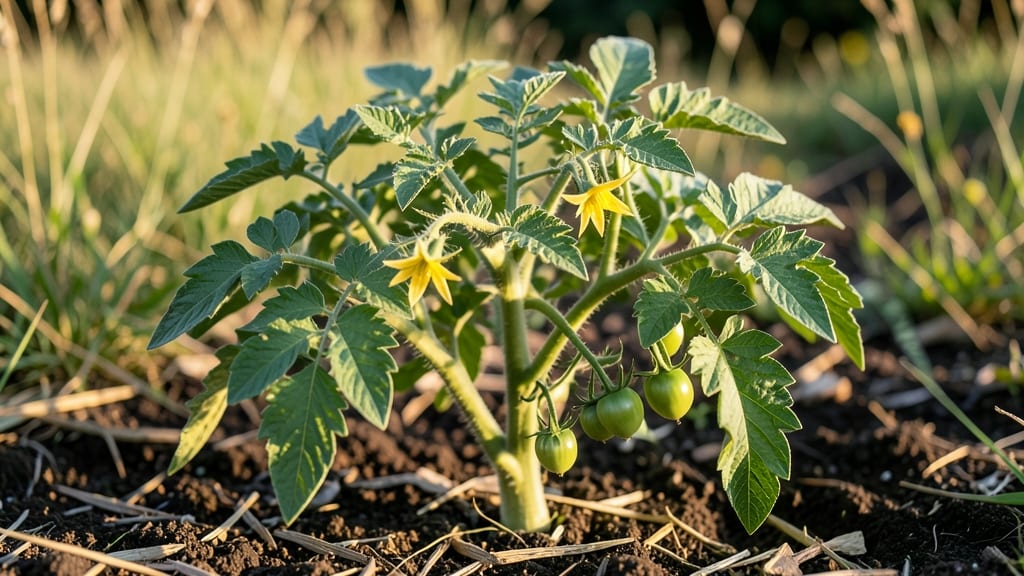
Tomato flowering early can turn your summer harvest into a sad, small batch of green fruit—unless you know the exact tricks to prevent it. 🌱 I’ve seen tomatoes bolt before they’re ready, and the secret isn’t just picking the right varieties (though that helps) but also tweaking when and how you plant them.
The goal? Keep those blossoms waiting until the heat settles and the plants are strong enough to support real fruit.
Most early flowering happens because tomatoes sense heat or stress and think it’s time to reproduce—even if they’re barely out of the ground. My first year, I planted too early in my zone 7 garden, and the plants sent up flowers before they had enough leaves to feed them.
The fix? Wait until soil temps hit 60°F consistently, and choose heat-resistant varieties like ‘Solar Fire’ or ‘Heatmaster’ that stay patient longer. Even a week later can make all the difference.
Once you’ve got the timing right, focus on steady watering—drought stress speeds up flowering—and balanced fertilizer (too much nitrogen delays blooms, but too little causes the same problem). I now use a 5-10-10 formula early on, then switch to 10-10-10 once flowers appear.
The result? Plants that grow strong, delay flowering until they’re ready, and produce pound after pound of ripe tomatoes by July.
This works for both garden beds and containers, and the same principles apply whether you’re in a hot southern climate or a warm northern summer. The key is giving your tomatoes the confidence to wait—because patience pays off in bigger, juicier harvests. Let’s get those plants growing the right way.
Why it happens
Understanding why your tomatoes are flowering early can help you adjust care strategies for a better harvest. Here’s a breakdown of the most common triggers—each with a clear scientific explanation and actionable insights.
Tomatoes are native to cooler climates, and when exposed to consistent temperatures above 85°F (29°C), they enter a survival mechanism called thermo-inhibition. This causes the plant to shift energy from leaf growth to flowering and fruiting as a way to reproduce before heat stress becomes fatal.
What’s happening in the plant?
- Ethylene gas (a plant hormone) spikes under heat, signaling the plant to flower.
- Photosynthesis slows—high heat reduces chlorophyll efficiency, so the plant prioritizes reproductive growth over vegetative growth.
- Day-length sensitivity is less of a factor here; it’s purely temperature-driven.
Actionable fix:
- Use shade cloth (30-50%) during peak afternoon heat.
- Mulch heavily (straw or black plastic) to keep soil temps stable.
- Opt for heat-tolerant varieties like ‘Solar Fire’ or ‘Heatmaster’ if early blooms are recurrent.
Too much nitrogen (especially in the form of ammonium-based fertilizers) pushes tomatoes into a growth spurt—but at the cost of delayed flowering. However, excessive nitrogen late in the season can paradoxically trigger early blooms because the plant perceives it’s time to reproduce before resources deplete.
Why does this happen?
- Nitrogen promotes leafy, lush growth, but when applied after the plant is established, it can disrupt the balance of auxin (a growth hormone) and florigen (the flowering signal).
- The plant may interpret the sudden nutrient surge as a sign to flower quickly to utilize excess energy.
Actionable fix:
- Switch to a balanced fertilizer (10-10-10 or 5-10-10) once flowers appear.
- Avoid high-nitrogen amendments (like fresh manure or blood meal) after transplanting.
- Side-dress with phosphorus-rich compost (like bone meal) to encourage root and flower development.
In regions with mild winters, tomatoes planted too early (before the last frost but when soil is still cool) can experience false starts. The plant may flower in response to cool nights and warm days, only to have those flowers drop off if temperatures fluctuate.
The science behind it:
- Tomatoes are photoperiod-neutral (they flower regardless of day length) but are temperature-sensitive.
- Cool nights (below 60°F/15°C) followed by warm days (75°F+/24°C) can trigger premature flowering via vernalization-like responses (a process more common in biennial plants but seen in some tomato varieties).
- If flowers appear before the plant is established, they’re often aborted due to lack of energy reserves.
Actionable fix:
- Wait until soil temps are consistently 60°F+/15°C before planting.
- Use row covers to protect young plants from chilly nights that can confuse the plant’s growth cycle.
- Start seeds indoors 6-8 weeks before the last frost, but harden them off with gradual temperature exposure.
Fluctuations in water availability—whether drought stress or overwatering—can send tomatoes into survival mode, prompting early flowering.
How water affects flowering:
- Drought stress increases abscisic acid (ABA), a hormone that signals the plant to conserve water by shifting resources to reproductive growth.
- Overwatering (especially in heavy clay soils) can drown roots, reducing nutrient uptake and forcing the plant to flower quickly to reproduce before dying.
- Inconsistent watering (e.g., skipping midday watering) causes osmotic stress, mimicking drought conditions.
Actionable fix:
- Water deeply 1-2 times per week (1-1.5 inches per week) rather than daily shallow watering.
- Use drip irrigation to keep moisture consistent at the root zone.
- Mulch with straw to retain soil moisture and prevent temperature swings.
Some tomato varieties are early bloomers by design, especially determinate (bush) types or heirlooms bred for specific climates. If you’re growing a short-season variety or a cherry tomato, expect flowers to appear 4-6 weeks after transplanting, regardless of environmental conditions.
Why genetics matter:
- Indeterminate varieties (like ‘Better Boy’) focus on vegetative growth before flowering, while determinate types (like ‘Roma’) prioritize reproductive growth early.
- Heirlooms often have shorter juvenile periods, meaning they flower faster than hybrids.
Actionable fix:
- Choose heat-resistant indeterminate varieties (e.g., ‘Arkansas Traveler’, ‘Celebrity’) if you want delayed flowering.
- Prune suckers aggressively on early-blooming varieties to redirect energy to fruit production.
- Use plant growth regulators (like Bonzi or Florel) to delay flowering in sensitive varieties (follow label instructions carefully).
Quick fixes for early blooming tomatoes
Early flowering in tomatoes can be frustrating, but with the right adjustments, you can guide your plants toward healthier growth and better fruit production. Below are targeted solutions based on common causes, along with practical prevention tips to keep your tomato plants on track.
If your tomatoes are flowering too early due to extreme temperatures, they may struggle to set fruit properly. Here’s how to adjust:
🔥 Adjust Watering for Heat Stress
- Increase watering frequency during hot spells to keep soil consistently moist (1–2 inches deep).
- Water deeply in the morning to reduce evaporation and stress.
- Use mulch (straw, grass clippings, or wood chips) to retain moisture and cool roots.
❄️ Protect from Cold Snaps
- Use row covers or cloches if nighttime temps drop below 55°F (13°C).
- Move potted tomatoes indoors temporarily if frost is forecasted.
- Choose heat-tolerant varieties (like ‘Solar Fire’ or ‘Heatmaster’) for future plantings.
💡 Pro Tip: Avoid wetting leaves during watering—this can attract diseases like blight, which weakens plants further.
If your tomatoes are flowering early due to poor spacing or competition, they may divert energy to blooms instead of foliage.
🔪 Prune for Better Airflow
- Remove suckers (side shoots) to redirect energy to main stems and fruit development.
- Trim lower leaves to improve airflow and reduce humidity-related diseases.
🌱 Thin or Transplant
- Space plants 18–24 inches apart (for indeterminate varieties) or 12–18 inches (for determinate).
- Transplant if overcrowded, ensuring each plant has room to grow.
✨ Prevention Tip: Start with the right spacing from day one—don’t let seedlings get too close!
Excess nitrogen encourages leafy growth but delays flowering and fruiting.
📊 Adjust Fertilizer Ratios
- Switch to a balanced fertilizer (e.g., 5-10-10 or 10-10-10) once flowers appear.
- Avoid high-nitrogen feeds (like lawn fertilizer) after the flowering stage.
- Use compost or worm castings for a slow-release, nutrient-rich boost.
💪 Boost Phosphorus for Blooms
- Add bone meal or phosphate-rich fertilizer to encourage flowering.
- Use fish emulsion (high in phosphorus) as a foliar spray for a quick fix.
🎯 Targeted Fix: If your soil is heavy in nitrogen, flush it with water before applying phosphorus-rich amendments.
Tomatoes need 12–16 hours of light daily to thrive. Too much or too little light can trigger early flowering.
🏡 Extend Light Hours (Short Days)
- Use grow lights (LED or fluorescent) for 14–16 hours/day if natural light is insufficient.
- Place plants in the sunniest spot in your garden or on a sunny windowsill.
🌇 Shield from Harsh Midday Sun (Too Much Light)
- Use shade cloth (30–50%) during peak sun hours (10 AM–4 PM) in scorching climates.
- Train vines upward with trellises to prevent sunburn on lower leaves.
🔥 Quick Hack: Rotate potted tomatoes daily to ensure even light exposure.
If your tomatoes are struggling post-transplant, they may flower early as a stress response.
👨🍳 Harden Off Seedlings Properly
- Acclimate seedlings to outdoor conditions over 7–10 days before planting.
- Water thoroughly before transplanting to reduce shock.
🌱 Improve Soil Health
- Amend soil with compost (1–2 inches mixed into the top 6 inches).
- Test soil pH (aim for 6.0–6.8) and adjust with lime (to raise pH) or sulfur (to lower it).
💡 Pro Tip: Avoid fertilizing immediately after transplanting—wait 1–2 weeks to let roots establish.
- Overwatering (leads to root rot and stress).
- Using cold water (shock plants; water at room temperature).
- Ignoring pests (aphids/suckers can stress plants into early flowering).
By addressing the root cause—whether it’s heat, nutrients, light, or stress—you’ll help your tomatoes shift their energy from early blooms to stronger growth and better fruit later in the season. 🍅🌿
Frequently asked questions about early tomato flowering
Why do my tomato plants keep flowering but not producing fruit?
Early blooms often appear when plants experience stress from heat waves above 85°F or inconsistent watering. The flowers may drop off because the plant isn't strong enough to support fruit development. Focus on deep watering 1-2 times per week and use shade cloth (30-50%) during peak afternoon heat to stabilize growth.
Can I prune early tomato flowers to delay fruiting?
Yes, but only if your plants are still small and weak. Remove the first 3-4 flower clusters to redirect energy to leaf and root growth. Wait until the plant has 6-8 true leaves before letting it flower again. This works best with indeterminate varieties like 'Better Boy' that grow continuously.
What's the best fertilizer ratio to prevent early blooming?
Use a low-nitrogen, high-phosphorus fertilizer like 5-10-10 during early growth stages. Once flowers appear, switch to 10-10-10 to support fruiting. Avoid high-nitrogen amendments (like fresh manure) after transplanting, as they can trigger premature flowering by confusing the plant's growth signals.
Will planting tomatoes later in the season prevent early flowering?
Wait until soil temperatures reach 60°F consistently before planting. In cooler climates, this might mean waiting until 2-3 weeks after your last frost date. For containers, use black plastic mulch to warm the soil faster. This simple timing adjustment can delay flowering by 2-4 weeks.
Are there tomato varieties that naturally resist early flowering?
Yes! Look for heat-tolerant indeterminate varieties like 'Solar Fire', 'Heatmaster', or 'Arkansas Traveler'. These are bred to delay flowering until plants are established. For shorter seasons, try 'Celebrity' or 'Mountain Merit', which balance early productivity with heat resistance. Always check your local climate zone recommendations.