
Diseases
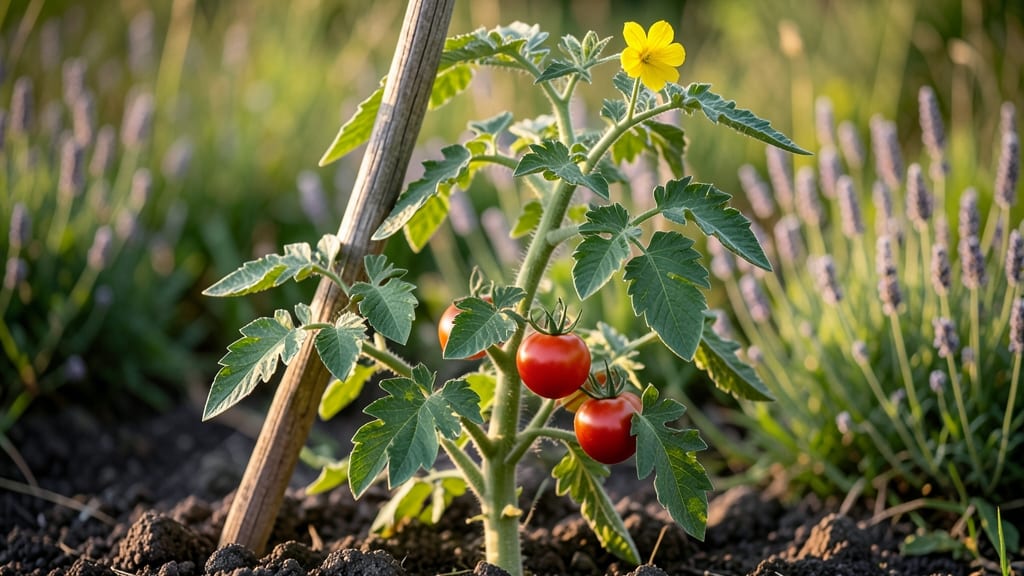
When your tomato plants develop diseases like blight, with dark, greasy spots spreading faster than you can prune, you're staring down trouble. I've battled early and late blight for years, and I'll show you how to stop it in its tracks—before your entire crop turns to mush.
The key? Copper spray, applied at the first sign of trouble.
Blight thrives in warm, wet conditions, turning leaves black and fruit rotten within days. Most gardeners panic and yank infected plants, but that spreads spores like wildfire. Instead, we'll focus on copper fungicide, which disrupts the disease cycle at the cellular level.
You'll need a spray bottle, a mix of copper sulfate or copper hydroxide, and the guts to act fast.
Within hours of application, the spread slows dramatically. By day three, new growth stays clean, and existing spots stop expanding. The secret? Spray preventatively at dawn when humidity is high, and repeat every 7-10 days during wet seasons. Your plants won't just survive—they'll rebound with healthier foliage and bigger fruit.
This method works for home gardens, greenhouses, and even container plants. The copper stays effective season after season, and it's safe for pollinators once dry. Let's get those tomatoes back on track before another leaf turns.
The Hidden Triggers Behind Blight
Blight isn’t just a random attack on your tomato plants—it’s a sneaky invader that thrives when conditions align perfectly for its spread. Understanding the why behind blight’s rampage is half the battle in stopping it.
Let’s break down the science behind the chaos so you can outsmart this disease before it ruins your harvest.
Blight, especially late blight (Phytophthora infestans), is a fungus-like organism that loves wet conditions. Here’s why:
- Stagnant Air + Water = Disease Highway High humidity (above 90%) and prolonged leaf wetness (over 4–6 hours) create the ideal environment for spores to germinate and infect plants. Think of it like a damp blanket—blight spores hatch and spread faster in these conditions.
- Overhead Watering = Blight’s Favorite Move Splashing water from above (like from a hose or sprinkler) splashes spores from infected leaves or soil onto healthy ones. This is why drip irrigation is a game-changer—it keeps foliage dry while delivering water directly to roots.
- Poor Air Circulation = Trapped Spores Crowded plants or thick foliage trap moisture, turning your garden into a blight breeding ground. Even a light breeze helps dry leaves faster, reducing risk.
Pro Tip: 💡 If you see water droplets lingering on leaves for hours, blight is likely lurking. Adjust your watering time to early morning so foliage dries by sunset.
Blight doesn’t just strike randomly—it preys on stressed plants. When tomatoes are already struggling, they’re powerless to resist infection. Common stressors include:
- Nutrient Deficiencies
- Potassium (K) Deficiency: Weakens cell walls, making plants more susceptible to fungal attacks. Blight thrives where defenses are down.
- Nitrogen (N) Imbalance: Too much nitrogen leads to soft, lush growth—perfect for blight to latch onto. Balance is key!
- Physical Damage
- Hail, wind, or pests create open wounds where spores can slip right in. Even a simple pruning cut can become a blight entry point if not sanitized.
- Root Stress
- Compacted soil, drought, or root rot starve plants of water and nutrients, weakening their immune response. Blight smells weakness from miles away.
Pro Tip: 🌡️ Test your soil’s potassium levels—aim for a ratio of 1:2 (N:K) for stronger tomato defenses.
Blight doesn’t just float in the air—it hides in plain sight in your garden’s ecosystem. Here’s how:
- Infected Plant Debris
- Last year’s diseased leaves or stems left in the soil can overwinter and reinfect new plants. The fungus Phytophthora survives in organic matter, ready to pounce when conditions are right.
- Unsanitized Tools
- Pruners, gloves, or even your hands can carry spores from one plant to another. A quick wipe-down with 70% rubbing alcohol or a 10% bleach solution (1 part bleach to 9 parts water) kills spores on contact.
- Water Sources
- Ponds, rain barrels, or shared irrigation systems can harbor blight spores. Always boil or filter water used for seedling trays or young plants.
Pro Tip: 🔥 Before replanting tomatoes in the same spot, solarize the soil (cover with clear plastic for 4–6 weeks) to kill lingering pathogens.
Blight isn’t just a garden problem—it’s a weather-dependent menace. Warm, wet conditions (especially 60–80°F nights) trigger its worst outbreaks. Here’s the breakdown:
- Cool, Damp Mornings + Warm Afternoons = Blight’s Sweet Spot
- Nighttime temps between 50–65°F with high humidity allow spores to germinate overnight, while afternoon warmth fuels rapid growth.
- Rainfall Timing Matters
- Heavy rain during flowering or fruiting increases infection risk by splashing spores and keeping leaves wet. Even dew-heavy mornings can be enough.
- Sudden Temperature Shifts
- Hot days followed by cool, damp nights stress plants, making them more vulnerable to infection.
Pro Tip: 🎯 Monitor your local agricultural weather forecasts—many extensions offer blight risk alerts based on humidity and temperature.
Even the most resilient tomato plants can fall to blight if basic garden hygiene is ignored. Small lapses create perfect conditions for spread:
- Mulch Gone Wrong
- Thick organic mulch (like straw or grass clippings) can trap moisture against stems, promoting blight at the soil line. Use straw mulch loosely or switch to black plastic to reduce humidity.
- Crowded Plantings
- Poor airflow between plants lets moisture linger. Space tomatoes 18–24 inches apart and prune suckers to improve circulation.
- Ignoring Early Signs
- Yellowing leaves or dark spots are blight’s calling card. The longer you wait to act, the faster it spreads—remove infected leaves immediately (don’t compost them!).
Pro Tip: ✨ Use a fan on low near your plants for 10–15 minutes daily to reduce humidity and dry leaves faster.
Fix Blight Before It Ruins Your Harvest
Blight may feel like a death sentence for your tomato plants, but with the right moves, you can turn the tide fast. The key? Acting early, combining treatments, and preventing future outbreaks.
Below, we map out the best fixes for each type of blight—plus pro tips to keep your garden thriving. Let’s get those tomatoes fighting back!
Early blight (Alternaria solani) starts with yellow lower leaves and brown spots with concentric rings. Here’s how to halt it in its tracks:
🍳 Immediate Treatment: Copper Spray (The Game-Changer)
Copper fungicides (like copper hydroxide) are the fastest way to stop early blight. Spray when leaves are dry (morning or evening), focusing on the undersides where spores hide.
- Mix it right: Follow label instructions (typically 1–2 tbsp per gallon of water).
- Reapply every 7–10 days or after rain.
- Add a sticker: Mix in a horticultural oil (1 tsp per gallon) to help the spray stick.
👨🍳 Prune & Clean Up
Remove all infected leaves (don’t compost them—bag and toss). Prune for airflow to dry leaves faster.
- Use sterilized pruners (wipe with rubbing alcohol between cuts).
- Avoid wetting foliage when watering—water at the base only.
🌡️ Boost Plant Health
Healthy plants fight blight better. Feed with a balanced fertilizer (10-10-10) or compost tea to strengthen defenses.
Pro Tip: 💡 Interplant tomatoes with garlic or marigolds—they naturally repel fungi!
Late blight (Phytophthora infestans) is aggressive and contagious. It causes greasy-looking spots that spread in 48 hours. Isolate infected plants immediately.
⏰ Act Fast: Copper + Baking Soda Combo
Mix 1 tbsp baking soda + 1 tbsp vegetable oil + 1 tsp dish soap + 1 gallon water. Spray every 3–5 days until new growth is blight-free.
- Add copper: Use copper sulfate (1 tsp per gallon) for extra power.
- Spray both sides of leaves and stems.
🔪 Quarantine & Destroy
Late blight spreads via wind and water. Remove all infected plants and burn or trash them (don’t compost!).
- Disinfect tools with bleach (1 part bleach : 9 parts water).
- Avoid overhead watering—use drip irrigation.
🎯 Prevent Future Outbreaks
Late blight loves humidity. Reduce risk with:
- Space plants 18–24 inches apart for airflow.
- Use resistant varieties like ‘Mountain Merit’ or ‘Defiant PhR.’
- Rotate crops—don’t plant tomatoes or potatoes in the same spot for 3 years.
The best cure? Stop blight before it starts. Here’s how:
🌱 Plant Smart
- Choose disease-resistant seeds (look for _V_ or _F_ ratings on packets).
- Start indoors 6–8 weeks before last frost for a head start.
- Avoid planting in low spots where water pools.
💡 Maintenance Must-Dos
- Mulch with straw or grass clippings (2–3 inches) to keep soil moist but leaves dry.
- Water early in the day so foliage dries by night.
- Monitor daily—catch blight before spots appear!
🔥 Natural Fungicide Recipes
Prevent blight with these DIY sprays (use every 2 weeks):
| Recipe | How to Use |
|---|---|
| Neem Oil Spray 1 tbsp neem oil + 1 tsp soap + 1 quart water |
Shake well, spray undersides of leaves. Safe for bees after sunset. |
| Milk Spray 1 part milk + 9 parts water |
Spray on leaves. Contains natural fungicidal compounds. |
| Chili Pepper Spray 1 tbsp cayenne pepper + 1 tsp soap + 1 gallon water |
Strains fungi and deters pests. Reapply after rain. |
Remember: Blight is beatable, but speed is everything. The moment you spot those first spots, grab the copper spray, prune aggressively, and adjust your watering. With these tactics, your tomatoes will bounce back—and next season, they’ll be blight-proof!
Frequently asked questions
How can I tell if my tomato plant has early blight vs. late blight?
Early blight shows brown, concentric-ringed spots on older leaves first, while late blight creates greasy, dark spots that spread rapidly—even to stems and fruit. Early blight targets lower leaves, but late blight moves upward aggressively. The key difference? Late blight spreads in 48 hours if unchecked.
Will copper spray harm my tomato plants or pollinators?
Copper fungicides are safe for plants when used correctly, but they can irritate beneficial insects like bees if applied during peak blooming. Spray in the evening when pollinators are less active, and avoid overspraying flowers. Always follow label instructions for dosage—too much can stress plants.
Can I still save my tomatoes if blight has already reached the fruit?
If fruit shows signs of blight (dark, mushy spots), it’s best to remove it immediately to prevent further spread. However, if only leaves/stems are infected, aggressive pruning and copper spray can still protect remaining fruit. Harvest any unaffected tomatoes promptly to avoid contamination.
How long does it take for copper spray to work against blight?
Copper fungicides start working within hours of application by disrupting spore germination, but you’ll see visible improvement in 3–5 days with consistent use. For severe cases, combine copper with baking soda (1 tbsp per gallon) for faster results. Reapply every 7–10 days or after rain.
Is it safe to compost tomato leaves infected with blight?
Never compost blight-infected plant material—it can spread spores and reinfect your garden. Instead, bag and trash infected leaves immediately. For severe cases, burn them (if local regulations allow) to eliminate all traces of the fungus.