
Vegetables
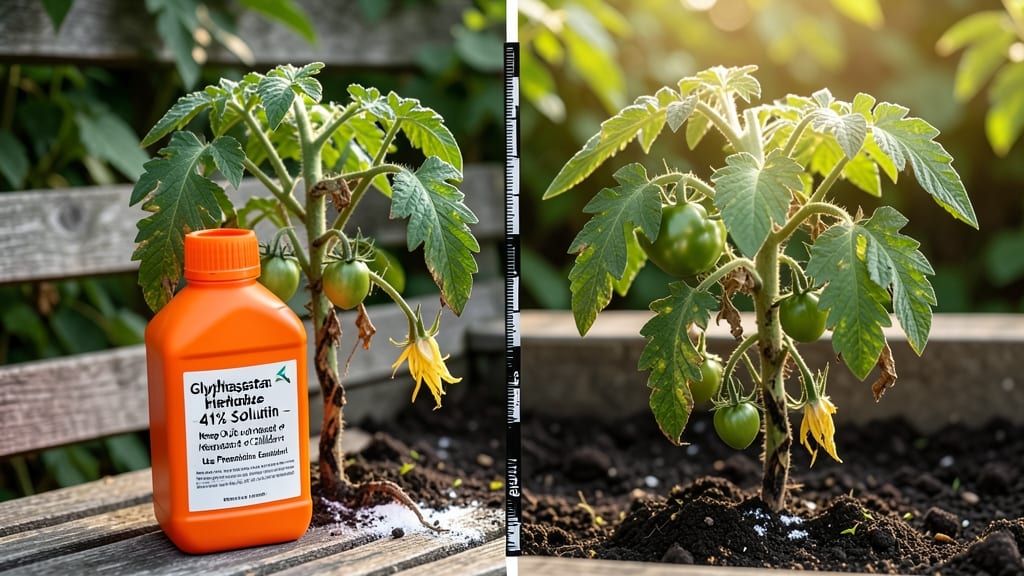
When herbicide drift turns your tomato plants into crispy brown husks, panic sets in—but there’s still hope. 🌱 I’ve nursed back damaged plants using these fast-acting techniques that work even when the damage looks severe at first glance. The key is acting within 24-48 hours before symptoms lock in permanently.
Most herbicide damage shows up as yellowing leaves, stunted growth, or blackened stems, but the real giveaway is how quickly the plant wilts—sometimes within hours. Drift from nearby lawn treatments is the usual culprit, but even misapplied vinegar or homemade sprays can cause similar symptoms.
The good news? Tomatoes are surprisingly resilient when you give them the right support.
Start by pruning away damaged foliage (sterilize your shears first!) and watering deeply to help flush out any absorbed chemicals. A compost tea or mycorrhizal inoculant boosts root recovery, and if the plant is still standing, it often rebounds within 2-3 weeks.
For severely burned plants, focus on saving the stem—new shoots often emerge from the base.
Prevention is easier: buffer zones (at least 10 feet) between vegetable beds and treated lawns, and targeted spot-spraying instead of broadcast applications. If you’re replanting, choose fast-maturing varieties like ‘Early Girl’ or ‘Cherry Tomato’—they’ll outpace any lingering soil issues. Your tomatoes can bounce back—here’s exactly how.
How herbicides harm tomato plants
Herbicides are designed to kill unwanted plants, but when they come into contact with your tomato plants, the damage can be severe—sometimes even fatal. Understanding why tomato herbicide damage occurs is the first step to preventing it.
Below, we break down the key reasons behind this issue, from chemical misapplication to unintended drift, so you can protect your garden effectively.
🌱 Off-Target Spray Drift
One of the most common causes of herbicide damage to tomatoes is spray drift—when herbicide particles carried by wind or air currents land on unintended plants.
This is especially risky with post-emergent herbicides (applied after weeds sprout) because they’re often systemic, meaning they’re absorbed into plant tissues and can linger in the soil or foliage.
Tomatoes are particularly vulnerable because their broad leaves and delicate stems absorb chemicals easily. Even trace amounts can disrupt photosynthesis, leading to:
- Chlorosis (yellowing leaves) due to blocked chlorophyll production.
- Stunted growth as the herbicide interferes with cell division.
- Necrosis (dead tissue) on leaf edges or between veins.
Actionable fix: Always apply herbicides on calm days (wind speeds under 5 mph) and use shielding barriers (like cardboard or plastic sheets) around tomato plants if spraying nearby.
💦 Residual Soil Chemicals
Some herbicides, like glyphosate or 2,4-D, break down slowly and can remain active in the soil for weeks or even months.
If you’ve recently treated a garden bed with these chemicals—or if your soil was previously used for lawn care—tomato seedlings or transplants can absorb them through their roots.
Symptoms of soil-borne herbicide damage include:
- Wilting or drooping despite adequate water.
- Cracked or distorted stems (herbicides disrupt vascular tissue).
- Slow or no new leaf growth as the plant’s metabolic processes shut down.
Actionable fix: Test your soil for residual herbicides before planting tomatoes. If levels are high, amend the soil with compost or organic matter to dilute the chemicals, or plant in a different area for at least 6–12 months.
🎯 Misidentification of Weeds vs. Tomatoes
Tomatoes can sometimes be mistaken for weeds—especially young plants or volunteer seedlings—leading to accidental herbicide application. Pre-emergent herbicides (applied before weeds sprout) are particularly dangerous because they create a chemical barrier in the soil that prevents seedling roots from penetrating.
Signs of misapplied pre-emergent damage:
- No germination even with healthy seeds.
- Blackened, mushy roots when pulled from the soil.
- Stunted or twisted seedlings that fail to thrive.
Actionable fix: Always read herbicide labels carefully and avoid using pre-emergent herbicides in vegetable gardens. Instead, opt for hand-weeding or mulching to suppress weeds without risking your tomatoes.
🌡️ Temperature and Humidity Interactions
Herbicides are often temperature-dependent, meaning their effectiveness—and toxicity—can increase in hot, dry conditions. When applied during heatwaves, chemicals like atrazine or paraquat can become more volatile, leading to faster uptake by tomato plants and heightened damage.
High humidity can also prolong chemical activity, causing herbicides to linger on leaves longer and increasing absorption. Watch for:
- Rapid browning of leaves within hours of exposure.
- Crispy or papery leaf edges (a sign of desiccation).
- Sudden wilting even with proper watering.
Actionable fix: Apply herbicides early in the morning or late afternoon to avoid peak heat. If temperatures exceed 85°F (29°C), wait until cooler conditions to treat weeds near your tomatoes.
🔄 Cross-Contamination from Equipment
Reusing sprayers, trowels, or even watering cans that previously held herbicides can transfer residual chemicals to your tomatoes. Even small amounts left in equipment can contaminate soil or foliage over time.
Look for these subtle signs:
- Unexplained leaf burn in patches.
- Slow recovery after seemingly minor stress (e.g., wind or pests).
- Chemical smell lingering on leaves or stems.
Actionable fix: Thoroughly clean all gardening tools with soap and water after herbicide use. For stubborn residues, soak equipment in a vinegar or bleach solution (1:10 ratio) before rinsing. Never reuse containers meant for herbicides for other purposes.
Fixing Herbicide Damage Fast
Herbicide damage on your tomato plants can feel like a setback, but with the right steps, you can help them recover—sometimes even before you harvest! The key is acting quickly, identifying the type of damage, and applying targeted fixes.
Below, we’ll break down solutions by cause, so you can take action without guesswork.
If your tomatoes show yellowing leaves, crispy edges, or blackened stems (classic signs of herbicide drift or residue), they need immediate detox.
Step 1: Rinse Off Residue (🔥 Emergency First Aid)
- Gently spray the affected plants with water (not pressure—use a soft spray nozzle or hose attachment).
- Add a mild soap (like Castile soap, 1 tsp per gallon) to help break down chemical bonds.
Avoid dish soap—it can harm plants. - Target the undersides of leaves and stems, where herbicides often cling.
Step 2: Flush the Soil (💦 Deep Cleanse)
Herbicides can linger in soil, so dilute the concentration by:
- Watering deeply (1–2 inches of water) around the plant’s root zone for 3–5 days in a row.
- Mulch heavily (straw or grass clippings) to prevent runoff and absorb lingering chemicals.
Step 3: Boost Recovery with Nutrients (🍽️ Plant Vitamins)
Damaged tomatoes crave extra nutrients to bounce back.
Try: - Epsom salt solution (1 tbsp per gallon of water) for magnesium—spray leaves weekly. - Compost tea (homemade or store-bought) to restore beneficial microbes. - Fish emulsion (diluted to 1 tbsp per gallon) for quick nitrogen and phosphorus.
✨ Pro Tip: If new growth appears stunted or deformed, prune those sections immediately to redirect energy to healthy parts.
When herbicides kill roots or cause stem blackening, the plant’s ability to absorb water and nutrients is compromised. Act fast to stabilize it.
Step 1: Prune Damaged Areas (✂️ Surgical Precision)
- Use sterilized scissors to cut off:
- Blackened or mushy stems (below the damage).
- Yellowed leaves (they drain energy).
- Leave 1–2 healthy leaves per stem to keep photosynthesis going.
Step 2: Support Weak Structures (🏗️ Reinforce the Frame)
- Stake or cage the plant to prevent wind/rain from snapping weakened stems.
- Tie gently with soft fabric strips (not wire)—herbicide-damaged plants bruise easily.
Step 3: Hydrate & Shield (💧 Emergency Care)
- Water at the base (not overhead) to avoid stressing leaves further.
- Shade cloth (30–50%) for 3–5 days if leaves are scorched to reduce transpiration.
- Avoid fertilizing for 2 weeks—damaged roots can’t handle extra salts.
💡 Pro Tip: If the main stem is dead, don’t give up! Tomatoes often regrow from side shoots (suckers). Prune aggressively to encourage new growth.
Once your tomatoes recover, lock in protection for next season:
| Risk | Prevention Hack | When to Do It |
|---|---|---|
| Drift from neighbors | Plant a buffer row (marigolds, sunflowers) near property lines. | Before planting tomatoes. |
| Residue in soil | Test soil for herbicides (kit from garden centers). | Early spring. |
| Accidental overspray | Use organic mulch (straw, wood chips) to block spray. | After transplanting. |
| Weed killer in compost | Avoid grass clippings from treated lawns. | Year-round. |
🎯 Golden Rule: If you’re unsure about nearby herbicide use, grow tomatoes in containers (5+ gallons per plant) for full control.
Even with treatment, some plants won’t recover. Pull and compost (don’t use in garden!) if you see:
- No new growth after 2 weeks of care.
- Fungal infections (moldy spots, white fuzz) from stressed tissue.
- Wilting despite watering (roots may be dead).
Use the space for fast-recovering crops like bush beans or lettuce while you prep a new tomato bed.
Frequently asked questions about tomato herbicide damage
What are the first signs my tomato plants have been exposed to herbicide?
Look for yellowing leaves (especially between veins), crispy brown edges, or sudden wilting within 24-48 hours of exposure. Stem blackening or distorted growth are also red flags. These symptoms appear faster in hot, dry conditions when herbicides become more potent.
Can I still harvest tomatoes from plants that show herbicide damage?
Only harvest fruits from undamaged parts of the plant. If the entire plant is affected, avoid eating the produce—herbicides can linger in tissues. When in doubt, discard the crop and focus on reviving the plant for next season’s harvest.
How long does it take for tomato plants to recover from herbicide exposure?
Mild cases may show improvement within 3-7 days with proper care, while severe damage can take 2-3 weeks or longer. New growth often emerges from the base if the stem is still viable. If no recovery occurs after 2 weeks, the plant is likely beyond saving.
Will compost help remove herbicide residue from soil?
Compost can dilute but won’t fully eliminate herbicide residue. For contaminated soil, mix in 6+ inches of fresh compost and plant in a different location for at least 6 months. Test soil first if possible—some herbicides persist for years.
Can I use vinegar as an alternative to chemical herbicides near my tomatoes?
Vinegar can harm tomatoes too—it’s an acid herbicide! For safe weed control, use boiling water, corn gluten meal, or hand-pulling. Always maintain a 10-foot buffer between treated areas and your tomato garden.