
Pests
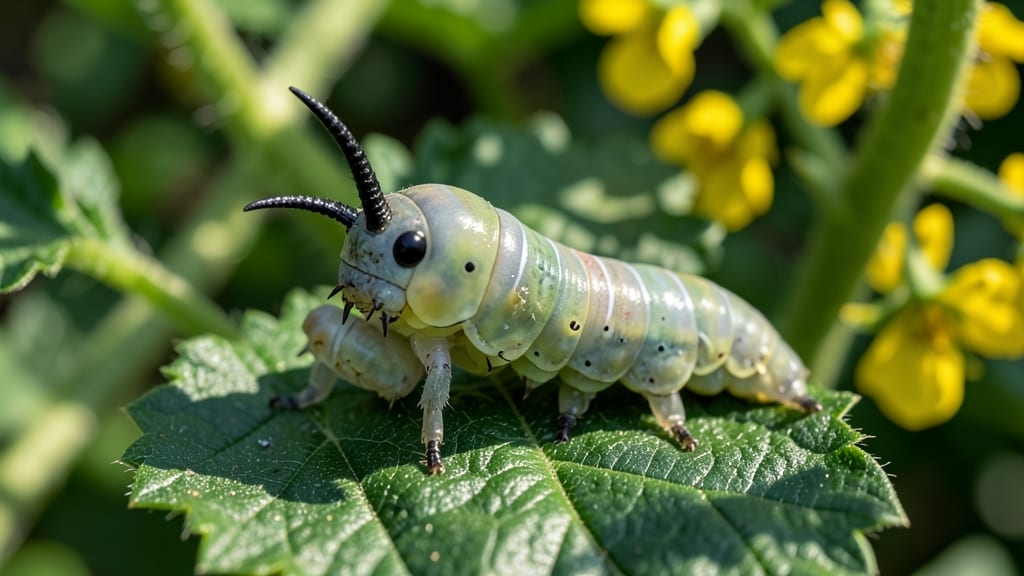
Your tomato plants are being devoured by tomato hornworm caterpillars, whose diet consists almost entirely of nightshade plants like tomatoes, peppers, and eggplants—those striped, inch-long monsters that turn leaves into lace overnight. 🌿 I’ve watched them strip entire plants bare in just days, and the good news is, they’re actually nature’s way of balancing your garden ecosystem.
These caterpillars thrive on nightshade plants, but they’re also a buffet for beneficial insects like parasitic wasps.
The key to managing them isn’t just killing them—it’s understanding their life cycle. Eggs hatch in about 5-7 days, and caterpillars grow into voracious eaters in 2-3 weeks. The secret weapon?
Handpicking them (they’re big enough to spot) or encouraging their natural predators like braconid wasps, which lay eggs inside the hornworms, turning them into a tasty snack for birds.
You’ll see fewer skeletonized leaves and more balanced garden health when you combine manual removal with companion planting—basil, marigolds, and dill repel them naturally. Neem oil can also disrupt their feeding, but the real win is letting nature do the heavy lifting.
The garden stays productive, and you avoid harsh chemicals.
Works for backyard gardens, container plants, and even patio tomatoes. Here’s how to spot them early and keep your harvest safe without disrupting the ecosystem.
Behind The Hunger Crisis
If your tomato hornworms aren’t thriving despite your best efforts, the issue likely stems from one (or more) of these core dietary imbalances. Understanding the why behind their picky eating—or ravenous binges—helps you adjust their meals for healthier, stronger caterpillars. Let’s break down the science behind their dietary struggles.
Tomato hornworms (Manduca sexta) are specialized feeders, meaning they rely heavily on specific nutrients found in their host plants. When their diet lacks critical components, their growth stalls, their immune systems weaken, or they become lethargic. Here’s what’s missing—and why:
- Protein Shortages
Hornworms need 18-25% protein in their diet to support rapid growth and molting. If their leaves are low in nitrogen (common in overripe or stressed plants), they’ll appear stunted or pale. Why? Protein synthesis slows, delaying development and making them vulnerable to diseases.
- Lack of Essential Amino Acids
While protein is key, specific amino acids like methionine, threonine, and arginine are non-negotiable. These are abundant in young, tender tomato leaves but dwindle as plants age. A deficiency leads to poor muscle development and even deformed pupae.
- Missing Micronutrients
Zinc, iron, and calcium are often overlooked but critical for metabolism and exoskeleton hardening. Symptoms? Weak molting (caterpillars get stuck), slow movement, or black spots on their bodies—a sign of stress.
💡 Pro Tip: Rotate between young tomato leaves, basil, and dandelion greens to ensure a balanced micronutrient profile. Avoid solely feeding old or wilted leaves, which leach nutrients.
Hornworms are gluttonous but also delicate. Too much food leads to obesity and disease; too little stunts growth. Here’s how imbalance plays out:
| Issue | Cause | Signs to Watch For |
|---|---|---|
| Overfeeding | Excess moisture in leaves (e.g., overwatered plants) or feeding too much at once. |
|
| Underfeeding | Insufficient leaf surface area or low-quality food (e.g., tough stems over tender leaves). |
|
✨ Fix It: Feed small, fresh batches of leaves daily (about 1.5x their body length). Remove uneaten leaves after 24 hours to prevent rot.
Sometimes, the problem isn’t the food—it’s the invisible invaders hitching a ride. Hornworms are prime targets for parasites and fungi that alter their appetite, digestion, or behavior. Here’s how:
- Braconid Wasps (Parasitoids)
These tiny wasps lay eggs inside hornworms, causing them to stop eating and become lethargic. Infected caterpillars may hang limp from leaves or refuse food entirely.
- Bacterial or Fungal Infections
Overcrowding or damp conditions breed Bacillus thuringiensis (Bt) or Entomophthora fungi. Infected hornworms develop:
- White, cottony growths (fungal)
- Black, tarry frass (bacterial)
- Loss of appetite despite available food
- Viral Contamination
If you’re reusing containers or tools, nuclear polyhedrosis virus (NPV) can spread. Infected caterpillars stop growing, turn milky-white, and die without pupating.
🔥 Prevention:
- Isolate new hornworms for 3–5 days to spot parasites early.
- Use sterilized containers and avoid overwatering.
- Introduce beneficial nematodes to combat soil-borne pathogens.
Not all greens are created equal. Hornworms crave young, tender leaves rich in soluble sugars and chlorophyll. When fed low-quality alternatives, they either reject food or suffer from malnutrition. Common culprits:
- Old or Woody Leaves
Lack easily digestible cellulose, leading to constipation (visible as dark, dry frass) or weight loss.
- Chemically Treated Plants
Residues from pesticides or fertilizers disrupt their gut bacteria, causing diarrhea, lethargy, or death.
- Non-Host Plants (e.g., Spinach, Lettuce)
While they’ll eat these, they’re nutritionally incomplete. Long-term feeding leads to stunted growth or failed pupation.
🎯 Solution: Stick to a 70% tomato/basil diet with 30% supplements like dandelion, fennel, or parsley for variety. Always wash leaves thoroughly with water to remove contaminants.
Fixing Feeding Problems Naturally
When tomato hornworms strip your garden bare, the key is acting fast with targeted, eco-friendly solutions—without harming your plants or pollinators. Below, we break down the most common issues (like overpopulation, nutrient deficiencies, or plant stress) and pair them with practical fixes you can start today.
Prevention tips are sprinkled in to keep your garden thriving long-term.
Cause: A single female moth can lay 2,000 eggs in her lifetime, leading to an army of caterpillars devouring your tomatoes, peppers, and basil in days.
Fix It:
- 🍳 Handpick & Relocate
- Morning is best—caterpillars are sluggish after cool nights. Wear gloves and drop them into soapy water (a humane, chemical-free disposal).
- Pro tip: 💡 Use a flashlight at dusk to spot eggs (tiny green ovals on leaves) and scrape them off with your fingernail.
- 👨🍳 Introduce Predators
- Praying mantises, parasitic wasps (like Cotesia congregata), and braconid wasps love hornworms. Plant dill, fennel, or marigolds to attract them.
- Ladybugs also help—buy them online or release them at dawn when they’re most active.
- 🥘 Trap Cropping
- Plant
- Warning: ✨ Check trap plants daily—they’ll get munched fast!
Cause: Stressed or malnourished plants (from poor soil or over-fertilizing) are hornworm magnets. They crave the extra sugars in struggling foliage.
Fix It:
- 🌱 Boost Soil Health
- Mix compost or worm castings into the soil before planting. Aim for 1-2 inches of organic matter in the top 6 inches.
- Quick fix: 💪 Use a balanced fertilizer (like 5-5-5) at planting time, then switch to a low-nitrogen, high-phosphorus feed (e.g., 0-10-10) when flowers appear.
- 🥗 Water Wisely
- Deep watering 2x/week (early morning) reduces stress. Avoid wetting leaves to prevent fungal issues that weaken plants.
- Signs of overwatering: Yellowing leaves or mushy stems = hornworm buffet time.
- 🍎 Companion Planting
- Nasturtiums, borage, or garlic repel pests naturally. Interplant them with tomatoes to confuse hornworms.
- Bonus: 🌡️ These plants also improve flavor and yield!
Cause: You found the problem after your plants are skeletonized. Now what?
Fix It:
- 🥘 Emergency Pruning
- Cut off heavily damaged leaves (but leave some foliage for photosynthesis). Dispose of clippings in a sealed bag—do not compost (eggs may survive).
- Pro tip: ⏰ Prune just before sunset to avoid shocking the plant.
- 💊 Organic Sprays (Last Resort) - Neem oil (1 tbsp + 1 tsp mild soap per gallon of water) disrupts their feeding. Spray every 3-4 days for 2 weeks. - Bt (Bacillus thuringiensis) is a biological pesticide that targets caterpillars only.
Mix and apply at dusk (UV light deactivates it). - Caution: 🚫 Avoid spraying Bt if you have endangered butterflies (like monarchs) nearby—they’re also affected.
- 🛡️ Physical Barriers
- Cover young plants with floating row covers (fine mesh) until they’re established. Secure edges with soil or rocks.
- Hack: 🎯 Use old t-shirts or cheesecloth in a pinch—just ensure holes are <1/4 inch to block eggs.
Year-Round Strategies to Keep Hornworms Away:
| Action | How to Do It | Best Time |
|---|---|---|
| 🌱 Rotate Crops | Avoid planting tomatoes/peppers in the same spot yearly. | Fall/Winter (after harvest) |
| 🌿 Mulch Heavily | Use straw or grass clippings (3-4 inches) to block egg-laying sites. | Spring (before planting) |
| 🕵️♂️ Scout Regularly | Check undersides of leaves 2x/week for eggs or tiny caterpillars. | Every 3-4 days in growing season |
| 🌡️ Encourage Birds | Install a bird feeder or bath near your garden. Sparrows and chickadees eat hornworm eggs. | Spring/Summer |
| 🍃 Plant Diversity | Mix tomatoes with herbs (oregano, thyme) or flowers (calendula, alyssum). | At planting |
Final Reminder: 🌟 Patience is key—hornworms are part of a natural ecosystem. A few won’t ruin your garden, but early action prevents a full-blown invasion. Combine handpicking, predators, and prevention, and you’ll enjoy juicy tomatoes (and fewer surprises) all season!
Frequently asked questions
What are the best plants to feed tomato hornworms besides tomatoes?
Tomato hornworms thrive on a mix of nightshade plants like peppers, eggplants, and potatoes, but they also love basil, fennel, dandelion greens, and parsley. These provide essential nutrients while keeping your main crops safer. Avoid spinach or lettuce—they’re not nutritionally complete for long-term growth.
How do I know if my hornworms are getting enough to eat?
Healthy hornworms eat 1.5x their body length in leaves daily and produce dark, moist frass (droppings). If they’re pale, shriveled, or not growing, they’re hungry. Offer young, tender leaves and remove uneaten ones after 24 hours to prevent rot.
Can I raise tomato hornworms indoors without harming my garden?
Yes! Use a mesh cage or ventilated container with fresh leaves daily. Place it away from your garden to prevent escapes. They’ll pupate in 2-3 weeks—release adult moths only if you’re okay with them laying eggs elsewhere.
Why do hornworms sometimes refuse to eat even when food is available?
They might be parasitized by braconid wasps (look for white cocoons) or infected with fungi/bacteria. Stress from overcrowding or damp conditions can also suppress appetite. Isolate them for 3-5 days to check for pests before assuming it’s a diet issue.
What’s the fastest way to control a hornworm outbreak organically?
Combine handpicking (drop into soapy water) with neem oil sprays (every 3-4 days) and companion planting (basil, marigolds). For severe cases, Bt (Bacillus thuringiensis) works within 48 hours but only at dusk to protect pollinators.