
Pests
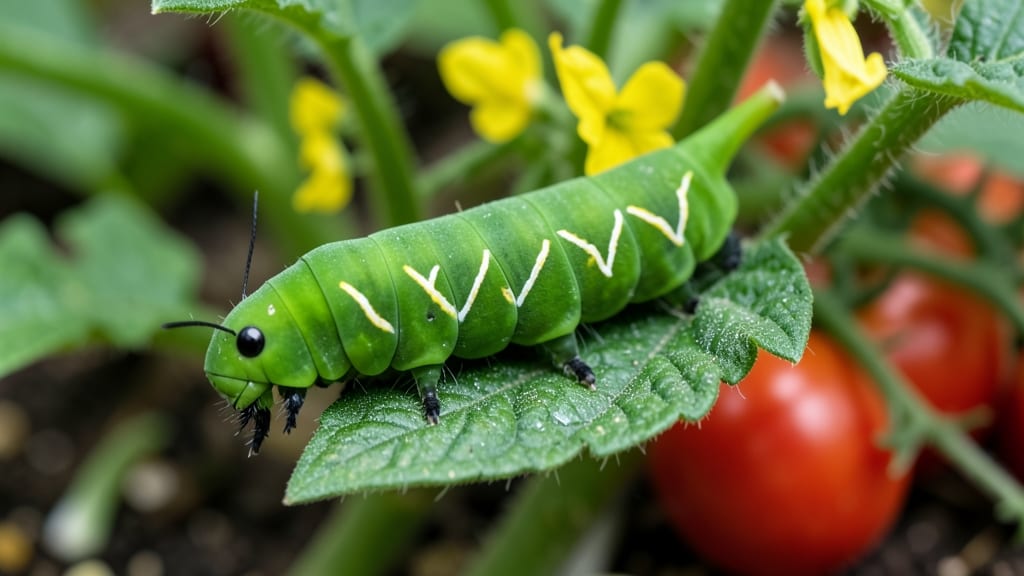
That tomato hornworm caterpillar can strip a tomato plant bare in hours. 🌱 I’ve watched my thriving plants go from lush to skeletonized overnight—until I learned how to spot and stop them before they destroy everything. The key is acting fast, because once they’re feeding, they’re nearly unstoppable.
These caterpillars—up to 4 inches long with a horn-like tail—hide under leaves during the day and go wild at night. Their biggest giveaway? Black diagonal stripes and a voracious appetite for leaves, stems, and even fruit.
The good news? Nature already has predators like wasps and birds that keep them in check—if you let them.
With the right approach, you’ll protect your plants without harming the ecosystem. I’ll show you how to manually remove them (yes, it’s gross but effective), use organic sprays, and set up barriers that actually work. Your tomatoes will stay safe—and so will your sanity.
This works for home gardens of any size, whether you’re growing in raised beds, containers, or the ground. Let’s get those plants back to their full, healthy selves before the next wave arrives.
📚 In This Guide
- What you need
- Instructions
- Tips and common mistakes
- Wrapping up and next steps
What you need
- ● Handheld magnifying glass (3x–10x magnification) – Critical for spotting tiny eggs and caterpillars.
- ● Gloves (nitrile or latex) – Protects your skin from potential irritation (some gardeners report mild reactions).
- ● Pruning shears (sharp, 6–8 inch blades) – For trimming infested tomato plants without spreading eggs.
- ● Spray bottle (16 oz) – For DIY solutions like neem oil or soapy water.
- ● Bucket (5-gallon) – For collecting caterpillars or mixing solutions.
- ● Drop cloth or tarp (4’x6’ or larger) – To lay under plants before shaking off pests.
- ○ Trichogramma wasps (parasitoid eggs) – Optional but game-changing; order online (e.g., 5,000–10,000 eggs per release).
- ● Yellow sticky traps (4–6 traps) – Attracts adult moths before they lay eggs.
- ● Diatomaceous earth (food-grade) (1 lb) – Sprinkle lightly on soil (avoid direct plant contact).
- ● Beneficial nematodes (e.g., Heterorhabditis bacteriophora) – Targets larvae in the soil (1–2 million per 1,000 sq ft).
- ○ Neem oil (16 oz) + horticultural oil (optional) – Mix 1 tbsp neem oil + 1 tsp mild soap per quart of water.
- ○ Spinosad (OMRI-listed) – Optional for severe infestations; follow label rates (e.g., 0.5–1 tsp per gallon).
- ● Kaolin clay (2–3 lbs) – Creates a barrier; mix 1 tbsp per gallon of water.
- ● Garlic or chili pepper spray – Blend 1 cup garlic/chili + 1 tsp soap per gallon of water; strain before use.
- ● 🌱 Best time to act: Early morning (caterpillars are sluggish) or evening (avoid heat stress).
- ● 🕰️ Monitor weekly: Check plants every 3–4 days during peak season (June–August).
- ● 🚫 Avoid: Broad-spectrum pesticides (they kill beneficial insects like ladybugs and lacewings!).
How to identify and manage tomato hornworm caterpillars
Here’s how I spot these fast-moving pests and protect my tomatoes before they vanish overnight.
🌱 Step 1: Learn to Spot the Hornworm’s Distinctive Traits
The tomato hornworm is one of the most dramatic-looking caterpillars in the garden. It grows up to 4 inches long with a smooth, green body and white diagonal stripes. The real giveaway is the horn-like projection at its rear end—this isn’t just decoration, it’s a defense mechanism that deters predators. Look for them on the undersides of leaves or along stems during early morning hours when they’re less active.
Check your plants every 2-3 days after tomatoes start flowering. These caterpillars can devour an entire leaf overnight, leaving only the tough veins behind. I’ve seen them skeletonize a 3-foot tomato plant in a single night—it’s shocking how fast they work. If you spot one, don’t panic. They’re actually beneficial predators of other pests like aphids and whiteflies, but their appetite for tomatoes makes them a garden nuisance.
💧 Step 2: Hand-Pick Hornworms During Cool Hours
The best time to remove hornworms is in the early morning or late evening when they’re sluggish. Grab a pair of gardening gloves and simply pluck them off the plant. Drop them into a bucket of soapy water to kill them humanely—this prevents them from wriggling back onto your plants. I like to do this while watering, so I have both hands free.
Don’t rely on sight alone—check the undersides of leaves and the stems where they often hide. A quick shake of the plant over a bucket can reveal hidden hornworms. If you’re squeamish about handling them, use a tweezers or small pruning shears to snip them off the plant. Just be careful—they can curl up and bite if startled.
☀️ Step 3: Introduce Natural Predators to Control Populations
One of the best ways to manage hornworms long-term is by encouraging their natural predators. Parasitic wasps like Cotesia congregata lay eggs inside hornworm larvae, which eventually kill them. These wasps are harmless to humans and other plants. To attract them, avoid using broad-spectrum insecticides and provide diverse plantings in your garden, including flowers like dill and parsley, which attract beneficial insects.
Birds and lacewings also prey on hornworms. Installing a birdhouse or bat box near your garden can help increase predation. I’ve noticed fewer hornworms in my garden after adding a small solar-powered bug zapper—it attracts flying insects that hornworms might eat or compete with. Even a small pond or water feature can draw in more predators by providing a water source for beneficial insects.
✂️ Step 4: Use Physical Barriers and Row Covers
For small gardens or high-value tomato plants, floating row covers are an effective way to block hornworms without chemicals. These lightweight fabrics allow sunlight and water to reach your plants while keeping caterpillars out. Secure the edges tightly with clips or weights to prevent hornworms from crawling underneath. I use fine mesh covers for my early-season tomatoes and remove them once flowers appear to allow pollination.
Another option is to prune away heavily damaged leaves and dispose of them in a sealed bag. Never compost hornworm-infested plant material—this can spread eggs to other areas of your garden. If you notice black droppings (frass) on your plants, it’s a sign hornworms have been feeding there. Remove these leaves immediately to break their life cycle.
🌿 Step 5: Apply Organic Sprays as a Last Resort
If hornworms become unmanageable, organic sprays like Bt (Bacillus thuringiensis) can be effective. Bt is a naturally occurring soil bacterium that targets caterpillars but is harmless to humans, pets, and beneficial insects. Apply it every 7-10 days or after heavy rain, as it breaks down quickly in sunlight. I spray in the early evening to avoid harming bees and other pollinators.
For a homemade alternative, mix 1 tablespoon of hot pepper wax with 1 quart of water and a dash of dish soap. Spray this solution directly on hornworms—they’ll avoid the spicy taste and move on. Reapply after rain or every few days for best results. Avoid using neem oil on hornworms, as it can be ineffective and may harm their predators.
Tips & tricks for managing tomato hornworms
Here's what I've learned from years of battling these hungry caterpillars—these tricks will help you protect your tomato plants before they disappear overnight.
Timing is Everything: When checking your plants every 2-3 days as suggested in Step 1, focus on the undersides of leaves and new growth—that's where hornworms hide when they're not actively feeding. I've found that checking right after watering works best because the leaves are damp, making it easier to spot the caterpillars against the foliage. The early morning light also helps reveal their white stripes more clearly against the green leaves.
Natural Predator Boost: To really maximize the effectiveness of Step 3's natural predator approach, plant a few marigolds near your tomatoes. These flowers attract even more parasitic wasps and other beneficial insects. I've noticed a significant reduction in hornworm populations when I've added marigolds to my garden beds. The key is to create a diverse ecosystem that supports all the beneficial insects, not just the ones that target hornworms.
Row Cover Hack: For Step 4's row cover method, I recommend using lightweight agricultural fabric instead of heavy mesh. The lighter fabric lets more sunlight through while still blocking hornworms effectively. You can also create a DIY solution by using old window screens or even cheesecloth stretched over hoops. Just make sure to secure the edges tightly—hornworms can crawl through even small gaps if they're determined enough.
Organic Spray Strategy: When applying the organic sprays in Step 5, focus on the undersides of leaves and new growth areas where hornworm eggs are often laid. The homemade hot pepper wax spray works particularly well if you add a few drops of food-grade mineral oil to help it stick to the leaves better. Remember to spray in the evening when bees are less active, as instructed, but also consider spraying again after a few days of rain to maintain coverage.
Pro Tips for Tomato Hornworm Caterpillar
- Here's what I've learned from years of battling these hungry caterpillars—these tricks will help you protect your tomato plants before they disappear overnight.
- Timing is Everything: When checking your plants every 2-3 days as suggested in Step 1, focus on the undersides of leaves and new growth—that's where hornworms hide when they're not actively feeding.
- Natural Predator Boost: To really maximize the effectiveness of Step 3's natural predator approach, plant a few marigolds near your tomatoes.
Frequently asked questions
Got questions about tomato hornworms? You're not alone!
These striped munchers can turn your tomato plants into a buffet overnight. Here are answers to the most common concerns—so you can tackle them like a pro.
What does a tomato hornworm caterpillar look like?
A tomato hornworm is hard to miss—it’s a plump, green caterpillar (up to 4 inches long) with white diagonal stripes and a tiny "horn" at its rear. Some have a saddle-like marking near the head. They blend into leaves but reveal themselves when they’re feasting!
How fast can tomato hornworms destroy my plants?
These caterpillars are speed demons! A single hornworm can strip a tomato plant bare in just 1-2 days. Since they’re nocturnal, you might not notice the damage until it’s already severe. Check plants daily during peak season (late spring to summer) to catch them early.
Are tomato hornworms harmful to humans or pets?
Nope! Tomato hornworms are harmless to humans and pets. They don’t bite, sting, or carry diseases. However, their droppings (frass) can be messy and may attract pests like aphids. Always wear gloves when handling them to avoid irritation from their tiny bristles.
What’s the best way to get rid of tomato hornworms naturally?
Skip the chemicals—try these eco-friendly fixes:
- Handpick them (drop in soapy water or relocate to a wild garden).
- Introduce parasitic wasps (like Cotesia congregata), which lay eggs in hornworms—nature’s pest control!
- Use neem oil or Bt (Bacillus thuringiensis) sprays as a last resort.
Pro tip: Check the underside of leaves—hornworms often hide there!
When is tomato hornworm season, and how long do they live?
Hornworms thrive from late spring to early fall, peaking in June and July. Their lifecycle is fast:
- Eggs hatch in 3-5 days.
- Caterpillars grow for 2-3 weeks before pupating.
- Adults (moths) live only 5-7 days but lay 2,000+ eggs!
Monitor plants weekly during this window to stay ahead.
Wrapping up and next steps
Dealing with tomato hornworm caterpillars can feel overwhelming, but armed with the right knowledge, you can protect your garden—and even appreciate these fascinating critters from afar! 🌱 From handpicking to natural predators and organic sprays, there are plenty of effective strategies to keep them in check without harming your plants or the ecosystem.
Ready to take action? Start by inspecting your plants daily—early detection is your best defense! Share your successes (or funny encounters) with fellow gardeners, and don’t forget to explore more eco-friendly pest control tips to keep your garden thriving.