
Pests
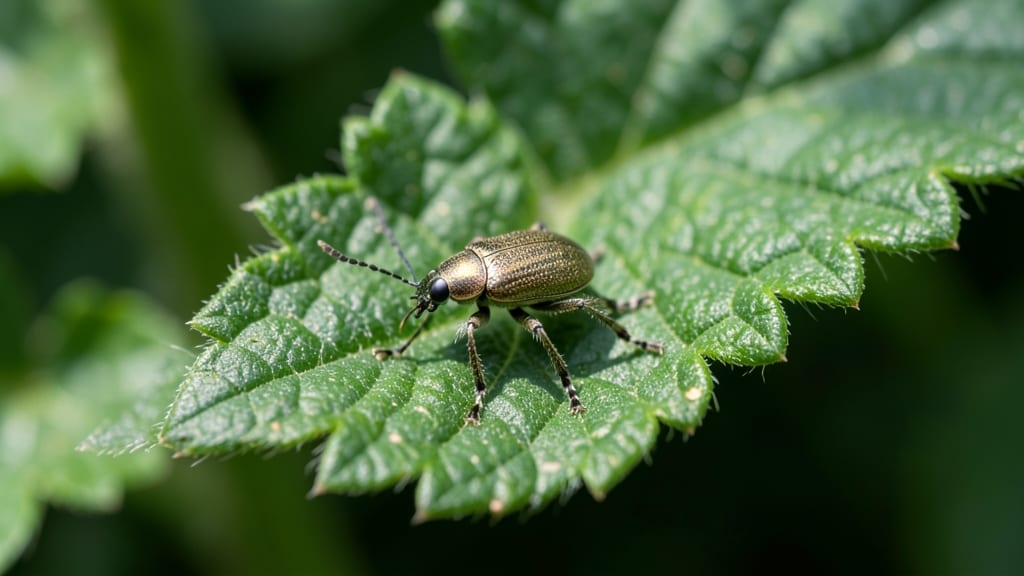
Those tiny black specks chewing the new leaves of tomato plants mean flea beetles have arrived. 🌱 I’ve lost entire seedlings to them—until I learned the simple barriers that save the harvest before they even take hold.
The damage looks like Swiss cheese on young leaves, but the fix is straightforward: lightweight row covers or DIY spray barriers. These stop beetles cold while letting sunlight and water through. No more replanting, no more frustration—just healthy plants that keep growing.
By week 3, your tomatoes will be thriving with full leaves and no holes. The best part? These methods work for peppers, eggplants, and other tender crops too. Let’s get those plants protected before the beetles multiply.
Here’s the secret weapon: floating row covers or cheap mesh barriers draped over young plants. They’re invisible to pests but let your garden breathe. I’ve used them for 10+ years—no chemicals, no guesswork, just results.
The key is timing: install covers as soon as seedlings emerge, and remove them when flowers appear (to allow pollination). For organic gardeners, this is the foolproof solution—no sprays, no waiting, just immediate protection.
Even if you’ve already spotted damage, don’t panic. New growth under covers recovers fast, and you’ll see bushy, healthy plants within weeks. Plus, these barriers deter other pests like cabbage worms and aphids.
Works for backyard gardens, containers, or raised beds—anywhere tomatoes grow. Let’s keep those plants safe and productive all season!
Root Causes Of Flea Beetle Attacks
Flea beetles don’t just randomly target your tomato plants—they’re drawn by a mix of environmental cues, plant signals, and even human gardening habits. Understanding why these tiny pests show up helps you disrupt their life cycle before they cause serious damage.
Let’s break down the key factors that turn your thriving tomato garden into an all-you-can-eat buffet for flea beetles.
Flea beetles are polyphagous (they eat many types of plants), but they have a serious sweet tooth—especially for the Solanaceae family, which includes tomatoes, peppers, eggplants, and potatoes. Here’s why your tomatoes are a magnet:
- High moisture content: Tomato leaves are juicy and tender, making them easy for flea beetles to chew through. Their mandibles (mouthparts) are designed to punch tiny holes, and soft leaves are their ideal target.
- Volatile organic compounds (VOCs): When tomato leaves are stressed (from heat, drought, or damage), they release chemical signals that attract flea beetles. Think of it like a distress flare for pests.
- Young, tender growth: Seedlings and new leaves are the most vulnerable. Flea beetles prefer newly emerged plants because their cuticle (outer leaf layer) is thinner and easier to penetrate.
Actionable insight: If you’re planting tomatoes early in the season, use slow-release fertilizers to avoid nitrogen spikes, which can make leaves even more attractive to beetles.
Flea beetles are cold-blooded (ectothermic), meaning their activity levels skyrocket when temperatures rise. Here’s how heat plays into their attack:
| Temperature Range | Flea Beetle Behavior | Risk to Tomatoes |
|---|---|---|
| Below 50°F (10°C) | Dormant or slow-moving | Low |
| 50–65°F (10–18°C) | Active but sluggish | Moderate (early spring/fall) |
| 65–85°F (18–29°C) | Peak feeding and mating | High (summer heat waves) |
| Above 90°F (32°C) | Seek shade; may enter diapause (dormancy) | Low (but stress from heat weakens plants) |
Why it matters: Flea beetles time their life cycle to match tomato planting seasons. In most regions, they emerge in late spring when soil warms, coinciding with transplanting. Heat waves can also cause a population explosion if beetles find abundant food.
Pro tip:🌡️ Monitor your local degree-day accumulations (a tool used to predict pest activity). Many agricultural extensions provide forecasts—plant protective barriers (like row covers) before the 500-degree-day mark in your area.
Flea beetles aren’t picky about where they land—they’re drawn to open, sunny spaces with easy access to host plants. Common garden mistakes that worsen infestations:
- Monoculture planting: Growing only tomatoes in a row creates a pest buffet. Flea beetles thrive in large, uniform plantings because they can find food without traveling far.
- Poor soil drainage: Waterlogged or compacted soil traps heat, making microclimates perfect for beetle activity. They also lay eggs in moist, loose soil near plant bases.
- Lack of barriers: Without physical obstructions (like row covers, mulch, or companion plants), beetles can walk or fly directly to your tomatoes from nearby weeds or wild hosts.
- Weedy borders: Flea beetles often overwinter in weeds like purslane, lambsquarters, or nightshade. If these grow near your garden, they’re a stepping stone to your tomatoes.
Actionable fix: Break up monocultures by interplanting tomatoes with basil, onions, or marigolds, which disrupt beetle movement and mask tomato odors. Mulch heavily to deter egg-laying and reduce soil moisture extremes.
Healthy tomato plants are less appealing to flea beetles because their chemical defenses (like higher levels of phenolic compounds) make them less palatable. But when plants are stressed, they send out SOS signals that pests can’t resist:
- Excess nitrogen: Lush, soft growth is a flea beetle’s dream. Over-fertilizing with nitrogen (especially synthetic fertilizers) makes leaves more vulnerable to chewing.
- Drought stress: Wilting plants release volatile compounds that attract pests. Flea beetles also prefer stressed plants because their turgor pressure (internal water pressure) is lower, making them easier to feed on.
- Fungal or bacterial infections: Damaged leaves (from early blight, septoria leaf spot, or bacterial wilt) create entry points for beetles, which also feed on secondary microbes.
Pro tip:💡 Use slow-release organic fertilizers (like compost or worm castings) to avoid nitrogen spikes. Drip irrigation keeps leaves dry, reducing both beetle attraction and fungal risks.
Key takeaway: Flea beetle attacks aren’t random—they’re a perfect storm of plant preference, weather, and garden conditions. By addressing these root causes, you can starve out the problem before it starts. Next up: How to disrupt their life cycle with row covers and spray barriers.
Quick Fixes for Tomato Leaf Damage
When tiny holes start appearing on your tomato leaves, it’s time to act fast! Flea beetles may be small, but their damage adds up quickly. The good news? You don’t need harsh chemicals to stop them.
Below, we’ll break down practical, effective solutions tailored to the most common causes of flea beetle infestations—so you can protect your plants before they become a full-blown problem.
Prevention is your first line of defense. Flea beetles are drawn to young, tender tomato plants, so keep them away before they land.
🌱 Use Row Covers Early
- When to apply: Cover seedlings as soon as they sprout and leave them on for 4–6 weeks (or until plants are 6+ inches tall).
- How to do it: Secure lightweight floating row covers (made of spun polyester or breathable fabric) over your tomato plants using hoops or stakes.
Ensure edges are tucked into soil to block beetles. - Pro tip: 💡 Remove covers during pollination (if using self-pollinating varieties like cherry tomatoes) or gently shake them to dislodge covers for 10–15 minutes a day.
🏗️ Create Physical Barriers
- Diatomaceous earth (DE): Sprinkle food-grade DE around the base of plants (avoid direct contact with leaves—it can harm plants).
The microscopic particles dehydrate beetles on contact. - Copper tape: Wrap copper tape around the base of young plants—beetles dislike the metal and will avoid crossing it. - Collars: Cut cardboard or plastic collars (4–6 inches tall) and bury them 1–2 inches deep around stems. Beetles can’t jump over them!
If you’ve already spotted damage, act immediately to prevent spread. These methods are organic, effective, and safe for edible plants.
👨🍳 Spray Homemade Repellents
Mix one of these non-toxic sprays and apply early morning or late evening (when bees aren’t active):
| Solution | Ingredients | How to Use |
|---|---|---|
| Neem Oil Spray | 1 tbsp neem oil + 1 tsp dish soap + 1 gal water | Shake well and spray under leaves (beetles hide there!). Reapply every 5–7 days. |
| Garlic Pepper Spray | 2 cloves garlic + 1 tsp cayenne pepper + 1 qt water | Blend, strain, and spray. Reapply every 3–4 days. |
| Soapy Water | 1 tbsp castile soap + 1 gal water | Spray directly on beetles (they’ll drop off). Best for small outbreaks. |
✨ Pro tip: Rotate sprays every few days to prevent beetles from building resistance.
🔪 Handpick & Destroy
- When: Early morning when beetles are sluggish.
- How: Shake plants over a bucket of soapy water (the soap kills them instantly).
Check under leaves—that’s where they hide! - Bonus: Drop a few duckweed or alfalfa in the water to attract beetles away from plants.
🌡️ Trap Crops & Diversion Tactics
- Plant trap crops: Sow radishes, mustard greens, or alyssum nearby—flea beetles prefer these over tomatoes!
- Yellow sticky traps: Place yellow cards coated with Tanglefoot near plants to catch adult beetles before they lay eggs.
Once you’ve dealt with the current infestation, keep your tomatoes safe with these low-maintenance strategies:
- 🌱 Plant timing: Start tomatoes indoors 6–8 weeks before last frost, then transplant after the soil warms (beetles are less active in cooler weather).
- 🌿 Companion planting: Interplant tomatoes with basil, marigolds, or onions—their strong scents repel beetles.
- 🌱 Healthy soil = strong plants: Use compost and balanced fertilizer to grow vigorous tomatoes—beetles target weak, stressed plants.
- 🗓️ Clean up debris: Remove old plant debris in fall (beetles overwinter in garden litter).
Final note: Consistency is key! Flea beetles are persistent, but with row covers, sprays, and smart planting, you can save your tomato harvest—and enjoy those juicy slices without the worry. 🍅💪
Frequently asked questions
What do flea beetle holes on tomato leaves look like?
The damage resembles tiny shotgun holes—each about 1/16-inch wide—scattered across leaves. Look for irregular patterns rather than clean edges. Heavy infestations create a "Swiss cheese" effect, but even a few holes can stress young plants. Check new growth first—that’s where beetles feed most aggressively!
Can flea beetles kill tomato plants?
They won’t kill mature plants, but severe damage to seedlings can stunt growth or kill them entirely. The real risk is transplant shock—if beetles chew 80%+ of leaves before plants establish roots, they’ll struggle to recover. Focus on protecting young plants with row covers or barriers for the first 4-6 weeks.
How long do flea beetles live, and when should I treat?
Adult beetles live 2-4 weeks, while larvae take 2-3 weeks to mature. Treat immediately when you spot damage—they reproduce quickly! For organic control, use neem oil sprays every 5-7 days or apply diatomaceous earth around plant bases. The key is consistency during their active season (late spring to summer).
Will flea beetles go away on their own?
Unlikely! Without intervention, they’ll multiply rapidly. A single female lays 400+ eggs in her lifetime, and larvae burrow into soil to feed on roots. While mature plants can tolerate some damage, seedlings rarely survive untreated infestations. The best approach is prevention—use row covers early or plant trap crops like radishes to divert them.
Can I use chemical pesticides safely on tomato plants?
Yes, but with caution. Pyrethrin-based sprays (derived from chrysanthemums) are effective and OMRI-listed for organic use. For conventional options, neonicotinoids work but may harm bees—apply early morning when pollinators are inactive. Always follow label instructions, and avoid spraying during flowering to protect beneficial insects.