
Size
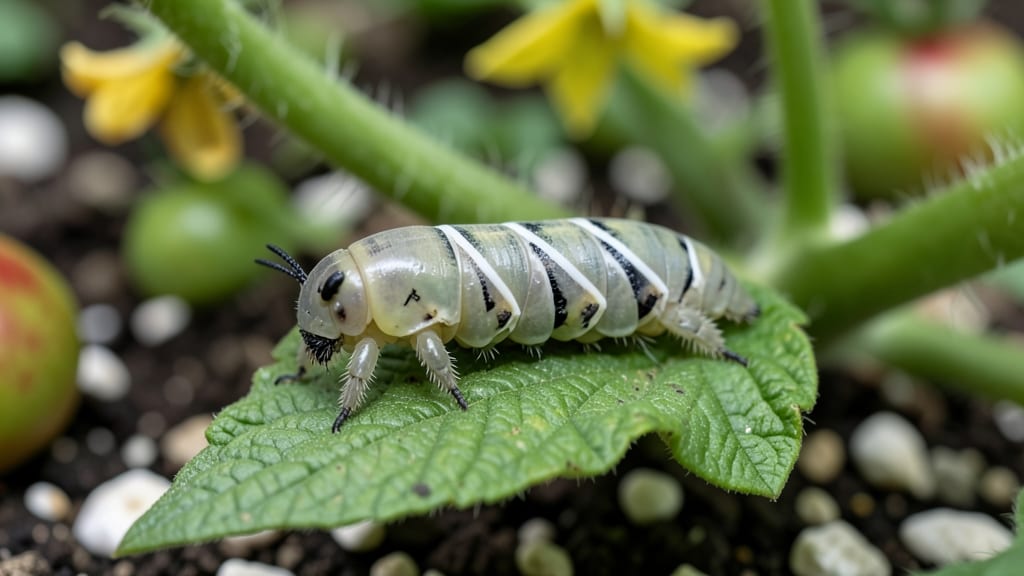
The tomato hornworm size can go from nearly invisible to a 4-inch-long tomato-eating machine in just a few weeks.
If you’ve ever spotted a massive green caterpillar devouring your tomato plants overnight, you’ve likely encountered the infamous tomato hornworm—but did you know its size changes drastically at each growth stage?
What starts as a tiny egg can turn into a voracious predator before you even notice, stripping your plants bare.
Understanding the tomato hornworm size at every stage is the key to catching it early. A newly hatched larva is barely 0.25 inches, but by the time it reaches full size, it can measure up to 4 inches—long enough to outgrow your garden’s defenses if you’re not careful.
Knowing what to look for at each phase means you can act before the damage becomes severe.
In this guide, I’ll walk you through the tomato hornworm size at every life stage, from egg to pupa, and share practical tips for spotting and managing them before they wreak havoc on your plants.
You’ll also learn how to tell them apart from other pests and when to call in natural predators for help.


Tomato hornworm size by growth stage: from egg to full-grown caterpillar
Watching a tomato hornworm transform from a tiny egg to a voracious caterpillar is like witnessing nature's most efficient tomato plant destroyer in fast-forward.
These pests start small but grow rapidly, and understanding their size progression at each stage is key to catching them before they strip your plants bare. The earlier you spot them, the easier it is to remove them manually or introduce natural predators like parasitic wasps.
From the moment those tiny white eggs appear on your tomato leaves to the point where a caterpillar reaches 4 inches long, each growth stage presents unique identification challenges. The most critical window?
The first 10 days after hatching, when they’re small enough to miss but already hungry enough to cause damage. Let’s break down exactly what to look for at every stage.
| Stage | Size Range | Key Features | Duration |
|---|---|---|---|
| Egg | 0.02 inches (tiny) | White, oval, laid on leaves | 3-6 days |
| Larva 1 | 0.25 inches | Green with white stripes, tiny horns | 3-5 days |
| Larva 2 | 0.5 inches | Darker green, V-shaped markings | 5-7 days |
| Larva 3 | 1 inch | Bright green, prominent horns | 7-10 days |
| Larva 4 | 2 inches | Bold white diagonal stripe | 7-10 days |
| Larva 5 | 3-4 inches | Massive, 8 legs visible, voracious | 10-14 days |
| Pupa | 1.5 inches (green cocoon) | Green, hangs from stems | 2-3 weeks |
The egg stage is the most challenging to spot, but those tiny white ovals (about the size of a pinhead) are your first warning sign. They’re often laid in clusters on the undersides of leaves, and if you find them, it’s time to act fast.
Within just 3-6 days, those eggs will hatch into larvae that will start feasting on your plants. This is when you’ll first see the 0.25-inch caterpillars with their distinctive white stripes and tiny horns.
By Larva Stage 2, these pests grow to 0.5 inches and develop darker green coloring with V-shaped markings along their sides. This is the stage where they become more noticeable, but they’re still small enough to hide easily among the foliage.
Many gardeners mistake them for harmless caterpillars until they see the leaf damage patterns—large, irregular holes appearing overnight. At this point, they’re already hungry and growing fast.
When they reach Larva Stage 3, now measuring 1 inch, the tomato hornworms become unmistakable with their bright green bodies and prominent horns. This is also when their voracious appetite kicks into high gear.
They’ll consume entire leaves in a single night, leaving behind a trail of green frass (droppings) that’s a dead giveaway. If you spot these, your plants are at serious risk unless you intervene immediately.
The Larva Stage 4 marks a dramatic increase in size to 2 inches, and this is where many gardeners first realize they have a full-blown infestation. The bold white diagonal stripe down their backs makes them stand out, but by now, they’re also strong enough to resist manual removal.
This stage is critical because they’re now large enough to skeletonize leaves and start attacking fruit, which can lead to rot and yield loss.
Finally, at Larva Stage 5, these caterpillars reach their terrifying full size of 3-4 inches, with eight visible legs and an insatiable hunger. They can consume up to 1 pound of foliage per week, and at this point, your tomato plants may already be severely damaged.
The good news? This is also the stage where they’re most vulnerable to natural predators like braconid wasps, which lay their eggs inside the hornworms, eventually killing them.
After reaching their peak size, tomato hornworms enter the pupa stage, where they shrink down to about 1.5 inches inside a green cocoon. This stage lasts 2-3 weeks and is when they transform into moths.
If you find these cocoons hanging from your tomato plants, remove them immediately—the adult moths will lay eggs, restarting the cycle. Understanding this lifecycle helps you time your interventions effectively and protect your garden.
Knowing the tomato hornworm size at each stage isn’t just about identifying them—it’s about strategizing your defense. Early stages mean easier removal, while later stages require more aggressive pest control. The key is to
How to identify tomato hornworm size at each stage before it becomes a threat
Catching a tomato hornworm early can save your plants from devastating damage. These pests start small—often overlooked—but grow rapidly. The key to protection lies in recognizing their size-based traits at each stage, from tiny eggs to voracious caterpillars.
Early detection lets you act before they strip your tomato leaves or fruit.
Most gardeners only notice hornworms when they’re 2-3 inches long, but by then, the damage is already done. The secret weapon? Learning to spot their early warning signs—like tiny frass piles, chewed leaf edges, or subtle caterpillar markings—before they balloon in size.
Let’s break down what to watch for at each critical growth phase.
🚨 WARNING: Tiny Hornworms = Big Problem Later
A 1-inch hornworm can eat 20x its body weight daily. By the time it reaches 3 inches, it’s already devoured entire leaves. Act now: Check undersides of leaves for green caterpillars with white stripes and black horn-like projections.
At the egg stage, tomato hornworms are nearly invisible—tiny white ovals on the underside of leaves. These eggs hatch in 3-5 days into 1/8-inch larvae, which immediately start feeding. Look for tiny black droppings (frass) near new leaf notches. This is your first clue they’re present.
When hornworms reach 1/2 inch, they develop distinct white diagonal stripes and a bulbous tail. Their frass becomes larger and darker, often found in clusters near feeding sites. At this stage, handpicking becomes effective—simply drop them in soapy water to prevent regrowth.
By 1 inch, their appetite explodes. They’ll skeletonize leaves (eating everything but veins) and may start on green tomatoes. Their black horn (a defensive spine) becomes more prominent. Use neem oil or introduce parasitic wasps to control their population before they reach 2 inches.
Once they hit 2+ inches, damage is severe. They’ll defoliate plants in days and may munch on unripe fruit.
At this point, physical removal (like dropping them in soapy water) is your best bet, but prevention is easier. Plant basil nearby—its scent repels hornworms—or use row covers early in the season.
Remember: Early action = healthy tomatoes. Spend 5 minutes daily inspecting leaves, especially in morning sunlight when hornworms are sluggish. Your tomato plants will thank you! 🌱