
Leaf Blower
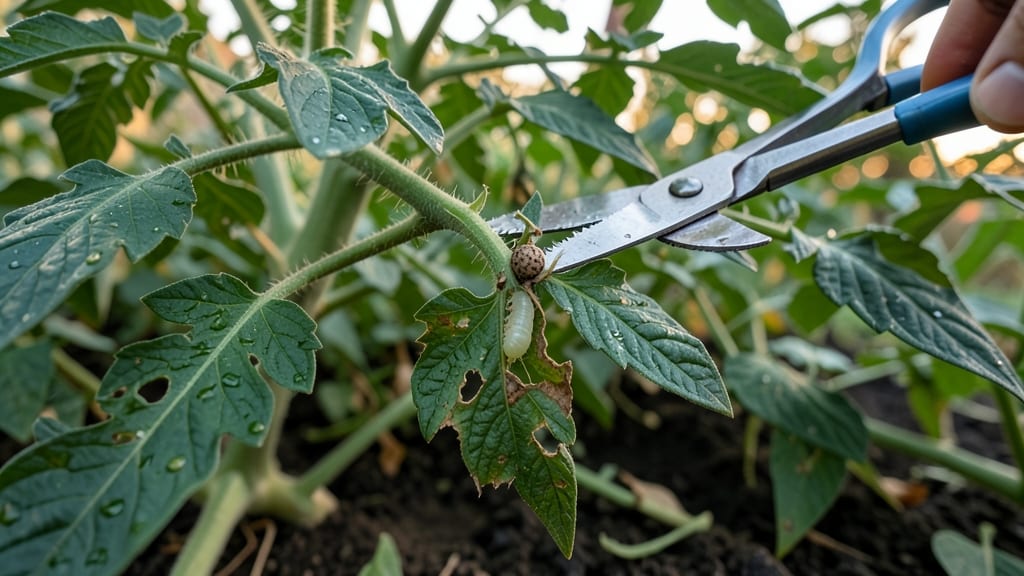
Fighting tomato leaf worms without chemicals? These 10 organic control methods—backed by experienced gardeners—protect your plants while keeping your garden thriving and chemical-free.
Neem Oil Spray For Immediate Defense

When you spot the first signs of tomato leaf worms munching on your plants, neem oil spray acts like a biological shield—disrupting their life cycle while repelling adults before they lay more eggs. Unlike harsher pesticides, this natural solution targets pests at every stage without harming your plants or beneficial insects.
Mix 1 teaspoon of neem oil with 1 quart of water and a drop of dish soap (as an emulsifier) in a spray bottle. Apply it evenly on both sides of leaves during early morning or late evening to avoid sunburning the foliage. Reapply every 5-7 days until the infestation clears, focusing on the undersides of leaves where worms hide. For best results, combine with handpicking to remove visible worms immediately.
This method is perfect for gardeners who want fast, chemical-free action—especially when dealing with early-stage infestations. It’s also safe for organic certification and works wonders on other garden pests like aphids and mites. 🌱
Handpicking Worms During Early Morning

When you spot tomato leaf worms munching on your plants, grabbing them by hand might seem old-school—but it’s one of the most effective ways to protect small gardens. The key? Early morning is the best time to strike, when worms are sluggish from the cool temperatures and haven’t yet hidden deep in foliage.
Start by wearing gloves (to avoid skin irritation) and gently inspect leaves for green or brown caterpillars (or their eggs). Drop them into soapy water to eliminate them completely. This method works best for small gardens or container plants, where you can monitor every leaf. For larger areas, combine handpicking with other organic controls like neem oil for maximum impact.
This approach is perfect for gardeners who prefer hands-on solutions and want to avoid chemicals entirely. Plus, it’s a great way to teach kids about pest control while keeping your tomatoes thriving. 🌱
Diatomaceous Earth Barrier Treatment

Tired of chemical sprays that leave residues on your tomatoes? Diatomaceous earth offers a zero-toxicity solution that works by dehydrating tomato leaf worms on contact—no harmful ingredients, just microscopic fossilized algae powder.
Apply a thin layer around the base of tomato plants and along garden rows, focusing on areas where worms crawl. Reapply after rain or watering, as moisture reduces its effectiveness. This method is especially useful for preventing reinfestation after other treatments, like handpicking or neem oil.
Perfect for gardeners with pets or children, diatomaceous earth is safe once settled—just avoid inhaling the dust. It’s a low-cost, long-term barrier that keeps your tomato patch worm-free without compromising plant health. 💚
Bacillus Thuringiensis (Bt) Bacteria Spray
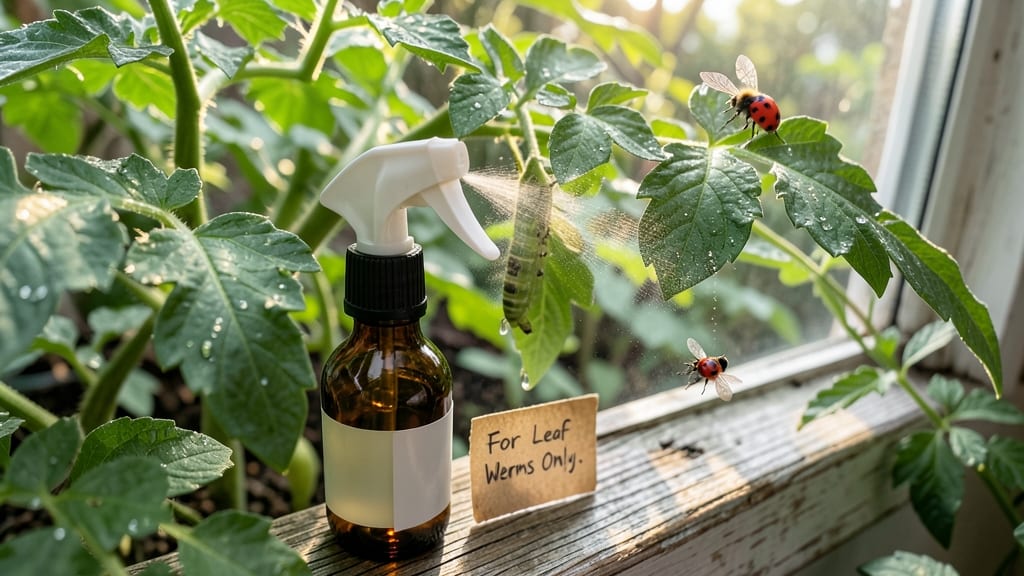
When chemical pesticides are off the table but your tomato plants are under siege by leaf worms, Bacillus Thuringiensis (Bt) is your precision weapon. This organic bacteria spray targets only caterpillars and leaf worms—including the dreaded tomato leaf worm—while leaving bees, ladybugs, and other beneficial insects completely unharmed.
Bt works by creating a toxin in the gut of leaf worms, killing them within 48 hours. Apply it at dusk or dawn when bees are less active, and reapply every 7-10 days or after heavy rain. It’s especially effective for organic certification because it breaks down quickly in sunlight and doesn’t leave harmful residues.
Gardeners who prioritize eco-friendly solutions—like those in community gardens or certified organic plots—will appreciate how Bt delivers results without disrupting the garden’s natural balance. 🌱
Yellow Sticky Traps For Adult Monitoring
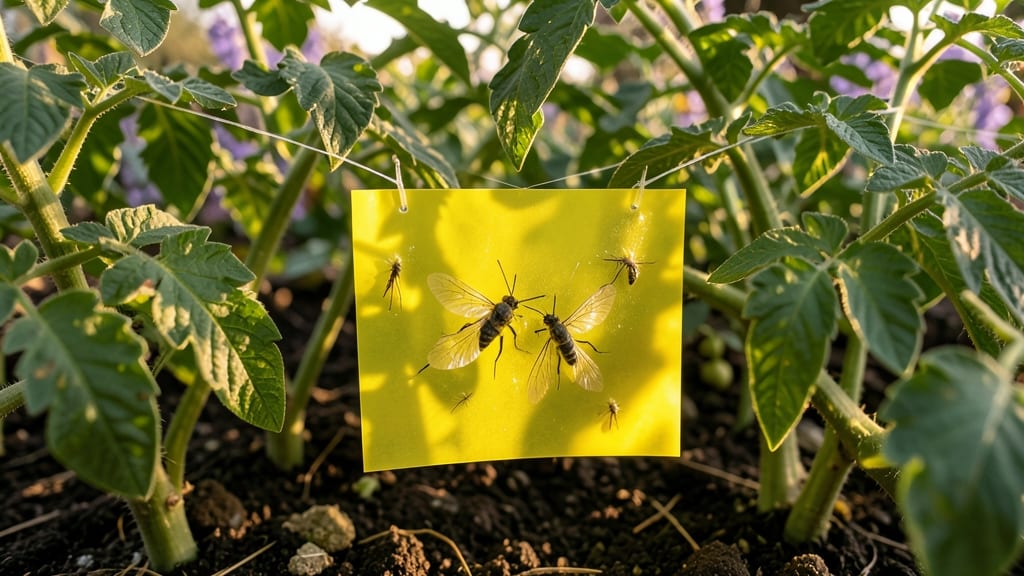
Stop tomato leaf worms before they even reach your plants with yellow sticky traps—a silent sentinel that catches adult moths mid-flight. These traps work by mimicking the color of young tomato leaves, luring moths to land and get stuck on the adhesive surface before they can lay eggs.
Hang traps 1-2 feet above plants in early summer when moths are most active, checking them every 3-4 days to monitor activity. A single trap can cover 100-200 square feet, making them ideal for large gardens or commercial plots. This method is chemical-free and won’t harm beneficial insects like bees or ladybugs.
Perfect for gardeners who want to prevent outbreaks rather than treat them, sticky traps give you early warnings about moth activity. Place them near your tomato patch now to catch moths before they multiply. 🌻
Companion Planting With Basil And Marigolds

Tired of chemical sprays and still battling tomato leaf worms? The secret weapon for long-term prevention might already be growing in your garden—basil and marigolds. This dynamic duo doesn’t just repel pests; it confuses them, making your tomatoes less appealing to leaf worms while boosting flavor.
Plant basil right beside your tomatoes to mask their scent, while marigolds release a natural compound that disrupts the worms' ability to locate their favorite meals. For best results, interplant them in a 3:1 ratio (three marigolds to one basil plant) around your tomato bed. The strong fragrance of basil also deters adult moths from laying eggs nearby.
This method is perfect for gardeners who prefer low-maintenance, organic solutions that work silently in the background. Once established, your tomatoes will stay safer without daily interventions. 💚
Garlic And Chili Pepper Spray

Want a homemade, budget-friendly solution that deters tomato leaf worms while boosting your soil? A garlic and chili pepper spray is your secret weapon—it’s as effective as it is easy to make, using ingredients you likely already have in your kitchen.
Blend 2 cloves of garlic, 1-2 hot chili peppers (like cayenne or jalapeño), and a quart of water. Let the mixture steep overnight, then strain and add a teaspoon of dish soap as a surfactant. Spray this concoction directly on leaves, focusing on the undersides where leaf worms hide. The strong odor and capsaicin confuse and repel the pests, while the garlic releases natural antimicrobial compounds that strengthen your plants. Reapply every 5-7 days or after rain for continuous protection.
This method is perfect for urban gardeners, beginners, or anyone who prefers DIY solutions—no harsh chemicals, just pure, plant-powered pest control. Plus, the leftover garlic and pepper scraps can be composted, adding extra nutrients to your soil. 🌱
Row Covers For Preventive Protection
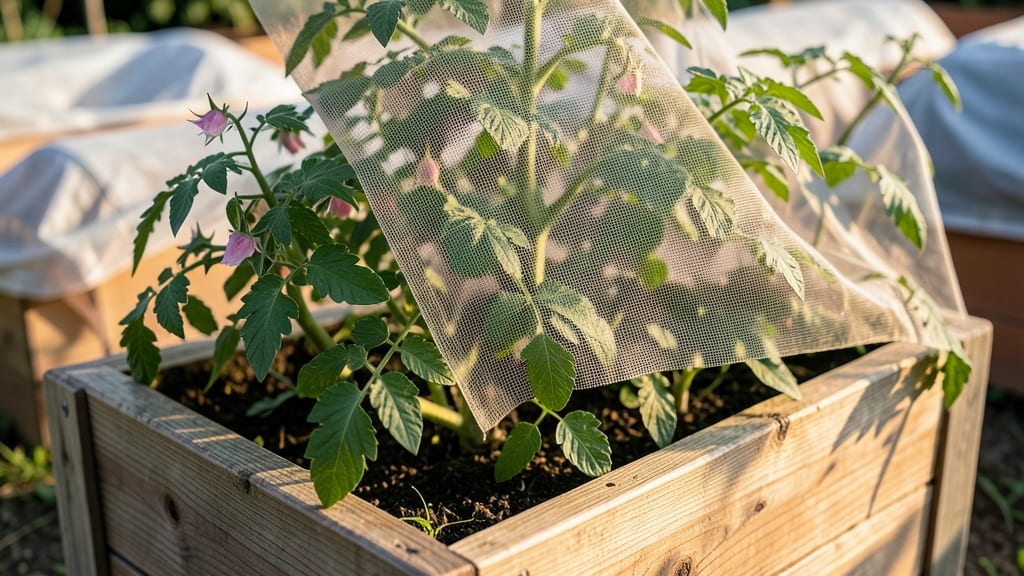
When you want to eliminate tomato leaf worms entirely without any chemical residue, lightweight row covers are your secret weapon. These breathable fabrics create a physical barrier that moths can’t penetrate, stopping infestations before they start—ideal for organic gardeners who refuse to compromise on purity.
Install covers at planting time and leave them on until flowers appear (then remove to allow pollination). Use floating row covers secured with stakes or bricks to prevent moths from laying eggs nearby. The fabric also shields plants from late frosts and wind damage, doubling as a multi-purpose tool for early-season protection.
Perfect for container gardens, raised beds, or large plots, row covers are especially valuable for growers who’ve struggled with recurring infestations. Your tomatoes will thrive without a single chemical spray. ✨
Beneficial Nematodes Soil Treatment
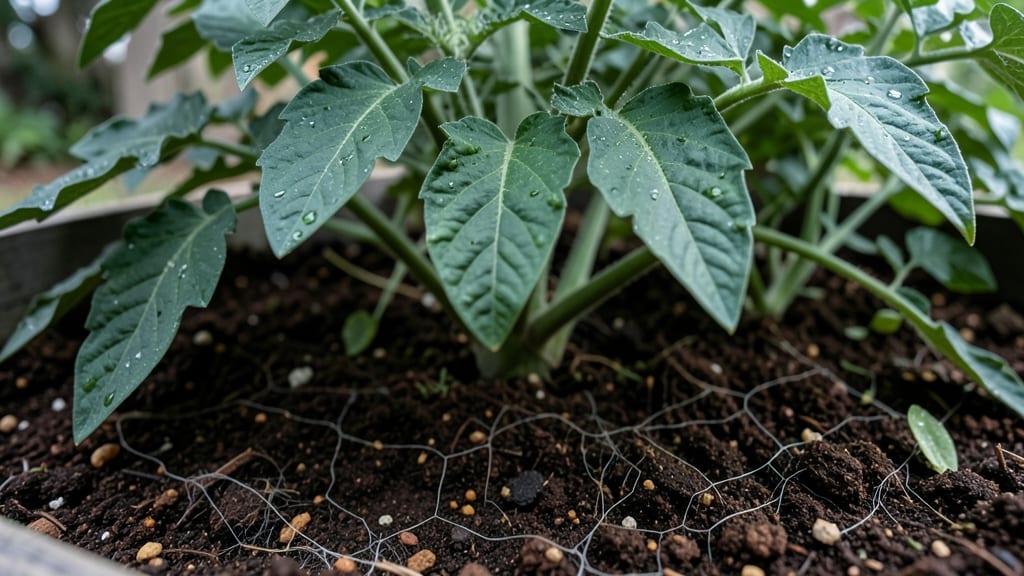
Tired of fighting tomato leaf worms from the surface? Beneficial nematodes offer a hidden defense—attacking larvae before they reach your plants. These microscopic predators live in the soil, seeking out and destroying leaf worm eggs and young larvae without harming your tomatoes or beneficial insects.
Apply Steinernema carpocapsae or Heterorhabditis bacteriophora species during warm, moist soil conditions (60-85°F). Water the soil thoroughly after application to help them move through the root zone. For best results, treat in early evening when soil is damp and temperatures are mild—this gives them ideal conditions to hunt. One application can provide up to 6 weeks of protection against emerging larvae.
This method is perfect for organic gardeners who prioritize soil health and want a long-term solution. Unlike surface sprays, nematodes work silently underground, making them ideal for container gardens, raised beds, or any space where you want to avoid chemical exposure. 🌱
Pruning Damaged Leaves Regularly

When tomato leaf worms strike, your first instinct might be to spray or trap—but pruning damaged leaves is one of the most underrated defenses. This simple act doesn’t just tidy up your plants; it removes hiding spots for eggs and larvae while exposing worms to predators like birds and parasitic wasps.
Focus on chewed or skeletonized leaves, cutting them at the base with clean shears to avoid spreading disease. Prune in the early morning when worms are sluggish, and dispose of clippings in sealed bags to prevent reinfestation. For container gardens, this method is especially effective since airflow improves quickly, reducing humidity that attracts pests.
Regular pruning also boosts your plant’s energy, helping it recover faster from damage. Urban gardeners and beginners will find this low-cost, zero-chemical step a game-changer for keeping tomato plants thriving. 🌱