
How To
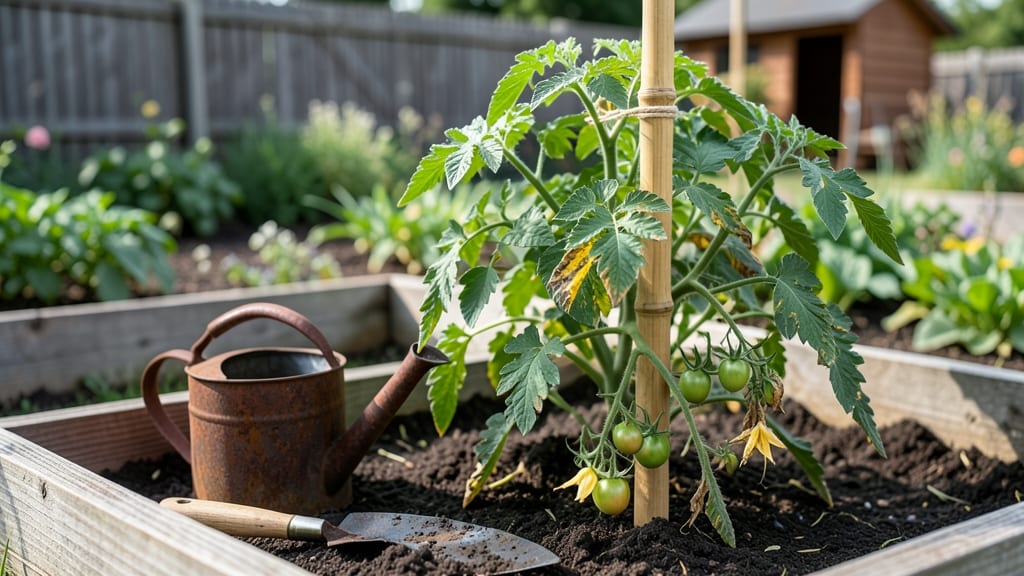
Tomato leaves drooping can turn your garden from productive to pathetic in hours—but I’ve fixed this exact problem within minutes using just what’s in your garage. 🌱 The first step is identifying whether your plants are thirsty, sunburned, or fighting an unseen battle, because the fix depends entirely on the cause.
Most drooping starts with water—either too much or too little. Check the soil 1 inch down: if it’s damp, you’re overwatering; if dry, underwatering. Heat stress shows up as crispy edges on leaves, while pests like aphids leave sticky trails or tiny holes.
The key is acting fast before the droop becomes permanent wilting. Once you know the problem, the solutions are simple: adjust watering, provide shade, or spray with soapy water. I’ve saved entire plants this way—even ones that looked hopeless. The worst-case scenario?
A fungal issue, which requires pruning and fungicide, but that’s rare if you catch it early. Prevention is easier than fixing: mulch to retain moisture, prune for airflow, and watch for pests daily. When in doubt, take a photo and compare it to the visual cues in the next section.
You’ve got this!
Understanding Root Causes
When your tomato plant’s leaves start to droop, it’s often a cry for help from the roots—or the plant itself. Let’s break down the most common culprits and why they trigger this distress signal.
Tomato plants are thirsty, but too much water can suffocate them. When soil stays soggy for too long, roots struggle to absorb oxygen, leading to root rot (a fungal infection that cuts off nutrient flow). Drooping leaves are a sign the plant is gasping for air.
Why it happens:
- Excess water displaces oxygen in soil pores, starving roots.
- Compacted or clay-heavy soil traps moisture, worsening the problem.
- Overzealous watering (especially without checking soil moisture) drowns roots.
Red flag: Leaves turn yellow or mushy, and the soil smells sour.
Tomatoes need consistent moisture, especially during fruiting. When soil dries out, the plant wilts to conserve water—think of it as a survival mechanism. Heatwaves or dry spells can accelerate this, causing leaves to droop by midday.
Why it happens:
- The plant loses more water through transpiration than it absorbs.
- Shallow root systems (common in young plants) can’t reach deep moisture.
- High temperatures increase evaporation rates, drying soil faster.
Red flag: Soil pulls away from pot edges, and leaves feel crispy or papery.
Tomatoes are heavy feeders, and deficiencies—especially of potassium, nitrogen, or magnesium—can weaken stems and leaves. Without proper nutrients, the plant can’t maintain turgor pressure (the internal water pressure that keeps leaves upright).
Why it happens:
- Potassium deficiency (yellowing leaf edges) weakens cell walls.
- Nitrogen deficiency (pale, yellow leaves) stunts growth and reduces chlorophyll.
- Magnesium deficiency (interveinal yellowing) disrupts photosynthesis.
Red flag: Older leaves show symptoms first, and new growth is stunted.
Sap-sucking pests (like aphids or spider mites) or diseases (such as early blight) can disrupt the plant’s vascular system. When leaves lose sap or are damaged, they can’t retain moisture, leading to wilting.
Why it happens:
- Pests inject toxins or drain nutrients, weakening the plant.
- Fungal/bacterial infections clog xylem vessels, blocking water transport.
- Heavy infestations or severe infections cause systemic stress.
Red flag: Sticky residue (honeydew), visible bugs, or dark spots on leaves.
Tomatoes hate extremes—whether it’s scorching sun, sudden cold snaps, or poor airflow. Stress from these factors forces the plant to conserve water, causing drooping.
Why it happens:
- Heat stress: High temps increase transpiration faster than roots can replenish water.
- Cold damage: Chilly nights slow root activity, reducing water uptake.
- Low humidity: Dry air accelerates moisture loss from leaves.
Red flag: Leaves curl upward (a common heat response) or show frost damage.
Disturbing roots during repotting or after planting can stunt water and nutrient absorption. Even minor root trauma (like rough handling) can cause temporary wilting as the plant recovers.
Why it happens:
- Roots take time to regrow and re-establish connections to soil moisture.
- Compacted soil or root circling (from small pots) restricts growth.
- Poor-quality soil or lack of mycorrhizal fungi slows recovery.
Red flag: Wilting starts within days of transplanting, even with adequate water.
Quick Fixes for Wilting Tomatoes
When your tomato plants start looking sad with drooping leaves, don’t panic—most issues have fast, effective fixes. Below, we’ve broken down the most common causes and matched them with simple, actionable steps to revive your plants.
Whether it’s thirst, heat stress, or pests, you’ll get your tomatoes perking up in no time!
Signs: Dry, crispy leaves or yellowing, mushy stems and wilting despite damp soil.
🔥 Step-by-Step Revival:
- Check the Soil Moisture Stick your finger 1-2 inches deep into the soil. If it’s bone-dry, your plant is thirsty. If it’s soggy, you’ve overwatered.
- Adjust Your Watering Routine - Underwatered? Water deeply until it drains from the bottom. Use a soaker hose or drip irrigation to deliver moisture slowly to the roots. - Overwatered? Stop watering immediately.
Let the top 2-3 inches of soil dry out before watering again. Improve drainage by adding perlite or sand to heavy clay soil.
- Mulch to Retain Moisture Apply 2-3 inches of organic mulch (straw, grass clippings, or shredded leaves) around the base (but not touching the stem) to lock in moisture and regulate temperature.
💡 Prevention Tips:
- Water early in the morning to reduce evaporation.
- Use self-watering containers if you’re prone to forgetting.
- Group plants together to create a microclimate that retains humidity.
Signs: Leaves droop during the day but recover at night, or they feel hot to the touch with a silvery, scorched appearance.
🍳 Step-by-Step Revival:
- Provide Temporary Shade Use a lightweight shade cloth (30-50%) or move potted tomatoes to a spot with afternoon shade for 3-5 days. Avoid sudden shade changes—acclimate plants gradually.
- Boost Hydration + Humidity
- Water deeply at dawn to cool the roots.
- Mist leaves gently in the early morning (avoid evening misting to prevent fungal issues).
- Place a tray of water near the plant to increase humidity.
- Adjust Mulching Switch to a reflective mulch like aluminum foil or white plastic to bounce back sunlight and reduce soil heat.
🌡️ Prevention Tips:
- Choose heat-tolerant varieties like ‘Solar Fire’ or ‘Heatmaster’ for hot climates.
- Plant tomatoes after the last frost date and avoid midday sun exposure in extreme heat.
- Use black plastic mulch to warm roots in cool weather (but remove it in scorching heat).
Signs: Leaves look chewed, sticky residue (aphids/honeydew), or spots/mold on stems.
👨🍳 Step-by-Step Revival:
- Identify the Culprit
- Aphids/Spider Mites? Tiny webs or clusters on undersides of leaves.
- Fungal Issues? Dark spots, powdery mildew, or mushy stems.
- Blight? Brown, wilting leaves (common in wet weather).
- Treat Accordingly - Pests: - Spray with neem oil (mix 1 tbsp neem oil + 1 tsp mild soap + 1 quart water).
Reapply every 3-5 days. - Introduce beneficial insects like ladybugs or lacewings. - Fungal Diseases: - Prune infected leaves immediately with sterilized scissors. - Apply copper fungicide or a baking soda spray (1 tsp baking soda + 1 quart water + a drop of soap). - Blight: - Remove all infected plants from the garden to prevent spread. - Space plants 2-3 feet apart for better airflow.
- Strengthen Plant Immunity
- Fertilize lightly with a balanced organic fertilizer (10-10-10) to boost recovery.
- Avoid overhead watering to keep leaves dry.
🎯 Prevention Tips:
- Rotate crops annually to prevent soil-borne diseases.
- Inspect plants weekly for early signs of pests.
- Use row covers to block pests before they strike.
Signs: Roots circling the pot, slow growth, or leaves wilting even after watering.
⏰ Step-by-Step Revival:
- Check the Roots Gently remove the plant from its pot. If roots are circling tightly or poking out of drainage holes, it’s root-bound.
- Repot or Refresh Soil
- For Potted Tomatoes: Move to a larger container (1-2 inches wider) with fresh well-draining potting mix.
- For Garden Tomatoes: Loosen the soil around roots with a fork and mix in compost or aged manure for nutrients.
- Improve Drainage Add perlite, vermiculite, or coarse sand to heavy soil to prevent compaction.
✨ Prevention Tips:
- Repot every 2 years or when roots fill the container.
- Use raised beds for better drainage in clay-heavy soils.
- Test soil pH (ideal: 6.0-6.8) and amend with lime or sulfur if needed.
If your tomato plant is completely collapsed (not just drooping), act fast: 1. Trim Damaged Foliage – Cut back wilted leaves to redirect energy to healthy growth.
- Fertilize with Potassium – Use a banana peel tea (steep peels in water for 24 hours) or Epsom salt (1 tbsp per gallon of water) to strengthen stems.
- Support the Plant – Use stakes or cages to prop up weak stems while it recovers.
Final Pro Tip: 💡 Observe your plant’s rhythm—wilting at the same time daily? Likely heat or thirst. Wilting randomly? Check for pests or disease. Most tomato plants bounce back within 24-48 hours of proper care!
Frequently asked questions
Why do my tomato leaves droop only in the afternoon but look fine in the morning?
This classic pattern usually means heat stress or underwatering. During hot afternoons, your plant loses moisture faster than roots can absorb it. Check soil moisture at 1-2 inches deep—if dry, water deeply at dawn. For extreme heat, provide afternoon shade with a lightweight cloth or move potted plants to a cooler spot.
Can I save a tomato plant if its leaves are completely limp and mushy?
It depends on the cause! If the soil is waterlogged (smells sour, feels soggy), you may have root rot—prune all mushy stems and repot in fresh, dry soil with perlite. If leaves are dry and crispy, the plant is beyond saving. For borderline cases, trim damaged foliage, fertilize with Epsom salt, and stake the plant to support recovery.
How often should I water tomato plants to prevent drooping?
Tomatoes need 1-1.5 inches of water per week, but frequency depends on your climate. Water when the top 1-2 inches of soil feel dry—stick your finger in to check. In hot weather, water early morning and use mulch to retain moisture. Avoid overhead watering to prevent fungal issues that can worsen wilting.
What’s the difference between wilting and permanent damage in tomato plants?
Wilting is temporary (leaves droop but bounce back when hydrated), while permanent damage shows as crispy, brown edges or mushy stems. Test recovery: Gently tug a leaf—if it snaps instead of bending, the plant is beyond saving. For wilting, focus on fixing the root cause (water, heat, or pests) within 24-48 hours for best results.