
Vegetables
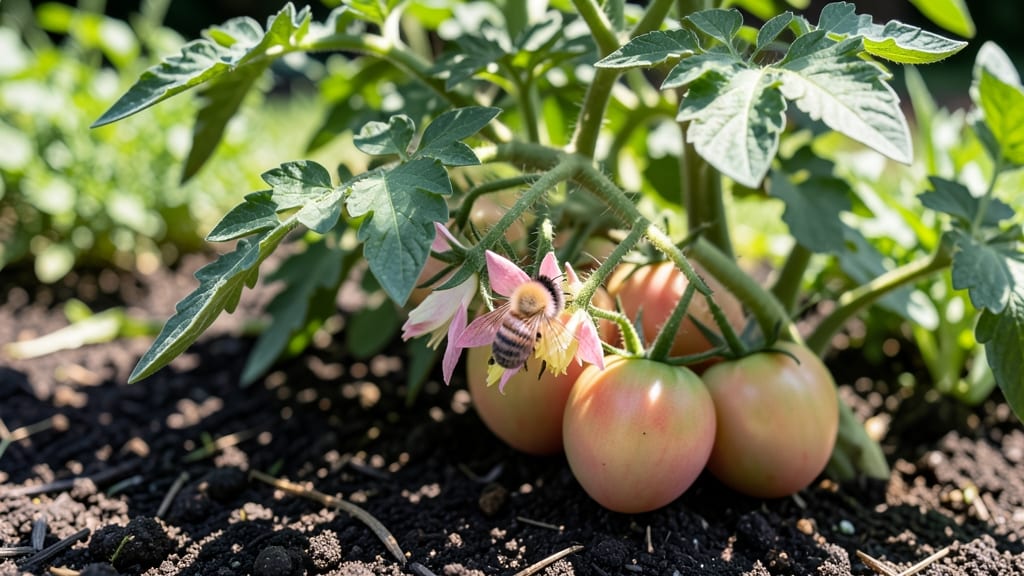
Your garden could burst with juicy pink tomatoes while buzzing with bumble bees all season long. 🌿 The 'Pink Bumble Bee' variety isn't just a tomato—it's a 60-day powerhouse that thrives on tall vines, producing sweet, beefsteak-sized fruits that turn heads (and taste buds).
What makes it special? It's bred to attract pollinators, turning your tomato patch into a mini ecosystem where bees and plants support each other.
This variety works best in warm climates but adapts well to containers if your growing season is short. Pair it with bee-friendly companions like lavender, borage, or marigolds to create a pollinator paradise.
The deep pink fruits ripen in clusters, making harvests feel like a bounty—perfect for slicing, salads, or sharing with neighbors who'll ask, "What's that gorgeous tomato?"
Imagine a garden where every vine is productive and every bloom draws life. The 'Pink Bumble Bee' delivers bold flavor and stunning color, while its pollinator appeal boosts your yard's biodiversity.
You'll end up with a space that's as functional as it is beautiful—where tomatoes feed you and bees feed your garden's future.
For best results, stake or cage those towering vines early and mulch to keep moisture consistent. This tomato isn't just a variety; it's a garden design statement that works in raised beds, containers, or traditional plots.
Ready to grow something that's as good for the planet as it is for your plate?
📚 In This Guide
- What you need
- Instructions
- Tips and common mistakes
- Wrapping up and next steps
What you need
- ● Seeds: 3–5 Tomato Pink Bumble Bee seeds (determinate variety, ~60 days to harvest).
- ● Containers or Garden Space: 5-gallon pots (1 per plant) or
- ● Well-draining garden bed (18" x 18" spacing per plant).
- ● Potting Mix: 1 bag (1.5–2 cu. ft.) of high-quality seed-starting mix or tomato-specific soil (sterile, well-draining).
- ● Fertilizer: Balanced 10-10-10 or 5-10-10 granular fertilizer (start with 1 tbsp per plant).
- ● Stakes or Cages: 6–8 ft tall tomato cages or sturdy bamboo stakes (1 per plant).
- ● Watering Can or Hose: With a gentle spray nozzle (to avoid disturbing seedlings).
- ○ Grow Lights (Optional for Indoors): 2–3 LED grow lights (12–16 hrs/day for seedlings).
- ● Mulch: Straw or shredded leaves to retain moisture.
- ● Compost: Organic matter for enriching soil.
- ● Pruning Shears: For removing suckers (if growing indeterminate-style).
- ● Row Covers: Lightweight fabric to protect from pests.
- ● pH Test Kit: To ensure soil pH is 6.0–6.8 (ideal for tomatoes).
How to grow the juicy 'pink bumble bee' tomato variety
This heirloom beauty delivers sweet, pink fruit in just 60 days—here's how to maximize its towering vines and burstingly juicy flavor.
🌱 Step 1: Start Seeds Indoors for Early Growth
Plant seeds 6-8 weeks before your last frost date in 2-3 inch deep biodegradable pots filled with sterile seed-starting mix. The 'Pink Bumble Bee' thrives when started early—its vigorous vines need time to establish before warm weather arrives. I like to use a heat mat set to 75-85°F to speed germination, which typically occurs in 7-10 days.
Press seeds ¼ inch deep and keep the soil consistently moist but never soggy. The key here is patience—overwatering now causes damping-off, while inconsistent moisture leads to weak seedlings. You'll know it's working when you see first true leaves (not the initial seed leaves) appear after 4-6 weeks.
☀️ Step 2: Provide Strong Light and Support Early
Move seedlings to a south-facing window or under grow lights providing 14-16 hours of light daily immediately after germination. Without sufficient light, vines stretch leggy and produce weak stems. I position my lights 2-4 inches above the plants and raise them gradually as the seedlings grow.
When seedlings reach 6 inches tall, transplant them into 5-gallon containers or directly into the garden with 3 feet between plants. This variety grows 6-8 feet tall, so install sturdy cages or trellises at planting time. The moment you see first flowers, prune suckers (side shoots) to direct energy toward fruit production.
💧 Step 3: Water Deeply and Feed for Maximum Juiciness
Water at the base 1 inch per week, letting the soil dry slightly between waterings. The 'Pink Bumble Bee' develops its signature juiciness when watered consistently but not excessively—overwatering dilutes flavor. I check moisture by sticking my finger 2 inches deep; if it feels dry, that's your cue to water.
Begin fertilizing with a balanced 10-10-10 formula when flowers appear, then switch to low-nitrogen tomato fertilizer once fruit sets. The goal is to encourage sweet, juicy fruit rather than excessive foliage. You'll know you're on track when vines produce 3-4 inches of new growth daily during peak season.
✂️ Step 4: Prune and Harvest for Continuous Production
Prune suckers (the shoots that grow in the leaf axils) weekly to maintain an open, airy plant structure. This variety benefits from aggressive pruning—remove all suckers below the first flower cluster to maximize airflow and fruit quality. The moment you see green shoulders on developing tomatoes, they're ready to harvest in 7-10 days.
Harvest when fruit is fully colored but still slightly firm—this ensures peak sweetness and juiciness. I pick in the morning when temperatures are cooler to preserve quality. With proper care, a single plant yields 15-20 pounds of fruit over the season. The real reward? Those first bites of burstingly juicy, pink flesh that tastes like summer in every slice.
Tips & tricks for growing juicy pink tomatoes
These game-changing insights will help you coax the absolute best flavor and productivity from your 'Pink Bumble Bee' plants—because nothing beats that first burst of juicy pink perfection.
Germination Success: The 75-85°F heat mat makes all the difference for speedy germination, but consistency is key. Place a humidity dome or plastic wrap over your seed trays during those critical first 7-10 days—this creates the tropical environment these seeds love. I've seen germination rates jump from 60% to nearly 90% with this simple trick. Watch for those first true leaves (the second set) appearing after 4-6 weeks—they're your signal that seedlings are ready for stronger light.
Lighting Strategy: Those 14-16 hours of daily light aren't just a suggestion—they're non-negotiable for preventing leggy seedlings. If your south-facing window isn't getting enough sun, invest in LED grow lights that mimic sunlight's spectrum. Position them just 2-4 inches above the seedlings and raise them weekly as plants grow. I've rescued many a stretched-out seedling by adding supplemental light at this stage—don't wait until you see yellowing leaves!
Support System: The 6-8 foot height potential means you need cages or trellises installed at transplanting, not after the plants are already leaning. I prefer sturdy 5-foot tomato cages with extra wire added for height—this variety can get top-heavy with all those juicy tomatoes. The moment you see first flowers appear, start your weekly pruning routine to direct energy toward fruit production rather than excessive foliage.
Juiciness Secret: The 1-inch-per-week watering guideline works wonders, but timing matters more than quantity. Water deeply in the morning so foliage has all day to dry—this prevents fungal diseases that can rob your tomatoes of their signature juiciness. And here's what nobody tells you: The 2-inch deep soil check isn't just about moisture—it's also about temperature. If that soil feels cool, your tomatoes won't develop their full sweetness.
Pro Tips for Tomato Pink Bumble Bee
- These game-changing insights will help you coax the absolute best flavor and productivity from your 'Pink Bumble Bee' plants—because nothing beats that first burst of juicy pink perfection.
- Germination Success: The 75-85°F heat mat makes all the difference for speedy germination, but consistency is key.
- Lighting Strategy: Those 14-16 hours of daily light aren't just a suggestion—they're non-negotiable for preventing leggy seedlings.
Frequently asked questions
When is the best time to plant Tomato Pink Bumble Bee seeds?
Start seeds indoors 6–8 weeks before your last frost date (typically mid-March to early April in most zones). Transplant seedlings outdoors after soil temps hit 55°F+ and nighttime temps stay above 50°F. This variety thrives in warm weather, so avoid early spring planting—wait until late spring or early summer for best results.
How long does it take for Tomato Pink Bumble Bee to produce fruit?
This determinate variety is a fast grower—expect first tomatoes in just 55–60 days from transplanting! With consistent care (water, sun, and fertilizer), you’ll enjoy a steady harvest for 2–3 weeks. Plan your garden timeline to maximize your pink tomato bounty!
Why are my Tomato Pink Bumble Bee plants flowering but not fruiting?
No fruit despite flowers? Check these common culprits:
- Lack of pollination: Hand-pollinate with a small brush or shake plants gently.
- Temperature stress: Tomatoes need warm days (70°F+) and cool nights (50–70°F).
- Overwatering or poor drainage: Ensure soil stays consistently moist but not soggy.
- Nutrient deficiency: Add a balanced fertilizer (like 10-10-10) if leaves look yellow.
Can I grow Tomato Pink Bumble Bee in containers?
This compact variety is perfect for containers—just choose a pot at least 12–18 inches deep and wide. Use a high-quality potting mix with added compost, and place the container in full sun (6+ hours/day). Support vines with a cage or stake to prevent sprawling.
What are the best ways to use Tomato Pink Bumble Bee tomatoes?
These sweet, meaty tomatoes shine in:
- Salads: Slice for a vibrant, tangy crunch.
- Sauces & salsas: Blend into fresh marinara or pico de gallo.
- Sandwiches: Perfect for BLTs or caprese skewers.
- Grilled or roasted: Caramelized pink tomatoes add depth to dishes.
Are Tomato Pink Bumble Bee tomatoes hybrid or heirloom?
This variety is a determinate hybrid, bred for uniform size, disease resistance, and fast production. While hybrids like this may not produce seeds for next year, they’re low-maintenance and reliable—ideal for beginners or small-space gardens!
Wrapping up and next steps
The Tomato Pink Bumble Bee variety proves that growing big, flavorful tomatoes doesn’t require endless summer days—just a little patience and the right setup! With its 60-day harvest window and towering vines, this heirloom gem is perfect for gardeners eager to taste homegrown sweetness early.
Whether you’re a space-saving urban gardener or a backyard enthusiast, this variety rewards effort with juicy, pink perfection—so grab your gloves and get planting!
Ready to grow your own? Start by reviewing the essentials or browsing common questions to tackle any last-minute prep. Your garden—and your taste buds—will thank you! 🌱✨