
Companion Plants
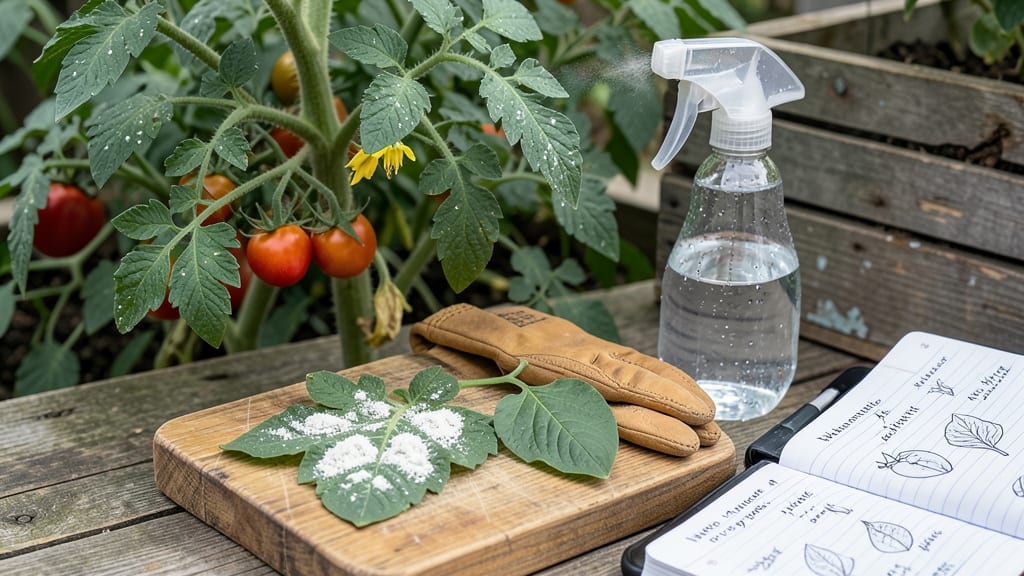
If your tomato plant has white spots on leaves, your plants are fighting a fungal battle—and the good news is, you can turn this around fast. 🌱 I’ve seen powdery mildew, spider mites, and even nutrient issues mimic these symptoms, but the fix starts with identifying the real problem before it spreads to your fruit.
The spots could be fuzzy white powder (powdery mildew), tiny webbing (spider mites), or just dry patches (nutrient stress). Check the undersides of leaves first—fungus loves shade, while mites leave silvery trails. If the spots are powdery, your plants need airflow; if they’re sticky, it’s probably pests.
Here’s the game-changer: neem oil spray for fungus, insecticidal soap for mites, and balanced fertilizer for deficiencies. Act within 3-5 days, and you’ll stop the spread before it ruins your harvest. The key is consistency—treat every 7-10 days until new growth appears.
This works for greenhouses, containers, or in-ground gardens. Just adjust your watering (morning only!) and spacing (18-24 inches apart) to prevent future outbreaks. Your tomatoes will bounce back—promise.
Underlying Causes Of Leaf Spots
White spots on tomato leaves aren’t just a cosmetic issue—they’re often a red flag that something’s disrupting your plant’s health. Understanding the root causes helps you act fast and save your harvest. Below, we break down the most common triggers, from microscopic invaders to environmental stressors, with science-backed explanations.
Fungi are the #1 culprit behind white or powdery spots on tomato leaves. These pathogens thrive in warm, humid conditions and spread like wildfire if left unchecked.
Powdery Mildew: The Fluffy White Foe
Caused by Oidium or Leveillula fungi, powdery mildew appears as white, powdery patches on leaves, often starting on the undersides. Over time, these spots turn yellow or brown, stunting growth and reducing fruit yield.
- How it spreads: Spores hitchhike on wind, water, or even your gardening tools. They germinate when humidity stays above 70% for prolonged periods.
- Why tomatoes love it: Fungal spores adore dense foliage (poor airflow) and high nitrogen fertilizer, which makes leaves soft and tasty to fungi.
- Tell-tale signs: Look for a mealy, chalky texture on leaves—almost like someone dusted them with baby powder.
Early Blight: The Spotty Stalker
Caused by Alternaria solani, early blight creates concentric (target-like) white or tan spots with dark borders. Unlike powdery mildew, these spots are crusty and often appear on lower leaves first.
- Why it’s sneaky: The fungus survives in soil and plant debris, launching spores when temperatures hit 60–80°F (15–27°C) and moisture lingers.
- Tomato weak spots: It attacks through wounds (like pruning cuts) or old leaves with poor circulation.
- Progression warning: If ignored, spots expand, leaves yellow and drop, and fruit may develop black lesions.
Not all white spots are fungal. Some are the handiwork of sap-sucking pests that leave behind a trail of destruction—literally.
Whiteflies: The Winged Menace
These tiny, white, moth-like insects cluster on leaf undersides, feeding on plant sap. Their waste (honeydew) creates a sticky residue that fosters sooty mold—a black fungus that further stresses the plant.
- How they strike: Adults lay eggs on new growth, and nymphs (baby whiteflies) suffocate leaves with their sheer numbers.
- Tomato hotspots: They adore young, tender leaves and thrive in warm, dry conditions.
- Clue to look for: Hold a white sheet under the plant and shake it—if dozens of whiteflies flutter out, you’ve got an infestation.
Spider Mites: The Invisible Web Weavers
Though they’re red or yellow, their feeding damage often appears as white, stippled spots on leaves. Heavy infestations cause leaves to turn yellow and crispy.
- Why they’re brutal: They pierce cells to drink sap, leaving behind silver or white speckles.
- Tomato triggers: They explode in dry, hot weather (below 50% humidity) and stressed plants (drought or over-fertilization).
- Early sign: Look for fine webbing on leaf undersides or between branches.
Sometimes, white spots aren’t caused by living organisms at all—they’re your plant’s way of screaming for help due to harsh growing conditions.
Overhead Watering: The Drowning Effect
Splashing water onto leaves (especially in the evening) creates the perfect breeding ground for fungi. The white, water-soaked spots you see? That’s cell damage from prolonged moisture.
- Why it’s deadly: Water droplets carry fungal spores directly to leaves, and stagnant water traps heat, accelerating rot.
- Tomato no-nos: Avoid sprinklers or watering from above. Use drip irrigation or soaker hoses instead.
- Quick fix: Water early in the day so leaves dry before nightfall.
Nutrient Imbalances: Too Much of a Good Thing
While tomatoes need nutrients, excessive fertilizer—especially nitrogen—can weaken leaves, making them susceptible to spots and pests.
- How it happens: Too much nitrogen = soft, lush growth that fungi and pests love to munch on.
- Deficiency red flags:
Nutrient White Spot Symptom Fix It With Magnesium White or yellow interveinal spots (between veins) Epsom salt (1 tbsp/gallon water) Calcium White, crinkled spots on young leaves Crushed eggshells or calcium nitrate Potassium White or brown edge scorching on older leaves Banana peel tea or wood ash - 💡 Pro Tip: Test your soil every 2–3 years to avoid guesswork!
Now that you know the why behind those white spots, you’re one step closer to a healthy, thriving tomato plant. Next up: 3 actionable steps to stop the spread and restore your garden’s glory.
Quick Fixes for Leaf Spots
White spots on your tomato leaves don’t have to mean the end of your harvest—with the right approach, you can turn things around fast! Below are targeted solutions for each common cause, along with prevention tips to keep your plants thriving. Let’s get your tomatoes back on track!
Fungal infections thrive in damp, warm conditions, so speed is key to stopping the spread.
🔥 Step 1: Remove Infected Leaves Immediately
- How: Snip off leaves with white or yellow spots using sterilized scissors (wipe with rubbing alcohol between cuts).
- Why: Fungi spread via spores—removing infected foliage cuts off the source.
- Pro Tip: 💡 Don’t compost diseased leaves! Toss them in the trash to prevent reinfection.
🍳 Step 2: Apply a Fungicide (Natural or Store-Bought)
| Option | How to Use | Frequency |
|---|---|---|
| Baking Soda Spray | Mix 1 tsp baking soda + 1 quart water + a few drops of dish soap. Spray under leaves. | Every 7–10 days (preventative) |
| Neem Oil | Combine 1 tbsp neem oil + 1 tsp mild soap + 1 quart water. Spray evenly. | Every 5–7 days until clear |
| Copper Fungicide | Follow label instructions for preventative sprays. | Weekly until no new spots |
👨🍳 Step 3: Improve Airflow & Reduce Moisture
- Prune overcrowded branches to let air circulate.
- Water at the base (not overhead) and early in the day so leaves dry quickly.
- Space plants 18–24 inches apart for better airflow.
🌡️ Prevention for Next Season
- Rotate crops—don’t plant tomatoes in the same spot yearly.
- Solarize soil (cover with clear plastic for 4–6 weeks in summer) to kill fungal spores.
- Choose resistant varieties like ‘Mountain Merit’ or ‘Defiant PhR.’
Tiny pests can leave white residue (honeydew) or chewed spots. Act fast to avoid secondary fungal growth.
🔪 Step 1: Blast Off Pests with Water
- How: Use a strong spray of water (from a hose nozzle) to knock off pests.
- Best Time: Early morning so leaves dry quickly.
🥘 Step 2: Introduce Natural Predators
- Ladybugs (buy online or attract with dill/marigolds).
- Lacewings (release eggs or adults near plants).
- Birds (install a bird feeder nearby—they love aphids!).
⏰ Step 3: Use Insecticidal Soap (If Needed)
- Mix: 2 tbsp mild castile soap + 1 quart water.
- Spray directly on undersides of leaves (where pests hide).
- Reapply every 3–5 days until pests vanish.
🎯 Prevention Tips
- Interplant with basil, garlic, or marigolds—they repel pests naturally.
- Sticky traps (yellow cards) catch whiteflies before they multiply.
- Avoid over-fertilizing with nitrogen—soft new growth attracts pests.
White spots can also signal nutrient imbalances or stress from poor growing conditions.
🌡️ Step 1: Check Your Water
- Test for hard water (white crust on leaves = mineral buildup).
- Solution: Use rainwater or distilled water if tap water is high in minerals.
- Flush soil with extra water to leach out excess salts.
🍎 Step 2: Adjust Fertilizer Use
- Too much nitrogen? Switch to a balanced 5-5-5 or 10-10-10 fertilizer.
- Too little potassium? Add wood ash or banana peels (composted) for a boost.
- Avoid fertilizing if leaves are already stressed—wait until new growth appears.
🌿 Step 3: Provide Shade & Mulch
- Hot afternoons? Use shade cloth (30–50%) to protect leaves.
- Mulch heavily (2–3 inches of straw or grass clippings) to retain moisture and cool roots.
✨ Prevention for Long-Term Health
- Mulch consistently to stabilize soil temperature.
- Monitor soil pH (ideal for tomatoes: 6.0–6.8).
- Avoid wetting leaves when watering—use drip irrigation instead.
Final Thought: Most white-spot issues are fixable with quick action! Start with removal + fungicide/pest control, then adjust care habits to prevent recurrence. Your tomato plants will bounce back—and you’ll be back to juicy, homegrown tomatoes in no time! 🍅🌱
Frequently asked questions
Are white spots on tomato leaves always caused by fungus?
Not always! While powdery mildew and early blight are common fungal causes, white spots can also come from pests like spider mites (which leave stippled damage) or nutrient deficiencies (like magnesium or calcium). Always check the leaf texture—fungus feels powdery, while pest damage is often sticky or webbier.
Can I still harvest tomatoes if the leaves have white spots?
Yes, but only if the spots are on lower leaves and haven’t reached the fruit. If fungus or pests are spreading to upper leaves or stems, remove those leaves immediately to protect your tomatoes. Always wash harvested fruit thoroughly before eating.
How do I tell if my tomato plant has powdery mildew vs. early blight?
Powdery mildew appears as fluffy white patches (like dust) on both leaf surfaces, while early blight shows up as crusty, tan spots with dark borders, often starting on lower leaves. Mildew thrives in humidity, while blight loves wet soil and warm days.
Will pruning help stop white spots from spreading?
Prune infected leaves immediately and remove any crowded branches to improve airflow. Sterilize your pruners with rubbing alcohol between cuts to avoid spreading spores. Focus on lower leaves first, as they’re often the first to show signs.
Can I use household items to treat white spots?
Yes! A baking soda spray (1 tsp baking soda + 1 quart water + dish soap) works for mildew, while neem oil (1 tbsp oil + 1 tsp soap + 1 quart water) fights fungus and pests. For sticky residue (like honeydew), wipe leaves with a damp cloth dipped in vinegar-water mix (1:1 ratio).