
Planting
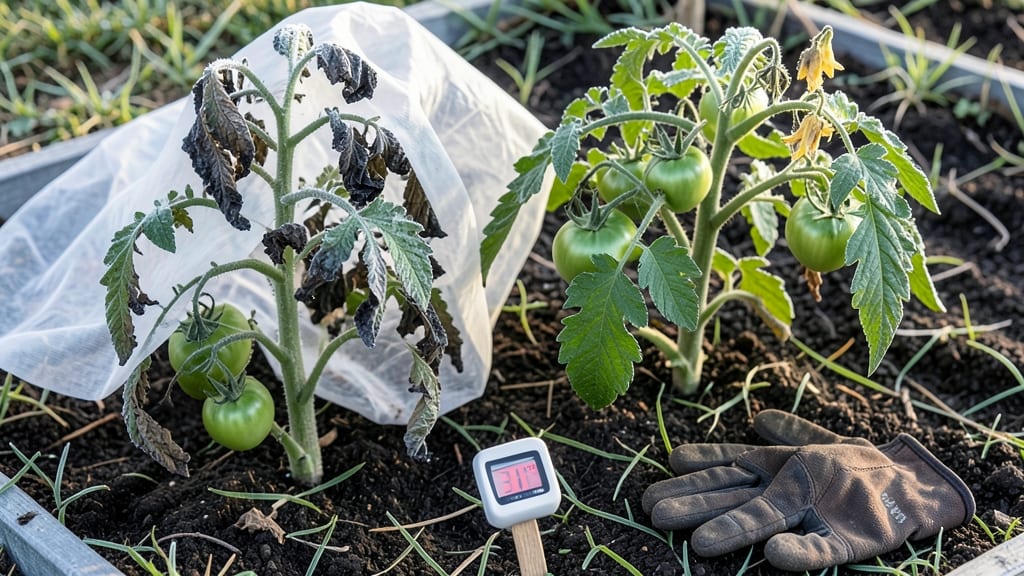
Frost damage turns your tomato plants into sad, wilted messes overnight—but there’s still hope. 🌱 I’ve nursed back plants that looked completely done for, and with the right quick steps, you can too.
The key is acting fast to stop further damage while giving the plant a fighting chance to recover.
First, identify the damage: blackened leaves, crispy stems, or stunted growth are all signs frost hit hard. Don’t panic—tomato plants are tougher than they look. Start by pruning any mushy or blackened foliage with clean shears, then mulch heavily around the base to insulate roots.
A thick layer of straw or leaves (4-6 inches) keeps soil warm and protects tender stems.
With proper care, your plant might bounce back in 1-2 weeks, producing fruit just like before. If the damage is severe, focus on saving the remaining healthy growth and harvesting any green tomatoes indoors to ripen.
Cold-hardy varieties like ‘Siberian’ or ‘Stupice’ handle frost better next season—worth remembering for future gardens.
Prevention is easier than recovery: use frost cloths on cold nights or plant in south-facing beds where warmth lingers. Even a simple black plastic mulch can raise soil temps by 5-10°F. Next year, your tomatoes will thank you—and so will your dinner plate.
Cold Snaps That Shock Plants
Frost damage to tomato plants isn’t just about the cold—it’s a complex interplay of temperature, plant physiology, and environmental conditions. Understanding the why behind the damage helps you prevent it and recover faster. Here’s a breakdown of the key factors that turn a chilly morning into a tomato plant crisis.
Tomatoes are tropical plants at heart, evolved in warm climates where temperatures rarely dip below 50°F (10°C). When frost hits—especially below 32°F (0°C)—their cellular structures freeze and rupture in a process called intracellular ice formation.
- Cell Membrane Damage: Ice crystals form inside plant cells, piercing their delicate membranes. This disrupts nutrient and water flow, leading to wilting, blackened leaves, and stunted growth. - Enzyme Dysfunction: Cold temperatures slow or halt enzyme activity, including those responsible for photosynthesis and respiration.
Without energy production, the plant weakens rapidly. - Root System Shock: Even if leaves show damage, roots are the first to suffer. Frost can kill root tips, reducing the plant’s ability to absorb water and nutrients—making recovery nearly impossible if severe.
Pro Tip: 🌡️ Tomatoes can tolerate brief dips to 40°F (4°C) but suffer permanent damage below 35°F (2°C). If frost is forecasted, act before temperatures drop—don’t wait for the first frost warning!
Frost isn’t just about air temperature—it’s about how cold air settles. Tomato plants in low-lying areas, valleys, or near water are at higher risk because:
- Cold Air Pooling: Dense, cold air sinks and traps near the ground, where tomato plants (especially young or bush varieties) are most vulnerable.
- Radiation Frost: On clear, calm nights, heat escapes from the soil and plants, accelerating frost formation. Wind can help, but still air worsens the problem.
- Moisture Amplification: Damp soil or morning dew lowers the freezing point further, making frost more likely to form and linger.
Actionable Fix: 🌿 Elevate plants (use containers or raised beds) or plant on south-facing slopes to reduce cold air exposure. Avoid watering before sunset—wet leaves freeze faster!
A healthy tomato plant has better resilience, but stress from other factors makes frost damage worse:
- Underwatering or Overwatering: Both extremes reduce cold tolerance. Drought-stressed plants have less moisture in cells, making them more prone to freezing.
Overwatered plants in cold soil struggle to absorb nutrients, weakening their defenses. - Nutrient Deficiencies: Lack of potassium or phosphorus (key for cold hardiness) makes cell membranes more fragile.
A quick soil test can reveal deficiencies before frost season. - Pests or Disease: Plants already battling aphids, blight, or fungal infections have compromised energy reserves, leaving them vulnerable to frost.
Prevention Tip: ✨ Hardening off young tomato plants (gradually exposing them to cooler temps) boosts cold tolerance by 2-3°F. Use balanced fertilizer (like 10-10-10) before the first frost to strengthen cell walls.
Tomatoes need good circulation to dry leaves and prevent frost buildup. When airflow is restricted:
- Stagnant Air Holds Cold: Dense plantings or tight rows trap cold air, keeping frost locked in.
- Humidity Rises: Poor airflow increases relative humidity, which speeds up frost formation on leaves.
- Fungal Growth: Post-frost, soggy conditions promote blight and rot, turning frost damage into a full-blown plant crisis.
Solution: 🌿 Space plants 18-24 inches apart and prune lower leaves to improve airflow. If frost is coming, remove row covers during the day to let heat escape at night.
Not all soil reacts the same to cold. Heavy clay or sandy soil can amplify or mitigate frost damage:
| Soil Type | Frost Risk | Why? |
|---|---|---|
| Clay Soil | ❄️ High | Retains cold longer, stays wet, and freezes deeper. |
| Sandy Soil | ❄️ Moderate | Drains quickly but lacks insulation, exposing roots. |
| Loamy Soil | ☀️ Low | Balances moisture and heat retention, protecting roots. |
Fix: 💡 Add compost or mulch (straw, leaves) 2-3 weeks before frost to insulate roots. Raised beds also help by warming soil faster during the day.
- Early Frost (Spring): Young tomato plants are most vulnerable because they haven’t developed thick cell walls or deep root systems.
A single night below 35°F (2°C) can kill seedlings. - Late Frost (Fall): Mature plants with woody stems may survive light frost, but fruit damage is common. Cold snaps disrupt pollination, leading to blossom drop or misshapen tomatoes.
Key Takeaway: 🎯 Spring frosts are deadlier—use row covers or cloches for young plants. In fall, harvest green tomatoes and ripen indoors if frost threatens.
Reviving Your Tomato Plants After Frost
Frost can feel like a death sentence for tomato plants, but with the right approach, your garden can bounce back stronger than ever!
Whether your leaves are crispy, blackened, or just looking sad, these practical, step-by-step solutions will help you nurse your plants back to health—and even prevent future frost damage. Let’s get your tomatoes thriving again!
Before jumping into fixes, take a close look at your tomato plants. Frost damage falls into a few key categories:
- 🌿 Light Frost (Soft, Wilting Leaves): Leaves may look sad but aren’t yet mushy or black.
- ❄️ Moderate Frost (Blackened or Brown Leaves): Some leaves are crispy or discolored, but stems and new growth are still intact.
- ⚠️ Severe Frost (Mushy Stems or No Signs of Life): The plant looks completely lifeless—this is the toughest case, but not hopeless!
Pro Tip: 💡 If the stems are still firm and green, your plant has a good chance of recovery. If they’re soft or oozing, it may need more drastic measures (or replacement).
Dead or dying leaves won’t recover, and they can even attract pests or diseases. Here’s how to trim properly:
- 🔪 Use Clean, Sharp Pruners: Sterilize them with rubbing alcohol to avoid spreading disease.
- 🌱 Cut Only What’s Necessary: Snip off blackened, mushy, or completely brown leaves—leave healthy green growth intact.
- ✂️ Avoid Over-Pruning: Don’t remove more than 30% of the plant at once, or you’ll stress it further.
Pro Tip: 🌡️ Wait until the next sunny day to prune. Cold, wet conditions can stress the plant even more.
Tomatoes need warmth to recover. Here’s how to create a cozy environment:
| Method | How to Do It | Best For |
|---|---|---|
| Row Covers | Drape lightweight frost cloth over plants to trap heat. | Light to moderate frost |
| Mini Greenhouse | Use clear plastic bottles (cut in half) or cloches over individual plants. | Small plants or seedlings |
| Mulch Thickly | Pile 4-6 inches of straw or leaves around the base to insulate roots. | Preventing further cold stress |
| Heat Source (Careful!) | Place a low-wattage heat lamp 1-2 feet above plants (only at night). | Severe frost in containers |
⚠️ Warning: Never use open flames or high-heat sources—tomatoes are sensitive to sudden temperature spikes!
After frost, plants are starved for nutrients and water, but don’t drown them:
- 💧 Water Deeply (But Not Too Much):
- Water at the base (not leaves) to avoid fungal issues.
- Use lukewarm water (cold water shocks recovery).
- Aim for 1 inch per week, adjusting for rain.
- 🍽️ Fertilize Smartly:
- Wait 3-5 days before fertilizing—stressed plants can’t handle it yet.
- Use a balanced fertilizer (10-10-10) or compost tea to boost immunity.
- Avoid high-nitrogen (like lawn fertilizer)—it promotes leafy growth, not recovery.
Pro Tip: 🎯 Add a handful of Epsom salt (magnesium sulfate) to the soil—it helps repair frost-damaged cells!
Prevention is key! Once your tomatoes are on the mend, keep them safe:
- 🌡️ Watch the Weather: Use a frost alarm or local forecasts to cover plants before temps drop below 32°F (0°C).
- 🌱 Choose Cold-Resistant Varieties: Next season, try ‘Mountain Merit’ or ‘Stupice’ tomatoes—they tolerate cooler temps better.
- 🏡 Move Potted Tomatoes Indoors (Temporarily): If frost is forecasted, bring containers into a garage or sunny porch.
- 🌿 Harden Off Young Plants: Gradually expose seedlings to cooler temps to build resilience.
If your tomato plant:
- Has no green leaves left and stems are mushy → Replace it. New plants recover faster!
- Still has some green growth → Keep nurturing it—it may surprise you with new leaves and even fruit!
- Is in a container → Propagate cuttings from healthy stems to grow a new plant.
Final Thought: Frost damage doesn’t mean game over—it’s just a setback. With a little TLC, your tomato plants can bounce back stronger, bushier, and more productive than before! 🍅💪 Now grab those pruners and get to work—your garden’s comeback story starts today!
Frequently asked questions
How can I tell if my tomato plant is beyond saving after frost?
Check the stems first—if they’re soft, mushy, or oozing, the plant is likely dead. Healthy stems should feel firm and green. Also look for any green leaves or buds—if none remain, it’s time to replace the plant. Even if the plant looks lifeless, wait 24 hours to confirm, as some varieties may recover surprisingly well.
Can frost-damaged tomatoes still produce fruit?
Yes, but it depends on the severity. If only the leaves are damaged and the stem and growing tip are intact, your plant can still produce fruit—just prune the damaged leaves and focus on protecting the remaining growth. However, if the main stem is damaged, fruit production will be limited. Harvest any green tomatoes and ripen them indoors for a second chance at a harvest.
What’s the best way to protect tomato plants from future frost?
Start with row covers or frost cloths—they can raise temperatures by 5-8°F and are easy to remove during the day. For extra protection, use black plastic mulch (which warms soil) or plant in south-facing beds where warmth lingers. If frost is forecasted, consider moving potted tomatoes indoors temporarily. Choosing cold-hardy varieties like ‘Mountain Merit’ or ‘Stupice’ is also a smart long-term strategy.
Will fertilizing help my tomato plant recover faster after frost?
Not immediately—wait 3-5 days before fertilizing, as stressed plants can’t absorb nutrients well. Once you’re ready, use a balanced fertilizer (10-10-10) or compost tea to boost recovery. Avoid high-nitrogen fertilizers, which promote leafy growth instead of root and stem repair. A handful of Epsom salt (magnesium sulfate) can also help repair frost-damaged cells.
Can I save frost-damaged tomato seeds for next year?
Only if the fruit was fully ripened before frost and the seeds are healthy. Extract seeds from undamaged tomatoes, ferment them in water for 2-3 days to remove gel, then dry them on a paper towel. Store in a cool, dark place for up to 5 years. If the fruit was damaged by frost, the seeds may not germinate well—focus on saving seeds from healthy, frost-free tomatoes for best results.