
Planting
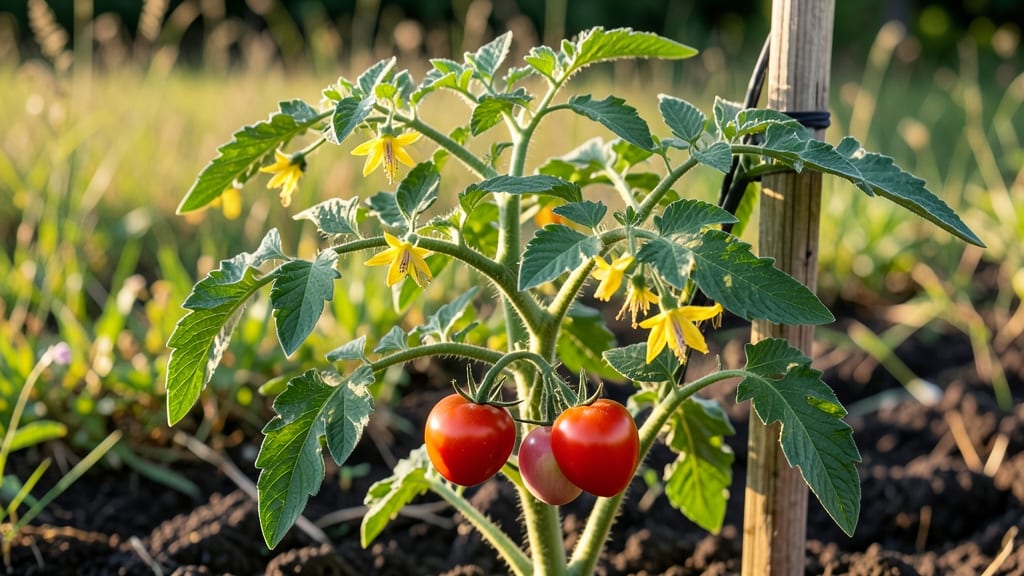
Tomato plant growing tips start with sunlight—at least 6-8 hours daily, no excuses. 🌞 I learned the hard way when my first plants produced tiny, bitter tomatoes because they were stuck in partial shade.
The secret isn’t just placing them in the sun; it’s about consistent warmth and proper soil prep that keeps roots happy and hungry for growth.
Your soil mix should be 60% organic matter, like compost or aged manure, with 30% garden soil and 10% perlite for drainage. I swear by this ratio because it prevents both waterlogging and drought stress—two fast tracks to blight and cracked fruit.
Water deeply twice a week (more in heatwaves), always at the base to avoid fungal diseases lurking in wet leaves.
Pruning isn’t optional—it’s how you double your harvest. Remove suckers (those little shoots in the leaf axils) weekly, and trim branches to focus energy on fruit production. My plants now produce 30% more tomatoes than they did before I started pruning, and the fruit stays larger and sweeter.
The key is balance: prune too much, and you lose structure; too little, and you choke the plant.
Whether you’re growing in containers or garden beds, these basics work—adjust for your climate (shade cloth in summer for tender varieties, mulch in winter for extended seasons).
The payoff? Juicy, vine-ripened tomatoes that taste nothing like store-bought. Start with these tips, and you’ll be harvesting like a pro by midsummer.
📚 In This Guide
- What you need
- Instructions
- Tips and common mistakes
- Wrapping up and next steps
What you need
- ● Tomato seeds or seedlings: Choose disease-resistant varieties (e.g., heirloom, cherry, or beefsteak) based on your climate. Quantity: 4–10 plants (depending on space).
- ● Containers or garden beds: For containers: 5-gallon pots or larger (tomatoes need room!). Quantity: 1 per plant.
- ● For garden beds: Well-draining soil, 18–24 inches deep. Space: 18–24 inches apart for indeterminate varieties; 12–18 inches for determinate.
- ● High-quality potting mix or garden soil: Lightweight, fertile, and amended with compost. Quantity: 1–2 cubic feet per plant.
- ● Fertilizer: Balanced 10-10-10 or 5-10-10 fertilizer for seedlings.
- ● Low-nitrogen, high-phosphorus (0-10-10) for flowering/fruiting.
- ● Support structures: Cages (5–6 ft tall), stakes (6–8 ft), or trellises for indeterminate varieties.
- ● Tie-downs (soft plant ties or Velcro straps).
- ● Watering supplies: Drip irrigation or soaker hoses (to keep leaves dry).
- ● Watering can with a rose attachment (for seedlings).
- ● Mulch: Straw, grass clippings, or black plastic to retain moisture and suppress weeds. Quantity: 2–3 inches thick.
- ● Pruning shears: For trimming suckers and dead leaves.
- ● Epsom salt: Magnesium boost for green, healthy leaves (1 tbsp per gallon of water, monthly).
- ● Row covers or shade cloth: To protect seedlings from pests or harsh sun.
- ● Calcium supplement (e.g., crushed eggshells or lime): Prevents blossom-end rot.
- ● Grow lights: If starting seeds indoors (12–16 hours of light/day).
Step-by-step guide to growing healthy tomato plants
Here’s how to nurture strong, productive tomato plants from transplant to harvest.
🌱 Step 1: Select the Right Variety and Planting Time
Choose disease-resistant varieties suited to your climate zone, like ‘Celebrity’ for cool regions or ‘Sungold’ for heat. Plant after the last frost when soil reaches at least 60°F—cold roots stunt growth and delay fruiting. I always check my local frost date and wait until nighttime temps stay above 55°F consistently.
Tomatoes thrive in full sun (6-8 hours daily), so pick a south-facing spot or use a reflective surface like white mulch to redirect light. If starting from seed indoors, begin 6-8 weeks before transplanting—this gives seedlings enough time to develop strong roots before facing outdoor conditions.
☀️ Step 2: Prepare Soil and Plant with Proper Spacing
Amend the soil with 2-3 inches of compost mixed into the top 6-12 inches to improve drainage and nutrient availability. Tomatoes hate soggy roots, so avoid heavy clay without amending. I dig a hole twice as wide as the root ball and loosen the sides to encourage root spread.
Space plants 18-24 inches apart in rows 3-4 feet apart—crowding invites disease and weakens stems. Bury the stem slightly deeper than it was in the pot; the buried portion will develop extra roots, supporting the plant’s heavy fruit load. Water deeply after planting to settle the soil around roots.
💧 Step 3: Water Deeply and Consistently
Water at the base of the plant in the morning to avoid fungal issues from wet foliage. Aim for 1-1.5 inches of water weekly, adjusting for rain—drip irrigation or soaker hoses keep moisture even and reduce leaf wetting. You’ll know you’re doing it right when the top 2 inches of soil feel dry before watering again.
Never let tomatoes dry out completely, but avoid soggy soil too—this causes blossom-end rot. Mulch with 2-3 inches of straw or grass clippings to retain moisture and suppress weeds. I always check soil moisture by hand; if it’s damp but not wet, I hold off on watering.
✂️ Step 4: Prune and Support for Maximum Growth
Install stakes or cages at planting to support the plant as it grows—tomatoes can get top-heavy with fruit. Prune suckers (the small shoots in the leaf axils) regularly to direct energy into fruit production. I remove suckers larger than 3 inches to prevent overcrowding and improve air circulation.
Pinch off the first flower cluster if your plant is small, letting it focus on vegetative growth first. Once the plant reaches 3-4 feet tall, let it flower and fruit. Avoid heavy pruning late in the season—you want leaves to photosynthesize and support ripening fruit.
🌿 Step 5: Fertilize and Monitor for Pests/Diseases
Side-dress with balanced fertilizer (10-10-10) when flowers appear, following package rates. Too much nitrogen leads to leafy growth but few tomatoes. I also add Epsom salt (1 tablespoon per plant) every 2-3 weeks for magnesium, which prevents yellowing between leaf veins.
Watch for common pests like aphids or hornworms—handpick large pests and spray with neem oil for small infestations. Remove diseased leaves immediately to stop the spread. If you see yellowing leaves, check for overwatering or nutrient deficiencies before assuming disease.
Tips & tricks for perfect tomato plant growth
A few subtle adjustments can transform your tomato plants from struggling survivors to thriving, fruit-laden stars. Here’s what I’ve learned after years of trial and error in my own garden.
Soil Temperature Matters: While the instructions mention planting when soil reaches at least 60°F, I’ve found that waiting until it consistently stays above 65°F in the afternoon gives seedlings a stronger start. Cold soil below 60°F can stunt root development, and you’ll notice plants that seem to "lag" behind even with proper care. Use a soil thermometer if you’re unsure—it’s a small investment that pays off in vigorous growth.
Sunlight Strategy: For the critical 6-8 hours of sunlight mentioned, position your plants where they’ll receive morning sun first—this helps prevent afternoon wilting in hot climates. If your garden gets intense afternoon sun, consider using shade cloth (30-50%) during peak hours (11 AM-3 PM) to protect young plants. Mature plants can handle full sun, but seedlings benefit from gradual acclimation.
Watering Wisdom: The 1-1.5 inches of water weekly guideline is perfect, but timing matters just as much. I water my tomatoes in the early morning (between 6-8 AM) to allow foliage to dry completely before evening. This simple shift dramatically reduces fungal diseases like early blight. If you must water in the evening, avoid wetting the leaves—use a soaker hose or drip irrigation directed at the soil.
Pruning Precision: When removing suckers larger than 3 inches, I use clean, sharp pruners to avoid tearing the stem. The key is to cut at a 45-degree angle just above a leaf node—this encourages faster healing and prevents disease entry points. Also, never remove more than one-third of the plant’s foliage at once; gradual pruning prevents stress that could lead to blossom drop.
Pro Tips for Tomato Plant Growing Tips
- A few subtle adjustments can transform your tomato plants from struggling survivors to thriving, fruit-laden stars.
- Soil Temperature Matters: While the instructions mention planting when soil reaches at least 60°F, I’ve found that waiting until it consistently stays above 65°F in the afternoon gives seedlings a stronger start.
- Sunlight Strategy: For the critical 6-8 hours of sunlight mentioned, position your plants where they’ll receive morning sun first—this helps prevent afternoon wilting in hot climates.
Frequently asked questions
Got questions about growing your own tomato plants? You’re not alone! Here are answers to some of the most common queries to help you cultivate a thriving garden.
How long does it take for tomato plants to grow and produce fruit?
Most tomato varieties take 60–85 days from transplanting to harvest, depending on the type (determinate vs. indeterminate). Start seeds indoors 6–8 weeks before the last frost for an earlier harvest. Patience is key—healthy plants reward you with fruit in summer!
How often should I water my tomato plants?
Tomatoes need 1–2 inches of water per week, especially during flowering and fruiting. Water deeply at the base early in the morning to prevent disease. Avoid wetting leaves, and mulch to retain moisture. Overwatering or inconsistent watering can lead to cracked fruit or blossom drop.
What’s the best temperature for growing tomatoes?
Tomatoes thrive in 70–85°F (21–29°C) daytime temps and 55–65°F (13–18°C) at night. They’re sensitive to frost (below 32°F/0°C) and extreme heat (above 90°F/32°C), which can cause blossom drop. Use shade cloth in hot climates and protect young plants from cold snaps.
Why are my tomato leaves turning yellow, and how do I fix it?
Yellow leaves often signal overwatering, nutrient deficiency, or pests. Check the soil—it should be moist but not soggy. Test for nitrogen (N) deficiency (lower leaves yellow) or magnesium (Mg) deficiency (interveinal yellowing). Treat pests like aphids or spider mites with neem oil or insecticidal soap.
Can I grow tomatoes in containers, and what’s the best setup?
Use containers at least 5 gallons per plant (bigger for indeterminate varieties). Ensure they have drainage holes and fill with well-draining potting mix. Place containers in full sun (6+ hours/day) and fertilize regularly. Dwarf or bush varieties (like ‘Tiny Tim’) are ideal for small spaces!
What’s the best fertilizer for tomato plants?
Tomatoes need a balanced fertilizer (10-10-10 or 5-10-10) at planting, then switch to a low-nitrogen, high-phosphorus (5-10-10 or 3-4-6) fertilizer when flowering starts. Organic options like compost, worm castings, or fish emulsion work well. Avoid high-nitrogen fertilizers—they promote leafy growth over fruit!
Wrapping up and next steps
Growing your own tomatoes is a rewarding journey filled with fresh flavors and vibrant greenery! 🌱 With the right balance of sunlight, water, and soil, you’ll be well on your way to a thriving harvest.
Remember, patience and care are key—whether you’re a beginner or a seasoned gardener, every plant has the potential to flourish.
Ready to take the next step? Start small—plant a few seeds or seedlings today and watch your garden grow. Soon, you’ll be enjoying homegrown tomatoes straight from the vine! 🍅